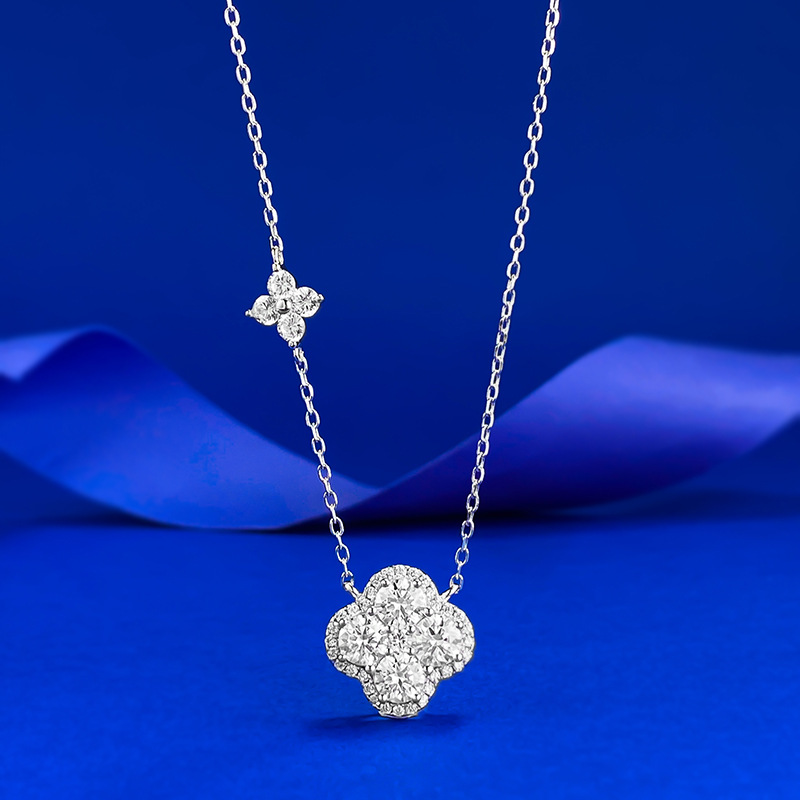
Polishing White Gold Jewelry Safely: Home Care vs Professional Service
Polishing White Gold Jewelry safely comes down to matching the method to the problem. A soft cloth can clear away skin oil, lotion, and light grime. It cannot rebuild worn rhodium or erase deep scratches, and too much rubbing can remove even more finish.
White gold is usually 14k or 18k, meaning it is made from gold mixed with white metals such as nickel, palladium, or silver. Most white gold pieces also have a rhodium coating that creates the bright, cool-toned surface people expect.
GIA explains that white gold gets its color from both the alloy and the rhodium layer, not from the gold itself. That is why the right fix depends on what you are seeing. If the piece looks dull, home care may be enough. If a warm yellow tone is showing through, a jeweler is usually the safer choice. The goal is to preserve as much of the finish as possible for as long as possible.
Polishing White Gold Jewelry Safely at Home
Polishing white gold jewelry safely at home starts with restraint. The target is dirt, oil, and surface buildup, not the metal itself. For a ring or chain that only looks tired, a gentle clean can restore a lot of shine without risking the finish.
Home care works best on simple bands, plain earrings, and chains that do not take much wear. It is less effective for pavé rings, antique settings, and pieces with loose prongs. Rings worn next to another ring usually lose their bright edge faster than pendants or studs because of constant contact.
If you are shopping for white gold in the first place, maintenance should be part of the decision. A high-polish, diamond-heavy design can look striking, but it may also show scratches and plating wear sooner than a plain band. That matters if you plan to wear the piece every day.
Tools That Are Worth Using
- Microfiber cloths
- Mild jewelry cleaner made for fine metals and stones
- Soft detail brush
- Lint-free drying cloth
- Non-abrasive polishing cloth for quick touch-ups
Avoid abrasive pastes, baking soda scrubs, bleach, ammonia mixes, and rough paper towels. Those can leave fine marks or snag delicate settings. A gentler tool is usually the better tool.
One practical rule: if the cloth is leaving visible gray residue every time you use it, stop polishing. That often means you are removing tarnish or finish faster than you should. White gold should be cleaned more often than it is rubbed aggressively.
A Simple Safe Routine
- Inspect the piece under bright light.
- Clean it with a mild solution and a soft brush.
- Rinse only if the cleaner label says to rinse.
- Dry it with a lint-free cloth.
- Buff the outside lightly with a polishing cloth.
- Check prongs, clasps, and stone edges before wearing it again.
If the jewelry still looks dull after one gentle pass, stop there. More pressure rarely helps. In many cases, that means the finish needs professional attention rather than more polishing at home.
Why Polishing White Gold Jewelry Safely Matters
Polishing white gold jewelry safely matters because white gold wears differently from yellow gold or platinum. The bright finish comes from a thin rhodium layer, so surface color can change long before the piece is structurally worn out. A cloth can clean the surface, but it cannot rebuild the rhodium.
Wear usually shows up first on edges, shoulders, and other high-contact areas. A wedding band that hits a desk all day will age faster than a pendant that moves less.
That thin surface layer is also why aggressive polishing is risky. Heavy buffing can remove rhodium faster than expected and expose scratches, weak prongs, or worn engraving.
There is another reason to be careful: white gold can look healthy even when the setting is not. A ring may still appear bright after cleaning while the prongs have thinned enough to threaten the center stone. Visual shine and structural safety are not the same thing.
Signs It Is Time to Stop at Home
- Yellow or cream tones appear at the edges
- Scratches stay visible after light cleaning
- A stone feels loose or shifts in the setting
- The piece catches on fabric or feels rough
If any of those signs show up, take the piece to a jeweler. A cloth cannot check structure, and stronger polishing can make the damage worse.
Professional Polishing and Rhodium Replating
Professional polishing white gold jewelry safely gives you two benefits at once: a cleaner surface and a trained inspection of the setting. A bench jeweler can evaluate the piece, clean it deeply, polish it with the right equipment, and replate it if needed. That makes professional service the better option for valuable rings, heirlooms, and detailed designs.
The process also helps prevent hidden problems from getting worse. Loose stones, thin prongs, and cracked solder joints are hard to spot at home. A jeweler can catch those issues before the finish is restored.
For buyers, it helps to understand what you are actually paying for. Basic polishing is often a relatively modest service, while rhodium replating adds labor and materials. In many markets, a simple clean and polish may be in the low tens of dollars, while replating a ring can move into a higher service tier, especially if stones must be removed or the piece needs repair first. If a jeweler quotes a very low price for a heavily worn ring, ask what is included.
What a Jeweler Usually Checks
- Stone security
- Prong thickness
- Clasp strength
- Solder joints
- Surface wear and color loss
When Professional Care Makes Sense
- Deep scratches are visible
- The white finish looks yellow or dull
- The setting has tiny stones or intricate metalwork
- The piece is worn every day
- The jewelry has sentimental or resale value
For daily-wear rings, many jewelers recommend a check every 6 to 12 months. That is not because the piece is failing. Small wear builds up before most people notice it. Polishing white gold jewelry safely is easier when that wear is caught early.
How White Gold Compares to Other Metals
When you are deciding how much upkeep you want, metal choice matters as much as design. White gold gives you a bright, classic look, but it depends on rhodium for its sharp white appearance. Platinum is naturally white and does not need rhodium in the same way, though it develops a softer patina over time. That makes platinum a practical choice for buyers who want less plating maintenance and do not mind a warmer, satiny finish.
14k white gold is usually harder than 18k white gold because it contains a higher percentage of alloy metals. That can make it a smart choice for engagement rings and everyday bands that see a lot of contact. 18k white gold contains more pure gold, so it may feel richer in color under the plating but can show wear a bit faster in some designs.
Nickel-based white gold alloys are often brighter and harder, but they can be an issue for people with metal sensitivity. Palladium-based white gold is usually gentler on sensitive skin and can have a slightly different working cost. If you have a known nickel allergy, confirm the alloy Before You Buy rather than assuming all white gold is the same.
Platinum often costs more upfront than white gold, but the long-term maintenance tradeoff can be different. White gold may need periodic rhodium replating; platinum usually needs less of that type of upkeep but can require periodic polishing to manage patina. The better choice depends on whether you prefer lower initial cost or lower finish maintenance over time.
What to Look For When Buying White Gold Jewelry
If you are buying a ring or necklace that you expect to polish and wear often, details matter. The wrong setting or finish can turn a lovely piece into a maintenance problem. Good buyers look past the sparkle and check how the piece will age.
Diamond Specs That Affect Maintenance
For diamond rings, cut, shape, and setting style have a bigger impact on daily wear than most shoppers expect. A well-cut round brilliant reflects light strongly and can hide minor surface wear better than flatter or more angular shapes. Princess, emerald, and marquise cuts can look beautiful, but corners and edges are more exposed to knocks.
When reviewing diamonds, look at the standard grading details:
- Cut quality: prioritize excellent or very good when possible, especially for center stones
- Color: a near-colorless range often pairs well with white gold because it stays bright without looking tinted
- Clarity: eye-clean stones are usually the practical sweet spot for daily jewelry
- Carat weight: larger stones need stronger settings and more careful maintenance
Certification matters too. GIA and AGS are widely trusted for diamond grading because they are known for stricter, consistent standards. IGI and other labs are common as well, especially in lab-grown diamonds, but the grading context matters when comparing prices. A certificate does not make a ring durable, but it gives you a clearer idea of what you are actually buying.
If you are comparing natural and lab-grown diamonds, remember that price changes how much room you have in the budget for setting quality and later maintenance. A larger lab-grown center stone may fit the same budget as a smaller natural stone, but a secure setting and solid prongs should still come first.
Setting Tradeoffs
Prong settings, bezel settings, and pavé settings all wear differently. A prong setting shows more of the stone and usually allows easier cleaning, but it leaves the edges more exposed. A bezel setting wraps metal around the stone and can offer strong protection, though it changes the look and may hide some of the stone’s outline. Pavé designs create a dense field of small diamonds, but they require more maintenance because tiny beads and prongs can loosen over time.
For daily wear, a lower-profile setting is often easier to maintain. Rings that sit high on the finger can catch on clothing and doors, which accelerates wear. If you want a dramatic profile, expect more frequent inspection and a higher chance of needing professional polishing or minor repair.
Price Ranges And Value Choices
White gold jewelry spans a wide price range depending on metal weight, stone size, and craftsmanship. Simple white gold bands can be relatively affordable, while detailed diamond rings or designer pieces may cost substantially more. As a rough buying guide, small plain white gold items often sit in the lower hundreds or below, while diamond engagement rings and fashion pieces with heavier gold content, better stones, or branded design can move from the high hundreds into the many thousands.
That range is one reason maintenance should factor into the purchase. A ring that costs more upfront should also have enough material and setting quality to survive years of cleaning and polishing. Thin shanks, light pavé work, and overly delicate prongs can become expensive to maintain if you wear the piece every day.
Sizing And Fit
Ring size affects wear more than many buyers realize. A ring that spins freely rubs the same area of the metal and setting over and over, which can wear the finish unevenly. A ring that is too tight can be harder to remove and more likely to be forced, scratched, or bent. If you are between sizes, ask the jeweler how the design fits in real life rather than choosing by number alone.
Wide bands often feel tighter than narrow bands in the same nominal size. Stacked rings can also change fit, because two pieces rubbing together create more wear on the white gold plating. If you plan to stack, budget for the fact that the pieces may need earlier polishing than a single band.
Shipping, Returns, And Inspection Periods
For Online Jewelry Purchases, shipping and returns are not minor details. Look for insured shipping, signature required delivery, and a return window long enough to inspect the piece carefully at home. A short return period can be a problem if you need time to verify sizing, compare color, or check how the setting wears with your existing jewelry.
Ask whether the seller accepts returns on resized or engraved items, because those policies often change once the jewelry is altered. If the piece includes a center diamond or important certificate, confirm that the return process requires the original packaging and documentation. For higher-value items, check whether the seller covers return shipping or only outbound shipping.
If you are buying online, inspect the piece immediately on arrival under bright light. Check for loose stones, uneven plating, or mismatched color before you wear it. Small issues are much easier to handle during the return window than after weeks of wear.
Home Care vs Professional Service
Here is the clearest way to compare the two approaches for polishing white gold jewelry safely.
| Method | Best For | Cost | Time | Risk Level | Result |
|---|---|---|---|---|---|
| Light home care | Quick refresh | Low | Minutes | Low on simple pieces | Removes dirt and oils |
| Gentle polishing | Mild dullness | Low to medium | 10 to 20 minutes | Medium if overused | Brings back surface shine |
| Professional polishing | Worn jewelry | Higher | Same day to a few days | Low with inspection | More even finish |
| Rhodium replating | Yellowed finish | Higher | Same day to a few days | Low with proper handling | Restores bright white color |
Home care is the simpler option for convenience. Professional service delivers a more complete refresh and a setting inspection. If the issue is dirt, home care is usually enough. If the issue is wear, a jeweler is the better call.
Which Pieces Need Which Approach
Plain white gold bands usually handle routine home care well. White gold earrings, pendants, and simpler chains often do too, as long as the surface is not badly worn. Once the design becomes more delicate, the risk changes.
Pavé rings, halo settings, antique pieces, and stone-heavy designs are better suited to professional care. The same applies to engagement rings with diamonds held in fine prongs. If you are comparing diamond settings or choosing a ring with built-in maintenance needs, engagement ring care tips can help you plan ahead.
Pieces with engraving, milgrain, or hand-applied textures also deserve caution. Aggressive polishing can smooth those details away over time. If the design is part of what makes the piece valuable, do not trade that character for a high-gloss finish unless you understand the cost.
Best Choice by Goal
- Fast refresh before an event: home care
- Ongoing upkeep for daily wear: home care plus periodic inspection
- Restoration for heirlooms: professional polishing and replating
- Better long-term value protection: professional inspection first
Polishing white gold jewelry safely is really about matching the method to the condition of the piece. A quick cloth works for fingerprints and dust. It is not a fix for worn metal.
A Practical Maintenance Schedule
Wipe the piece with a soft cloth after wearing it to remove lotion, oil, and sweat. Clean it every few weeks if you wear it often. Inspect prongs and clasps monthly, especially on rings and bracelets.
Store each piece separately so it does not rub against harder jewelry. Take rings off for chores, workouts, and harsh cleaners. Small habits like these slow wear more than most people expect.
A practical routine is simple: clean often, inspect regularly, and reserve refinishing for visible wear. That keeps polishing white gold jewelry safely from turning into over-polishing.
If you own several white gold pieces, rotate them. A ring worn every day will need replating sooner than a ring worn once a week. Rotation spreads out contact and can make a noticeable difference in how fast the finish fades.
Common Mistakes To Avoid
Most damage comes from trying to make jewelry look new too quickly. Over-polishing is the biggest mistake, but it is not the only one.
- Using toothpaste, baking soda, or abrasive powders on the surface
- Scrubbing around prongs instead of brushing gently through the setting
- Using ultrasonic cleaners on loose, cracked, or antique pieces without checking with a jeweler first
- Polishing over dirt, which can drag grit across the metal
- Assuming all white gold needs the same care, regardless of karat or design
- Ignoring a slight color shift until the plating is visibly worn away
A lot of these mistakes happen because buyers treat white gold like stainless steel or costume jewelry. It is not that forgiving. Fine metal, thin plating, and delicate stones need a lighter hand.
How To Judge Whether A Piece Is Worth Replating
Not every piece needs the same level of service. A thin, inexpensive fashion ring may not justify repeated restoration if the finish is nearly gone and the underlying build is weak. By contrast, a well-made diamond ring, a family heirloom, or a matched wedding set usually does justify professional care because the value is in the piece itself, not just the metal.
Ask three questions before paying for replating: does the design still have good structural life, do the stones and settings justify the cost, and do you plan to keep wearing it long term? If the answer is yes to all three, replating is usually reasonable. If the ring is already bent, extremely thin, or missing stones, repair may need to happen before finish work.
Expert Recommendation
Polishing white gold jewelry safely works best when you start with the least aggressive option. If a gentle clean restores the look, stop there. If the finish is fading or the setting needs attention, move to a jeweler.
Many shoppers wait until the yellow tone is obvious. By then, the piece usually needs more than a cloth. Catching wear early helps preserve the rhodium layer and keeps the piece looking brighter for longer.
If you are buying new white gold jewelry, choose a design you can maintain comfortably. A secure setting, sensible profile, and realistic care plan matter more than a perfect showroom finish that will be impossible to preserve.
FAQ
How can I polish white gold jewelry safely at home without scratching it?
Use a soft microfiber cloth, a mild jewelry cleaner, and light pressure. Work slowly and stop as soon as the surface looks clean. If the piece has stones, inspect the prongs after cleaning so loose hardware does not go unnoticed.
Is a polishing cloth safe for white gold rings with diamonds?
Yes, if you use it lightly and avoid snagging the setting. A cloth is useful for surface shine, but it will not restore worn rhodium or fix a loose stone. For diamond rings, polishing white gold jewelry safely also means checking the setting after each clean.
How do I know when white gold needs rhodium replating?
Polishing white gold jewelry safely is not based on a fixed calendar. Watch for a warmer tone at the edges, shoulders, or top of the ring. You may also notice that the white finish looks uneven after cleaning. If that happens, professional rhodium replating is usually the right fix.
How often should white gold jewelry be professionally polished?
There is no single schedule that fits every piece. Daily-wear rings may need attention once wear becomes visible, while earrings and pendants can go much longer. A 6 to 12 month inspection is a good habit for jewelry you wear often.
Should I polish white gold jewelry myself or take it to a jeweler?
Start at home if the piece only needs light cleaning. Choose a jeweler if you see scratches, yellowing, loose stones, or worn prongs. Polishing white gold jewelry safely usually means handling simple upkeep at home and moving to professional service when the problem is wear, not dirt.
Does 14k or 18k white gold need more care?
Both need care, but they age a little differently. 14k white gold is often chosen for durability in everyday wear, while 18k white gold contains more gold and may show wear in the plating or surface faster in some settings. Either way, cleaning is simple, but replating and inspection depend more on wear pattern than karat alone.
What should I ask before sending white gold jewelry in for service?
Ask whether the jeweler is doing a full polish, rhodium replating, stone tightening, or just a clean. Confirm turnaround time, insurance while the piece is in transit, and whether any stones need to be removed before plating. For higher-value items, ask for written estimates and return shipping details so you know exactly what is included.
Shop the Right Fix
Polishing white gold jewelry safely works best when home care handles the easy part and a jeweler handles the wear. That keeps the metal protected and the piece looking clean without unnecessary loss.
Browse our jewelry collection for Pieces That Fit easy care, or use our ring builder if you want to choose a design with maintenance in mind. If you already own a piece that needs attention, a jeweler can tell you whether cleaning, polishing, or replating is the safer next step.
Ready to Find Your Perfect Diamond?
Explore our collection of certified lab-grown diamonds
Shop Diamonds