If you're comparing platinum vs White Gold Ring Setting Cost, start with the setting itself before looking at the center stone. The setting includes the prongs, basket, shank, gallery, and any accent work that holds the diamond in place. Two rings can look almost identical and still come back with very different prices because the metal, labor, and finishing process are not the same. I've helped hundreds of couples sort through that exact comparison, and the price gap usually makes more sense once you break the ring down piece by piece.
Platinum is naturally white and is usually sold as 950 platinum, which means 95% platinum and 5% alloy metals. White gold is usually 14k or 18k, so the metal mix starts out differently. GIA notes that platinum keeps its color without plating, while white gold often gets its bright finish from rhodium. That difference is one reason shoppers see a gap in platinum vs White Gold Ring Setting Cost, even before they add the diamond. Honestly, I think this is where a lot of buyers get tripped up - they are comparing the look, not the actual build.
Platinum vs White Gold Ring Setting Cost Breakdown
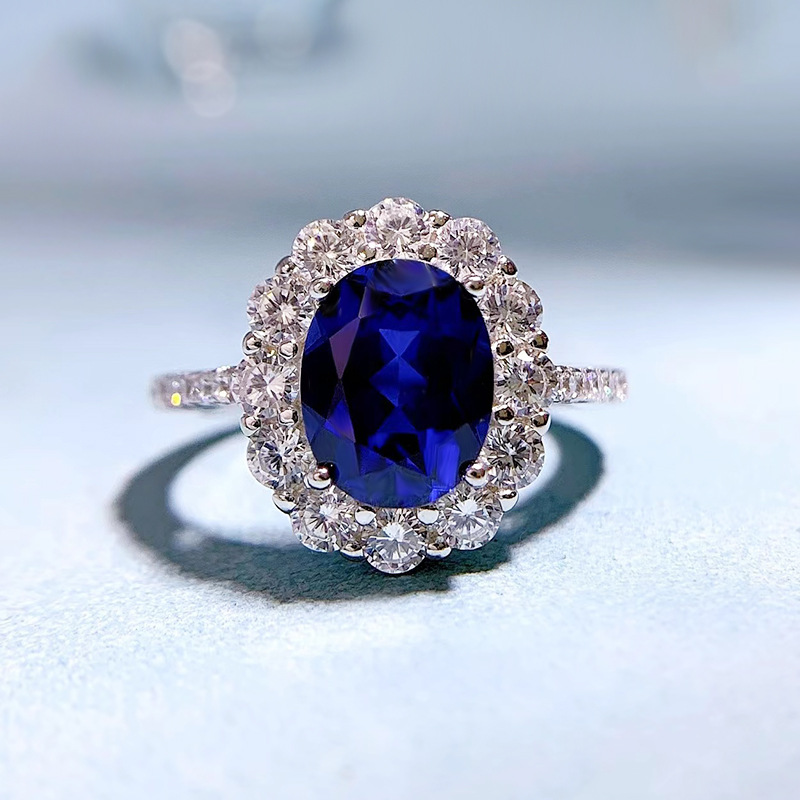
For a fair price check, compare the same ring style in both metals. A plain solitaire is usually the easiest place to start. Halo, pave, and cathedral settings rise faster because they need more hand labor and more finishing time.
| Setting style | White gold typical setting-only price | Platinum typical setting-only price | Why the gap changes |
|---|---|---|---|
| Solitaire | $600-$1,400 | $900-$1,900 | Metal weight, prong count, and simplicity |
| Cathedral solitaire | $850-$1,900 | $1,200-$2,600 | Extra structure and more fabrication time |
| Halo | $1,100-$2,600 | $1,500-$3,100 | More small stones and more hand labor |
| Pave | $1,300-$3,000 | $1,900-$4,200 | Stone seats, bead work, and finishing time |
| Custom design | $1,500+ | $2,000+ | CAD work, wax carving, and revisions |
These ranges show why platinum vs White Gold Ring Setting Cost is often close on simple designs and wider on detailed ones. A four-prong solitaire may only change the quote a little. A pave ring can jump much more because every small stone needs seating, tightening, and inspection. I've seen couples choose a slightly simpler setting just to keep the budget calm for the proposal itself (and yes, even on a budget, the moment still feels huge).
The cleanest comparison comes when the band width, ring size, and head height match exactly. That keeps the metal choice honest and avoids apples-to-oranges pricing.
What pushes the price up or down
- Metal type and purity: 950 platinum usually costs more to fabricate than 14k white gold or 18k white gold.
- Metal weight: platinum is denser, so the same design usually uses more precious metal.
- Band width: a 2.5 mm band needs more metal than a 1.8 mm band.
- Accent stones: pave and halo designs add setting labor and inspection time.
- Craft details: milgrain, filigree, hidden halos, and custom baskets raise bench time.
- Ring size: larger sizes need more metal and sometimes more labor at the bench.
A simple comparison framework
- Compare the same design in both metals. A solitaire in platinum vs white gold ring setting cost is the cleanest like-for-like test.
- Match the band width and finger size so the quote reflects the same amount of metal.
- Ask whether accent stones, engraving, and finishing are included.
- Add maintenance over time, not just the first price tag.
- Check the retailer's resizing, warranty, and inspection policies before you buy.
That approach helps shoppers avoid a common mistake: comparing a plain white gold solitaire to a heavier platinum halo and calling that the metal difference. The setting style matters just as much as the metal choice.
Diamond Specs That Change the Total Budget
Even though this article focuses on the setting, the center stone affects the choice more than many buyers expect. If the diamond is large or carries a lower color grade, the setting metal can change the visual result. A bright white gold head may reflect a little more light around a near-colorless diamond, while platinum's naturally white tone is often preferred for higher-color stones or larger center stones where buyers want a seamless look.
For natural diamonds, look for a grading report from GIA or AGS when possible. For lab-grown diamonds, IGI reports are common and widely accepted. Certification matters because the diamond's cut, color, clarity, and carat weight determine how much room the setting needs and how much visual pressure it puts on the ring design. A 1.00 ct round brilliant with an excellent cut will usually look brighter and more balanced in a simpler setting than a stone with a deep pavilion or larger spread issues.
If you are comparing settings for a round diamond, princess cut, oval, or elongated cushion, ask the jeweler about the exact measurements, not just the carat weight. A 1.20 ct oval with a 7.8 x 5.6 mm spread may need a different head and more careful prong placement than a 1.20 ct round with a standard diameter. Those details can slightly change labor cost and help explain why one quote is higher than another even when the carat weight is the same.
Diamond specs that affect setting choice
- Carat weight: larger stones usually need sturdier prongs and a more secure basket.
- Shape: ovals, pears, and marquise cuts often need custom prong placement.
- Depth and girdle: thicker girdles may require more precise seat work.
- Cut quality: excellent-cut stones can justify a more refined setting because they deserve the light performance to match.
- Certification: GIA, AGS, and IGI reports help you compare stones consistently.
When shoppers ask where to save, I usually suggest protecting cut quality first and then deciding whether the setting can be white gold without sacrificing the look. That can keep the total package balanced. If you are still exploring center stones, shop our lab-grown diamonds to balance the total ring budget.
Metal Specs That Affect Platinum vs White Gold Ring Setting Cost
Platinum and white gold may look similar from across the counter, but their specs tell a different story. Platinum is usually offered as 950 purity, while white gold is commonly sold as 14k or 18k. That alone changes the metal mix, the weight, and the final price.
Platinum is denser, so the finished piece usually weighs more. That extra weight pushes platinum vs White Gold ring setting cost higher even when the design looks the same. It also gives the ring a solid feel that many buyers like. In my 10 years at StoneBridge Jewelry, I've noticed that people who try on both metals side by side usually describe platinum as "anchored" or "substantial" - that tactile difference matters more than people expect.
White gold takes a different path. The alloy blend can include palladium, silver, nickel, or zinc, depending on the maker. Many rings also receive rhodium plating after fabrication, and that finish can wear over time. Some owners replate every 1-3 years, while others wait longer depending on daily wear.
Finish, wear, and upkeep
GIA guidance explains the core difference clearly: platinum stays white because the metal itself is naturally white, while white gold gets much of its bright color from the rhodium finish. That matters if you want a low-maintenance ring.
A low-profile solitaire with thick prongs can wear well in either metal. A higher cathedral setting or a pave band benefits from careful engineering because the metal has to protect tiny stones as well as the center diamond. Jewelers often recommend platinum for settings that see a lot of daily friction. Here's what nobody tells you: a beautiful ring that gets worn hard every day is really a tiny piece of engineering, not just jewelry.
Which styles benefit most
- Solitaire: white gold keeps the first purchase price lower, while platinum gives the ring a heavier, more substantial feel.
- Halo: platinum can help support the structure around the center stone, while white gold can keep the total ticket size more manageable.
- Pave: platinum is a popular choice for buyers who want a sturdier feel and fewer finish-related touchups.
- Cathedral: platinum's density often suits the shoulders and elevated head.
Setting Tradeoffs by Ring Style
The same metal does not perform the same way in every ring design. A simple six-prong solitaire can live comfortably in 14k white gold and still hold up beautifully. A micro-pave band with a higher profile often benefits from platinum because the extra density can help support the detail work over time. That is why the quote should always be read in the context of the style, not just the metal name.
If you want a lower setting that sits close to the finger, check how the center stone will clear the band. Low settings are usually more practical for daily wear, especially if you work with your hands or catch jewelry on gloves and clothing. A taller basket may be more dramatic and can make the center stone look larger, but it also changes how much metal and labor the ring needs.
Prong count matters too. Four-prong settings use less metal and often cost a bit less. Six-prong settings can add security, especially for round diamonds and larger stones, but they use more metal and may require more precise finishing. For pears, ovals, and marquise cuts, some jewelers recommend V-prongs on points to protect vulnerable edges. Those details can change both the price and the durability of the setting.
Which Buyers Get Better Value From Each Metal?
The right choice depends on what value means to you. If value means lower entry cost, white gold usually leads. If value means fewer finish-related maintenance steps and a naturally white look, platinum often leads. That is the real story behind Platinum vs White Gold ring setting cost.
Why platinum appeals to many buyers
- It offers a naturally white finish without rhodium replating.
- It feels dense and substantial on the hand.
- It is often favored for daily wear and heirloom pieces.
- It suits simple solitaire and cathedral styles beautifully.
- It works well for buyers who want long-term ownership with less finish maintenance.
Why white gold remains so popular
- It lowers the upfront setting cost.
- It delivers a bright, polished look that suits most center stones.
- It can leave more budget for a larger diamond or a more elaborate design.
- It works well for buyers who like the look of platinum but not the heavier feel.
Platinum vs White Gold ring setting cost is also tied to perception. Platinum often reads as more premium because of its heft and purity, while white gold can be the smarter move for shoppers who want a beautiful setting and a more flexible budget. Many customers choose white gold when they want to save room for the center stone, then move to platinum for an anniversary upgrade later. That is a nice path, especially for couples balancing a proposal, a wedding, and all the little expenses that show up right when life gets exciting.
Resale deserves a quick mention, but it should not drive the whole decision. Ring resale usually depends more on design, condition, and brand demand than on raw metal alone. If ownership value matters more than resale, focus on comfort, durability, and maintenance.
If you're comparing complete looks rather than just metals, browse our jewelry collection to see how different ring styles change the overall value equation.
How to Compare Platinum vs White Gold Ring Setting Cost Before You Buy
Start with your shopping goal. Platinum vs white gold ring setting cost makes the most sense when you connect it to how the ring will be used.
First-time buyers
If this is your first major ring purchase, white gold often makes the most sense. The lower upfront cost can help you stay within budget without giving up a polished look. Many first-time buyers use the savings to move up in center-stone quality, which can have a bigger visual impact than metal choice alone. If you're still narrowing the center stone, shop our lab-grown diamonds to balance the total ring budget.
Upgrade shoppers
If you're replacing a starter ring or buying a milestone upgrade, platinum can feel like a worthwhile step up. The extra weight and naturally white finish make the ring feel more permanent. Platinum vs white gold ring setting cost becomes easier to justify when the ring is meant to mark an anniversary, a reset, or a long-planned purchase.
Luxury buyers
For buyers focused on premium materials, platinum is usually the preferred setting metal. It pairs well with larger diamonds, higher-color stones, and custom architecture. Platinum vs white gold ring setting cost is less about savings and more about the ownership experience: weight, finish, and durability all support the luxury story.
Lifestyle fit
- If you use your hands all day, platinum may hold detail better over time.
- If you want the lowest initial price, white gold is usually the better starting point.
- If you prefer a bright finish with minimal upkeep, platinum has the edge.
- If you are fine with occasional rhodium replating, white gold remains practical and attractive.
- If you have a sensitivity to certain alloys, ask about nickel-free white gold or move straight to platinum.
A good buying rule is simple: compare platinum vs white gold ring setting cost only after you match the design. Same setting style, same band width, same ring size, same accent stones. Then the premium becomes much easier to understand.
For shoppers who want to see those options in real settings, explore our engagement rings and compare the metal choice against the overall design.
Sizing, Shipping, and Returns
Ring size can change the quote more than shoppers expect, especially when the setting is pavé or has a hidden halo. If you are between sizes, ask whether the jeweler recommends sizing up or down based on the setting style. Wider bands often fit tighter, and some styles with a thick shank or inner curvature need special attention. A proper fit keeps the ring comfortable and reduces the chance of spinning, which matters for prong safety and long-term wear.
Before ordering online, ask how the retailer handles shipping and returns. For a ring this important, you want the policy in writing. Look for insured shipping, signature confirmation, and a clear return window. Many reputable jewelers offer 14 to 30 days, but custom pieces may be final sale or have shorter return terms. If the setting is made-to-order, confirm whether resizing is allowed before the return window closes, because some brands limit changes after the ring is worn.
It is also smart to confirm what happens if the ring arrives and the center stone measurement differs slightly from the planned head size. Even a small difference in diameter can affect the prong angle or the look of the basket. A good retailer will tell you whether the setting is built for a range of stone measurements or only for one exact size.
Questions to ask before checkout
- Is shipping fully insured both ways?
- What is the return window for standard and custom settings?
- Does the price include resizing, prong checks, and cleaning?
- Will the ring be appraised for insurance, and is that appraisal included?
- How long does production take for platinum versus white gold?
Production time can matter if you are planning a proposal or a wedding date. White gold settings may sometimes move faster because they are lighter to fabricate and finish, while platinum can require additional time at the bench. Ask for realistic timelines instead of best-case estimates.
Common Mistakes When Comparing Quotes
The biggest mistake is assuming the metal alone explains the price difference. It usually doesn't. If one quote is much higher, there may be thicker prongs, a heavier shank, better craftsmanship, or a more secure stone layout behind it.
Another common issue is overlooking the setting head. A platinum head with white gold shank, or a two-tone build, can change the quote in subtle ways. Some shoppers also forget to ask whether the tiny stones in a halo are natural diamonds, lab-grown diamonds, or moissanite. The accent stone choice can move the price more than the metal choice in certain designs.
People also compare retail quotes without checking whether the same services are included. One seller may include lifetime cleaning, stone tightening, and rhodium replating; another may charge separately for all three. If the price looks too good to be true, it often is because something important is missing.
What to verify on every quote
- Exact metal purity: 14k, 18k, or 950 platinum.
- Exact ring size used for the quote.
- Band width and setting height.
- Type and number of accent stones.
- Return, warranty, and repair terms.
Another mistake is choosing a metal based on appearance under showroom lights alone. White gold can look extremely bright when freshly rhodium-plated, but that finish changes with wear. Platinum starts and stays more softly white. If you want the ring to look a certain way three years from now, ask to see examples that have been worn and serviced, not just brand-new displays.
Maintenance to plan for
- White gold often needs rhodium replating to keep its bright finish.
- Platinum usually needs less finish maintenance, though it still benefits from polishing and inspection.
- Any setting with prongs should be checked regularly for looseness, especially if it holds a larger diamond.
- Pave and halo designs should be inspected to make sure small accent stones stay secure.
Comfort and sensitivity
Some shoppers notice the feel of platinum right away. It is dense, so the ring can feel more substantial. White gold can be a little lighter on the hand. If your skin is sensitive, ask about the alloy mix. Nickel-free white gold is often available, and platinum is commonly chosen by buyers who want a simple metal story with fewer alloy concerns.
Warranty and resizing
Before you compare platinum vs white gold ring setting cost across retailers, ask about the service policy. A fair warranty can be as valuable as a lower price. Look for details on:
- Free or discounted resizing
- Prong checks and stone tightening
- Rhodium replating terms for white gold
- Coverage for manufacturing defects
- Turnaround time for repairs
These details matter because the cheapest quote is not always the best deal. A slightly higher price can be smarter if the retailer includes the maintenance that a ring will actually need over time. If you're unsure about fit, learn about ring sizing before you finalize the order.
Shop With Confidence
For most shoppers, platinum vs white gold ring setting cost comes down to upfront budget versus long-term convenience. Platinum costs more up front, but it offers a naturally white finish and less finish maintenance. White gold lowers the entry price and can free budget for a larger center stone or more detailed design.
If you're ready to compare styles, browse our engagement rings, build a favorite in our ring builder, and check live availability before the setting you want sells through. Choosing between platinum vs white gold ring setting cost is easier when you compare real designs, not just metal labels. Start with the setting that fits your budget, then choose the metal that matches how you'll wear it.