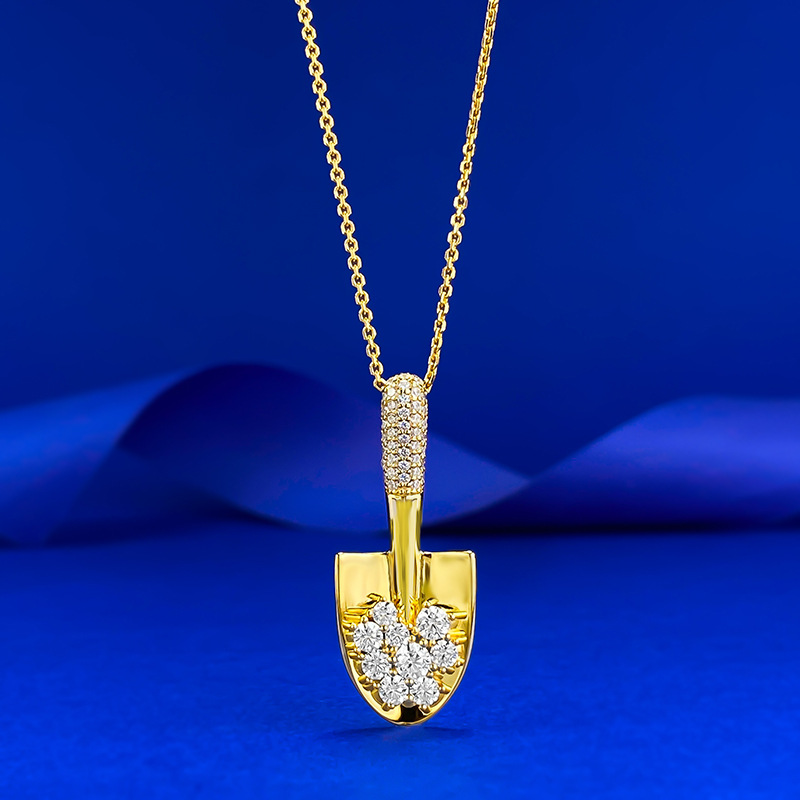
Pendant Chain Necklace Care: Home vs. Professional Cleaning
Pendant chain necklace care gets easier when you know what each part of the necklace needs. The pendant gets most of the attention, but the chain, clasp, bail, jump rings, and setting do the hard work every time you wear it.
The real question is not whether home cleaning or professional care is better. The better question is which option protects your necklace at the right time. A simple lab-grown Diamond Solitaire Pendant on a solid gold chain may need only light home care between inspections. A pavé pendant, delicate adjustable chain, or daily-wear necklace needs closer checks.
At StoneBridge Jewelry, we find that most necklace problems start small. A clasp feels slightly loose. A jump ring opens by a hair. A chain link bends after a sweater snag. Catch those issues early, and pendant chain necklace care stays simple.
What Pendant Chain Necklace Care Really Includes
Pendant chain necklace care has two main parts: routine home care and professional jewelry service. Home care covers gentle cleaning, drying, storage, and quick visual checks. Professional care includes deeper cleaning, magnified inspection, setting checks, clasp review, polishing advice, and repair recommendations.
Pendant necklaces do not wear like plain bands or stud earrings. Chains collect skin oils along every link. Pendants trap lotion, sunscreen, dust, and perfume behind the setting. Clasps, bails, and jump rings take stress as the necklace moves, catches on clothing, or layers with other chains.
Care needs also change by design. A minimal solitaire pendant usually needs less upkeep. A halo or pavé pendant gives more sparkle, but it has more tiny spaces where residue can hide. A rope chain looks rich and textured, though it can hold more buildup than a smooth box chain.
Use these care factors when comparing necklaces:
- Cleaning power for daily oil, lotion, and dust
- Safety for gold, platinum, gemstones, and lab-grown diamonds
- Cost of supplies, service, and possible repairs
- Convenience for daily wear, travel, and gifting
- Long-term protection for chains, clasps, bails, and settings
- Fit for lab-grown diamond pendants and fine jewelry necklaces
A necklace should match your style and your habits. If you want easy pendant chain necklace care, choose simple settings, sturdy chains, and fewer hidden crevices.
Why Necklace Care Matters Before You Choose a Method
Fine jewelry faces daily exposure even when it looks clean. Perfume, lotion, sweat, sunscreen, humidity, dust, and makeup can leave a thin film on metal and stones. That film dulls shine and can make a lab-Grown Diamond Pendant look less bright than it is.
A pendant necklace is not one flat surface. Chain links need patient handling. The clasp and jump ring need quick checks for tension and gaps. The bail, which connects the pendant to the chain, carries movement and friction. The setting may include prongs, bezels, pavé beads, hidden galleries, or open backs.
GIA notes that diamonds rate 10 on the Mohs hardness scale, and lab-grown diamonds share the same hardness as mined diamonds. That number explains scratch resistance, not total necklace durability. Gold can scratch. Platinum can develop a soft patina. Prongs can shift. Fine chains can kink.
Pendant chain necklace care should shape the buying decision. Want a piece you can wear often with less stress? Compare solitaire pendants, sturdy chain styles, and smooth settings. Love extra sparkle? Plan for professional inspections from the start.
Common Risks for Pendant Chains and Settings
The most common risks are small, but they build over time. Tangling can weaken fine links. Stretching can happen when a chain catches and gets pulled. Clasps wear down after repeated opening and closing.
Buildup behind a pendant can block light return, especially in open-back diamond settings. Chlorine, bleach, and household cleaners can harm metals or leave surfaces dull. Sleeping in a necklace can twist chains and strain jump rings.
Chain style affects the care routine. Cable chains are classic and easy to inspect. Box chains look sleek but may kink if bent sharply. Rope chains have texture that can trap residue. Singapore chains shimmer beautifully, though their delicate shape needs careful storage.
Lab-Grown Diamond Pendants are strong at the stone level. The setting and chain still need a light touch. Strong diamond, delicate necklace: both can be true.
At-Home Pendant Chain Necklace Care
At-home pendant chain necklace care works best for routine maintenance. It keeps residue from hardening, helps restore shine between store visits, and gives you a chance to spot problems early.
Keep the supplies simple:
- Lukewarm water
- Mild dish soap without bleach or harsh additives
- A soft-bristle brush or clean baby toothbrush
- A lint-free cloth
- A small bowl
- A padded drying surface
Use this safe home-cleaning routine:
- Fill a small bowl with lukewarm water and a few drops of mild soap.
- Soak the necklace for 5 to 10 minutes if buildup is light.
- Brush gently around the pendant, bail, chain links, and clasp.
- Rinse in clean lukewarm water over a closed drain or separate bowl.
- Pat dry with a lint-free cloth.
- Let the necklace air-dry fully before storage.
Do not rush the drying step. Moisture near the clasp, bail, or pendant gallery can attract dust and residue.
Skip toothpaste, baking soda scrubs, paper towels, rough brushes, bleach, chlorine, and chemical dips unless a jeweler approves them for that exact necklace. Ultrasonic cleaners and steamers are not safe for every piece. They can loosen fragile settings, worsen hidden damage, or harm treated gemstones and mixed-material designs.
Home care should feel gentle, not forceful. Think upkeep, not repair.
Pros and Limits of Home Jewelry Cleaning
Home cleaning is best for light to moderate buildup. It costs very little, takes only a few minutes, and can be repeated weekly or monthly based on wear.
Best features
- Low supply cost
- Easy to repeat after regular wear
- Helpful for travel and daily routines
- Useful for light residue on chains and pendants
Pros
- Keeps shine fresh between professional visits
- Reduces lotion, oil, sweat, and fragrance buildup
- Helps you notice bent links, loose clasps, or odd pendant movement
- Supports better storage habits
Limits
- Will not repair stretched links, worn clasps, or loose stones
- Can become risky if harsh products are used
- May not reach deep buildup in pavé, halo, or filigree settings
- Requires patience with fine chains
StoneBridge Jewelry specialists recommend checking the clasp, jump ring, and bail after every cleaning. These parts absorb motion each time the necklace is worn, removed, layered, or adjusted.
Best Necklaces for Home Care
The easiest necklaces to care for at home usually have sturdy metals, simple settings, and fewer crevices. Good candidates include solid gold chains, platinum chains, simple lab-grown diamond pendants, solitaire pendants, and low-profile settings.
A solitaire pendant is especially practical. It usually has one center stone, an open or semi-open setting, and fewer small details where grime can hide. That makes gentle brushing safer and more effective.
If you want low-maintenance fine jewelry, compare StoneBridge styles such as lab-grown Diamond Solitaire Pendants, classic gold chain necklaces, and everyday necklaces. You can browse fine jewelry styles or shop lab-grown diamonds if you are choosing a stone first.
Professional Pendant Chain Necklace Care
Professional pendant chain necklace care gives you information home cleaning cannot provide. A jeweler can check whether a prong is lifting, a bail is thinning, a jump ring has a gap, or a chain link is starting to stretch.
Professional care is the safer choice for fragile chains, antique-inspired pendants, pavé details, halo settings, loose stones, stretched links, and heavy residue. It also makes sense for high-value lab-grown diamond pendants. A petite 0.25 carat pendant and a 2.00 carat statement necklace both need secure settings, even though they wear differently.
Jewelers may use professional cleaning solutions, steam, ultrasonic equipment, polishing tools, magnification, and repair tools. The main advantage is judgment. A trained jeweler can decide whether steam or ultrasonic cleaning suits your exact necklace.
Industry care advice often focuses on high-stress points: prongs, bezels, clasps, solder joints, jump rings, chain links, and stone security. For fine necklaces worn often, a professional inspection once or twice a year is a smart rhythm. Schedule a visit sooner if the necklace catches, feels rough, looks cloudy after cleaning, or hangs crooked.
Professional service protects the parts you may not notice until they fail.
Pros and Limits of Professional Cleaning
Professional care is less about daily convenience and more about long-term protection. Choose it when condition, value, and structure matter most.
Best features
- Inspection under magnification
- Deeper cleaning for detailed settings and chain textures
- Early repair detection
- Polishing guidance for gold or platinum
- Chain review, including clasps and jump rings
Pros
- Strong choice for long-term preservation
- Catches small problems before they become costly
- Restores brilliance more thoroughly than basic home cleaning
- Reduces the risk of hidden setting or chain damage
Limits
- Costs more than home cleaning
- Requires a store visit or appointment
- May not be needed often for simple, lightly worn necklaces
- Polishing should be limited because it removes tiny amounts of metal
Professional pendant chain necklace care does not replace home care. It completes it. The best plan uses home cleaning for routine shine and professional service for inspection, deep cleaning, and repair decisions.
Best Necklaces for Professional Care
Some necklaces deserve more expert attention. Ideal candidates include pavé pendants, halo pendants, multi-stone necklaces, delicate chains, adjustable chains, heirloom-style designs, and high-wear daily necklaces.
Complex pendant settings have more small spaces where residue can collect. They also have more tiny metal parts that need inspection. Pavé stones, for example, rely on small beads or prongs that should be checked regularly.
If you are investing in a premium lab-grown diamond pendant, build professional inspections into your care plan. That habit helps protect brilliance, security, and long-term wear.
Home vs. Professional Necklace Care: Quick Comparison
Pendant chain necklace care is easiest to compare when you separate convenience from protection. Home cleaning wins for routine upkeep. Professional care wins for deep cleaning, trained inspection, and complex or valuable pieces.
| Care Factor | At-Home Care | Professional Care | Best Choice |
|---|---|---|---|
| Cleaning power | Good for light oil, lotion, and dust | Better for deep buildup and detailed settings | Professional for heavy residue |
| Chain safety | Safe when gentle and patient | Best for fragile, kinked, or stretched chains | Depends on condition |
| Setting safety | Good for simple solitaire settings | Best for pavé, halo, prongs, and multi-stone designs | Professional for complex settings |
| Lab-grown diamond sparkle | Helps restore daily shine | Restores shine and checks security | Hybrid routine |
| Clasp inspection | Basic visual check | Trained review of wear, gaps, and tension | Professional for worn clasps |
| Cost | Very low | Higher service cost | Home care for routine cleaning |
| Convenience | Fast and repeatable | Requires an appointment or visit | Home care for busy schedules |
| Frequency | Wipe after wear; clean every few weeks as needed | Once or twice a year for frequent wear | Hybrid routine |
| Travel use | Easy with cloth and pouch | Not practical during travel | Home care |
| Risk level | Low if gentle | Low with a reputable jeweler | Professional if you are unsure |
| Ideal necklace type | Simple gold chains and solitaire pendants | Pavé, halo, heirloom, delicate, and high-value pieces | Match to design |
| Value protection | Helps cleanliness | Stronger for damage prevention | Professional plus home care |
For most buyers, the strongest answer is a combined routine. Use pendant chain necklace care at home for regular freshness, then schedule professional inspections for peace of mind. A necklace is easier to enjoy when the clasp and setting feel secure.
Shopping Notes for Easier Care
Care should be part of your necklace comparison Before You Buy. A beautiful pendant should match your style, budget, and maintenance comfort level.
Helpful shopping notes include:
- Setting type and number of small stones
- Chain style, thickness, and clasp design
- Home care needs after regular wear
- Professional inspection needs by design
- Travel and storage habits
- Long-term value protection
A shopper who wants easy pendant chain necklace care may prefer a solitaire pendant and classic chain. A shopper who loves maximum shimmer may choose pavé or halo details and plan for regular professional checks.
Who Needs Which Care Routine?
Different buyers need different care schedules. Your routine should reflect how often you wear the necklace, where you wear it, and how detailed the design is.
Everyday wearer: Use both methods. Wipe after each wear, clean gently every few weeks, and schedule professional inspection once or twice a year. Daily necklaces collect more residue and get more clasp movement.
Occasional wearer: Home care may be enough most of the time. Store the necklace separately, clasp the chain before putting it away, and inspect it before special events.
Luxury jewelry collector: Professional care should be part of ownership. Higher-value lab-grown diamond pendants, platinum necklaces, and intricate settings benefit from documented inspections and careful storage.
Gift buyer: Choose a design that matches the recipient's habits. A simple solitaire pendant on a sturdy chain is easier to maintain than a detailed pavé necklace. If you are unsure, contact StoneBridge jewelry experts for help comparing styles.
First-time lab-grown diamond pendant shopper: Start with a low-maintenance design if you want easy confidence. A lab-grown diamond solitaire offers diamond brilliance, classic wearability, and practical care.
Lifestyle matters, too. Active routines, frequent fragrance use, humid weather, travel, necklace layering, and sleeping in jewelry all increase wear. Remove necklaces before swimming, workouts, household cleaning, and applying perfume or lotion.
Care by Necklace Type
Simple solitaire pendant: Easy home cleaning plus occasional professional inspection. This is the best low-maintenance choice for many buyers.
Pavé or halo pendant: Schedule more frequent professional checks. Smaller stones and detailed settings create more places for buildup and more points to inspect.
Fine chain or adjustable chain: Store it with care. If the chain kinks, stretches, catches, or stops sliding smoothly through the adjuster, ask a jeweler to review it.
Layered necklace look: Add extra detangling care. Store each chain separately in a lined jewelry box or individual pouch, and avoid sleeping in layered pieces.
The Best Pendant Chain Necklace Care Routine
The best pendant chain necklace care routine is a hybrid plan: gentle home maintenance plus periodic professional inspection. This gives most fine jewelry owners a good balance of convenience, sparkle, safety, and long-term protection.
Use this schedule as a starting point:
- Wipe the necklace after wearing it, especially after warm days or fragrance use.
- Store it separately in a soft pouch or lined jewelry box.
- Clasp the chain before storage to reduce tangling.
- Clean gently with mild soap and lukewarm water when buildup appears.
- Avoid chlorine, bleach, abrasive cleaners, toothpaste, baking soda, and rough cloths.
- Remove the necklace before swimming, workouts, sleeping, and household cleaning.
- Schedule professional inspection once or twice a year for frequently worn fine jewelry.
This routine works well for lab-grown diamond necklaces because it respects the whole piece. The diamond is durable and brilliant, but the chain and setting need protection from friction, chemicals, and stress.
StoneBridge Jewelry specialists look at the full necklace, not only the center stone. Clasp tension, jump ring closure, bail condition, prong security, chain shape, and pendant movement all matter.
Pendant Chain Necklace Care Checklist
Use this checklist before wearing, after wearing, during cleaning, and before storage.
Before wearing
- Check that the clasp closes securely.
- Look for gaps in jump rings.
- Make sure the pendant sits properly on the chain.
- Apply perfume, lotion, and sunscreen before putting on jewelry.
After wearing
- Wipe the pendant and chain with a lint-free cloth.
- Let the necklace dry before storage if it was exposed to sweat or humidity.
- Separate it from other chains to reduce tangling.
During cleaning
- Use lukewarm water and mild soap.
- Brush gently around the bail, setting, and chain links.
- Rinse carefully and pat dry.
- Avoid ultrasonic cleaning unless a jeweler approves it.
Before storage
- Clasp the chain.
- Place it in an individual pouch or lined jewelry box.
- Use anti-tarnish materials where appropriate for sterling silver.
- Keep necklaces separated to prevent scratches and knots.
Ask for professional review if you notice a loose pendant, bent clasp, visible jump ring gap, cloudy residue that will not lift, snagging links, rattling stones, or a chain that no longer lies smoothly.
Shop Low-Maintenance Pendant Necklaces
The easiest way to simplify pendant chain necklace care is to choose a necklace that fits your lifestyle from the start. Compare care needs before the first tangle, not after.
Best low-maintenance choice: A lab-grown Diamond Solitaire Pendant necklace. It offers timeless style, strong everyday versatility, and easy routine cleaning.
Best for extra sparkle: A lab-grown diamond pavé or halo pendant necklace. These designs add detail and brilliance, and they reward shoppers who are comfortable with professional inspections.
Best everyday chain option: A classic gold chain necklace. It is versatile, layerable, and easy to maintain with gentle cleaning and proper storage.
You can browse StoneBridge jewelry, compare lab-grown diamonds, or read more jewelry care advice. The right care plan protects beauty, comfort, and long-term wear, while the right necklace makes that care feel easy.
FAQ
What is the best pendant chain necklace care routine for everyday wear?
Wipe the necklace after each wear, store it separately, and clean it with mild soap and lukewarm water when buildup appears. Daily pieces collect oil, dust, sweat, and fragrance faster than occasional pieces. For necklaces worn most days, schedule a professional inspection once or twice a year to check the clasp, bail, jump rings, and setting.
Can I clean a lab-grown diamond pendant necklace at home?
Yes, most lab-grown diamond pendant necklaces can be cleaned at home with lukewarm water, mild soap, and a soft brush. The diamond itself is durable, but the chain and setting still need gentle handling. Skip harsh chemicals, abrasive scrubs, and ultrasonic cleaning unless a jeweler confirms that your necklace can handle them.
How often should I get a pendant chain necklace professionally cleaned?
For frequent wear, professional cleaning and inspection once or twice a year is a smart guideline. Delicate chains, pavé pendants, halo settings, and daily necklaces may need attention sooner. Book service if the chain snags, the clasp feels weak, the pendant hangs crooked, or the stone area still looks cloudy after gentle cleaning.
Is home cleaning or professional cleaning better for pendant necklaces?
Home cleaning is better for routine shine and light buildup. Professional cleaning is better for deep residue, setting checks, and repair detection. Most fine jewelry owners get the safest result from both methods: home care for regular freshness and professional care for structural security.
What should I avoid during pendant chain necklace care?
Avoid chlorine, bleach, toothpaste, baking soda scrubs, paper towels, rough brushes, and chemical dips unless a jeweler approves them. Remove the necklace before swimming, sleeping, working out, or cleaning with household chemicals. These habits can dull metal, loosen settings, scratch surfaces, or strain delicate chain links.
Ready to Find Your Perfect Diamond?
Explore our collection of certified lab-grown diamonds
Shop Diamonds