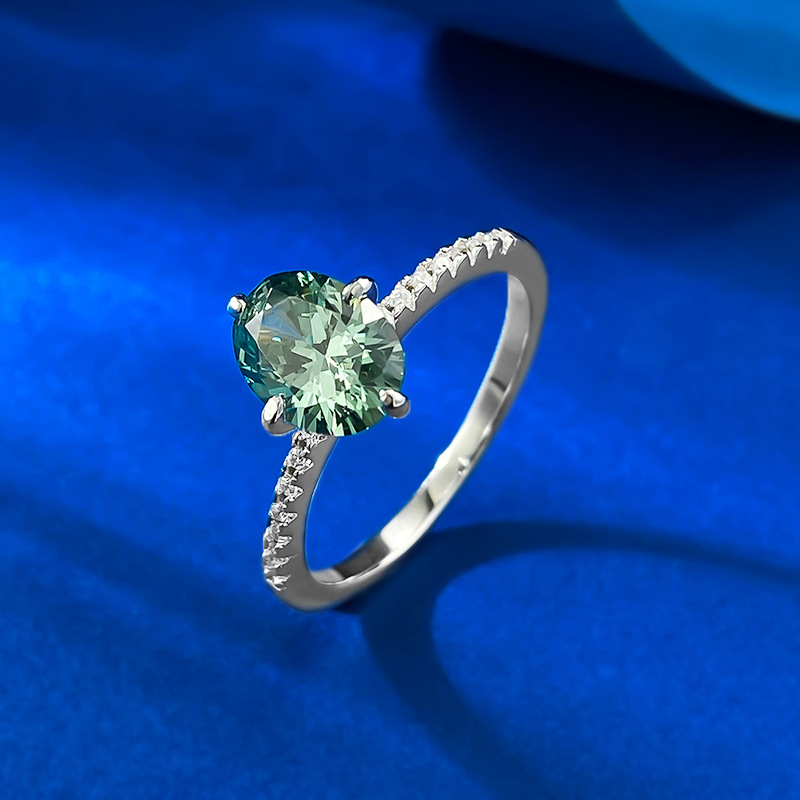
Pear Wedding Ring Set: How to Choose the Right Match
A Pear Wedding Ring set can look simple at first glance, but the shape changes the buying decision in a real way. The pointed tip, the length of the stone, and the way the band sits beside it all affect comfort and appearance. If you're comparing a pear wedding ring set, look past the sparkle and check the setting, band profile, and fit together.
The right pair should feel balanced from every angle. It should sit securely, protect the point, and make sense for your daily routine. Why choose a ring that looks good for one photo if it feels awkward every day?
Why a Pear Wedding Ring Set Needs Extra Planning
A pear-shaped center stone has a rounded end and a pointed tip, which gives it strong visual direction. That direction is part of the appeal, but it also means the ring needs more planning than a round solitaire. A pear wedding ring set has to manage the stone shape, the height of the setting, and the way the wedding band fits beside it.
Trying both rings on together usually gives a clearer answer than judging the engagement ring alone. A set that feels right in the tray can shift, pinch, or leave an odd gap on the hand. If the band looks fine in the box but never settles on your finger, does it really fit?
What the Point Changes
The pointed end is the part that needs the most protection. A secure prong, bezel detail, or well-built head can help keep the tip safe without making the ring look heavy. For a pear wedding ring set, that detail matters as much as the diamond itself because the point takes the most risk from bumps and snagging.
GIA guidance on fancy shapes is clear: symmetry, proportion, and the bow-tie effect all matter. IGI and GIA reports also list measurements like length, width, and depth, which tell you far more than carat weight alone. A pear with a length-to-width ratio around 1.45 to 1.60 often reads balanced, though a slimmer or fuller shape can work if it suits your hand.
How the Band Changes the Look
A straight band can leave a small gap, while a contour band follows the lower edge of the engagement ring. A chevron band can echo the pointed shape and add a little visual movement. Each option changes the mood of the pear wedding ring set, so the band should be chosen with the stone, not after it.
Band width matters too. A very thin band can disappear next to a bold pear shape, while a wide band can crowd the center stone. The cleanest result usually comes from matching the scale of the band to the ring head, then checking the stack from the side as well as the top.
How to Choose the Right Pear Wedding Ring Set
Start with the setting, then compare the band, the metal, and the stone proportions. That order keeps the choice practical and helps you avoid a pretty ring that wears badly. A pear wedding ring set should look finished, but it also needs to feel steady and comfortable after hours on the hand.
A good checklist is simple:
- Pick the level of visibility you want from the stone.
- Choose a setting that protects the point.
- Match the band profile to the ring shape.
- Compare metal color, upkeep, and durability.
- Review the stone report and exact measurements before you decide.
Setting Styles That Work Best
A solitaire puts the pear shape front and center. It is the cleanest look and often makes the stone appear larger. Halo, three-stone, and pavé styles add more shine, but they also bring more detail and more upkeep to a pear wedding ring set.
Setting height changes the feel just as much as the style. A higher head may work with a straight band and create more drama, while a lower head can feel sturdier and may need a contoured match. The right choice depends on whether you want everyday ease or a more elevated look.
Metal Color and Finish
Yellow gold gives warmth and a classic tone. White gold looks bright and cool, though it usually needs rhodium plating every 6 to 12 months if you want the finish to stay even. Rose gold softens the look, and platinum offers strong durability with a heavier feel.
The metal should match your habits, not just your style board. If you want less maintenance, yellow gold or platinum may make more sense. If you want a bright white look and don't mind periodic care, white gold can be a strong choice for a pear wedding ring set.
Stone Proportions That Read Well
Face-up size often matters more than hidden depth. Two stones with the same carat weight can look very different if one is deeper or longer. For a pear wedding ring set, that means the measurements deserve as much attention as the grading report.
Look for clean symmetry and a shape that feels intentional on the hand. A stone that is too skinny can make the point feel sharp, while one that is too wide can lose some of the teardrop grace. Ask to compare a few stones side by side so you can see how the ratios change the look.
Diamond Details Worth Checking
Fancy shapes are not judged the same way as round brilliants, so the report matters, but it is not the whole story. With a pear wedding ring set, the best-looking stone is usually the one that balances appearance, protection, and price without sacrificing the parts you can actually see on the hand.
Color, Clarity, and Cut
For color, many buyers land in the near-colorless range because it gives a bright look without paying a premium for top color grades. In white metal, an H or I color can still look very white to most eyes, especially once the stone is set. In yellow or rose gold, a slightly warmer color can blend in even better.
Clarity is more forgiving in pear shapes than in step cuts, but the inclusions still need to stay away from the center and the tip. VS1, VS2, and even some eye-clean SI1 stones can be smart values if the inclusions are not visible without magnification. For a pear wedding ring set, ask where the inclusions sit, not just what the grade is.
Cut is where shoppers often make the biggest mistake. Fancy shapes are not given a single cut grade by GIA the way many round stones are, so you need to look at the measurements, symmetry, polish, and face-up light performance. A pear with obvious bow-tie darkness in the center may look less lively than a stone with a slightly lower color or clarity grade.
Certification and Lab Reports
Buy a center stone with a grading report from a respected lab such as GIA or IGI if you want a clear record of the stone's measured characteristics. Those reports help you compare stones fairly and reduce the risk of paying for a diamond that looks better on paper than it does in person.
If the seller is offering a custom pear wedding ring set, ask for the exact stone report, the measurements in millimeters, and any treatment disclosures before you commit. If the ring is lab-grown, the report should say so clearly. If the seller cannot provide documentation, that is a warning sign.
Natural vs Lab-Grown
Lab-grown diamonds usually cost less for the same apparent size and quality, which can matter if you want a larger pear shape or a more elaborate band. Natural diamonds tend to hold the appeal of rarity and long-standing market recognition. Neither option is automatically better; the right answer depends on budget, values, and whether you want size or provenance to carry more weight.
For many shoppers, a lab-grown pear wedding ring set makes room in the budget for a better setting, stronger prongs, or a thicker band in platinum. That can be a smarter use of money than stretching for a natural stone with compromises elsewhere.
Matching a Band to a Pear Wedding Ring Set
The wedding band should support the engagement ring, not fight it. A contour band usually gives the cleanest fit, especially if the pear setting sits low or has strong shoulders. A straight band can still work if you like a small gap or want the set to feel a little more relaxed.
Think about what the band is doing visually. Is it hugging the stone, framing it, or giving the ring space to breathe? Each answer can be right, but each one creates a different pear wedding ring set.
Contour vs Straight
A contour band is the safer choice if you want the rings to sit close together. It follows the shape of the engagement ring and helps the set look planned from the side. A straight band can look clean and modern, but it may leave a gap that some buyers love and others can't ignore.
Many shoppers notice the fit change right away once they compare both styles on the same finger. If the band keeps tilting or the pair looks disconnected, the shape may be the issue rather than the size. The right pear wedding ring set should feel deliberate, not improvised.
Everyday Wear and Spacing
Spacing changes comfort more than most shoppers expect. Even a few millimeters can affect how the rings move together, especially if the engagement ring has a higher head. If the stack presses into the next finger or rotates through the day, the fit needs work.
Try the set on long enough to notice real wear, not just first impressions. Keep the rings on for at least 10 to 15 minutes and flex your hand a few times. That short test often reveals whether the pear wedding ring set will stay comfortable during a full day.
What Affects Price
Pricing varies widely because the cost depends on the center stone, the setting metal, the band style, and whether the ring is ready-made or custom. For a simple pear wedding ring set with a smaller lab-grown center stone and a straightforward setting, online pricing may start around the low four figures. With a larger natural diamond, pavé accents, and platinum, the total can move into the mid five figures quickly.
As a rough buying guide, many shoppers see lab-grown sets land in the $1,500 to $4,000 range when the stone size and setting are modest, while natural diamond sets often begin several thousand dollars higher depending on color, clarity, and carat weight. The biggest price jumps usually come from better cut performance, a larger face-up look, and more metal weight in the band or head.
Where the Money Goes
The center diamond is usually the largest cost, but not always the only meaningful one. A heavy platinum band, hand-set pavé, a custom contour match, or a higher-end setting can add real expense. If you want the best value, decide which details are essential before you compare listings.
One practical strategy is to balance the budget between stone and setting. A slightly smaller pear with strong proportions may look better than a larger one with poor symmetry. Likewise, a durable band and secure prongs can be worth more in daily wear than a few extra points of carat weight.
Fit, Care, and Long-Term Wear for a Pear Wedding Ring Set
Sizing matters more here because two rings affect each other. A ring that feels fine alone can feel tight, loose, or unstable once the band is added. If your fingers taper sharply or your knuckles are wider than the base of the finger, the fit needs extra care.
Use our engagement rings to compare styles, then try the ring builder if you want to test band shapes Before You Buy. If you want to learn more about diamond details, our diamond education page is a useful place to start.
Sizing Checks
A well-fitted ring should not pinch when your hand bends. It should also not spin so much that the pear tip drifts off center every few minutes. If that happens, the answer may be a size adjustment, a different head shape, or a better band match.
Ask direct questions during a try-on. Does the ring feel stable with your hand open and closed? Does the band rub against the next finger? Can you wear the pair for several hours without thinking about it every minute? A pear wedding ring set should support your routine, not interrupt it.
Maintenance and Inspection
Cleaning should be simple. Warm water, mild soap, and a soft brush are usually enough unless your jeweler gives different instructions. Dry the set fully before storing it, and keep it in a soft pouch or lined box so the rings don't scratch each other.
The tip deserves regular checks. Inspect the prongs around the point every few months, and have a jeweler look at the ring every 6 months if you wear it daily. That is especially important after resizing, polishing, or a period of heavy use. A secure pear wedding ring set stays beautiful longer because small issues get caught early.
Ordering, Shipping, and Returns
Before you place an order, check the terms as carefully as you check the diamond report. A good return policy matters because a pear wedding ring set can look different once it is on your hand, especially if you are comparing a straight band and a contour band side by side. Look for a return window of at least 14 days, and make sure the policy explains whether resized, engraved, or custom-made rings are final sale.
Shipping should also be insured and require a signature on delivery. That matters more for jewelry than for many other purchases because a valuable ring should not be left unattended. If the seller offers tracking, confirmation photos, or discreet packaging, that is a plus. Ask whether the item ships fully insured, and whether a separate inspection period begins when the ring is delivered or when it is first shipped.
Warranty and Service
A useful warranty does more than cover manufacturing defects on paper. It should clearly explain prong tightening, stone replacement policies, plating on white gold, and whether routine inspections are included. If the seller provides free annual cleaning or tightening, that can reduce the long-term cost of owning the set.
Get the resizing policy in writing Before You Buy. Some styles can be resized once without charge, while others cannot be altered without affecting the contour band or the pavé pattern. That detail is easy to miss and expensive to fix later.
Common Mistakes to Avoid
The easiest mistake is choosing the engagement ring and assuming any band will work later. Another is ignoring the pointed tip and trusting the setting at a glance. A third is buying a style that suits a display case but not real life.
- Don't choose a band shape without testing it with the ring.
- Don't skip the tip check just because the stone looks secure.
- Don't buy based on a 30-second try-on if you wear rings all day.
A pear wedding ring set should match your habits as well as your taste. If you work with your hands, wear gloves, or use your hands heavily, keep the profile lower and the setting more secure. If you want a dressier stack, you can go higher and brighter, but the tradeoff should be clear before you commit.
Another common error is overpaying for carat weight while ignoring shape quality. A slightly smaller pear with a cleaner outline, better symmetry, and less bow-tie effect can look more refined than a larger stone that feels awkward. The same logic applies to the band: a well-proportioned, comfortable band usually matters more than extra decoration you will barely notice after the first week.
FAQs About Pear Wedding Ring Sets
What wedding band works best with a pear engagement ring?
A contour or curved band usually gives the cleanest match because it follows the lower edge of the stone and helps the set sit closer together. A straight band can still work if the engagement ring sits high enough or if you like a small gap. The right choice depends on the shape of the ring and how you want your pear wedding ring set to look from the side.
Should the point face up or down in a pear wedding ring set?
Most people wear the point toward the fingertip because that follows the line of the hand. Some buyers choose the reverse direction for a softer or more unusual look, and that can work if the setting supports it. Comfort, symmetry, and your overall style should guide the choice, not habit alone.
Can a straight wedding band work with a pear-shaped ring?
Yes, a straight band can work if the setting leaves enough room or if you like a slight gap between the two rings. That gap can feel modern and clean instead of unfinished. If the pair feels awkward together, try a curved or chevron band before you rule out the pear wedding ring set.
How do I stop a pear-shaped diamond from spinning?
The best fix starts with the right size, a secure setting, and strong prongs around the point. If the ring still shifts, a jeweler can check whether the shank needs a small adjustment or whether the head should be reshaped. A stable pear wedding ring set should stay aligned without constant correction.
Is a contour band required for a pear-shaped engagement ring?
No, but it often gives the smoothest fit if you want the rings to sit closely together. A straight band can be a better choice if you prefer a simple look or plan to wear the wedding band on its own often. The best answer depends on your setting height, your daily routine, and how much separation you want in the stack.
How much should I expect to spend on a pear wedding ring set?
That depends on stone type, size, metal, and whether the design is stock or custom. Many lab-grown options fall in the low thousands, while natural diamond sets can climb much higher once you add better grades, platinum, or pavé detail. The most important thing is to compare the full finished ring, not just the center stone price.
What should I ask before ordering online?
Ask for the exact measurements, the diamond report, the return window, and the resizing policy. Confirm whether the images show the exact ring or a representative sample, and find out how the seller handles shipping insurance and signature delivery. Those details matter just as much as the style photos when you are choosing a pear wedding ring set.
Next Steps
A pear wedding ring set works best when the stone, band, metal, and fit are chosen together. The shape brings character, but the details decide whether the ring feels easy to wear. Compare the measurements, check the tip protection, and try the pair on before you decide.
If you want to keep comparing options, you can browse our engagement rings, build a custom stack, or read more diamond guides. You can also explore our jewelry collection if you're still narrowing down the style that fits your life best.
Ready to Find Your Perfect Diamond?
Explore our collection of certified lab-grown diamonds
Shop Diamonds