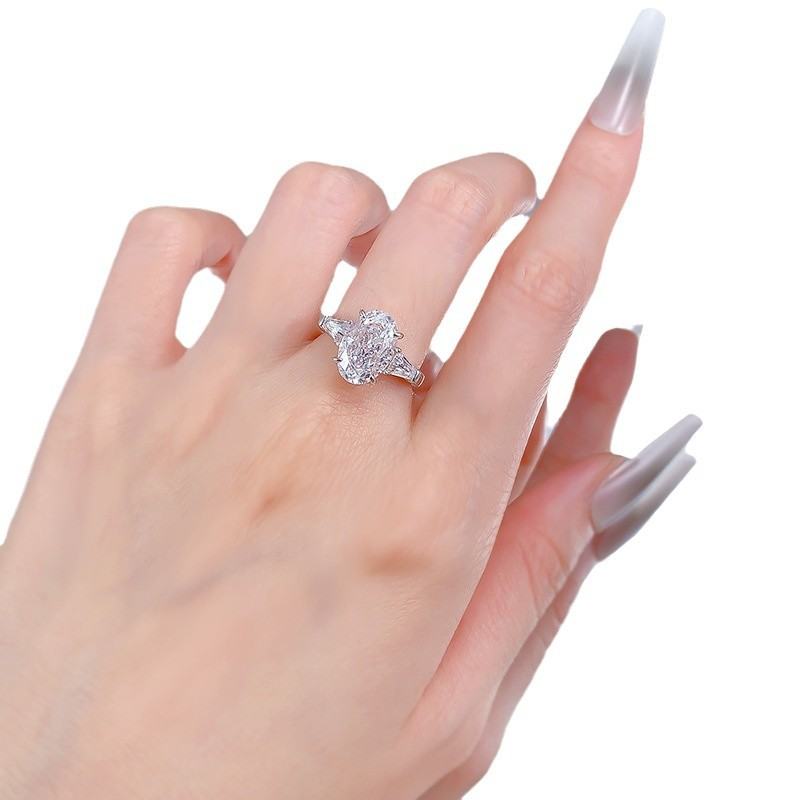
Pear Shaped Diamond Bezel Ring Setting Comparison for Everyday Wear
A Pear Shaped Diamond Bezel Ring Setting comparison answers a very real question: which setting looks beautiful and still protects the diamond's pointed tip? The pear cut is graceful, flattering, and a little dramatic, but that sharp end needs thoughtful metalwork.
At StoneBridge Jewelry, we've found that most shoppers aren't choosing between beauty and durability. They want both, and honestly, I think that's exactly the right instinct. This guide compares full bezel, partial bezel, east-west bezel, bezel halo, and prong-bezel hybrid settings by security, sparkle, comfort, visual size, and care.
Pear Shaped Diamond Bezel Ring Setting Comparison: The Quick View
A Pear Shaped Diamond bezel ring setting comparison usually starts with four main choices: full bezel, partial bezel, east-west bezel, and bezel-accented designs. Each one changes how the diamond looks, how it catches light, and how safely it wears.
A pear diamond has one rounded end and one pointed tip. That uneven outline gives the shape its charm. It also asks more from the setting than a round brilliant would.
Use these points as your short checklist:
- Security: Does the setting protect the tip, girdle, and outer edge?
- Sparkle: Does enough light reach the diamond?
- Visual size: Does the design make the stone look larger, longer, or more framed?
- Comfort: Does the ring sit low and avoid snagging?
- Care: Will lotion, soap, or debris collect in tight areas?
- Style: Does it feel modern, romantic, vintage-inspired, or bold?
I've helped many couples compare pear settings for engagement rings, anniversary upgrades, and surprise gifts, and the same question comes up again and again: "Will it hold up to real life?" That means errands, workouts, sweaters, travel days, kids, pets, and all the tiny knocks jewelry takes when you actually wear it.
Lab-grown pear shaped diamonds follow the same setting rules as mined diamonds. They have the same physical, chemical, and optical properties. If you're still choosing the center stone, compare StoneBridge lab-grown diamonds before you commit to a setting.
Why Bezel Settings Work Well for Pear Diamonds
A bezel setting holds the diamond with a thin rim of metal around all or part of the edge. A full bezel surrounds the entire pear shaped diamond. A partial bezel protects selected zones, often the tip and rounded end, while leaving more of the sides open.
This matters because the tip is the pear diamond's most exposed area. Bench jewelers often add a V-prong, bezel cap, or full bezel rim to protect fancy shapes with points, including pear, marquise, heart, and princess cuts.
Here's what nobody tells you at first: a pear diamond can look delicate, but the setting has to do a lot of quiet work. A beautiful tip that is left too exposed can catch on fabric, bump a countertop, or take pressure in a way a round diamond simply doesn't (trust me, I've seen it happen).
GIA does not assign a single cut grade to pear shaped diamonds the way it does for round brilliant diamonds. Instead, shoppers should review polish, symmetry, measurements, length-to-width ratio, color, clarity, and face-up beauty. Many pear diamonds fall between a 1.45 and 1.75 length-to-width ratio, with 1.50 to 1.65 often giving a balanced teardrop look.
Full Bezel Pear Shaped Diamond Settings
A full bezel is the most protective option in a pear shaped diamond bezel ring setting comparison. It wraps the entire edge of the stone, including the pointed tip, rounded end, and curved sides.
The look is clean and intentional. The metal draws a fine outline around the pear shape, almost like a custom frame. In yellow gold, it can feel warm and vintage-modern. In platinum or white gold, it often looks sleek and architectural.
Choose this setting if you wear your engagement ring every day and don't want to baby it. Full bezels suit healthcare workers, frequent travelers, parents, artists, and anyone who wears gloves or works with their hands.
The tradeoff is metal presence. A thick bezel can make the diamond look smaller. A thin, well-polished bezel can define the shape without weighing it down.
Full Bezel Pros and Cons
A full bezel gives the pear diamond the strongest edge coverage. It also creates a smoother surface, which lowers the chance of snagging on sweaters, hair, pockets, or bedding.
Pros:
- Strongest protection in a pear shaped diamond bezel ring setting comparison
- Excellent coverage for the pointed tip and girdle
- Smooth, low-snag feel for daily wear
- Often works well in low-profile designs
- Sharp, modern outline that emphasizes the pear shape
Cons:
- Shows more metal than prongs or partial bezels
- Can reduce the open, airy look some buyers prefer
- A heavy rim may make the stone look slightly smaller
- Resetting may require more skilled bench work
- Poor polish can make the setting look bulky
Our customers often choose full bezels for 1.50 carat, 2.00 carat, and larger lab-grown pear diamonds because the extra edge protection feels reassuring. A 2.00 carat pear may measure around 11 x 7 mm, though exact size varies by cut depth and ratio.
If the ring is meant for a proposal, a full bezel can also be a thoughtful choice. It says, in a quiet way, "I want this to be beautiful, but I also want you to wear it comfortably every day." That kind of practicality can be surprisingly romantic.
Partial Bezel Pear Shaped Diamond Settings
A partial bezel protects key areas while leaving other parts of the diamond open. Many designs guard the tip and rounded end, then expose the sides for a lighter look.
For many shoppers, this is the middle ground in a pear shaped diamond bezel ring setting comparison. You get more security than a traditional prong setting, but the diamond still feels open and bright.
Partial bezels can lean minimal, romantic, or classic depending on the band. A plain gold band feels clean. A pavé band adds sparkle. A cathedral profile makes the ring feel more traditional.
The key detail is the tip. If the point is exposed, the setting loses much of the benefit that makes a bezel appealing.
Partial Bezel Pros and Cons
Partial bezels vary more than full bezels. Some use two metal caps. Some blend a bezel with prongs. Others use a sculptural side frame that protects the stone without closing it in.
Pros:
- Strong balance of security and sparkle
- More open side view than a full bezel
- Lighter visual profile on the hand
- Good choice for buyers comparing bezel and prong settings
- Can protect the tip while keeping the ring elegant
Cons:
- Less complete edge protection than a full bezel
- Exposed areas may need closer inspection
- Some hybrid designs can still snag
- Tip security depends on precise metalwork
- Pavé versions require more maintenance
Choose partial bezel if you want practical protection without a heavy frame. It's a smart choice for 1.00 to 2.50 carat lab-grown pear diamonds where shape, finger coverage, and brightness all matter.
In my experience at StoneBridge, partial bezels are often the setting people fall for after trying on both extremes. They like the security of the full bezel, but they still want that little flash of open diamond from the side (yes, even on a budget).
East-West Bezel Pear Shaped Diamond Settings
An east-west setting turns the pear diamond sideways across the finger. The result feels less expected and more style-led. Want a ring that doesn't look like everyone else's? This is the version to try first.
A bezel works especially well with an east-west pear because it makes the horizontal layout feel deliberate. It also helps protect the pointed end, which could otherwise feel exposed.
This option can sit low on the hand, so it often feels comfortable for daily wear. It works as a nontraditional engagement ring, a right-hand ring, or a sleek anniversary piece.
In a pear shaped diamond bezel ring setting comparison, east-west designs win on personality. They are less classic than vertical solitaires, and that difference is exactly what many buyers love.
Honestly, I think east-west pear bezels are underrated. They feel confident without being loud, and they're especially good for someone who wants a diamond ring with a little edge but still wants it to feel polished enough for everyday wear.
Bezel Halo and Accent Band Settings
A bezel halo surrounds the center pear diamond with smaller diamonds. This creates a larger face-up look and adds extra shimmer around the center stone.
This style is useful if you like the security of a bezel but don't want a minimal solitaire. A halo can make a 1.50 carat pear diamond look more substantial on the finger, especially when the accent stones are scaled well.
Accent bands, hidden halos, and pavé details can also soften the metal-forward look of a bezel. They add brightness without exposing the center diamond's edge.
The tradeoff is care. Small accent stones should be checked by a jeweler every 6 to 12 months, especially on rings worn daily. IGI and GIA reports can verify the center stone, but the setting still needs routine inspection.
For wedding jewelry or a milestone gift, a bezel halo can feel celebratory without being fragile. There's a nice balance there: sparkle for the moment, structure for the years after.
Prong-Bezel Hybrid Pear Diamond Settings
A prong-bezel hybrid uses both open prongs and protective metalwork. The most useful versions reinforce the pear diamond's tip with a bezel cap or V-prong while keeping the sides more visible.
This is a good choice if you like classic engagement rings but want extra protection where it counts. It can feel delicate from the top and more secure from the side.
Quality matters here. A weak V-prong or uneven bezel cap can defeat the point of the design. Ask how the tip is protected and how often the ring should be inspected.
In a pear shaped diamond bezel ring setting comparison, hybrids sit between full protection and full openness. They don't protect as much as a full bezel, but they can offer more peace of mind than standard prongs.
I usually recommend hybrids to shoppers who keep saying, "I love prongs, but I'm nervous about the point." That's a fair concern, and a well-built hybrid can solve it without changing the whole personality of the ring.
Side-by-Side Setting Comparison
Use this pear shaped diamond bezel ring setting comparison to narrow your options before choosing metal, carat weight, and band style.
| Setting type | Main advantage | Possible drawback | Best fit |
|---|---|---|---|
| Full bezel | Highest tip and edge protection | More visible metal | Active lifestyles, low-snag wear, modern minimalists |
| Partial bezel | Balance of sparkle and security | Less total edge coverage | Buyers who want protection without bulk |
| East-west bezel | Distinctive, low-profile style | Less traditional | Nontraditional engagement rings and right-hand rings |
| Bezel halo | Larger look and extra sparkle | More accent stones to maintain | Sparkle-focused shoppers who want finger coverage |
| Prong-bezel hybrid | Classic openness with added tip support | Depends heavily on craftsmanship | Buyers who want a compromise between prong and bezel |
For most StoneBridge shoppers, the short list is simple. Choose full bezel for protection, partial bezel for balance, bezel halo for visual size, and east-west bezel for individuality.
Which Pear Shaped Diamond Bezel Setting Should You Choose?
The best setting depends on how you'll wear the ring. If you're hard on jewelry, start with protection. If sparkle matters most, keep more of the diamond open.
Choose a full bezel if you:
- Wear gloves often
- Travel frequently
- Work with your hands
- Want fewer snags
- Prefer a sleek, modern outline
Choose a partial bezel if you:
- Want tip protection without a full metal rim
- Prefer an airy setting
- Like classic rings with a practical update
- Want more side visibility
- Care about both sparkle and security
Choose a bezel halo if you want a larger look and more brilliance. Choose an east-west bezel if you want a personal, editorial design. Choose a hybrid if you love prongs but want reinforced tip protection.
If you're choosing this for someone else, especially for a proposal, think about their daily routine more than your own taste. Do they wear simple jewelry? Do they knock their hands around? Do they love bold design? The most meaningful ring is usually the one that feels like it was chosen with their real life in mind.
StoneBridge Expert Pick
The strongest all-around winner in this pear shaped diamond bezel ring setting comparison is a well-made full bezel pear shaped lab-grown diamond ring. It protects the tip, lowers snag risk, and gives the pear outline a clean finish.
The best sparkle-focused pick is a partial bezel with secure tip coverage. It keeps the diamond brighter from the sides while still improving everyday wear compared with many standard prong settings.
Metal choice changes both durability and mood. Platinum is naturally white and durable. 14k gold offers a practical balance of strength and value. 18k yellow or rose gold gives richer color and a softer luxury feel.
StoneBridge recommends professional inspections every 6 to 12 months for engagement rings, especially designs with pavé, halos, or hybrid prongs. Clean your ring at home with warm water, mild dish soap, and a soft brush. Avoid bleach, harsh chemicals, and rough scrubbing.
Ready to compare real designs? Browse StoneBridge engagement rings, review loose lab-grown diamonds, explore fine jewelry styles, or create your own pear diamond ring with the StoneBridge ring builder.
FAQ: Pear Shaped Diamond Bezel Ring Setting Comparison
Is a bezel setting good for a pear shaped diamond engagement ring?
Yes. A bezel setting is one of the best choices for a pear shaped diamond because it protects the pointed tip and outer edge. A full bezel gives the most coverage, while a partial bezel keeps the look lighter. If you plan to wear your ring every day, a bezel can make the design feel easier to live with.
Does a bezel setting make a pear shaped diamond look smaller?
It can, but it doesn't have to. A thick bezel may make the stone look more enclosed, while a thin, polished bezel can sharpen the pear outline beautifully. White metals often blend with colorless diamonds, while yellow and rose gold create more contrast. If visual size matters, compare millimeter measurements as well as carat weight.
Which is better for a pear shaped diamond, bezel or prong setting?
A bezel is usually better for protection and low-snag wear. Prongs usually create a more open, classic look with more exposed diamond edge. Because pear diamonds have a pointed tip, many shoppers prefer a full bezel, partial bezel, or prong-bezel hybrid. The right choice depends on whether you care more about durability or maximum openness.
What is the best pear shaped diamond bezel setting for an active lifestyle?
A full bezel is usually the safest choice for an active lifestyle. It surrounds the diamond edge and helps prevent the tip from taking a direct hit. A low-profile platinum or 14k gold setting is especially practical for daily wear. Plan a professional inspection every 6 to 12 months to keep the setting secure.
Are lab-grown pear shaped diamonds suitable for bezel settings?
Yes. Lab-grown pear shaped diamonds work very well in bezel settings because they share the same physical, optical, and chemical properties as mined diamonds. Many buyers choose lab-grown stones so they can select a larger carat weight or higher color and clarity within budget. Review a GIA, IGI, or other reputable grading report before purchase. Then match the stone with a setting that protects the tip properly.
Ready to Find Your Perfect Diamond?
Explore our collection of certified lab-grown diamonds
Shop Diamonds