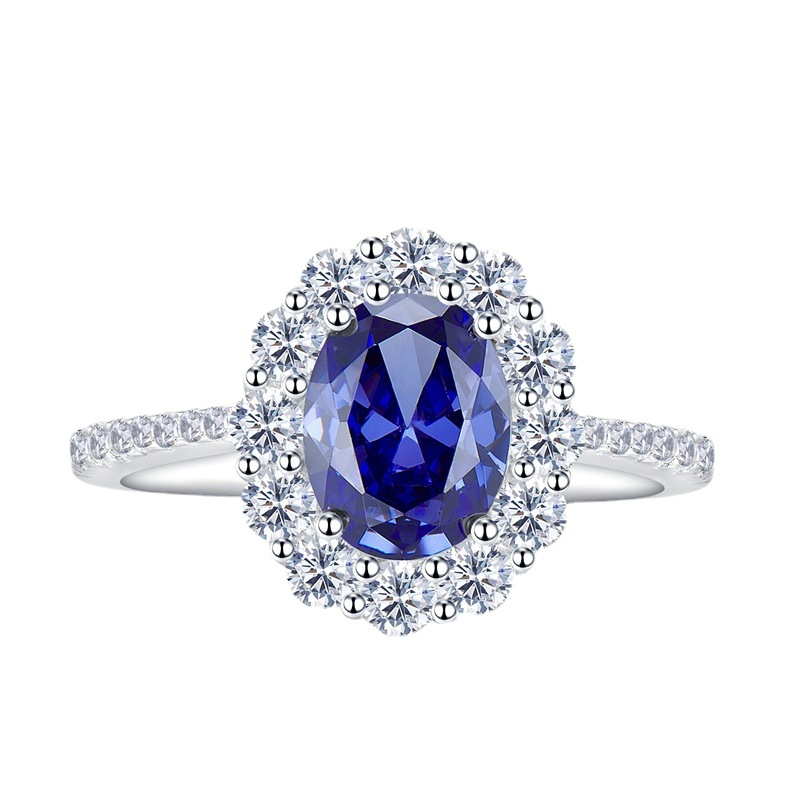
Pave Ring Setting Maintenance Cost: Compare, Care, and Buy Smarter
If you are comparing rings for daily wear, Pave Ring Setting maintenance cost belongs in the purchase decision from the start. Pave styles can look delicate and bright, but that sparkle usually comes with more upkeep than a solitaire or bezel. The right ring should Fit Your Budget, your routine, and your long-term plans.
That matters whether you are choosing an engagement ring, a wedding band, or a fine jewelry piece you plan to wear often. Pave Ring Setting Maintenance cost is not only about fixing damage after it happens. It also reflects the service needed to keep small stones secure, the finish clean, and the setting strong enough for regular use.
What Pave Ring Setting Maintenance Costs Mean for Buyers
A pave setting uses many small diamonds or gemstones set closely together across the band. GIA describes pavé as a style with numerous tiny stones held by small beads or prongs, creating a bright, continuous surface. That look is a major reason shoppers love it, but it also means more individual points that need attention over time.
Compared with a solitaire, which has a single center stone, or a bezel, which surrounds the stone with metal, a pave ring has more tiny parts that can loosen, snag, or wear down. That is why pave ring setting maintenance cost tends to run higher over the life of the ring. More stones mean more inspection points, more labor, and a greater chance that a small issue becomes a repair if it gets ignored.
There are three parts to understand Before You Buy:
- Routine maintenance: cleaning, inspection, and minor tightening.
- Preventive care: steps that reduce future damage, such as scheduled checks and careful wear habits.
- Actual repairs: stone replacement, prong work, rebuilding worn sections, or refinishing the metal.
Pave ring setting maintenance cost should be treated as part of ownership value. A ring that needs modest service but keeps its beauty and structure may still be the better buy than a cheaper design that loses stones often or starts to feel rough after a year of daily wear.
This guide is useful for shoppers comparing engagement rings, wedding bands, and fine jewelry for everyday use. If you are deciding between explore our engagement rings, shop our lab-grown diamonds, or browsing a band for daily wear, the maintenance picture belongs in the comparison.
How Pave Ring Maintenance Works
Most pave ring upkeep follows a simple pattern: inspect, clean, tighten, and protect. Pave ring setting maintenance cost stays manageable when small issues are caught early, because tiny repairs usually cost far less than replacing multiple stones or rebuilding a worn section.
Common maintenance tasks
- Prong tightening: a jeweler checks the tiny metal beads or prongs that hold each stone.
- Stone inspection: loose, chipped, or missing melee stones are identified before they fall out.
- Cleaning: oil, soap film, and lotion residue are removed so the stones can shine properly.
- Polishing: surface scratches and dull spots are reduced.
- Rhodium replating: white gold pieces may need a fresh rhodium finish to restore brightness.
Why small stones need extra care
Pave designs often use melee stones in the 1.0 mm to 1.5 mm range, and sometimes even smaller. Those stones can hold up well in normal use, but the metal that holds them is tiny too. Repeated rubbing against clothing, desk edges, bags, gym equipment, or car interiors can slowly wear the prongs down. Once that happens, pave ring setting maintenance cost can rise quickly because one loose stone may lead to a chain of follow-up repairs.
The risk is higher if the ring sits high off the finger. A taller profile catches more often, which can stress the setting. Lower-profile pave rings usually wear better, though they still need checks. Daily wear matters too. A ring worn every day will usually need more frequent service than one reserved for special occasions.
How wear patterns change by metal type
Metal choice changes how the ring ages.
- Platinum is dense and resists wearing thin as quickly, though it can still show surface scratches and may need polishing.
- White gold often needs rhodium replating to keep a bright white look.
- Yellow gold and rose gold do not need rhodium, but they can still wear at the prongs and edges.
The style of pave also matters. Micro-pavé and very fine pavé tend to use smaller stones and more delicate work, which can increase pave ring setting maintenance cost over time. Shared-prong pave can hold larger stones a little more securely, while full pavé usually creates more exposure because more of the band is covered in stones.
As a practical baseline, an inspection every 6 to 12 months works well for daily-wear rings. If the ring sees hard use, sooner is better. That schedule helps keep pave ring setting maintenance cost predictable instead of reactive.
Typical Pave Ring Setting Maintenance Cost Breakdown
This is where pave ring setting maintenance cost becomes easier to compare. Service prices vary by region, metal, and complexity, but most buyers can use broad ranges to plan ahead.
Typical service ranges
| Service type | Typical cost range | What it covers |
|---|---|---|
| Inspection and cleaning | $0 to $75 | Visual check, ultrasonic or steam cleaning, minor assessment |
| Minor tightening | $25 to $100 | Securing one or a few loose stones |
| Single stone replacement | $50 to $250 per stone | Replacing a lost melee stone and resetting it |
| Polishing and finish refresh | $30 to $120 | Surface cleanup and shine restoration |
| Rhodium replating | $60 to $150 | Brightening white gold surfaces |
| Small prong repair | $75 to $200 | Repairing worn or bent holding points |
| Partial rebuild | $150 to $500+ | Restoring a damaged section of pave |
| Full setting rebuild | $800 to $2,500+ | Major restoration or replacement of the setting structure |
These numbers are only ranges, but they show the shape of the decision. Pave ring setting maintenance cost is usually low when the work is preventive. It rises when a stone has already gone missing, a prong has worn through, or the setting has become thin from years of friction.
What is low-cost versus expensive
A cleaning and inspection visit is usually the least expensive part of ownership. It may even be included with some jeweler service plans or purchase warranties. Small tightening is also modest compared with a lost-stone repair.
A single stone replacement is still manageable for most buyers, especially if the diamond is melee size and the matching stone is readily available. Once multiple stones are missing, pave ring setting maintenance cost starts to move into a different range. Labor Matters More Than the stone itself, because matching, setting, and finishing take time.
The most expensive bills usually come from structural work. If the band is thinning, if the pave line has opened up, or if the ring has been bent, the jeweler may need to rebuild a section instead of simply resetting stones. That kind of repair can still be worth it on a ring with strong sentimental or resale value, but it changes the ownership math.
A simple repair-or-replace framework
Use this framework when a jeweler gives you an estimate:
- Repair it if the issue is isolated and the setting is still structurally sound.
- Refresh it if the ring needs polishing, tightening, or a new finish but no major rebuilding.
- Replace the setting if repeated repairs are adding up, the band is thin, or the design no longer fits your routine.
That decision matters because pave ring setting maintenance cost is not just a service line item. It can help you decide whether a ring still offers good long-term value.
What Changes the Cost of Pave Ring Care
Pave ring setting maintenance cost is shaped by the design details you choose at purchase. Two rings can look similar at first glance and still have very different service needs later.
Metal choice, stone size, and stone count
More stones usually mean more points of possible failure. A wide full-pavé band with many tiny diamonds can take longer to inspect and repair than a slimmer ring with a short pavé section. More labor means higher cost.
Stone size matters too. Very small melee stones are less expensive to replace individually, but they are also easier to lose and harder to handle. A ring with a larger accent pattern may cost more per stone, yet it can sometimes be easier to service because the work is less delicate.
Metal also shifts pave ring setting maintenance cost. Platinum can be a strong option for daily wear because it holds volume well, while white gold may need periodic rhodium replating to keep the finish bright. Rose gold and yellow gold can be practical choices too, especially if you want to avoid plating costs.
Wear frequency and lifestyle
The way you wear the ring may matter more than the design on paper. If you type all day, lift weights, garden, cook, or work with your hands, the ring sees more contact. That extra contact can loosen stones over time. A ring worn only on special occasions may need less servicing, which lowers pave ring setting maintenance cost over the years.
Daily habits also play a role. Hand sanitizer, lotion, cleaning products, and rough towels can dull the finish. Sleeping with the ring on can do the same, especially if it catches on sheets or bedding. Small habits like these can raise your maintenance frequency without you noticing.
Jeweler labor, location, and coverage
Local labor rates can vary widely. A jeweler in a high-rent city may charge more than one in a smaller market. Complex custom work usually costs more than straightforward service too.
Warranty coverage can change the equation. Some retailers include inspections, tightening, or simple cleaning with purchase. Others offer limited warranties that only cover manufacturing defects. Read the terms carefully. A warranty that excludes normal wear may not do much for pave ring setting maintenance cost after the first year or two.
If you are comparing rings, ask for service terms Before You Buy. That can reveal whether a lower sticker price is actually the better deal.
How to Lower Long-Term Maintenance Expenses
The easiest way to reduce pave ring setting maintenance cost is to stop small problems from becoming big ones. Preventive care saves more than emergency repairs.
Care habits that help
- Store the ring separately in a soft pouch or lined box.
- Remove it before workouts, lifting, yard work, and heavy cleaning.
- Rinse it gently with mild soap and warm water when residue builds up.
- Avoid harsh chemicals, bleach, and abrasive scrubbers.
- Check the ring visually every few weeks for rough edges, dark gaps, or missing stones.
These habits sound basic, but they make a real difference. If a ring is knocked against hard surfaces less often, pave ring setting maintenance cost usually stays in the routine range instead of climbing into repair territory.
Why inspections pay off
A regular inspection is one of the best buys in jewelry care. A jeweler can spot worn prongs, lifted stones, and hairline damage long before you can see them. That is especially valuable for pavé, because a tiny loose stone can disappear quickly once it starts moving.
Industry professionals often recommend a service check every 6 months for frequently worn pieces. If you wear the ring every day, that timing is practical. If you wear it less often, once a year may be enough. Either way, the goal is the same: keep pave ring setting maintenance cost predictable and avoid surprise rebuilds.
Insurance, warranties, and service plans
Insurance can be useful if your ring is valuable or if your lifestyle raises the risk of loss. A policy may not lower routine maintenance prices, but it can soften the blow if a stone is lost or the ring is damaged.
Service plans and warranties can help too, especially if they include regular checks, cleaning, or limited repair coverage. Compare the plan cost against your expected wear. A plan makes sense when the ring is delicate, frequently worn, or expensive enough that even one major repair would hurt.
Pave ring setting maintenance cost is easier to manage when you spread the risk out over time. A small annual service habit is usually cheaper than waiting for a missing-stone emergency.
How to Choose a Pave Ring Setting With Better Value
The best value is not always the cheapest ring. The best value is the one that balances beauty, comfort, durability, and pave ring setting maintenance cost in a way that Fits Your Life.
Compare pave with durable alternatives
Pave is still a strong choice if you want maximum sparkle and a refined look. Still, it helps to compare it with other settings:
- Solitaire: lowest maintenance, cleanest structure, simplest upkeep.
- Bezel: very secure, good for active wear, less open sparkle.
- Channel setting: strong for accent stones, smoother edges, often easier to protect.
- Shared-prong setting: elegant and bright, but still needs inspection.
- Full pavé: highest visual impact, usually the most maintenance-sensitive.
If you want the shimmer of pavé without the highest service burden, a partial pavé band can be a smart middle ground. It gives you shine on top where you see it most, while leaving the underside simpler and easier to maintain.
Match the setting to the wearer
A pave ring setting should fit the person who will wear it, not just the photo in the listing. If the wearer wants sparkle and is comfortable with periodic care, pavé can be a wonderful option. If the wearer works with hands, travels often, or dislikes jewelry maintenance, a more protected setting may offer better value.
Comfort matters too. Smooth inner edges, lower profiles, and secure stone placement make daily wear easier. Those choices can reduce snagging and, in many cases, lower pave ring setting maintenance cost over time.
Why StoneBridge Jewelry is a strong fit
StoneBridge Jewelry focuses on well-crafted lab-grown diamond Rings and Fine Jewelry designed to help shoppers compare style and service with confidence. If you are weighing aesthetics against upkeep, that balance matters. A thoughtfully built ring should look refined and still make sense for the long run.
Use our tools to compare options Before You Buy. You can try our ring builder to explore setting styles, learn about ring sizing so the fit stays secure, and browse our jewelry collection for designs that fit different wear patterns and budgets.
If you want a bolder look with a clear service picture, start with rings that use stronger structure where possible and use pavé where it adds the most visual return. That approach keeps pave ring setting maintenance cost in check without giving up the style shoppers want.
The best purchase is the one that feels good now and still feels smart after years of wear. Compare the details, ask about service coverage, and choose the Ring That Fits your life today and the way you plan to wear it tomorrow.
FAQ
How much does pave ring setting maintenance cost on average?
Routine service is usually the least expensive part of ownership, while stone replacement and structural work cost more. The exact amount depends on the setting style, metal, wear level, and whether the ring needs simple tightening or a more involved restoration. Pave ring setting maintenance cost often starts with a low-cost inspection, then increases if a stone is loose or missing.
How often should a pave ring be checked by a jeweler?
Most pave rings should be inspected regularly, especially if worn daily. A 6 to 12 month checkup is a practical baseline, and high-wear pieces may benefit from even more frequent attention. Regular checks help control pave ring setting maintenance cost because problems are handled before they spread.
Why do pave ring settings cost more to maintain than other settings?
Pave settings use many small stones and delicate holding points, so there are more places for wear to show up. That means more inspections, more labor, and a higher chance of needing small repairs over time. For buyers who want sparkle, pave ring setting maintenance cost is the tradeoff for that detailed look.
Is it cheaper to repair a loose pave stone or replace the whole ring?
In many cases, repairing a single loose stone is much more affordable than replacing the ring. Replacement only becomes practical when the setting is heavily worn, structurally compromised, or repeatedly failing. A jeweler can usually tell you whether pave ring setting maintenance cost is still reasonable or whether the ring needs a larger fix.
What is the best way to reduce pave ring repair costs?
Preventive care is the biggest cost saver: remove the ring during hard use, clean it gently, store it safely, and schedule routine inspections. Warranty coverage or insurance can also help limit unexpected expenses. The more consistently you manage the ring, the easier it is to keep pave ring setting maintenance cost under control.
Choose the Right ring, protect it well, and the value can last. If you are ready to compare styles, explore our engagement rings, shop our lab-grown diamonds, or contact our team for help selecting a setting that fits your budget and lifestyle.
Ready to Find Your Perfect Diamond?
Explore our collection of certified lab-grown diamonds
Shop Diamonds