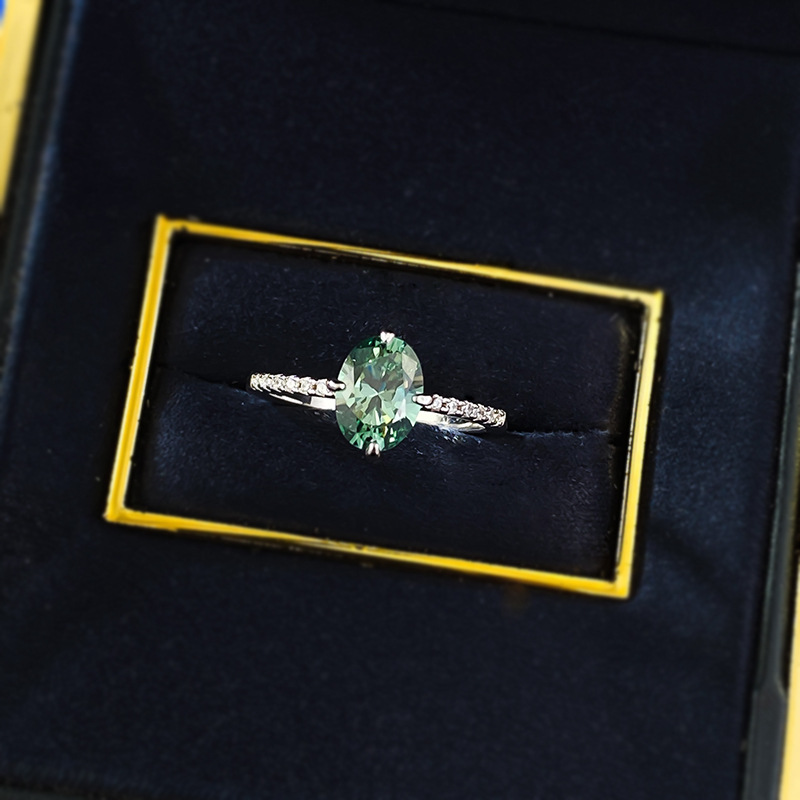
Oval vs Round Lab-Grown Diamonds for Engagement Rings: Which Fits You?
Choosing between oval vs round lab-grown diamonds for engagement rings usually starts with one simple question: what do you want the ring to look like on the hand? Round diamonds tend to give the most even sparkle. Oval diamonds often look larger for the same carat weight and create a softer, longer line. If you are torn between the two, you are in good company.
Lab-grown diamonds make the comparison easier because you can weigh shape, size, and price with more flexibility. I have helped hundreds of couples compare these two shapes, and the same pattern comes up again and again: some people want the safest light performance, while others want a little more finger coverage for the budget (yes, even on a budget, the right ring can still feel luxurious). For most couples, oval vs round lab-grown diamonds for engagement rings is less about right or wrong and more about which style feels right day after day. The real difference comes down to how the shape changes both appearance and value.
Why the Shape Choice Matters
The center stone does more than set the style of the ring. It affects sparkle, finger coverage, budget, and how the ring wears over time. That is why oval vs round lab-grown diamonds for engagement rings is one of the first decisions to make.
Round diamonds feel timeless and balanced. Oval diamonds feel a little softer and a bit more current. Neither shape wins in every case. The better choice is the one that matches the wearer’s taste, hand shape, and the setting you have in mind.
A simple way to think about oval vs round lab-grown diamonds for engagement rings is this: round is usually the safer classic, while oval can give more visual size without increasing carat weight. That tradeoff matters most when the budget is fixed.
Lab-Grown Basics: What You’re Actually Comparing
Lab-grown diamonds are real diamonds. They share the same crystal structure as mined stones, and they rate 10 on the Mohs scale, just like natural diamonds. The difference is where they form, not what they are.
GIA explains that cut has the biggest effect on how bright a diamond looks. IGI grading reports also list measurements, polish, symmetry, and growth method, which makes side-by-side comparison much easier. Those details matter because two diamonds with the same carat weight can look very different once they are set. In my 10 years at StoneBridge, I have seen shoppers fall in love with a stone online, then change their mind the moment they compare the actual measurements (trust me, it happens fast).
CVD vs HPHT
Most lab-grown stones come from CVD or HPHT growth. CVD, or Chemical Vapor Deposition, grows diamond layer by layer from a carbon-rich gas. HPHT, or High Pressure High Temperature, recreates the heat and pressure found underground.
Both methods can produce beautiful stones. For most shoppers, the growth method matters less than the finished cut, though it can affect price and availability. If you want a cleaner comparison, ask for the grading Report Before You commit.
Why Cut Still Runs the Show
A round brilliant usually has 57 or 58 facets, and that facet map is built to return light well. An oval uses a different layout, so even a small shift in proportion can change the look. That is why the same carat weight can feel very different from one stone to the next.
In oval vs round lab-grown diamonds for engagement rings, round usually gives the more predictable sparkle. Oval can be beautiful too, but it needs tighter proportion control. If the cut is off, the stone can look flat in the middle or show a dark center band. Honestly, I think this is the part shoppers underestimate most.
Recommended Specs to Start With
If you are comparing diamonds online, a good starting spec range can save time. For round lab-grown diamonds, many buyers prioritize an Excellent or Ideal cut grade, Very Good to Excellent polish, and Very Good to Excellent symmetry. A well-cut round often gives the most reliable sparkle, even before you get into color or clarity.
For oval diamonds, there is no single universal cut grade system that tells the whole story, so proportions matter more. A classic oval often falls around a length-to-width ratio of 1.35 to 1.50, with many shoppers preferring something near 1.38 to 1.45 for a balanced look. Some like a chunkier oval, others want a more elongated shape. The right ratio is the one that looks natural on the wearer’s hand.
In terms of color, D-F is the safest choice if you want a bright white look in any metal. G-H often looks excellent to the eye and can be a smart value zone, especially in yellow or rose gold. For clarity, VS1-VS2 is usually a sweet spot for eye-clean appearance, though some SI1 stones can be fine if the inclusions are small and well placed. That is one of the easiest ways to make oval vs round lab-grown diamonds for engagement rings more budget-friendly without sacrificing beauty.
Oval vs Round Lab-Grown Diamonds for Engagement Rings: Sparkle and Size
Round diamonds are known for strong, even brilliance. Their shape gives the eye a clean circle of light, and that consistency is part of the appeal. If someone wants the brightest, most familiar look, round usually sits near the top of the list.
Oval diamonds tell a different story. They stretch across the finger, so they often look larger than a round stone of the same carat weight. A 1.50-carat round often measures about 7.4 to 7.8 mm across, while a 1.50-carat oval may measure around 8.6 x 6.1 mm. That extra spread can make a real difference on the hand.
In oval vs round lab-grown diamonds for engagement rings, oval tends to win on spread while round wins on consistency. That is one reason shoppers keep comparing oval vs round lab-grown diamonds for engagement rings. The bow-tie effect is the main thing to watch in ovals. A light shadow can be normal, but a heavy dark band can weaken the look. Ask for videos in bright light and softer indoor light so you can see how the stone behaves in different conditions.
Round Diamonds: Steadier Fire
Round diamonds are easier to predict. The shape has been refined for decades, and it tends to show strong fire, sparkle, and balance from many angles. That is why many buyers choose round when they want a stone that feels classic and looks lively in nearly any setting.
Round diamonds also show the full outline cleanly. The shape stays neat and symmetrical, which gives the ring a polished, familiar look. If you want a ring that feels effortless and timeless, this shape makes that choice easy.
Oval Diamonds: More Spread on the Hand
Oval diamonds usually offer better finger coverage for the same budget. The longer outline can make the hand look a bit slimmer, and the stone can feel more substantial without adding carat weight. That is a big reason shoppers keep comparing oval vs round lab-grown diamonds for engagement rings.
Many customers choose oval when they want presence without a jump in price. The shape can look elegant, romantic, and slightly unexpected. It works especially well if the wearer likes a graceful line rather than a perfectly circular outline.
Bow-Tie and Symmetry
A well-cut oval should look bright across the center, not shadowy. The ends should feel balanced, and the sides should curve smoothly. If the shape looks stretched, pinched, or uneven, keep shopping.
Round diamonds still need good symmetry too. A poorly cut round can lose sparkle fast, even though the shape has a strong reputation. So do not choose by shape alone. Choose the actual stone.
Price, Value, and Budget
Price is one of the clearest differences in oval vs round lab-grown diamonds for engagement rings. Round diamonds often cost more because demand is higher and the cut can waste more rough material. In many lab-grown listings, a round of similar quality may run about 10% to 25% more than an oval.
That does not make oval better in every case. It does mean oval can stretch a budget further if you care about visible size. If budget matters, oval vs round lab-grown diamonds for engagement rings often points to oval because the shape can look bigger for less. If you want the best value, compare face-up measurements, not just carat.
Price per Carat
Carat tells you weight, not visual spread. A diamond with a larger face-up size can look more impressive than a heavier stone with a tighter outline. That is why carat alone can be misleading.
When you compare oval vs round lab-grown diamonds for engagement rings, look at the millimeter measurements first. Then check color, clarity, and cut quality. That order gives you a more realistic read on value.
Value Beyond Carat
A smart comparison should include:
- Face-up measurements
- Cut, polish, and symmetry grades
- Color and clarity
- Certification from GIA or IGI
- The setting cost and how it changes the final look
If you want to browse options, start with our lab-grown diamonds and compare the measurement charts. A good listing makes the choice much easier.
Metal Choices and Setting Details
The metal you choose can change how both shapes read on the hand. Platinum gives a crisp, bright frame and works well if you want a cool-toned, high-contrast look. It is also durable for daily wear, which is helpful if the ring will see a lot of activity. White gold gives a similar look at a lower price point, though it may need periodic rhodium plating to stay bright.
Yellow gold can make both oval and round lab-grown diamonds feel warmer and more traditional. It is especially flattering if the wearer likes a softer, vintage-inspired style. Rose gold adds a romantic blush tone and can make G-H color stones look slightly warmer in a flattering way. If you are choosing between oval vs round lab-grown diamonds for engagement rings in a warm metal, yellow or rose gold can soften the contrast and create a very wearable look.
Prong style matters too. Four-prong settings expose more of the stone and can make an oval feel open and airy. Six-prong settings can add a little more security to a round diamond and make the outline look especially complete. If the wearer is active or hard on jewelry, a bezel or semi-bezel setting protects the edges better, though it changes the overall look.
Setting height is another practical detail. Higher settings let in more light, but they can catch on clothing. Lower settings feel more comfortable for daily wear and are less likely to snag. If someone works with their hands, I usually suggest balancing sparkle with profile instead of chasing the tallest possible setting.
Which Shape Fits the Ring and the Wearer?
Style often makes the final call. Round diamonds work with almost every setting, from a slim solitaire to a detailed halo. Oval diamonds can feel especially graceful in settings that let the length show.
The right choice also depends on daily wear. If the wearer uses their hands a lot, a lower-profile setting may matter more than the shape itself. If the goal is a ring that looks polished and classic for years, round is hard to beat.
Best Settings for Oval Diamonds
Oval diamonds shine in settings that protect the outline and keep the stone bright. A solitaire lets the shape lead. A hidden halo adds sparkle without crowding the center. An east-west mount turns the stone sideways for a more fashion-forward look.
For oval vs round lab-grown diamonds for engagement rings, the best setting is the one that lets the stone breathe. Popular oval-friendly settings include:
- Slim solitaire
- Hidden halo
- East-west setting
- Pave band
If you are still browsing, explore engagement rings to see how different settings change the same diamond shape. A small setting change can make the oval feel more elegant or more modern.
Best Settings for Round Diamonds
Round diamonds are the easiest shape to style. They look natural in solitaires, halos, and three-stone designs. The circular outline keeps the ring balanced, so the setting can add detail without fighting the center stone.
Round stones also pair well with decorative bands and side stones. The shape stays centered and clean, which helps the ring feel timeless. If the goal is a traditional look, round usually gives you exactly that.
Finger Shape and Daily Wear
Oval diamonds can lengthen the look of shorter fingers because the eye follows the long axis. Round diamonds feel more even and universal. Either one can look great, but the effect on the hand is different.
If you want to see the shape on a full ring design, use the ring builder Before You Buy. That makes it easier to compare how each center stone sits with different bands and prong styles.
Ring Size, Comfort, and Resizing
Engagement rings are usually worn every day, so comfort matters as much as style. If the wearer is between sizes, it is often better to choose the slightly larger size for a comfort fit, especially if the band is wider than 2 mm. Wider bands can feel tighter than slim ones, and fingers can swell slightly in warm weather or during travel.
Be careful with settings that limit resizing. Full eternity bands, heavy pavé around the entire shank, or very intricate gallery work may be harder to adjust later. If you are uncertain about the exact size, ask about resizing limits before ordering. This is one of the easiest details to overlook when comparing oval vs round lab-grown diamonds for engagement rings, yet it affects how wearable the ring feels long term.
A good jeweler will also help you think about stackability. If the engagement ring needs to sit next to a wedding band, the height, width, and contour of the center setting matter. A ring that looks beautiful alone may not sit flush with a band unless it is designed for that from the start.
How to Choose Oval vs Round Lab-Grown Diamonds for Engagement Rings
Start with the wearer, not the stone. Do they want classic sparkle, or do they want more spread and a softer outline? Once you know that, the rest gets easier.
Then compare stones with the same color and clarity grades. A cleaner comparison reveals the real difference between oval vs round lab-grown diamonds for engagement rings. It also keeps you from paying for a shape preference that hides a weak cut.
What to Read on a Grading Report
A grading report should show more than carat weight. Look at exact measurements, cut quality, polish, symmetry, color, clarity, and the growth method. Those details help you compare two stones that may look similar online.
Ask for a GIA or IGI report whenever possible. That gives you a clearer trail back to the stone you are buying. It also helps you spot a diamond that looks great in a listing but loses its appeal in real light.
How to Compare Stones Side by Side
Look at an oval and a round under daylight, office light, and warm indoor light. Ask which one looks bigger, which one sparkles more, and Which One Feels more like the wearer. If the oval shows a heavy dark center, keep looking.
Here is a simple checklist:
- Compare millimeter size, not just carat.
- Check symmetry and polish.
- Review videos, not only photos.
- Look for a strong but natural sparkle pattern.
- Match the shape to the ring setting you want.
A smart shopper treats oval vs round lab-grown diamonds for engagement rings as a visual decision first and a price decision second. That keeps the focus on what will actually be worn every day.
Shipping, Returns, and What to Ask Before Ordering
Before You Buy, check the practical policies, not just the photos. Insured shipping matters because the ring or loose diamond should be covered from the moment it leaves the jeweler until it is delivered. A good retailer will also require a signature on delivery, which protects both sides.
Returns and exchanges deserve a close read too. Look for a window of at least 14 to 30 days, and confirm whether the item must be unworn and in original condition. If the ring is custom made, return policies are often more limited. Ask whether the company offers one complimentary resize, and whether there are restocking fees. These details can matter just as much as the diamond specs.
It also helps to ask whether the ring will arrive with a diamond grading report, appraisal paperwork, and care instructions. If you are buying a loose stone, confirm that the setting work is compatible with the stone’s measurements before the purchase is finalized. The more a seller can tell you about the exact stone, the less guesswork you have to do.
Common Mistakes to Avoid
One common mistake is buying the biggest carat number and stopping there. Bigger does not always mean better, especially if the cut is weak or the shape looks awkward on the hand. Another mistake is trusting studio photos alone.
For oval diamonds, the biggest risk is a strong bow-tie or a stretched shape with poor balance. For round diamonds, the main mistake is assuming every round sparkles the same. Cut still decides how the stone behaves.
Another frequent mistake is ignoring the setting budget. Some buyers allocate nearly everything to the center stone and then feel forced into a thinner or less secure setting than they wanted. A more balanced budget usually leads to a better finished ring. Also, do not forget maintenance. White gold may need replating, pave bands can loosen over time, and delicate prongs should be checked periodically.
If you are comparing several styles, browse our jewelry collection for matching ideas and setting inspiration. It helps to see the center stone in a full design before you make the final call.
Care and Long-Term Wear
Lab-grown diamonds are durable, but the ring still needs routine care. Remove it during heavy lifting, gardening, workouts, and cleaning with harsh chemicals. Soap, lotion, and oils can build up on both oval and round stones and dull the brilliance faster than people expect.
A simple at-home cleaning routine goes a long way: warm water, mild dish soap, and a soft brush around the setting and under the center stone. Rinse carefully and dry with a lint-free cloth. For a deeper clean or a prong check, bring the ring to a jeweler every six to twelve months, especially if it has pavé or a higher basket.
For oval vs round lab-grown diamonds for engagement rings, long-term care is similar, but oval settings sometimes need extra attention because the longer shape can be more exposed at the tips. A well-made setting should protect the points and keep the stone centered, so inspect the ring if it gets knocked.
The final choice in oval vs round lab-grown diamonds for engagement rings should feel personal, practical, and easy to wear. If the decision still feels close, I usually tell couples to choose the one that makes the wearer smile first. A proposal, a wedding, or a gift like this should feel warm and deeply personal, not overly technical. Need help narrowing it down? Talk with a jeweler who can compare actual stones, not just specs.
Ready to Find Your Perfect Diamond?
Explore our collection of certified lab-grown diamonds
Shop Diamonds