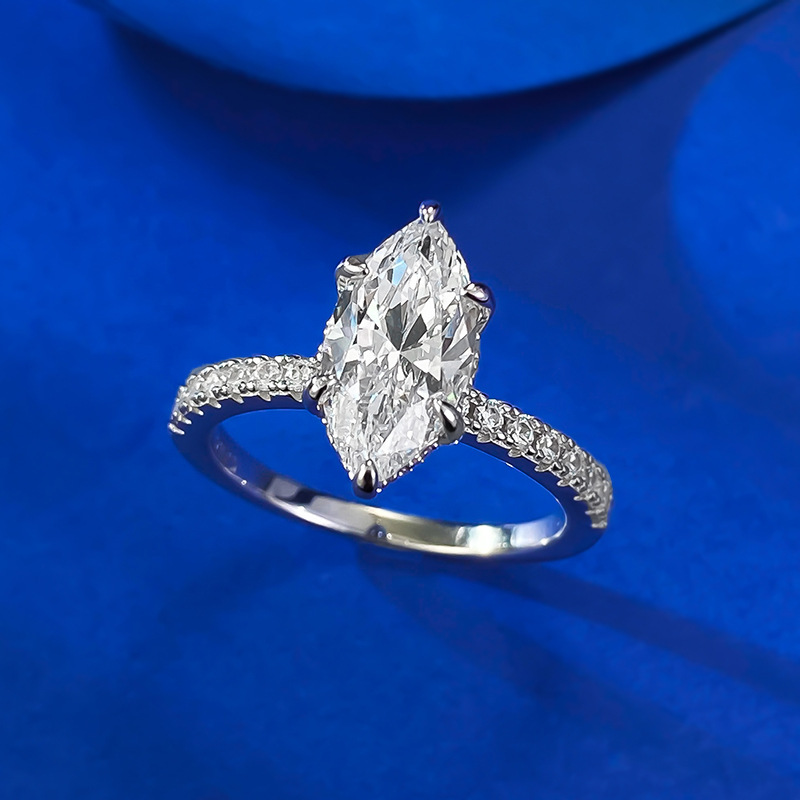
Oval Hidden Halo Ring Cost Comparison: Prices, Settings, and Smart Buying Tips
An Oval Hidden Halo Ring cost comparison helps explain why two rings with a similar first impression can land at very different prices. The oval center diamond drives most of the budget, while the hidden halo adds a discreet flash of sparkle beneath the crown. The result feels refined, romantic, and more detailed than a classic solitaire.
At StoneBridge Jewelry, shoppers usually focus on three things: how large the diamond looks, how secure the setting feels, and whether the price makes sense. A useful oval Hidden Halo Ring cost comparison looks at all three, along with diamond reports, metal choice, setting labor, and long-term wear.
What Affects an Oval Hidden Halo Ring Cost Comparison?
The oval center diamond is usually the biggest cost driver. Carat weight, color, clarity, measurements, and visual performance all affect price. Cut details matter with oval diamonds because GIA does not assign a single cut grade to fancy shapes like ovals the way it does for round brilliants.
The hidden halo also changes the final price. It uses small accent diamonds set below the center stone, so the jeweler needs careful spacing, secure prongs, and a clean finish. That extra work is why a hidden halo often costs more than a plain solitaire.
A clear Oval Hidden Halo Ring cost comparison should review these details:
- Center diamond carat weight and measurements
- Oval shape, brightness, symmetry, and bow-tie effect
- Hidden halo diamond count and setting method
- Metal choice, including 14k gold, 18k gold, or platinum
- Warranty, return policy, certification, and craftsmanship
Want the short version? Spend where the eye notices it most. A bright, balanced oval diamond with a secure setting usually gives better value than a larger stone with dull areas or a heavy bow-tie.
Why Oval Hidden Halo Rings Feel Larger Than Their Price
Oval diamonds often look larger than many other shapes at the same carat weight because their weight spreads across a longer surface. Many buyers like a length-to-width ratio near 1.35 to 1.50 because it gives the diamond an elegant shape without looking too narrow.
The hidden halo adds sparkle from the side, not the top. You keep the clean outline of an oval solitaire while adding a more finished gallery. Our customers often choose this style when they want detail without a traditional halo around the center stone.
An Oval Hidden Halo Ring cost comparison is useful because you are not only comparing carats. You are comparing how the whole ring looks on the hand, from the top view and the side view.
Certification Details That Protect Your Budget
For the center diamond, a grading report is one of the most important value checks. GIA and IGI reports confirm the diamond's carat weight, color, clarity, measurements, polish, symmetry, and whether it is natural or laboratory-grown. For lab-grown diamonds, the report may also list the growth method, such as CVD or HPHT, and any post-growth treatment.
When comparing two oval diamonds, do not stop at the headline grades. Look at the exact millimeter measurements, table percentage, depth percentage, girdle description, polish, and symmetry. A 1.80 carat oval that measures close to 10.2 x 7.0 mm may look noticeably larger than another 1.80 carat oval that carries more weight in its depth and measures smaller from the top.
Laser inscription is also helpful. Many certified diamonds have the report number inscribed on the girdle, which allows a jeweler to match the physical diamond to the paperwork. This is especially useful when you are shopping online or comparing several stones with similar grades.
Oval Hidden Halo Ring Cost Comparison by Diamond Size
Diamond size has the largest effect on most budgets. A 1.00 carat lab-grown oval can feel classic and easy to wear. A 1.50 carat oval often gives the best mix of presence and value. A 2.00 carat oval feels more dramatic, while 3.00 carats and above create a bold statement.
Carat weight does not tell the full story. Two 2.00 carat oval diamonds can face up differently because their millimeter measurements vary. One may look long and graceful, while another may look shorter and wider.
For a better Oval Hidden Halo Ring cost comparison, check these diamond details before you choose:
- Measurements: Compare millimeter size, not just carat weight.
- Bow-tie: A light bow-tie can be normal; a dark one may distract.
- Color: Near-colorless grades can offer strong value in many settings.
- Clarity: Eye-clean diamonds often look beautiful without the highest clarity price.
- Report: GIA or IGI reports help confirm the diamond's listed grades.
GIA explains that laboratory-grown diamonds have the same chemical, optical, and physical properties as mined diamonds. IGI reports list key details such as carat weight, color, clarity, measurements, polish, symmetry, and growth method. Certification gives you practical information for comparing diamonds, not just paperwork.
Carat Size vs. Quality: Where Your Money Works Hardest
A larger oval is not always the better buy. If the diamond has weak symmetry, flat sparkle, or a strong bow-tie, it may look less impressive than a smaller stone with better life.
For many StoneBridge shoppers, the sweet spot is an eye-clean lab-grown oval with balanced proportions and strong brightness. VS2 or SI1 clarity can be a smart choice if the diamond looks clean to the eye. A near-colorless grade can also work beautifully when the setting color helps the stone look bright.
Ask yourself a simple question: what will you actually notice every day? Most people notice size, shape, sparkle, and finger coverage first. Tiny clarity details that only show under magnification rarely affect daily enjoyment.
Realistic Price Ranges by Center Stone Size
Prices change with the diamond market, metal costs, and setting details, but general ranges can make comparison easier. For lab-grown oval Hidden Halo Rings, many buyers see complete ring prices around $1,200 to $2,500 for a 1.00 carat center, $1,800 to $4,000 for a 1.50 carat center, $2,500 to $6,000 for a 2.00 carat center, and $4,500 to $10,000 or more for 3.00 carats and above. Higher color, premium clarity, platinum, and custom work can move a ring above these ranges.
Natural diamond oval Hidden Halo Rings usually cost much more at the same carat weight. A 1.50 carat natural oval with a quality hidden halo setting may cost several times more than a comparable lab-grown option, especially in higher color and clarity grades. This is why many buyers choose lab-grown diamonds when they want a larger oval or a more detailed setting without stretching the budget too far.
| Center oval size | Typical lab-grown complete ring range | Best value focus | Buyer note |
|---|---|---|---|
| 1.00 carat | $1,200 to $2,500 | Brightness and clean outline | Great for classic daily wear |
| 1.50 carat | $1,800 to $4,000 | Balanced spread and color | Often the strongest size-to-price sweet spot |
| 2.00 carat | $2,500 to $6,000 | Bow-tie control and secure setting | Needs careful proportion review |
| 3.00 carat and up | $4,500 to $10,000+ | Custom support and comfort | Profile height and band fit become more important |
These ranges are not quotes, but they help you spot unusual pricing. If one ring is far cheaper than similar options, check the diamond report, return terms, setting quality, and whether the accent stones are natural or lab-grown. If one ring is much more expensive, ask what specific upgrade justifies the difference.
Setting Styles in an Oval Hidden Halo Ring Cost Comparison
The setting changes both the look and the price. A simple hidden halo solitaire costs less than a pave hidden halo because it uses fewer accent diamonds. A cathedral or custom basket can cost more because it takes extra metalwork and finishing.
Here is a practical setting guide:
| Setting style | Cost level | Best for | Value note |
|---|---|---|---|
| Solitaire hidden halo | Lower to moderate | Clean style with side sparkle | Keeps more budget in the center diamond |
| Pave hidden halo | Moderate to higher | More visible sparkle | Adds diamond cost and more setting labor |
| Cathedral hidden halo | Moderate to higher | Lifted, structured look | Can add support and shape |
| Basket hidden halo | Moderate | Classic wear with side detail | Price depends on gallery design |
| Custom hidden halo | Higher | Personal design requests | Best for a clear design goal |
A solitaire hidden halo is often the best value if you want a refined look and a strong center diamond. A pave band makes the ring sparkle more from the top, but it also needs more care over time because small diamonds sit along the band.
A cathedral setting raises the shoulders toward the center stone, giving the ring a graceful and secure feel. A basket setting focuses on the structure under the diamond and can show the hidden halo beautifully from the side.
Hidden Halo vs. Traditional Halo vs. Solitaire
A traditional halo surrounds the center diamond from the top view. It can make the center stone look larger, but it also creates a more decorative outline. A solitaire keeps the focus fully on the oval diamond.
A hidden halo sits between those two choices. It adds sparkle and detail without changing the top outline. An oval hidden halo Ring Cost Comparison often comes down to personal style: do you want quiet detail or a bolder frame?
If you work with your hands, a simpler band may be easier to maintain. If you love sparkle from every angle, a pave hidden halo may be worth the added cost.
Prongs, Band Width, and Setting Height
Small construction details can change the way a ring wears. Oval diamonds are commonly set with four prongs, six prongs, or four prongs plus a subtle rail or basket support. Four prongs show more of the diamond, while six prongs can add security and soften the outline. For oval diamonds, the north and south tips deserve special attention because pointed ends and elongated edges can be more exposed to knocks.
Band width also affects price and comfort. A very thin band around 1.5 mm can look delicate, but it may not be the best choice for a larger oval or daily wear. Many buyers prefer a band near 1.8 mm to 2.2 mm because it still looks refined while offering more structure. Wider bands use more metal and may cost slightly more, but they can help a top-heavy oval sit straighter on the finger.
Setting height is another tradeoff. A higher setting can create dramatic side views and allow some wedding bands to sit closer, but it may catch more easily on pockets, sweaters, and gloves. A lower basket can feel practical and secure, though it may require a curved wedding band. Ask for side-view images before ordering so you can judge the hidden halo, prongs, and clearance.
Metal Choice and Long-Term Value
Metal choice affects price, color, comfort, and care. 14k gold contains 58.3% pure gold, while 18k gold contains 75% pure gold. That higher gold content gives 18k a richer tone, but it usually costs more and can feel slightly softer in daily wear.
Platinum is denser and naturally white. It often costs more upfront, but it does not need rhodium plating like white gold. White gold can be a smart value choice, though it may need replating over time to keep its bright white finish.
Use this metal comparison during your oval hidden halo Ring Cost Comparison:
| Metal | Cost level | Daily wear | Care notes |
|---|---|---|---|
| 14k white gold | Moderate | Strong | May need rhodium replating |
| 14k yellow gold | Moderate | Strong | Warm tone can flatter near-colorless diamonds |
| 14k rose gold | Moderate | Strong | Romantic color with good durability |
| 18k gold | Higher | Slightly softer | Richer gold color |
| Platinum | Highest | Dense and durable | Naturally white; develops a soft patina |
There is no single best metal for every ring. Choose the metal that fits the wearer's style, skin tone, budget, and care habits.
Color pairing matters too. White gold and platinum can make a colorless or near-colorless oval look crisp. Yellow gold and rose gold can make faint warmth in a diamond feel intentional, especially when the prongs are also warm-toned. Some buyers choose a two-tone setting with a yellow gold band and white prongs to get warmth on the hand while keeping the diamond face-up appearance bright.
Budget Ranges for Oval Hidden Halo Rings
A useful oval hidden halo ring cost comparison groups choices by budget. Exact pricing changes with the center diamond and setting, but the pattern is fairly consistent.
Entry-level buyers often choose a smaller lab-grown oval, 14k gold, and a solitaire hidden halo. This keeps the design elegant while saving most of the budget for the center stone.
Mid-range buyers may choose a 1.50 to 2.00 carat lab-grown oval, a better color grade, a pave band, or a cathedral profile. Many shoppers find everyday luxury here without paying for every possible upgrade.
Premium buyers may choose a 2.50 to 3.00 carat or larger oval, platinum, custom baskets, or higher color grades. At this level, small design choices matter more. Profile height, prong style, wedding band fit, and hand finishing can shape the final ring.
A simple budget map looks like this:
- Smart value: Bright oval center, 14k gold, simple hidden halo.
- Everyday luxury: 1.50 to 2.00 carat oval, refined setting, strong proportions.
- Premium statement: Larger oval, platinum, pave accents, or custom details.
- Heirloom custom: Bespoke basket, selected accent stones, and long-term service support.
If you are still comparing styles, browse StoneBridge engagement rings to see how different settings change the final look. You can also start with certified lab-grown diamonds if the center stone matters most to you.
Upgrades Worth Paying For
Some upgrades are easy to see. A larger center stone, a brighter diamond, or a pave band changes the look right away. Other upgrades, such as platinum or a custom basket, may matter more for feel, structure, or personal meaning.
The best upgrades improve beauty, comfort, or durability. A higher clarity grade may not be worth the money if the lower grade already looks clean to the eye. A better-proportioned oval can make the whole ring look more expensive.
For many buyers, the smartest upgrade is a better diamond match rather than a bigger diamond. Better brightness and a softer bow-tie can make the ring feel more alive.
Common Mistakes That Make a Ring Cost More Later
One common mistake is choosing the largest oval in the budget without checking video. Ovals can hide dark areas in still photos, and the bow-tie may only become obvious when the stone moves. Always compare motion, not just a beauty image.
Another mistake is ignoring the wedding band. A low basket or wide hidden halo may require a curved band, which can add cost later if you expected a simple straight band. If you want a flush wedding stack, confirm that before the engagement ring is made.
Buyers also sometimes overlook accent stone quality. Hidden halo diamonds are small, but they should still be well matched for color and brightness. Mismatched accent stones can make the gallery look uneven, especially in bright daylight.
Finally, be careful with ultra-thin bands on large center stones. A delicate look can be beautiful, but a ring that bends, spins, or loses stones is not a good value. The best ring balances visual lightness with enough metal to support daily wear.
Buying Online With Confidence
Buying online works well when you know what to compare. Photos help, but videos are better because they show how the oval handles light. Side views matter too because they reveal the hidden halo, basket, prongs, and setting height.
Use this checklist Before You Buy:
- Review the GIA or IGI report.
- Compare millimeter measurements, not only carat weight.
- Check the oval's length-to-width ratio.
- Look for a bow-tie that does not dominate the stone.
- Compare metal, setting height, and band width.
- Read the return policy and warranty details.
- Ask how the wedding band will sit beside the ring.
StoneBridge Jewelry can help you compare stone options, setting details, and metal choices Before You Order. If you want to build a ring around your own priorities, try the StoneBridge ring builder. For broader style ideas, browse fine jewelry and engagement designs.
Shipping, Returns, and Insurance Questions to Ask
Shipping and return terms are part of the real cost of buying a ring. Before checkout, confirm whether the ring ships fully insured, whether a signature is required, and whether the package can be held at a secure carrier location. For an engagement ring, discreet packaging can also matter if the proposal is a surprise.
Review the return window carefully. Some ready-to-ship rings may be eligible for return, while custom designs, resized rings, engraved rings, or special-order pieces may have different terms. If you are unsure about size, style, or setting height, ask questions before the ring enters production.
Insurance should be arranged soon after purchase. A sales receipt, appraisal, and diamond report can help document the ring for coverage. Insurance does not replace careful wear, but it can protect against theft, loss, or major damage depending on the policy you choose.
Sizing, Comfort, and Wedding Band Fit
Oval diamonds can feel top-heavy if the ring is too loose or the band is very slim. Correct sizing helps the ring stay centered and makes daily wear more comfortable.
Finger size can change with heat, cold, travel, exercise, and pregnancy. If you are between sizes, ask a jeweler before ordering. A slightly wider band can also feel tighter than a thin band in the same size.
Wedding band fit is another detail to check early. Some hidden halo settings allow a straight band to sit flush. Others need a curved or contoured band because the basket or halo sits low on the finger.
A good oval hidden halo ring cost comparison should include comfort, not just price. A ring that looks beautiful but catches on everything may not be the right choice for daily wear.
If the ring spins, sizing beads or a small internal sizing bar may help without making the ring too tight over the knuckle. This can be useful for larger oval center stones because the top of the ring carries more weight. If the wearer has prominent knuckles, ask about sizing methods that balance comfort over the knuckle with stability at the base of the finger.
Care and Maintenance Costs
Hidden halo rings need gentle care because the accent diamonds sit under the center stone. Those tiny stones can collect lotion, soap, and dust. Regular cleaning keeps the side sparkle visible.
At home, use warm water, mild dish soap, and a soft toothbrush. Clean around the basket and under the center stone, then rinse carefully. Avoid bleach, harsh chemicals, and abrasive cleaners.
Schedule a professional inspection every 6 to 12 months if you wear the ring daily. A jeweler can check prongs, accent stones, and center stone security. This small habit can prevent repair costs later.
Durability is part of value. A low price may look appealing, but weak prongs or poor finishing can cost more over time.
Remove the ring before heavy lifting, gardening, swimming, applying lotion, or using household cleaners. Chlorine can affect some gold alloys over time, and physical pressure can bend prongs or loosen pave stones. Store the ring in a soft pouch or lined box when it is not being worn so the diamond does not scratch other jewelry.
Shop StoneBridge Oval Hidden Halo Rings
A strong oval hidden halo ring cost comparison should leave you with a clear choice, not a longer list of doubts. Compare the center diamond, the hidden halo, the metal, and the setting style together. That is how you find a Ring That Fits your budget and still feels special years from now.
Shop StoneBridge Jewelry to compare oval lab-grown diamond rings, hidden halo engagement rings, and custom-friendly settings. Start with oval styles at /collections/oval-lab-grown-diamond-rings, browse hidden halo designs at /collections/hidden-halo-engagement-rings, or compare lab-grown options at /collections/lab-grown-diamond-engagement-rings.
Popular oval hidden halo designs can sell quickly because they balance finger coverage, side sparkle, and lab-grown diamond value. If you have questions, contact the StoneBridge team for help with certification, sizing, setting height, and wedding band pairing.
Ready to Find Your Perfect Diamond?
Explore our collection of certified lab-grown diamonds
Shop Diamonds