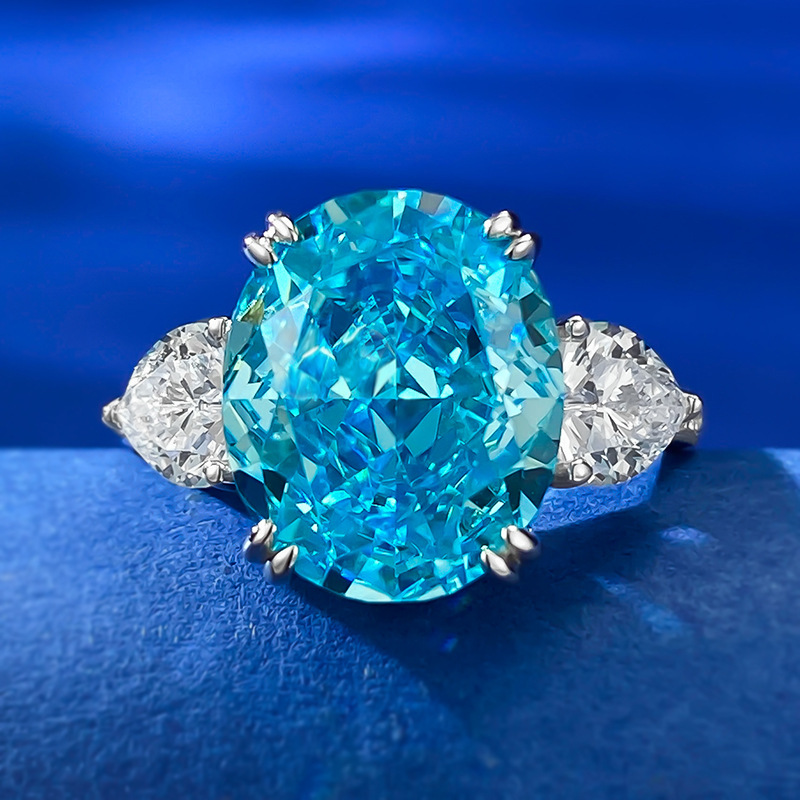
Oval Anniversary Ring Cost Compare: Prices, Value, and Best Buys
An Oval Anniversary Ring Cost compare starts with one simple idea: the best ring is not always the biggest one. Oval cuts are popular for anniversary gifting because they look elongated, elegant, and often appear larger than round diamonds of the same carat weight. For many buyers, that visual spread makes the oval anniversary ring cost compare process feel more rewarding, since you can often balance beauty and budget more efficiently.
StoneBridge Jewelry specialists see buyers weigh the same core factors again and again: center stone size, diamond quality, setting style, and metal choice. Those are the details that move the price. If you are comparing lab-grown and natural diamonds, the value equation changes fast. A well-built oval anniversary ring can look substantial in a lower price bracket, while a premium version may focus on top-tier cut, symmetry, and finishing details.
Oval Anniversary Ring Cost Compare: What Buyers Need to Know
An oval anniversary ring is typically a ring featuring an oval-cut diamond or gemstone designed to mark a wedding anniversary, milestone, or commitment moment. Some designs use a single oval center stone. Others add accent diamonds, halo details, or pavé bands for extra sparkle. The oval shape is especially popular because it creates a graceful silhouette and strong finger coverage without needing extreme carat weight.
For an oval anniversary ring cost compare, the main buying framework is straightforward:
- Center stone size and shape coverage
- Diamond quality, including color, clarity, and cut quality
- Setting style and craftsmanship
- Metal type
- Whether the diamond is natural or lab-grown
That framework helps shoppers compare rings that may look similar online but differ widely in price. A solitaire oval anniversary ring with a modest center stone may cost far less than a halo setting with side stones, even if both sit in the same visible size range. A lab-grown version can also shift the oval anniversary ring cost compare conversation by opening up larger carat weights or finer metal choices at the same budget.
According to industry grading standards used by GIA and IGI, cut, symmetry, polish, and proportions influence how a diamond performs visually. For oval stones, bow-tie effect, length-to-width ratio, and brilliance matter a lot. Those details often separate a decent ring from one that looks genuinely refined.
Why oval cuts are popular for anniversary gifting
Oval diamonds often feel romantic and flattering. The elongated shape creates a graceful Look on the Hand, and the style works across classic, modern, and vintage-inspired settings. Because the face-up area can look larger than a round diamond of similar weight, shoppers often feel they get more presence for the money.
That is a key reason the oval anniversary ring cost compare process matters. Buyers are not just paying for carat weight. They are paying for how the stone looks, how the ring wears, and how the setting supports the overall design.
Key Features That Drive Oval Anniversary Ring Pricing
Several visible traits affect pricing in a major way. If you are comparing oval anniversary ring cost options, start with the diamond itself, then move to the setting and metal. The most expensive-looking ring is not always the most expensive ring. Often, it is the one with the best balance of all three.
Diamond characteristics that move the price
For any oval anniversary ring cost compare, the diamond itself is usually the biggest driver.
- Carat weight: Larger stones cost more, and pricing rises nonlinearly as carat increases. A 1.00 ct oval generally costs less than a 1.50 ct oval, but the price jump is often more than the visible size increase suggests.
- Color: Near-colorless grades such as G, H, and I can deliver strong value, especially in white gold or platinum. Higher color grades like D-F usually cost more.
- Clarity: VS1, VS2, and sometimes SI1 can offer excellent value if inclusions are not visible to the naked eye.
- Cut quality: For ovals, cut is not graded as uniformly as round brilliants, so buyers should pay close attention to symmetry, polish, and performance. A well-cut oval can outshine a larger but poorly proportioned one.
An oval anniversary ring cost compare should also consider length-to-width ratio. Many buyers prefer ratios around 1.30 to 1.50 for a balanced oval outline, though personal taste matters. Too narrow can feel fragile; too wide can lose the classic oval look.
Setting styles that change the budget
The setting can push the price up or down quickly.
- Solitaire: Usually the most budget-friendly option. It puts the focus on the center stone and keeps metal usage and accent stone costs lower.
- Halo: A halo makes the center appear larger and adds sparkle, but it also raises labor and material costs.
- Three-stone: This style increases visual weight and symbolic meaning. It typically costs more than a solitaire because of the extra stones.
- Pavé band: Pavé details add brilliance and refinement, but they increase labor and maintenance over time.
If your oval anniversary ring cost compare goal is to maximize visual size, a halo can be smart. If your goal is to keep the budget centered on the diamond itself, a solitaire often wins.
Metal choices and their pricing impact
Metal choice affects both appearance and total cost.
- Platinum: Durable, dense, and naturally white. Usually the priciest metal option.
- White gold: A strong value choice for a bright, modern look. Often less expensive than platinum.
- Yellow gold: Warm and classic. Frequently favored for vintage or traditional designs.
- Rose gold: Romantic and fashionable. Often comparable to yellow gold in price, depending on the design.
Platinum can be the best choice for durability and long-term wear, especially for buyers who want a low-maintenance white metal. White gold remains a favorite in oval anniversary ring cost compare searches because it offers a clean look at a more accessible price.
How Oval Anniversary Ring Cost Compares Across Styles
Shopping categories help make the oval anniversary ring cost compare process clearer. Price brackets vary by diamond origin, carat weight, and design detail, but these ranges can help shoppers set realistic expectations. The benchmarks below reflect common market positioning in fine jewelry and internal catalog-style comparisons used by StoneBridge Jewelry specialists.
| Style / Stone Type | Typical Entry Range | Typical Mid-Range | Typical Premium Range | Value Notes |
|---|---|---|---|---|
| Lab-grown oval solitaire | $900–$2,500 | $2,500–$5,500 | $5,500–$9,000+ | Best for larger look per dollar |
| Natural oval solitaire | $2,200–$5,500 | $5,500–$10,000 | $10,000–$20,000+ | Higher rarity premium |
| Lab-grown halo oval ring | $1,500–$4,000 | $4,000–$7,500 | $7,500–$12,000+ | Strong finger coverage |
| Natural halo oval ring | $3,500–$8,000 | $8,000–$15,000 | $15,000–$30,000+ | More expensive build-out |
| Three-stone oval ring | $2,000–$6,000 | $6,000–$12,000 | $12,000–$25,000+ | Extra stones raise total cost |
| Pavé oval anniversary ring | $1,800–$5,000 | $5,000–$10,000 | $10,000–$18,000+ | More labor, more sparkle |
These are broad ranges, not fixed quotes. The exact oval anniversary ring cost compare outcome depends on diamond specs, stone origin, and design complexity. Still, the pattern is consistent: lab-grown rings usually stretch the budget further, while natural diamond rings carry a stronger rarity premium.
Lab-grown versus natural diamond pricing
For many buyers, this is the biggest turning point in the oval anniversary ring cost compare decision.
Lab-grown oval anniversary rings are typically priced lower than natural diamond equivalents with similar size and appearance. That means buyers can often move into a higher carat range, higher color grade, or more elaborate setting without increasing spend dramatically.
Natural diamonds still hold strong appeal for shoppers who value geological rarity and traditional market positioning. If that matters to you, the premium may be worth it. But from a pure visual-value standpoint, lab-grown rings can be exceptionally compelling.
StoneBridge Jewelry experts often recommend comparing total finished look rather than carat alone. A 1.50 ct lab-grown oval in a clean solitaire may present a stronger visual impression than a 1.00 ct natural oval in a heavy setting, depending on the specs.
How design details change the final price
Two rings with the same center stone can still fall into very different price brackets.
- A simple four-prong solitaire costs less than an intricate basket setting.
- A hidden halo adds visual sparkle without making the top view overly busy.
- Side stones, milgrain, and hand-engraving raise labor costs.
- Custom proportions or unusual shank widths can also increase pricing.
That is why every oval anniversary ring cost compare search should include both the stone and the structure around it. The setting can be the difference between a clean value buy and a highly detailed statement piece.
Value Analysis: Where Your Budget Goes Furthest
The smartest oval anniversary ring cost compare strategy is not “buy the cheapest ring.” It is “buy the ring that looks best for the budget you have.” That means focusing on the specifications that create the most visible improvement.
Specifications that deliver the most impact
If you want strong value, these are the places where money often goes furthest:
- Cut quality: A well-proportioned oval often looks brighter and more elegant than a larger stone with weaker performance.
- Length-to-width ratio: A balanced oval shape can make the finger look slimmer and longer.
- Color in the near-colorless range: Many shoppers are happy with G-H-I, especially when the ring is well-set.
- Clarity that is eye-clean: VS2 or SI1 can be excellent if the diamond looks clean without magnification.
- A simple but polished setting: Solitaire or hidden halo designs often preserve budget for the center stone.
According to GIA guidance, cut quality is one of the strongest drivers of appearance. In practical terms, that means an oval with strong brilliance and clean symmetry can outperform a larger stone that looks dull or uneven.
Where buyers can save without hurting appearance
There are smart places to trim budget, and they do not have to hurt the final look.
- Choose a setting with less metal complexity.
- Move from platinum to white gold if durability needs allow.
- Consider a slightly lower color grade if the ring will be set in yellow or rose gold.
- Use a lab-grown diamond to increase size or setting quality.
- Select an eye-clean clarity grade instead of paying for grades that only matter under magnification.
A careful oval anniversary ring cost compare often reveals that the best savings come from tradeoffs the eye cannot easily detect. That is where expert guidance pays off.
Balancing finger coverage, sparkle, and long-term value
The ideal ring balances three things:
- Finger coverage: How large the ring appears on the hand
- Sparkle: How well the diamond returns light
- Durability: How well the ring handles daily wear
A halo can increase apparent size, but it may also create more maintenance. A platinum ring can last beautifully, but it costs more upfront. A larger stone may look impressive, but if the cut is weak, the visual return can disappoint.
StoneBridge Jewelry specialists usually recommend thinking about use case. If this anniversary ring will be worn every day, comfort and durability matter as much as sparkle. If it is mainly for special occasions, some buyers may prioritize maximum visual effect and more elaborate detail.
Choosing the Right Oval Anniversary Ring for Your Budget
The best oval anniversary ring cost compare outcome starts with a realistic budget range. Once that range is set, shoppers can decide what matters most: size, setting detail, metal choice, or natural versus lab-grown origin.
Match the ring to lifestyle and taste
A buyer with an active lifestyle may want a lower-profile setting, stronger prongs, and a smoother band. Someone who loves statement jewelry may prefer a halo or pavé setting with more visual drama.
Use these simple filters:
- Classic taste: Solitaire oval in white gold or platinum
- Romantic style: Rose gold with a halo or hidden halo
- Bold sparkle: Pavé band with a larger center stone
- Vintage-inspired look: Milgrain, gallery detail, or three-stone setting
The right ring is the one that fits how it will be worn. That matters more than chasing a price tier just because it sounds impressive.
Sizing and comfort for daily wear
If the ring will be worn often, comfort should stay in the conversation.
- Wider bands can feel tighter than expected.
- High settings may catch more easily on clothing.
- Pavé can look beautiful, but it may need more careful wear.
- A precise fit helps protect the ring and improves comfort.
For help with fit, learn about ring sizing before finalizing the order. It is a small step that can save time and resizing costs later.
Center stone size versus setting detail
This is one of the most useful tradeoffs in the oval anniversary ring cost compare process.
If you want the ring to look larger, prioritize the center stone. If you want the ring to feel ornate and finished, invest in the setting. Most shoppers get the best value by leaning toward a balanced middle ground: a quality oval center stone with a tasteful setting that frames it well.
A good rule:
- Choose center stone size first if visual presence matters most.
- Choose setting detail first if style identity matters most.
- Choose metal quality first if daily wear and durability matter most.
Care, Maintenance, and Long-Term Ownership Costs
An oval anniversary ring cost compare should include ownership, not just checkout price. The ring will need routine care to stay secure and attractive.
Routine care basics
- Clean the ring gently with mild soap and warm water.
- Use a soft brush to remove buildup around prongs and under galleries.
- Store it separately to avoid scratches.
- Have the setting inspected regularly, especially if it uses pavé or side stones.
Common maintenance costs
Over time, some rings may need:
- Prong tightening
- Stone inspection
- Resizing
- Rhodium replating for white gold
- Cleaning and polishing
Platinum can develop a soft patina but remains durable. White gold usually needs periodic rhodium replating to keep its bright finish. Rose gold and yellow gold may show wear differently, but both can be excellent choices for everyday use.
Maintenance is part of the real oval anniversary ring cost compare picture, especially for pavé or halo designs that include many small stones.
Frequently Asked Questions
How much does an oval anniversary ring cost compared to other ring shapes?
Oval anniversary rings often give buyers a larger visual look for the price than round cuts. The exact cost depends on carat weight, diamond quality, metal, and setting complexity, so the best comparison is total design value, not shape alone. Many shoppers find that an oval anniversary ring cost compare search reveals strong value in the oval shape because it balances elegance and finger coverage well.
Are lab-grown oval anniversary rings cheaper than natural diamond rings?
Yes. Lab-grown oval anniversary rings are usually less expensive than natural diamond versions at similar visual size and quality. That price difference can let buyers choose a larger center stone or a more detailed setting. For shoppers focused on appearance and budget efficiency, the oval anniversary ring cost compare often favors lab-grown diamonds.
What affects the price of an oval anniversary ring the most?
The biggest price drivers are carat weight, diamond quality, and setting complexity. Metal type also matters, especially when comparing platinum to white gold. If you are comparing options closely, an oval anniversary ring cost compare should include all three areas so you can see where the value is really going.
Is an oval anniversary ring a good value for the money?
Yes, many buyers consider it a strong value because the elongated shape can appear larger than other cuts of the same carat weight. That face-up size advantage often makes the ring look more substantial without requiring extreme spend. In an oval anniversary ring cost compare, the oval shape often performs well for shoppers who want elegance and smart use of budget.
How do I choose the best oval anniversary ring for my budget?
Start with your budget ceiling, then choose the one or two features that matter most. If size matters most, prioritize the center stone. If sparkle and style matter most, consider a halo or pavé design. If you want the best overall balance, use an oval anniversary ring cost compare approach that weighs center stone quality, setting, and metal together.
Shop Oval Anniversary Rings
Ready to compare styles and Find the Right Fit? Browse our jewelry collection, try our ring builder, or contact our jewelry experts for guidance on diamond quality, setting options, and custom requests.
If you are narrowing down your oval anniversary ring cost compare shortlist, StoneBridge Jewelry can help you Choose a Ring that matches your budget and your taste. Explore your options now and move forward with confidence.
Ready to Find Your Perfect Diamond?
Explore our collection of certified lab-grown diamonds
Shop Diamonds