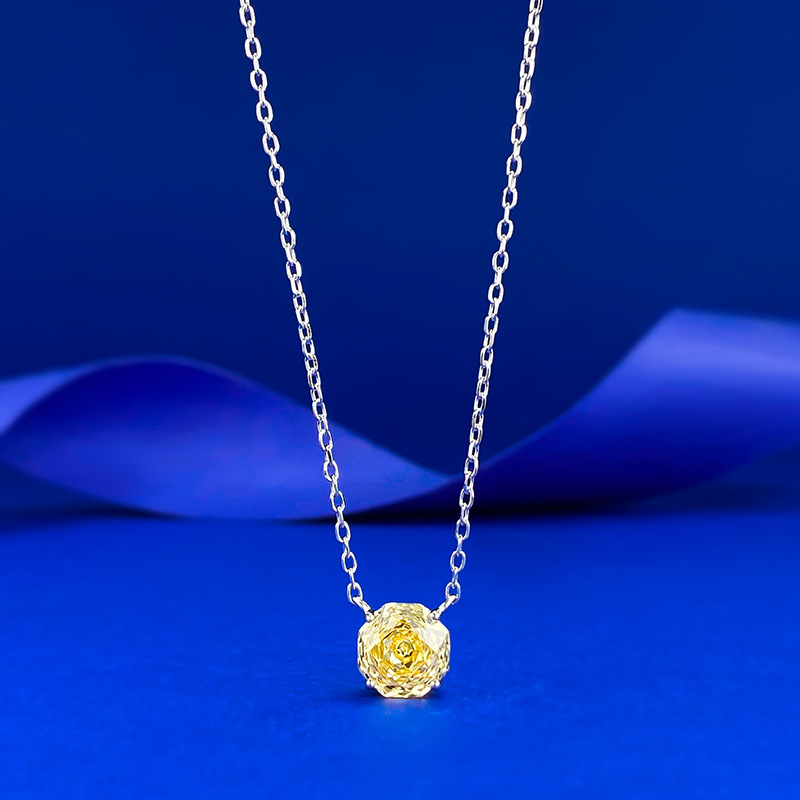
Online Jewelry Buying Returns: How to Choose the Right Piece
Online Jewelry Buying returns matter because jewelry is personal, expensive, and hard to judge from a screen. A ring can look perfect in photos and still feel off on your hand. A necklace can sit lower than you expected, and a diamond can look different in daylight than under studio lights.
A strong return policy gives you room to compare, check fit, and confirm quality without rushing. That matters for engagement rings, bridal sets, and gift purchases. It also means Online Jewelry Buying returns are part of the value, not a small extra detail.
Read the policy before you commit to a piece. If you want to narrow your options first, our engagement rings and diamonds pages make it easier to compare styles Before You Order.
How Online Jewelry Buying Returns Work
Most online jewelry buying returns follow the same basic steps, even when retailers use different labels. You request return approval, pack the item the way the store requires, ship it within the allowed window, and wait for inspection. After the piece passes inspection, the retailer issues a refund, exchange, or store credit based on the policy.
Typical return flow
- Request return authorization within the stated window.
- Place the item back in the original box, pouch, and paperwork.
- Ship it with tracking and insurance if the policy requires it.
- Wait for inspection at the retailer's facility.
- Receive the refund, exchange, or credit once the item is approved.
Condition rules are strict for a reason. Jewelry is easy to wear and hard to resell once it shows signs of handling. Online jewelry buying returns can fail if a ring has been sized, a bracelet shows scratches, or a tag has been removed.
What usually blocks approval
- Worn or damaged condition
- Missing box, pouch, or paperwork
- Engraving, resizing, or other changes
- Tags removed before the return decision
- Shipment sent after the deadline
If the piece includes a GIA or IGI report, keep it with the rest of the order. Those reports verify the diamond's key details and help both sides during inspection. For higher-ticket orders, that paperwork is part of online jewelry buying returns, not extra clutter.
A premium seller may also require insured shipping or a specific carrier. We recommend traceable shipping every time, because it gives you a clear record if the package is delayed or disputed. That small step can save a lot of stress later.
Policy Details That Change the Real Cost
The return window is the first number to check. Some retailers give you 14 days, some give you 30 days, and a few offer longer periods on eligible pieces. A 30-day window gives you more breathing room if you're comparing settings, waiting for a second opinion, or gifting the piece.
That timing lines up with a practical shipping rule too. The FTC's Mail, Internet, or Telephone Order Merchandise Rule uses a 30-day default for shipping or delay notice, so a 30-day policy is easier to manage than a short one. It is one reason many buyers prefer online jewelry buying returns with at least a month to review the piece.
The numbers behind returns are not small. The National Retail Federation estimated U.S. retail returns at $743 billion in 2023, or 14.5% of sales. That is why stores write return language so carefully, and why you should read it with the same level of care.
Exclusions matter just as much as the window. Custom designs, engraved pieces, made-to-order bridal jewelry, altered rings, and final sale items are often excluded from online jewelry buying returns. Stores do this because those items are harder to resell once they are personalized.
Shipping and fee language can change the real cost fast. A store may advertise free returns, but still leave you on the hook for original shipping, return postage, insurance, or restocking fees. A small fee on a $3,000 ring is not small when you compare the final refund.
| Policy Detail | Better Buyer Position | Riskier Position |
|---|---|---|
| Return window | 30 days or more for eligible items | 14 days or less with no flexibility |
| Refund method | Refund to original payment method | Store credit only |
| Shipping | Prepaid insured label | Buyer pays return postage and insurance |
| Exclusions | Clear list of custom and altered items | Vague or hidden exclusions |
| Fees | No restocking fee on standard items | Restocking or handling fee deducted |
Read the policy like you would Read a Diamond spec sheet. The policy is part of the product. For online jewelry buying returns, one line can change the total value of the purchase.
How to Choose the Right Piece Before You Order
The best way to avoid using online jewelry buying returns is to buy a piece that matches the recipient, the occasion, and the practical limits of the design. That starts with the stone, then moves to the metal, the setting, and the dimensions. A ring that looks great in a close-up photo may not be the right choice if the profile is too high for daily wear or the diamond is too small for the finger size.
Diamond specs that matter
If you are buying a diamond, focus on the four Cs, but do not treat them equally in every case. Cut usually has the biggest visual impact because it affects brightness, fire, and scintillation. A well-cut round brilliant often looks more impressive than a larger stone with a weaker cut grade.
For many buyers, a practical starting point is a VS1 to SI1 clarity range and G to H color for white metals. That range often balances appearance and value without pushing the budget too far. If the stone is set in yellow or rose gold, a slightly warmer color can still look excellent and may save money.
Carat weight should be considered with shape and finger size, not in isolation. A 1.00 ct round diamond, a 1.00 ct oval, and a 1.00 ct emerald cut will face up differently. If you want the stone to appear larger, elongated shapes can help, but they can also expose more of the setting and require more attention to symmetry.
Certification matters as much as the visual grade. GIA and IGI are the most common independent reports buyers rely on for confirmation of the diamond's measurements, color, clarity, cut, and fluorescence. For higher-value purchases, avoid relying on a seller's in-house description alone.
Metal choices and price ranges
Metal choice affects appearance, maintenance, and cost. 14K gold is usually the most practical option for everyday wear because it balances durability and price. 18K gold has a richer color and a higher gold content, but it can be softer and more expensive. Platinum is dense, naturally white, and excellent for prong security, though it usually carries a higher price tag.
For example, a simple fine jewelry ring in sterling silver may fall in the lower hundreds, a 14K gold diamond solitaire can start in the low thousands depending on stone size, and a platinum bridal setting with a larger certified diamond can move well beyond that. The point is not to chase the highest number; it is to match the piece to the use case and the budget.
If the wearer is hard on jewelry, 14K white gold or platinum may be more sensible than a softer metal. If the piece is meant for occasional wear, 18K gold can be a good choice when color and richness matter more than maximum wear resistance. For watches and bracelets, clasp quality and finish can be just as important as the metal itself.
Setting tradeoffs
The setting determines how secure the stone feels and how the ring wears over time. A classic four-prong setting shows more of the diamond and can make the center stone look larger, but it may need prong checks over time. A six-prong setting adds security and can visually soften round stones, though it covers a bit more of the diamond.
Bezel settings offer strong protection and a lower snag risk, which makes them practical for active wearers. Halo settings increase visual presence and can make a modest center stone look larger, but they require more detailed cleaning and can feel busier if the wearer prefers a minimal look. Cathedral and high-profile settings can be elegant, but if the wearer uses gloves or works with their hands often, the extra height may be inconvenient.
For engagement pieces, ask whether the setting can be resized later and whether matching bands will sit flush. A pretty design that leaves a gap between the ring and the wedding band can be frustrating once the ring is worn every day.
Size and proportion
Size is not just ring size. It is also scale. A slender finger may suit a narrower shank and a smaller center stone, while a larger hand can support a broader band or a larger head without feeling top-heavy. Stud earrings should be checked against the wearer’s lobe size, and necklaces should be checked against neckline preference and pendant weight.
When in doubt, use product measurements instead of marketing language. Look at millimeters for center stone dimensions, band width, and setting height. A ring described as delicate may still have a very tall profile, and that can affect comfort more than total carat weight.
Why Return-Friendly Jewelry Shopping Helps
Return-friendly shopping lowers pressure. Jewelry purchases are emotional, especially when they involve milestones, proposals, anniversaries, or first-time fine jewelry buys. Our customers often tell us they feel more decisive once they know they can compare the piece at home.
It also gives you a better read on fit and style. A solitaire can look clean and refined in a photo, then feel too small in person. White gold may look brighter than you expected, and rose gold can read softer once it is against your skin. Strong online jewelry buying returns give you room to make that call with real context.
That matters because most buyers are not just purchasing metal and stones. They are buying confidence, and confidence is easier to build when the retailer makes the process clear. A transparent policy says the store expects questions and has a real process for handling them.
Shoppers also use the return policy as a trust check. Clear rules, insured shipping, quick support, and honest product photos all point in the same direction. If the policy is specific, the rest of the experience usually is too.
The best online jewelry buying returns support better decisions because they reduce regret. Buyers can focus on craftsmanship, proportions, and value instead of worrying that one wrong click will trap them with the wrong piece. That is a real advantage when you are comparing several options at once.
Sizing, Care, and Return Readiness
Good sizing habits reduce the chance that you'll need online jewelry buying returns in the first place. For rings, measure more than once and check the size at different times of day. Fingers swell with heat, exercise, and travel, so a ring that feels fine in the morning may feel tight later.
If you're between sizes, ask whether the ring can be resized without affecting eligibility. You can also use our ring size guide Before You Buy, or contact our jewelry experts if you want help choosing the right fit. That extra step is often faster than dealing with a return.
Bracelets and chains need the same attention. A bracelet that fits too tightly may twist or pinch, while a chain that is too short can sit awkwardly at the neck. If the product page lists exact lengths in inches or millimeters, use those numbers instead of guessing.
Quick fit checks
- Measure the ring finger more than once, then note the dominant hand.
- Check bracelet fit against wrist size and leave a little room for movement.
- Confirm necklace length so you know where it will fall.
- Review setting height if you want a low-profile ring.
- Ask whether resizing affects online jewelry buying returns.
Care during the first try-on matters too. Remove rings before lifting boxes, working out, or washing dishes. Handle chains over a soft surface in case a clasp opens unexpectedly. Keep the tag attached until you know the piece is right, because some stores treat tag removal as wear.
Save the invoice, diamond report, appraisal, and care notes as soon as the order arrives. Keep the original box, inner pouch, and shipping materials intact if the retailer asks for them back. Those details are often the difference between a smooth return and a denied one.
If you need to keep comparing styles, the jewelry collection and ring builder tools can help you narrow the choices before you place the order. That is a cleaner path than buying first and hoping the fit works out later.
Shipping, Inspection, and Common Return Mistakes
Even a good policy can go wrong if the return is handled carelessly. One of the most common mistakes is waiting too long to open the package and inspect the item. Check the order as soon as it arrives so you can confirm the stone, metal, and sizing while the return clock is still running.
Look for the exact item you ordered, not just something that seems close. Verify the shape, metal stamp, stone size, and any engraving. If the purchase includes a diamond report, make sure the report number matches the stone. A fast check can catch shipping errors before the return window closes.
Another common mistake is assuming the store will accept the item if the shipping box is intact. The inner packaging, tags, and paperwork matter too. Some retailers reject returns if the package is missing a certificate, tamper seal, or purchase slip, even when the piece itself looks untouched.
It is also easy to miss carrier timing. If a return label says the item must be shipped by a certain date, dropping it off late can invalidate the return even if the label was created earlier. Keep the receipt and tracking record until the refund is complete.
For expensive items, take photos before sealing the return package. Photograph the piece, the box, the paperwork, and the sealed parcel. That record is useful if the package is delayed or the retailer reports missing contents.
Common mistakes to avoid
- Trying on a ring after hand lotion, cleaning products, or heavy activity
- Removing tags before confirming the piece is a keeper
- Misreading the return deadline as delivery date when it starts at purchase
- Forgetting to include the diamond report or certificate
- Using a non-insured shipping method when the policy requires insurance
- Assuming a resized or engraved item can still be returned
These mistakes are avoidable, and avoiding them makes online jewelry buying returns much easier if you do need to use them. A careful unboxing and a careful repackaging process can protect both the purchase and the refund.
What to Check Before You Buy
A little review before checkout can save time and money later. The fastest way to avoid trouble is to compare the product page, the policy page, and the checkout screen together. That gives you the full picture of online jewelry buying returns before your card is charged.
Start with the return window, then move to the refund method. After that, check exclusions, shipping costs, and whether insurance is included. If the store uses vague language or hides the terms, treat that as a warning sign.
Use this checklist Before You Buy:
- Confirm the return window and whether it starts at order date or delivery date.
- Check whether custom work, resizing, engraving, or final sale items are excluded.
- Look for restocking fees, return postage, and insurance terms.
- Verify whether the refund goes back to the original payment method.
- Keep the diamond report, receipt, and packaging together.
- Ask support for clarification before you order if anything looks unclear.
If you are comparing a few pieces, write down the policy terms next to the price. That makes it easier to see which piece is actually the better deal. A lower sticker price is not always the lower-cost choice once shipping, fees, and return limits are included.
For example, a $2,200 ring with free insured returns and no restocking fee may be a better buy than a $2,050 ring that charges return shipping, deducts a handling fee, and excludes exchanges. The return policy changes the total cost, especially if you are still deciding between two shapes or metal colors.
If you are buying for a gift, confirm whether the recipient can exchange the item for a different size or style without triggering a separate fee. Gift purchases are where online jewelry buying returns can be especially helpful, because they let you choose confidently without needing to predict every preference in advance.
FAQ
Can I return online jewelry if I change my mind after buying it?
In many cases, yes, as long as the item is returned inside the stated window and stays unworn, undamaged, and in its original packaging. The exact rules depend on the retailer, so you should confirm the policy before checkout. Many online jewelry buying returns are approved only when the piece comes back exactly as it was shipped. If the item has been worn or altered, approval becomes much less likely.
How many days do I usually have to return jewelry bought online?
Return windows vary, but many premium jewelers use 14 to 30 days for eligible items. A longer window gives you more time to inspect the finish, compare styles, and check the fit in real life. It also helps if you are buying a gift and need a little buffer. Always check whether the clock starts at purchase or delivery, since that detail changes the timeline.
Do custom, engraved, or resized jewelry items qualify for returns?
Often they do not, because personalized pieces are hard to resell. If the store allows a return, it may come with extra conditions or a restocking fee. That is one of the most common exceptions in online jewelry buying returns. If you want personalization, ask for the return policy in writing before you pay.
Will I get a refund, exchange, or store credit for an online jewelry return?
That depends on the retailer and the condition of the item when it comes back. Some jewelers refund the original payment method, while others offer store credit or deduct shipping and handling fees. Read the payment section closely so you know what happens if the piece comes back within policy. The refund method can change the real value of the purchase more than many buyers expect.
What should I check before buying jewelry online to avoid return problems?
Review the return window, the exclusions, the shipping rules, and the refund method before you check out. It also helps to confirm sizing, metal type, stone details, and whether a GIA or IGI report is included. Those checks reduce avoidable online jewelry buying returns and make it easier to Choose the Right ring, bracelet, or necklace the first time. If you are unsure, ask the retailer's support team to clarify the policy before placing the order.
Ready to Find Your Perfect Diamond?
Explore our collection of certified lab-grown diamonds
Shop Diamonds