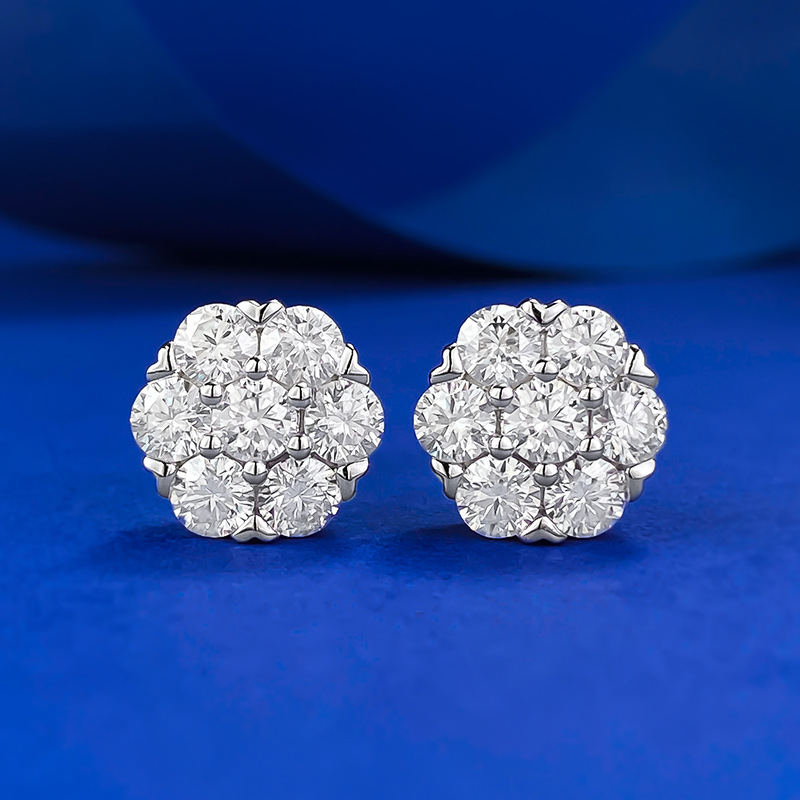
Online Jewelry Buying Checklist: Inspect Before You Buy
Buying fine jewelry online should feel exciting, not stressful. A clear Online Jewelry Buying Checklist inspection checklist helps you slow down, compare details, and confirm what you're really getting before you place an order. That matters most for premium pieces, where small differences in diamond quality, metal purity, setting security, and service policies can change both price and long-term satisfaction.
Shoppers get tripped up by vague listings more often than by high prices. A ring that looks perfect in the main photo can hide thin prongs, unclear grading, or a weak return policy. The details are there to check, so use them.
This guide walks through the key points to inspect Before You Buy. Use it to review product details, seller credibility, value, and after-sale care so you can shop with a steadier hand.
Online Jewelry Buying Checklist Inspection Checklist: Start With the Listing
A good Online Jewelry Buying Checklist inspection checklist starts with the basics: what the piece is, what it's made of, and whether the listing tells the full story. If a product page feels thin or vague, treat that as a warning sign. Fine jewelry should come with enough detail to support a careful purchase.
Start by confirming the product type. Is it a ring, pendant, bracelet, tennis necklace, hoop earring, or custom piece? Then check the metal, gemstone type, setting style, and any accent stones. A 14K white gold solitaire ring is not the same as a platinum pavé setting, and the care needs aren't the same either.
Product photos matter too. Clear images should show the piece from several angles, under steady lighting, and, if possible, in close-up detail. Video helps even more because it can show sparkle, symmetry, prong placement, and how the piece moves.
Before you add anything to cart, check these basics:
- Full metal details, such as 14K white gold, 18K yellow gold, platinum, or sterling silver.
- Gemstone identification, including natural diamond, lab-grown diamond, sapphire, emerald, ruby, or moissanite.
- Exact measurements for the center stone, band width, chain length, pendant size, and earring dimensions.
- Setting style, such as prong, bezel, halo, cathedral, channel, or tension.
- Certification, grading reports, or appraisals if they're included.
The best Online Jewelry Buying checklist inspection checklist also checks whether the item fits your goal. A dainty necklace for everyday wear shouldn't be judged the same way as a bold cocktail ring. If you want something for frequent use, comfort and durability matter just as much as appearance.
A simple rule works well: if a detail affects fit, look, durability, or price, it should be visible on the product page. If it isn't, ask Before You Buy. You can also browse our jewelry collection to compare styles with clearer product details and service information.
What to Verify Before You Add Jewelry to Cart
A strong Online Jewelry Buying checklist inspection checklist looks at the listing line by line, not just the title or hero image. The more complete the information, the easier it is to compare pieces fairly.
Confirm the jewelry type and materials
Start by matching the item to the occasion and your intended use. A fashion pendant may be perfect for gifting, while a three-stone ring may fit a milestone purchase better. Then verify the material details.
Look for:
- Metal type and purity, such as 14K or 18K gold, platinum, or sterling silver
- Gemstone species and whether the stone is natural or lab-grown
- Accent stone details if the design includes side stones or pavé
- Plating information if the piece uses vermeil, rhodium, or gold plating
If the listing says “diamond,” make sure it also says whether the stone is natural or lab-grown. Clear disclosure is non-negotiable in any Online Jewelry Buying Checklist inspection checklist. It protects value and keeps you from making the wrong comparison.
Review photos and videos with a critical eye
Photos should be crisp, well lit, and consistent. If the stone looks very different from image to image, ask why. Lighting can change color, but it shouldn't hide real flaws.
Check for:
- Front, side, and back views
- Close-ups of the center stone and setting
- Shots that show scale on a model or next to a ruler
- Video that reveals sparkle and movement
- Images that don't look overly filtered or edited
Zoom in on prongs, stone alignment, chain links, and clasp points. Those are often the first places where craftsmanship differences show up.
Check for complete product specifications
A careful Online Jewelry Buying Checklist inspection checklist should include measurements, not just broad style descriptions. For rings, you want band width, setting height, and stone dimensions. For earrings, you need length, post style, back type, and total weight if listed. For necklaces, chain length and pendant size matter a lot.
The more precise the specs, the easier it is to judge comfort and scale. Jewelry can look much larger or smaller online than it does in real life, so measurements help close that gap.
Verify certification and documentation
For diamond jewelry, especially higher-value pieces, certification is a big part of the online jewelry buying checklist inspection checklist. Industry norms favor grading reports from respected labs like GIA and IGI. GIA's grading standards are widely used in the trade, and IGI reports are common for lab-grown diamonds.
Look for:
- A diamond grading report
- A gemstone certificate, if relevant
- An appraisal for insurance purposes
- Warranty or service documentation
- Insured shipping details
According to GIA, cut has a major effect on brilliance and fire, and many buyers notice that difference right away. If a piece is described as premium but the paperwork is thin, the price deserves a closer look.
Inspecting Diamond and Gemstone Quality Online
Diamond and gemstone review sits at the center of any serious online jewelry buying checklist inspection checklist. A pretty listing isn't enough. You want to know how the stone will look in real life, how it compares to the report, and whether the seller is being exact about quality.
Focus on the four Cs for diamonds
For diamonds and lab-grown diamonds, the standard starting point is cut, color, clarity, and carat weight. Cut has the biggest effect on sparkle, and that's why many buyers notice it before anything else.
Here's a simple way to inspect each factor:
- Cut: Look for excellent or ideal cut grades when available. Cut shapes the sparkle, symmetry, and light return.
- Color: Check the grade and think about the metal color. Near-colorless stones in white gold or platinum often look bright and clean.
- Clarity: Find out whether inclusions are visible to the naked eye. SI and VS grades can offer strong value when the inclusions are small and well placed.
- Carat weight: Compare carat weight with measurements. Two stones with the same carat can look different if their proportions vary.
A smart online jewelry buying checklist inspection checklist never treats carat weight alone as proof of beauty. A smaller, well-cut stone may look better than a heavier stone with weak proportions.
Compare the grading report with the listing
The grading report should match the product description. If the listing says F color, VS1 clarity, and 1.50 carat, those details should appear on the report too. If they don't match, pause before buying.
Check for:
- Matching grading lab name
- Stone measurements that line up with the listing
- Correct shape, such as round brilliant, oval, emerald, pear, or cushion
- Notes about fluorescence, polish, or symmetry
- Laser inscription, if applicable
Fluorescence can affect value and appearance in some stones. In certain cases it hardly matters; in others it can change the look under different lighting. The listing should say so clearly.
Evaluate lab-grown diamond disclosure carefully
A lab-grown diamond listing should be labeled clearly. That transparency is part of a trustworthy online jewelry buying checklist inspection checklist. You should also see the same grading detail you'd expect for a mined diamond listing: cut, color, clarity, carat, dimensions, and sometimes polish and symmetry.
Lab-grown diamonds often offer strong value because buyers can get larger sizes or higher grades for less than many natural diamonds. That's exactly why comparison shopping matters. Compare the report and the visual look, not just the headline carat weight.
Look for visual performance clues
The report matters, but the images matter too. Check whether the stone looks bright, evenly lit, and lively. A diamond that looks dull, watery, or too dark may not give you the look you want, even if the grades seem good on paper.
Useful clues include:
- Even sparkle across the face of the stone
- Clean symmetry in the shape outline
- Balanced contrast and brightness
- No obvious windowing in oval or emerald cuts
- Crisp facet patterning in rounds and other brilliant cuts
If you're comparing engagement pieces, explore our engagement rings and use the same online jewelry buying checklist inspection checklist to compare cut quality, setting style, and overall finish.
Use a simple value benchmark
A useful benchmark isn't one number. It's a comparison set. Compare one stone against similar pieces with the same shape, lab report, metal, and setting style. That gives you a better read on value than browsing by price alone.
For example, a 1.00 carat lab-grown diamond in a simple solitaire setting will cost differently than the same diamond in a halo or pavé design. The setting, metal, and craftsmanship all matter.
Assess Craftsmanship, Metal, and Setting Security
The most attractive stone can still be a poor buy if the craftsmanship is weak. That's why a complete online jewelry buying checklist inspection checklist also checks metal quality, setting security, and everyday wearability.
Inspect the metal type and purity
Metal choice affects durability and appearance. Gold, Platinum, and Silver all wear differently over time.
- 14K gold: A strong balance of durability and rich color for daily wear
- 18K gold: Higher gold content, richer color, slightly softer than 14K
- Platinum: Dense, durable, and naturally white; often chosen for heirloom pieces
- Sterling silver: Beautiful and accessible, but more likely to tarnish and scratch
Review whether the finish is polished, brushed, satin, or matte. A quality product page should tell you. If the finish is part of the design, it should look consistent across the images.
Examine prongs, bezels, and symmetry
Prong security, symmetry, and finish reveal a lot about workmanship. Prongs should look even, secure, and sized right for the stone. If one prong looks shorter, bent, or poorly placed in the photos, that deserves attention.
Inspect:
- Prong alignment
- Basket or gallery symmetry
- Evenness of pavé or channel settings
- Smooth inner surfaces
- Consistent finish across the piece
A secure setting protects the stone and helps the piece last longer. It also lowers the odds of repair problems later.
Check clasps, hinges, and closures
For necklaces, bracelets, and earrings, clasp quality matters as much as stone quality. Lobster clasps, spring rings, box clasps, and friction backs should be shown clearly when possible.
Ask yourself:
- Does the clasp look sturdy?
- Is the closure easy to use?
- Are there safety features on higher-value pieces?
- Does the chain thickness match the pendant weight?
A delicate clasp on a heavy bracelet can cause wear issues over time. A good clasp should feel like part of the design, not an afterthought.
Match design to wearability
Some designs look stunning but need more care. A high-set ring can catch on clothing. Long drop earrings can feel heavy after a few hours. A bracelet with many small links may need more frequent checks.
Think about your routine. If you want jewelry for work, travel, or daily wear, choose lower-maintenance designs and stronger settings. If you're shopping for occasional wear, you can lean more heavily toward visual impact.
Compare craftsmanship across similar pieces
One of the best uses of an online jewelry buying checklist inspection checklist is side-by-side comparison. Two necklaces may look almost identical at first glance, but one may use a thicker chain, stronger clasp, cleaner stone setting, and better finish.
That difference changes value. It also changes how long the piece stays beautiful.
Price, Warranty, and Value Comparison Checklist
A thoughtful online jewelry buying checklist inspection checklist helps you judge price fairly, not just quickly. Jewelry pricing reflects more than the center stone. Metal content, brand reputation, setting complexity, documentation, and service policies all shape the final price.
Compare similar products on equal terms
Start by comparing pieces with similar specs:
- Same stone type and carat weight
- Same metal purity
- Similar setting style
- Comparable grading report quality
- Similar craftsmanship level
If one piece costs more, find out why. Better cut quality, stronger service, and more durable construction can justify a higher price. If two pieces are almost identical on paper, ask why one is priced much higher.
| Comparison Factor | Lower-Value Signal | Stronger Value Signal |
|---|---|---|
| Diamond grading | Vague or missing report | Clear GIA or IGI report |
| Metal details | “Gold-tone” or unclear purity | Exact 14K, 18K, or platinum disclosure |
| Product imagery | Limited or filtered photos | Multiple angles and video |
| Setting quality | Uneven prongs or weak finish | Symmetry, secure prongs, smooth finish |
| Shipping | Unclear delivery terms | Free insured shipping |
| After-sale support | No policy detail | Warranty, resizing, and service support |
Review return, warranty, and resizing policies
A piece can look perfect online and still need an adjustment. That's why policies belong in every online jewelry buying checklist inspection checklist.
Look for:
- Return window length
- Exchange options
- Resizing availability for rings
- Repair or maintenance coverage
- Warranty terms and exclusions
A better return policy lowers the risk of buying sight unseen. Resizing helps a lot with engagement rings and gifts, where exact finger size may be uncertain.
Look for hidden value indicators
Some features improve the true value of a purchase without changing the headline price much. These can include:
- Free insured shipping
- Appraisal documentation
- Complimentary resizing
- Lifetime cleaning or inspection services
- Upgrade programs for future purchases
These extras often matter in premium jewelry shopping. A slightly higher price can still be the better deal if the seller includes meaningful support.
Use market logic, not emotion alone
A good online jewelry buying checklist inspection checklist keeps marketing in check. Strong photography, polished branding, and urgency can all push a buyer toward a decision.
Stay with the facts. Compare stone grades, metal purity, craftsmanship, and service terms. If a piece is better documented and better built, the price may be justified. If not, keep looking.
If you're ready to move from research to purchase, shop our lab-grown diamonds and review the product details with a clear value lens. When a piece checks the right boxes, it's time to Buy With Confidence.
Buyer Considerations: Sizing, Care, and Everyday Wear
A complete online jewelry buying checklist inspection checklist goes beyond quality and price. It also asks how the piece will fit, feel, and hold up over time.
Get sizing right before ordering
Sizing issues are one of the most common reasons for returns, especially with rings and bracelets. Check these measurements closely:
- Ring size and resizing range
- Bracelet length and fit style
- Necklace chain length
- Earring drop length and post style
If you're unsure, use a sizing guide before checkout. You can also learn about ring sizing before choosing a ring size.
Think about comfort and daily wear
A ring with a tall setting may look dramatic but feel less practical for everyday use. A heavy pendant might tug on a fine chain. Large hoops may need secure backs for comfort and stability.
Ask yourself:
- Will I wear this every day or only on special occasions?
- Does the shape fit my routine?
- Will the piece get in the way at work, during workouts, or while traveling?
- Is the clasp or closure easy to handle?
The best purchase is the one you'll actually enjoy wearing.
Match care to the metal and gemstone
Care needs vary by material. A practical online jewelry buying checklist inspection checklist should include maintenance planning before the purchase, not after.
General care tips:
- Clean gold and platinum with a soft brush and mild soap when appropriate
- Avoid harsh chemicals, chlorine, and abrasive cleaners
- Store pieces separately to reduce scratching
- Keep pearls, opals, emeralds, and softer stones away from heat and excess moisture
- Remove rings and bracelets before heavy manual tasks
Lab-grown diamonds are still diamonds in hardness and durability, but the setting and surrounding metal still need regular care.
Buy for lifestyle, not just the display case
A wedding band for daily use should prioritize comfort, durability, and security. A statement necklace may lean more toward design and visibility. A gift may need adjustable sizing or a flexible return policy.
The right online jewelry buying checklist inspection checklist helps you balance beauty with practicality. That balance lowers the chance of buyer's remorse later.
FAQ: Online Jewelry Buying Checklist Inspection Checklist
What should I check before buying jewelry online?
Start with the product specs, metal type, gemstone details, certification, images, return policy, and warranty coverage. Then verify sizing guidance so the piece has a real chance of fitting well. A strong online jewelry buying checklist inspection checklist should answer most questions before checkout. If anything feels unclear, ask the seller Before You Buy.
How do I inspect a diamond listing online before buying?
Review the diamond's cut, color, clarity, and carat weight, then compare those details with the grading report and photos. Look for close-up images, clear disclosure, and any notes about proportions or visual performance. GIA and IGI reports are useful reference points, especially when you're comparing lab-grown diamonds. A careful online jewelry buying checklist inspection checklist should show the same details in the listing and the report.
What is the most important part of an online jewelry inspection checklist?
The most important part is confirming that the listing matches what you expect in quality, size, and craftsmanship. After that, check returns, warranty, and resizing so you're covered if the piece needs an adjustment. Shoppers who verify policies before payment usually feel better about the purchase later. The best online jewelry buying checklist inspection checklist balances product accuracy with buyer protection.
How can I tell if online jewelry is good value for the price?
Compare the price against similar pieces with the same stone quality, metal purity, and craftsmanship details. Value also improves when the seller includes certification, insured shipping, generous returns, and strong after-sale support. According to GIA-based buying standards, cut quality can have a major effect on a diamond's visual appeal, so don't judge value by carat alone. A reliable online jewelry buying checklist inspection checklist makes those comparisons easier.
What should I look for in a lab-grown diamond jewelry listing?
Look for clear labeling that the stone is lab-grown, plus full grading details, dimensions, and strong product photos. The listing should also explain the setting, metal, warranty, and any included documentation without hiding important facts. Lab-grown diamonds can offer strong value, so the report and visual look should both be easy to review. Use the online jewelry buying checklist inspection checklist to confirm the piece is disclosed clearly and priced fairly.
Final pre-purchase recap
Before you place the order, run through this quick checklist:
- The product type, metal, and gemstone match your goal.
- Photos, video, and specs all tell the same story.
- The diamond or gemstone report matches the listing.
- Craftsmanship looks strong, with secure prongs and clean finishing.
- The price makes sense next to similar pieces.
- Return, warranty, resizing, and shipping terms are clear.
- The size, fit, and care needs work for your lifestyle.
That last pass is the heart of the online jewelry buying checklist inspection checklist. It helps you buy with more confidence and fewer regrets.
If the piece passes every step, don't wait too long. Browse the collection, compare the details, and choose the jewelry that fits your style and standards.
Shop StoneBridge Jewelry with Confidence
StoneBridge Jewelry is built for shoppers who want premium pieces with clear product details, trusted service, and a smoother buying experience. From fine jewelry to lab-grown diamonds, our collections are designed to give you the information you need Before You Buy.
Use the same online jewelry buying checklist inspection checklist while you browse our listings. Look for clear stone details, exact measurements, quality imagery, and practical service policies. That's how you compare confidently and choose a piece that feels right from the start.
Explore our collections, review the specs, and move forward with a steady sense of value. If you're ready to make a confident purchase, browse our product pages, choose your favorite style, and secure your piece today. Popular styles can move fast, so act now to Find the Right jewelry with confidence and enjoy secure checkout, transparent details, and dependable support.
Ready to Find Your Perfect Diamond?
Explore our collection of certified lab-grown diamonds
Shop Diamonds