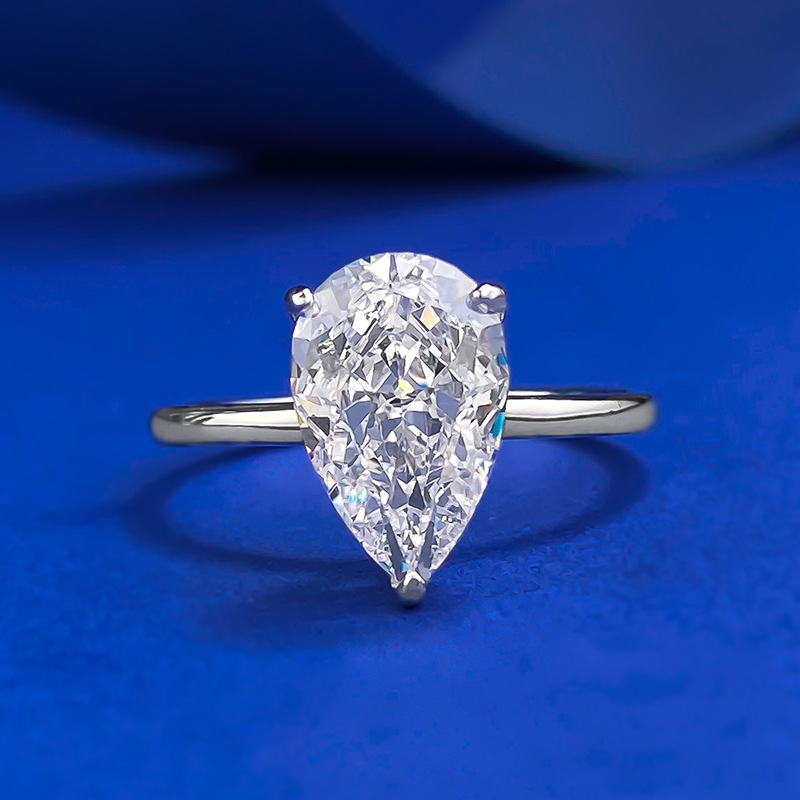
Marquise Cut Hidden Halo Ring Certification Checklist: What to Verify Before You Buy
A marquise Cut Hidden Halo Ring certification checklist helps you check more than sparkle. It shows whether the center stone, the setting, and the seller paperwork all line up. That matters because a marquise can look larger than its carat weight suggests, and a hidden halo can make the whole ring feel even brighter.
Why guess when the report and the invoice can answer most of the hard questions up front? We've found that buyers feel much more confident once they compare the grading report, the side-view photos, and the full ring spec sheet together. That simple habit catches a lot of avoidable mistakes.
A marquise Cut Hidden Halo Ring certification checklist also helps with value. It gives you a cleaner way to compare two rings that may look similar online but differ in color, symmetry, metal, or accent stones. If you plan to insure, resize, or upgrade later, the paperwork you save now can make life easier later.
Why the Paperwork Matters for a Marquise Cut Hidden Halo Ring
A Marquise Cut Hidden Halo Ring stands out because the center stone stretches the eye along the finger. The hidden halo adds sparkle from the side without changing the top view as much as a full halo. That design is lovely, but it can also make a ring harder to judge from one photo alone.
A marquise cut Hidden Halo Ring certification checklist gives you a better view of what is actually being sold. It helps you see the diamond grade, the ring build, and the seller's promises as separate things. That separation matters, because a pretty listing can still hide a weak report or a vague setting description.
GIA and IGI reports are useful because they list measurable details in a standard format. GIA also emphasizes symmetry and polish for fancy shapes, which is especially relevant for marquise diamonds. That is exactly why a marquise cut hidden halo ring certification checklist should start with the report, not the marketing copy.
Marquise Cut Hidden Halo Ring Certification Checklist Basics
The marquise shape has pointed ends and a long face-up outline. A 1.00 carat marquise can look longer and larger than a round stone of the same weight because the weight spreads across the length of the cut. That look is a big part of the appeal, but it also means proportions matter a lot.
The hidden halo is the second part of the design story. It sits under the center stone, so the sparkle shows more from the side than from the top. That means the finished ring can look very different from a loose diamond photo, which is another reason the marquise cut hidden halo ring certification checklist needs both diamond data and setting data.
Marquise shape details to review
Start with symmetry, polish, and measurements. A marquise with uneven points or a lopsided belly can look off once it is set. The shape also makes color and clarity more visible in some stones, so do not rely on carat weight alone.
A small change in length and width can change the whole Look on the Hand. Even a difference of a millimeter or two can make a marquise look slimmer, broader, or more dramatic. That is why the marquise cut hidden halo ring certification checklist should always include full measurements, not just the headline carat number.
Hidden halo details to review
The hidden halo does not replace the center stone. It adds personality, but the center diamond still drives most of the value. Ask what stones are used in the halo, how they are set, and whether the side stones are diamonds, moissanite, or another gem.
A good marquise cut hidden halo ring certification checklist also asks about the metal and the build. 14k gold is 58.5% pure gold, 18k gold is 75% pure gold, and platinum jewelry is often 95% platinum. Those numbers affect price, strength, and long-term wear.
If you want to compare styles before you decide, explore our engagement rings and look at how different settings change the way a marquise sits on the hand.
What to Check on the Diamond Report
This is the part where the marquise cut hidden halo ring certification checklist becomes practical. You want proof that the report matches the exact stone in front of you. If the report and the ring do not agree, stop and ask for written clarification.
1. Confirm the lab name and report number
Begin with the grading lab. GIA and IGI are well-known names because they use consistent formats and clear report numbers. A solid marquise cut hidden halo ring certification checklist should make that lab name easy to find, not buried in a note at the bottom.
Next, verify the report number. You should be able to match it to the lab record, the seller listing, and the stone itself if an inscription is present. If the seller will not share the number before purchase, that is a reason to slow down.
2. Match the measurements exactly
The report should list the carat weight, color, clarity, and full measurements. For a marquise, the millimeter size matters almost as much as the carat weight because the shape changes the face-up look. Two stones with the same weight can still look very different.
A marquise cut hidden halo ring certification checklist should help you compare length, width, and depth side by side. That makes it easier to spot a stone that looks too shallow, too deep, or too narrow for the setting shown online. The more precise the numbers, the easier the comparison.
3. Review symmetry, polish, and any shape notes
Fancy shapes do not always get the same cut grade system as round brilliants, so you need to read the fine print. Look closely at symmetry and polish. If the report includes comments about proportions or finish, those lines matter.
The marquise cut hidden halo ring certification checklist should pay close attention here. A hidden halo can frame the center stone, but it can also make uneven points or a weak outline more obvious. Clean symmetry usually looks better in this setting.
4. Confirm whether the diamond is natural or lab-grown
The report must say whether the stone is natural or lab-grown. That detail affects price, resale expectations, and insurance. If you are comparing two rings that look similar, origin can be the biggest difference between them.
If you are still shopping, shop our lab-grown diamonds and compare the report details before you choose a setting. That makes the marquise cut hidden halo ring certification checklist easier to use because you already know what kind of stone you want.
5. Check the inscription and photo match
A report number by itself is not enough. Ask whether the diamond has a laser inscription and whether the seller can show a close-up image of it. Then compare that image with the report, the listing photos, and the ring details.
We've found that this one step saves a lot of confusion. It is the fastest way to make sure the marquise cut hidden halo ring certification checklist applies to the exact stone, not a similar-looking one.
What the Setting Paperwork Should Show
The grading report usually covers the center stone, not the whole ring. That means the setting still needs its own written details. A good seller will list the metal, the hidden halo design, the accent stones, and any resizing limits.
This part of the marquise cut hidden halo ring certification checklist matters just as much as the diamond report. A platinum setting may cost more than gold, but it often offers excellent strength for daily wear. If the ring is 14k or 18k gold, the gold content should be clear in writing.
Look for details like prong count, shank style, and whether the halo stones are natural diamonds or another material. Ask for the invoice, the spec sheet, and the return policy in one place. A ring can be beautiful and still be hard to service later if the paperwork is thin.
If you're building a custom piece, try our ring builder so you can see how the setting, metal, and center stone choices work together before you place the order.
How to Compare Appraisals, Invoices, and Seller Docs
A grading report is not the same as an appraisal. The report tells you what the stone is. The appraisal estimates value for insurance or replacement. The invoice tells you what you paid and what was included.
That difference matters in any marquise cut hidden halo ring certification checklist. A ring can have a strong appraisal and still have a weak or missing grading report. It can also have a polished product page and still lack enough detail for a smart purchase.
Use each document for its own job:
- Grading report: confirms the diamond's identity and quality
- Appraisal: gives an estimated replacement value
- Invoice: shows the exact item, price, and purchase terms
- Setting sheet: explains the metal, halo, and mounting details
If the report says one carat weight and the listing says another, ask for a correction in writing. If the origin, color, or clarity seems inconsistent, do not move forward until the seller clears it up. A careful buyer treats the marquise cut hidden halo ring certification checklist like a final check, not a formality.
Buying Tips That Make the Decision Easier
Ask direct questions before you pay. Does the center diamond have an independent grading report? Can the seller match the report number to the exact stone? Are the hidden halo stones described in the same documents as the setting?
Those questions are simple, but they reveal a lot. The best sellers answer them quickly and clearly. The marquise cut hidden halo ring certification checklist works best when the jeweler is willing to put details in writing.
Use side-view photos and 360-degree video whenever you can. A marquise can look balanced from the top and awkward from the side. The hidden halo may sit higher than you expect, so check the profile for comfort, stability, and prong protection.
Don't ignore size and fit. If you are unsure about ring size, learn about ring sizing before you finalize a custom order. A Ring That Fits well gets worn more often, and that matters more than most people think.
A second opinion can help too. An independent appraiser or gemologist can read the documents without trying to sell you the ring. That outside view is useful if the report feels incomplete, the proportions look unusual, or the pricing seems out of line.
Common Mistakes to Avoid
The biggest mistake is assuming the hidden halo is covered by the diamond report. It usually is not. The report covers the center stone, while the setting needs separate documentation.
Another mistake is focusing only on carat weight. A larger marquise is not always the better buy if the symmetry is weak or the bow-tie effect is too dark. The marquise cut hidden halo ring certification checklist should keep your eye on shape quality, not size alone.
Watch for vague language like elegant, brilliant, or timeless if there is no matching report number or setting sheet. Those words do not prove anything. If the seller cannot back up the claims, keep asking until the paper trail makes sense.
Marquise Cut Hidden Halo Ring Certification FAQ
What should be included in a marquise cut hidden halo ring certification checklist?
A strong checklist should include the lab name, report number, measurements, carat weight, color, clarity, and any symmetry or polish notes. It should also cover the finished ring details, including metal type, hidden halo description, and accent stones. The goal is to match the documents to the exact ring, not just the style.
Does a hidden halo ring need certification for the setting as well as the center diamond?
The center diamond usually gets the grading report, but the setting still needs clear seller paperwork. You want the metal, halo, and accent stones described in writing so the finished ring matches the listing. That extra detail also helps with insurance, repair work, and future resizing.
How do I know if a marquise diamond certificate matches the ring I'm buying?
Check the report number, full measurements, and inscription against the seller photos and product description. If the lab offers an online lookup tool, use it before you pay. This is one of the easiest ways to apply a marquise cut hidden halo ring certification checklist without guesswork.
What matters most in a marquise cut hidden halo ring?
Symmetry, polish, proportions, and visible length-to-width balance matter most. Color and clarity also deserve a close look because the elongated shape can make flaws easier to spot. The hidden halo adds sparkle, but it cannot fix a weak center stone.
Is an appraisal the same as diamond certification?
No. An appraisal estimates value for insurance or replacement, while a grading report describes the stone's characteristics. Both documents are useful, but they answer different questions. Use both, plus the seller invoice, to complete the marquise cut hidden halo ring certification checklist.
Final Marquise Cut Hidden Halo Ring Certification Checklist
Before You Buy, run through one last check:
- Confirm the lab is independent and easy to verify
- Match the report number to the exact stone
- Check carat weight, measurements, color, clarity, symmetry, and polish
- Confirm whether the diamond is natural or lab-grown
- Verify the hidden halo, accent stones, and metal in the seller paperwork
- Save the invoice, appraisal, and setting sheet in one place
- Ask about return, warranty, resizing, and upgrade terms
The simplest marquise cut hidden halo ring certification checklist is also the most useful: verify the diamond, verify the setting, and verify the seller's documents before payment. That habit protects your budget and helps you compare rings with a clear head.
If you want to keep comparing styles, browse our jewelry collection, explore our engagement rings, or contact our jewelry experts for help reading the paperwork before you decide.
Ready to Find Your Perfect Diamond?
Explore our collection of certified lab-grown diamonds
Shop Diamonds