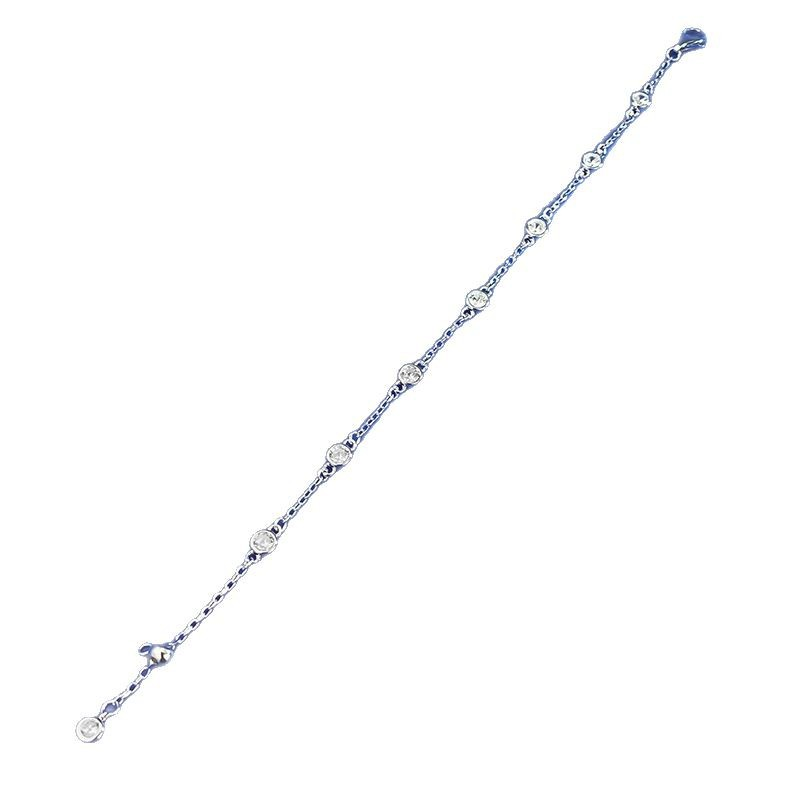
Marquise Cut Diamond Bangle Bracelet Cost Comparison for Buyers
A smart Marquise Cut Diamond bangle bracelet cost comparison helps you see why two bracelets with similar sparkle can carry very different prices. Diamond type, total carat weight, metal choice, setting construction, and finishing all shape the final cost. A marquise diamond bangle is a premium fine jewelry piece with a distinctive elongated silhouette, graceful brilliance, and strong wrist presence. It can feel refined, vintage-inspired, and modern at the same time.
For buyers, the goal is not simply to find the lowest price. The better question is: which bracelet delivers the strongest beauty, durability, and value for the budget? A lab-grown diamond bangle may offer more total carat weight or a higher diamond quality grade than a comparable natural diamond design. A heavier gold bangle may cost more upfront, but it can feel better balanced on the wrist and hold up better to regular wear.
StoneBridge Jewelry focuses on premium lab-grown diamond jewelry for shoppers who want refined design, transparent specifications, and accessible luxury. If you are comparing marquise diamond bangles, our approach is built around real buyer priorities: visible sparkle, elegant proportions, secure construction, and value that makes sense beyond the first glance.
Marquise Cut Diamond Bangle Bracelet Cost Comparison: What Buyers Need to Know
The Marquise Cut Diamond bangle bracelet cost comparison starts with understanding what you are really paying for. A bracelet is more than a row of diamonds. It is a wearable structure with movement, tension, hinges, clasps, curves, and metal weight. Every one of those details affects price and long-term satisfaction.
Marquise diamonds stand out because of their pointed ends and curved sides. They create a petal-like shape that looks elegant across the wrist, especially in east-west settings, alternating diamond layouts, or stations spaced around a gold bangle. The shape can also create more visual coverage than many round diamonds of similar carat weight, which makes the marquise cut attractive for shoppers who want a larger look without moving into high-jewelry pricing.
A meaningful Marquise Cut Diamond Bangle Bracelet cost comparison should evaluate:
- Diamond origin: lab-grown diamond or natural diamond
- Total carat weight: the combined diamond weight across the bracelet
- Diamond quality: cut precision, color, clarity, and consistency
- Metal type: 14K gold, 18K gold, white gold, yellow gold, rose gold, or platinum
- Construction: hinge quality, clasp security, flexibility, and comfort
- Design style: partial coverage, station bangle, continuous diamond layout, or statement design
Buyers often notice that lab-Grown Diamond Bracelets deliver a more dramatic look for the money. Lab-grown diamonds are chemically, physically, and optically diamonds, yet they typically cost less than comparable mined diamonds. The savings can go toward a larger total carat weight, more substantial gold construction, or a more detailed setting.
Why Marquise Cut Diamonds Create Strong Visual Value
Marquise diamonds are known for visual spread. According to GIA cut education, a diamond's face-up appearance depends on more than carat weight; shape, measurements, proportions, and cut precision all influence how large and lively a stone looks from above. A well-cut marquise diamond often appears longer and larger than a round or Princess Cut Diamond with similar weight because the carat is distributed across an elongated outline.
That elongated shape gives a bangle bracelet strong rhythm. The pointed ends add definition, while the curved sides soften the look. On the wrist, marquise diamonds can create movement that feels graceful rather than overly formal. They also pair beautifully with oval, pear, emerald, and round diamonds in mixed-shape designs.
Length-to-width ratio matters. Many marquise diamonds fall around 1.75:1 to 2.25:1, though personal preference varies. A longer ratio looks slender and dramatic. A slightly fuller ratio can feel softer and more balanced in a bracelet setting. Cut precision is especially important because poor symmetry can make the points look uneven or cause a noticeable bow-tie effect through the center. For a luxury bracelet, consistency across multiple marquise stones is a major value factor.
Key Features That Influence Marquise Cut Diamond Bangle Bracelet Pricing
A proper Marquise Cut Diamond Bangle Bracelet cost comparison should separate visible beauty from hidden construction details. Two bracelets may look similar in photos, yet one may use more gold, tighter stone matching, cleaner finishing, and a more secure clasp. Those features cost more to produce, and they also affect how the bracelet wears over time.
The largest pricing factors are usually:
- Total carat weight: Higher total carat weight generally raises cost, especially when diamonds are well matched.
- Diamond quality: Better cut, color, clarity, and consistency increase price.
- Metal type and weight: 18K gold and platinum usually cost more than 14K gold, and heavier bangles use more precious metal.
- Setting style: Bezel, prong, channel, and custom mixed-shape settings require different labor levels.
- Bracelet construction: Hinges, clasps, safety locks, oval shaping, and comfort engineering all influence value.
Design also matters. Some bangles create a center-stone look with one larger marquise diamond or a cluster at the top. Others use multiple marquise stones arranged as floral motifs, east-west stations, or alternating shapes. Full or near-full diamond coverage costs more because it requires more diamonds, more setting labor, and greater consistency across the bracelet.
Partial diamond coverage can be a smart buy if the top-facing portion of the bangle delivers strong sparkle while the underside remains smooth and comfortable. Continuous diamond layouts feel more luxurious but may require more maintenance because more stones and prongs are exposed to daily impact.
Premium finishing deserves attention. A well-made bangle should open smoothly, close securely, sit comfortably, and keep its shape. The clasp should feel deliberate, not flimsy. The hinge should align cleanly. The inside edges should be polished enough for comfort. These details are easy to overlook during a quick price comparison, yet they can determine whether the bracelet becomes a favorite piece or sits unworn.
Diamond Quality: Carat Weight, Cut, Color, and Clarity
Total carat weight is one of the easiest specifications to compare, but it does not tell the full story. A 2.00 carat total weight bangle with small, poorly matched diamonds may not look as refined as a 1.50 carat total weight bangle with excellent proportions, clean settings, and consistent sparkle. Buyers should compare both carat weight and diamond spread.
Marquise diamonds require special attention to cut. The tips should be symmetrical and well protected by the setting. The shoulders and wings should mirror each other. The center should show lively brightness rather than a dark, distracting bow-tie. Some bow-tie contrast is common in elongated fancy shapes, but a strong bow-tie can reduce brilliance.
Color and clarity depend on the design. For lab-grown diamond bracelets, many luxury designs use near-colorless to colorless ranges, often around G-H or better, with clarity grades such as VS or SI depending on stone size and visibility. Smaller accent diamonds may not always carry individual grading reports, but reputable sellers should clearly describe diamond quality ranges. Larger feature stones may come with IGI or GIA grading reports, especially in higher-value designs.
For a marquise cut Diamond Bangle Bracelet cost comparison, consistency is key. Diamonds should look harmonious across the wrist. One noticeably warmer, cloudier, or darker stone can make the entire bracelet feel less premium.
Metal Choice: 14K Gold, 18K Gold, White Gold, Yellow Gold, and Platinum
Metal choice affects both cost and character. A heavier bangle uses more precious metal than a delicate chain bracelet, so changes in gold purity or platinum pricing can materially affect the final price.
14K gold contains 58.5% pure gold and is valued for strength, durability, and everyday wearability. 18K gold contains 75% pure gold, giving it richer precious-metal content and a deeper tone in yellow or rose gold. Platinum is dense, naturally white, and durable, though it can cost more due to material price, weight, and specialized labor.
Color changes the look of marquise diamonds. White gold creates a bright, icy frame that emphasizes diamond whiteness. Yellow gold adds warmth and contrast, making the marquise shape stand out. Rose gold feels romantic and distinctive. Platinum offers a high-end, naturally white option for buyers who prefer a substantial feel.
Industry experts often recommend asking about rhodium plating on white gold. Most White Gold Jewelry is rhodium-plated for a bright white finish, and that plating may need refreshing over time. Gold bangles should also be checked periodically for hinge tension, clasp security, and setting wear, especially if the bracelet is worn often.
Lab-Grown vs Natural Marquise Diamond Bangle Bracelet Cost Comparison
A lab-grown vs natural marquise Diamond Bangle Bracelet cost comparison is one of the most important buying decisions. Both lab-grown and natural diamonds are real diamonds. GIA and IGI both recognize lab-grown diamonds as having the same chemical composition and crystal structure as mined diamonds, though their origin is different.
From a buyer's perspective, the main differences are price, availability, sourcing preference, and resale expectations. Lab-grown diamonds typically cost less than comparable natural diamonds with similar size and quality grades. That price difference can be especially meaningful in a bracelet because bangles often use multiple diamonds. Every stone adds to the final cost.
For example, a natural diamond bangle with several marquise diamonds may require a high budget to achieve strong total carat weight and consistent quality. A lab-grown diamond version can often deliver a larger look, better color or clarity, or a more intricate design at a lower price point. Exact savings vary by diamond specifications, metal markets, and brand pricing, but the value difference is a major reason shoppers compare lab-grown diamond bracelets before buying.
Appearance is not usually the concern. To the unaided eye, a well-cut lab-grown diamond and a well-cut natural diamond can look identical. The difference lies in origin and pricing structure. Lab-grown diamonds are created in controlled environments using advanced technology, while natural diamonds form underground over geological time.
Ethical sourcing also plays a role. Many buyers prefer lab-grown diamonds because they want traceable origin, modern production, and a lower mined-resource footprint. Natural diamonds can also be responsibly sourced, but buyers should look for clear disclosures and reputable supply chains.
A practical marquise cut diamond bangle bracelet cost comparison should ask: would you rather allocate the budget toward mined origin, or toward visible design upgrades? For many StoneBridge Jewelry shoppers, lab-grown diamonds offer the stronger balance of sparkle, specification, and accessible luxury.
When Lab-Grown Diamonds Offer the Best Value
Lab-grown marquise diamond bangles are especially compelling for milestone gifts, anniversary bracelets, bridal jewelry, birthday surprises, and luxury everyday wear. They also work beautifully as stacking pieces because buyers can choose a design with enough diamond presence to stand alone while still pairing well with tennis bracelets, gold cuffs, and fine chain bracelets.
StoneBridge Jewelry's lab-grown diamond focus supports premium styling without the traditional mined-diamond markup. That can help buyers move from a minimal accent bangle into a more substantial marquise design, or from basic gold into a more refined 14K or 18K setting.
Before buying, compare product pages carefully. Look at:
- Total carat weight and number of diamonds
- Diamond origin, color, clarity, and cut details
- Metal type, purity, and finish
- Bracelet size, shape, and clasp construction
- Return policy, warranty, and service options
- Product images that show scale, side profile, and closure
If you want to compare diamond options across jewelry categories, you can also shop our lab-grown diamonds to understand quality grades, shapes, and value differences before choosing a bracelet.
Typical Price Ranges and What You Get at Each Level
Price ranges for marquise diamond bangles vary widely because design and specifications change quickly. A slim lab-grown diamond accent bangle may sit in an entry-luxury range, while a high-carat natural diamond bangle in platinum can reach a much higher level. Current gold prices, diamond availability, craftsmanship, and brand policies all affect live pricing.
Use this table as a shopper-focused framework rather than a fixed quote:
| Price Tier | Likely Features | Best Buyer Fit | Value Notes |
|---|---|---|---|
| Entry-luxury | Lower total carat weight, partial marquise accents, slim 14K gold profiles, lab-grown diamond options | First fine jewelry purchase, gifting, stacking | Strong style impact if settings are secure and diamonds are well matched |
| Mid-range premium | More marquise diamonds, higher total carat weight, heavier gold, refined hinge and clasp details | Anniversary gifts, bridal jewelry, everyday luxury | Often the sweet spot for lab-grown diamond value and wrist presence |
| Statement-level | Larger total carat weight, continuous or near-continuous diamond layouts, 18K gold or platinum, complex craftsmanship | Major milestones, high-impact luxury styling | Lab-grown designs can create a dramatic look for less than comparable natural diamond pieces |
| High-jewelry inspired | Custom layouts, mixed diamond shapes, exceptional finishing, larger feature stones | Collectors and buyers seeking exclusivity | Price depends heavily on labor, matching, metal weight, and diamond quality |
Many shoppers expect diamond count to be the main driver, but gold weight and construction can be just as important. A sturdy oval bangle with a secure hinge may cost more than a lighter round bangle, even if the diamond weight is similar. A design with hand-finished prongs and carefully matched marquise stones will also command a premium over mass-produced pieces with looser quality controls.
A marquise cut diamond bangle bracelet cost comparison should also consider how the bracelet will be worn. For daily wear, a slightly lower carat weight with stronger construction may be smarter than a delicate high-sparkle design that feels fragile. For formal wear, a statement piece with larger marquise diamonds may deliver the right impact.
Exact costs change with current metal markets, diamond specifications, and available inventory. The best move is to compare live product pricing, review specifications side by side, and choose the bracelet that aligns with both budget and wear goals.
Entry-Luxury Marquise Diamond Bangles
Entry-luxury marquise diamond bangles usually feature lower total carat weight, partial diamond accents, or slim gold profiles. These designs can still look elegant because the marquise shape has strong visual spread. A few well-placed marquise diamonds along the top of the wrist can create more presence than expected.
This tier works well for first fine jewelry purchases, graduation gifts, birthday gifts, bridesmaid luxury, or stackable bracelet styling. Lab-grown diamond options are especially appealing here because they help buyers access real diamond sparkle without stretching into natural diamond statement pricing.
The key is not to chase the cheapest listing. A lower price loses appeal if the bangle has vague diamond details, thin metal, sharp edges, weak prongs, or an unreliable clasp. Even at an accessible price, buyers should prioritize secure settings, clear specifications, and a design that feels comfortable enough to wear often.
Premium and Statement-Level Marquise Diamond Bangles
Premium and statement-level marquise diamond bangles usually include larger total carat weights, more substantial gold construction, continuous diamond layouts, or more sophisticated stone arrangements. These bracelets have stronger wrist presence and often look more balanced because the diamond coverage, metal weight, and proportions are designed together.
At this level, craftsmanship becomes easier to see. The bracelet should sit smoothly, open and close with confidence, and frame the diamonds without overwhelming them. Balanced proportions matter. If the diamonds are large but the bangle is too thin, the piece may feel top-heavy. If the metal is too bulky, the marquise shape may lose its graceful effect.
Premium lab-grown options can deliver dramatic visual impact at a more favorable cost than comparable natural diamond designs. Buyers may be able to choose a higher total carat weight, better color grade, or more intricate layout while staying within a planned budget. For many shoppers, lab-grown diamond bangles feel most compelling at this level.
How to Compare Value Before Buying a Marquise Diamond Bangle
The strongest marquise cut diamond bangle bracelet cost comparison goes beyond sticker price. A bracelet with a lower price tag may not be the better value if it compromises comfort, clasp security, diamond consistency, or metal durability. Fine jewelry should look beautiful on day one and still feel dependable years later.
Start with the core specifications. Confirm total carat weight, number of stones, diamond origin, metal type, and bracelet size. Then look at construction. A hinged bangle should close securely and sit comfortably. An oval silhouette often follows the wrist better than a perfectly round shape and may reduce spinning. If the design has marquise diamonds with exposed points, check whether the setting protects those tips.
Use this buying checklist before purchasing online:
- Confirm whether the diamonds are lab-grown or natural.
- Compare total carat weight and diamond measurements, not carat weight alone.
- Review color and clarity ranges, especially for larger marquise stones.
- Check metal purity, such as 14K gold, 18K gold, or platinum.
- Inspect clasp, hinge, and safety-lock descriptions.
- Review sizing guidance, return policy, warranty, and service options.
- Look for clear product photography from multiple angles.
Brand trust also matters. A reputable jewelry retailer should make specifications easy to understand and should provide support if you need help comparing pieces. If you are shopping across different fine jewelry styles, you can browse our jewelry collection to compare diamond bracelets, rings, earrings, and other lab-grown diamond designs in one place.
Long-term wearability deserves real weight in your decision. A bracelet that catches on clothing, spins constantly, or feels too tight will not deliver full value, even if the diamond specifications look strong on paper. The best purchase balances sparkle, comfort, construction, and policies.
Red Flags in Low-Priced Diamond Bangle Bracelets
Low prices can be attractive, but some listings hide important details. Be cautious if a product page uses broad phrases like good quality diamonds without listing total carat weight, diamond origin, color range, clarity range, or metal purity. Vague information makes comparison difficult.
Watch for these red flags:
- No clear statement of lab-grown versus natural diamonds
- Missing total carat weight or unclear diamond count
- Metal described only as gold without 14K, 18K, or plating details
- No photos of the clasp, hinge, underside, or side profile
- No return policy, warranty details, or service guidance
- Overly broad quality claims without grading context
Jewelers often inspect prongs, hinges, clasps, and bracelet alignment before recommending a bangle. The same logic applies online. If the marquise points are not protected, they may be more vulnerable to impact. If the clasp looks thin or poorly described, the bracelet may not be ideal for regular wear. A trustworthy product page should help you understand both beauty and structure.
Buyer Considerations: Fit, Comfort, Care, and Styling
A marquise diamond bangle should feel as good as it looks. Fit affects comfort, security, and how the diamonds face upward on the wrist. Too tight, and the bracelet may pinch or limit movement. Too loose, and it may slide, spin, or knock against surfaces more often.
Everyday wear also affects value. Diamond is hard, ranking 10 on the Mohs scale, but jewelry settings can still bend, loosen, or wear. The pointed ends of marquise diamonds deserve extra care because they rely on protective settings. Remove your bracelet before heavy lifting, high-impact exercise, gardening, swimming in chlorinated pools, or using harsh cleaning chemicals.
Styling is where the marquise bangle shines. Worn alone, it creates a clean luxury statement. Stacked with a tennis bracelet, it adds shape contrast and movement. Paired with diamond studs or an engagement ring, it can create a polished bridal or anniversary look. Yellow gold adds warmth to a stack, while white gold or platinum creates a cooler, more diamond-forward finish.
If you are building a coordinated bridal jewelry look, you may also explore our engagement rings to compare diamond shapes and metal colors that pair well with a marquise bangle.
Choosing the Right Size and Fit
Bangle fit usually falls into three categories: snug, classic, and loose fashion fit. A snug fit stays close to the wrist and tends to move less. A classic fit allows comfortable motion without excessive sliding. A looser fashion fit creates a relaxed look but may spin more, especially with a top-heavy diamond design.
Measure your wrist before buying. Use a flexible tape measure around the wrist bone, then compare the measurement with the product's sizing guidance. For hinged bangles, the opening and inner circumference matter more than hand width. For slip-on bangles, the widest part of the hand becomes important.
Oval hinge bangles can be especially comfortable because they follow the wrist's natural shape. They may also help keep marquise diamond stations facing upward, which improves the look and reduces unnecessary impact.
Care Tips for Marquise Diamond Bangle Bracelets
Clean your bracelet gently when buildup dulls the sparkle. Use mild soap, warm water, and a soft brush if the jewelry's construction allows it. Rinse carefully and dry with a soft, lint-free cloth. Avoid abrasive cleaners, bleach, chlorine, and ultrasonic cleaning unless a jeweler confirms the bracelet is suitable for that method.
Store the bangle separately in a soft pouch or lined jewelry box. Diamonds can scratch other jewelry, and metal can pick up marks from harder surfaces. Separating pieces also protects marquise points and prongs from unnecessary knocks.
Schedule periodic professional inspections, especially for bracelets worn often. A jeweler can check prong tension, hinge alignment, clasp strength, and diamond security. This small maintenance habit protects your purchase and helps preserve long-term value.
Why Buy a Lab-Grown Marquise Diamond Bangle from StoneBridge Jewelry
StoneBridge Jewelry is a premium destination for lab-grown diamond bracelets that balance beauty, quality, and price-conscious luxury. Our curated approach is designed for shoppers who want the elevated look of fine diamond jewelry without unnecessary complexity or inflated mined-diamond pricing.
A strong marquise cut diamond bangle bracelet cost comparison should make you feel more confident, not more overwhelmed. StoneBridge Jewelry helps by focusing on clear product details, refined styling, and designs that feel wearable beyond a special occasion. Lab-grown diamonds allow buyers to prioritize sparkle, proportion, and craftsmanship while staying aligned with modern sourcing preferences.
Shoppers choose StoneBridge Jewelry for:
- Curated lab-grown diamond designs with polished, luxury styling
- Transparent specifications that help simplify comparison
- Fine jewelry options suited for gifting, anniversaries, bridal looks, and everyday elegance
- Online convenience with product details that support confident buying
- Accessible luxury that helps maximize visible diamond impact
Popular diamond bangle styles can sell quickly, especially designs with balanced carat weight, versatile gold colors, and stackable proportions. If a marquise diamond bangle matches your size, budget, and preferred metal, comparing current product pricing sooner can help you secure the style before availability changes.
Shop StoneBridge Jewelry's diamond bracelet selection, compare lab-grown marquise designs, and choose the bangle that gives you the right mix of brilliance, comfort, and long-term value.
Making a Smart Marquise Cut Diamond Bangle Bracelet Cost Comparison
A smart marquise cut diamond bangle bracelet cost comparison looks at the full picture: diamond origin, total carat weight, cut quality, color, clarity, metal choice, craftsmanship, fit, and brand trust. Price matters, but value depends on how well those details work together.
Marquise diamonds offer strong visual impact because their elongated shape can create impressive face-up presence. In a bangle bracelet, that shape adds elegance, movement, and a distinctive fine jewelry look. Lab-grown diamond bangles can be an exceptional choice for buyers who want premium sparkle, ethical appeal, and a more accessible price than comparable natural diamond designs.
Before You Buy, compare current styles side by side. Review the specifications, check the metal and clasp details, and think about how often you will wear the bracelet. Then choose the piece that feels beautiful, secure, and worth reaching for again and again.
Ready to compare? Shop StoneBridge Jewelry's lab-grown diamond bangle bracelet selection now and explore current marquise-inspired styles before preferred designs sell out.
FAQ
How much does a marquise cut diamond bangle bracelet cost?
The cost depends on total carat weight, diamond type, metal choice, setting style, and craftsmanship. Lab-grown marquise diamond bangles often provide a larger or higher-quality look for less than comparable natural diamond bracelets. Exact pricing changes with gold markets, diamond grades, and design availability.
Are lab-grown marquise diamond bangle bracelets worth buying?
Yes. Lab-grown diamond bangles can be an excellent value because they offer the same optical and chemical diamond properties as mined diamonds. They are especially appealing for buyers who want premium sparkle, modern sourcing, and more visible design impact for the budget.
What should I compare before buying a marquise cut diamond bangle bracelet online?
Compare total carat weight, diamond quality, metal type, bracelet size, clasp or hinge construction, return policy, and warranty details. Confirm whether the diamonds are lab-grown or natural. Review product images closely, especially the setting, side profile, and closure.
Why do marquise diamond bangles sometimes look larger than other diamond bracelets?
The marquise cut has an elongated shape that can create a larger face-up appearance compared with some other diamond shapes of similar carat weight. This makes it a strong choice for buyers seeking high visual impact and elegant wrist coverage. Cut quality and proportions still matter because poor symmetry can reduce brilliance.
Is 14K or 18K gold better for a marquise diamond bangle bracelet?
Both can be excellent choices. 14K gold offers strong durability for frequent wear, while 18K gold has richer precious-metal content and a more luxurious color. The better option depends on your budget, preferred color, and how often you plan to wear the bracelet.
Ready to Find Your Perfect Diamond?
Explore our collection of certified lab-grown diamonds
Shop Diamonds