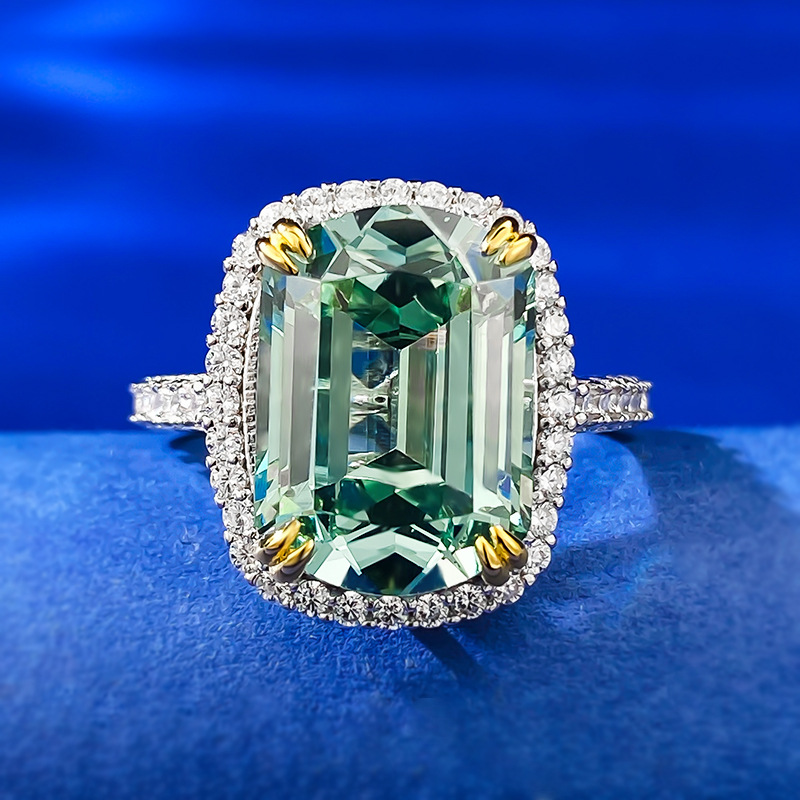
Low Profile Ring Setting Maintenance Plan: Care, Cleaning, and Inspection
A Low Profile Ring Setting maintenance plan keeps a ring secure, bright, and comfortable for everyday wear. A setting that sits close to the finger may feel practical, but it still needs regular care to protect the stone, preserve the finish, and catch wear before it turns into a repair.
The routine also removes guesswork. Lotion, soap film, desk work, workouts, and the occasional bump against a counter all leave a mark over time. A simple plan helps you notice changes early, while the ring is still easy to clean and inspect.
Why a Low Profile Ring Setting Maintenance Plan Matters
A low-set ring usually snags less than a tall solitaire, but dirt still collects in hidden places. Soap residue builds up around prongs, under galleries, and along bezel edges. That buildup can hide small problems until they become more serious.
We see the same pattern often in the shop: a ring comes in for a routine polish, and the real issue is a prong that has thinned with wear. A Low Profile Ring Setting Maintenance plan helps you catch those warning signs while the fix is still straightforward.
The metal matters too. 14k gold is 58.3% pure gold, while 18k gold is 75% pure gold, so the softer alloy can show wear a little sooner. Platinum is durable, but it still develops patina and polish loss where the ring rubs every day. A Low Profile Ring Setting maintenance plan should match the metal as well as the setting style.
GIA care guidance also supports a simple routine for many diamond rings: warm water, mild soap, and a soft brush are usually enough for regular cleaning. That works well for surface buildup, but cleaning does not replace inspection. Cleaning shows you the ring. Inspection tells you whether it is still sound.
Low Profile Ring Setting Maintenance Plan by Schedule
The easiest maintenance plan is one you can repeat without thinking about it. Break the work into daily, weekly, monthly, and semiannual checks, and the ring stays much easier to manage.
Daily care in a Low Profile Ring Setting Maintenance Plan
Small habits reduce wear and make a big difference over time.
- Put the ring on after lotion, sunscreen, and hair products have dried.
- Take it off before lifting weights, yard work, or heavy cleaning.
- Wipe it with a soft microfiber cloth if it looks dull.
- Check the stone from the side for any obvious shift.
Those steps take less than a minute. They also help you notice if the ring suddenly feels loose, tight, or different on the finger. A change in comfort is often the first clue that the setting needs attention.
Weekly care in a Low Profile Ring Setting Maintenance Plan
Once a week, look at the ring under bright light. Rotate it slowly and inspect the underside, the shoulders, and the edges around the stone. A low profile Ring Setting Maintenance plan works best when the hidden areas get deliberate attention.
Look for dirt packed under the stone, rough edges that catch fabric, or a center stone that no longer looks centered. If the ring has accent stones, check those too. Small side stones can loosen before the center stone moves.
Monthly care in a Low Profile Ring Setting Maintenance Plan
Once a month, clean the ring at home with warm water and a drop of mild dish soap. Soak it for 15 to 20 minutes, then brush gently with a soft toothbrush and rinse it over a closed drain or a fine strainer.
After it dries, inspect it again. A low profile ring setting maintenance plan should look for thin prongs, tiny gaps between the stone and the setting, and any edge that seems flatter than before. If you have a loupe, use it. If you do not, bright daylight works better than most people expect.
This is also a good time to think about your daily routine. A ring worn during typing, cooking, childcare, or gym time may collect residue faster than expected. If that sounds familiar, your low profile ring setting maintenance plan may need a more frequent cleaning rhythm.
If you are comparing styles before buying, browse our engagement rings and look closely at how low the stone sits. You can also shop lab-grown diamonds or use our ring builder to compare center stone shapes Before You Buy.
Professional care in a Low Profile Ring Setting Maintenance Plan
Have a jeweler inspect the ring once or twice a year. For heavier daily wear, every six months is a smart schedule. A low profile ring setting maintenance plan should include professional service even if the ring looks fine from the top.
A jeweler can test the stone, check the underside, and spot wear you cannot see at home. A check after resizing, a hard bump, or any time the ring suddenly feels different is also a good idea. Small damage hides best right after it happens.
What to Buy if You Want Less Maintenance
The best low profile ring setting maintenance plan starts before the purchase. A ring that is easier to clean and less likely to snag will need less repair work over time. If you are choosing a new ring, look at the stone, the metal, and the overall architecture together rather than treating them as separate decisions.
For diamond engagement rings, many buyers choose a center stone with a grading report from GIA or IGI. A certified stone gives you a documented starting point for color, clarity, cut, and measurements, which makes it easier to compare value and identify changes later. For round brilliants, an Excellent or Ideal cut grade usually gives the best light return, which matters because a well-cut stone often looks brighter even when it is slightly dirty.
Clarity also affects day-to-day appearance. VS1 to SI1 is a common buying range because most stones in that range appear clean to the eye while leaving more budget for cut quality or a stronger setting. Color depends on the metal. In white gold or platinum, G to H often gives a balanced look for many shoppers. In yellow or rose gold, you may be able to go a little lower in color without noticing it from the top.
Shape matters for maintenance too. Round and oval stones tend to be more forgiving in low settings. Pear, marquise, and emerald cuts can be beautiful, but their points and corners need stronger protection. If you prefer one of those shapes, ask whether the setting includes V-prongs or bezel protection at the vulnerable ends. That extra detail can reduce maintenance over time.
Bezel settings usually offer the simplest care because they protect the edges of the stone and reduce the chance of snagging. Semi-bezel and low halo designs can also be practical, but they introduce more cleaning points. A prong setting shows more of the stone and may look lighter, yet it needs closer inspection because the prongs carry more of the risk.
Price is part of the maintenance conversation too. A simple 14k gold low profile mounting may start in the low hundreds, while a more detailed custom design, platinum build, or pavé style can run into the high hundreds or low thousands before the center stone is added. Once the diamond is included, the total cost can rise quickly based on carat weight, cut, and certification. A maintenance-friendly design is usually worth paying a bit more for if it reduces repairs, resizing issues, and stone loss later.
How Setting Style Changes the Work
A low profile ring setting maintenance plan should fit the exact setting style. A bezel protects the stone edges well, but grime often gathers along the rim. Prong settings leave more of the stone visible, yet the prongs need closer checks because they carry more of the load.
Basket settings, low cathedral styles, and pavé bands all age a little differently. Open baskets are easier to clean, but they also collect lint in the framework. Pavé settings need more attention because small stones can loosen before a center stone does. If the design is complex, the maintenance plan should be more careful, not less.
Stone shape matters too. Round stones tend to wear evenly. Pear, marquise, emerald, and oval cuts can show stress at pointed ends or corners. A low profile ring setting maintenance plan should watch those spots closely, since they are often the first to show a bend or gap.
Sizing, Fit, and Everyday Wear
Ring size affects maintenance more than many buyers expect. A ring that is too loose twists around the finger, which increases side wear, turns the center stone toward the palm, and exposes prongs to more impact. A ring that is too tight can be difficult to remove after heat, swelling, or exercise, which tempts people to force it off and damage the setting.
For many low profile rings, a comfortable fit is a little snug over the knuckle and comfortable at the base of the finger. If your knuckles are noticeably larger than the base, ask about sizing beads or a slight contour in the shank rather than jumping to a full size change. Those small adjustments can improve fit without making the ring spin excessively.
Resizing also affects the setting itself. Any solder seam is a point worth checking after sizing, especially on rings with pavé shoulders or delicate galleries. If the ring is platinum, resizing may preserve the metal better than some softer gold alloys, but the design still needs inspection. A low profile ring setting maintenance plan should always include a post-resize check within a few weeks of the work.
If you wear the ring daily, think about the rest of your jewelry too. Stacking with a wedding band can cause friction along the lower half of the setting. If the band has sharp edges or a high profile, it may wear the engagement ring faster. Matching a low-set engagement ring with a smooth, well-fitted wedding band helps reduce contact wear and keeps the whole stack more comfortable.
Safe Cleaning Methods That Work
A low profile ring setting maintenance plan should stay gentle. Warm water, mild dish soap, and a soft brush are the safest starting tools for most diamond and durable gemstone rings. That simple method removes the film that hides wear and dulls sparkle.
Use this order:
- Fill a small bowl with warm water and a drop of mild soap.
- Soak the ring for 15 to 20 minutes.
- Brush lightly around the stone, basket, and underside.
- Rinse with lukewarm water over a safe drain setup.
- Dry with a lint-free cloth.
Avoid bleach, toothpaste, baking soda scrubs, and harsh household cleaners. Those products can scratch metal or leave residue behind. A low profile ring setting maintenance plan should also treat ultrasonic cleaners with care. They can work well for some sturdy diamond rings, but they are not safe for every stone or every setting.
If the ring has opal, pearl, emerald, turquoise, or another softer gemstone, ask a jeweler before cleaning it at home. The same is true if the stone already feels loose. A little caution now saves a lot of trouble later.
Maintenance Costs, Repairs, and Warranties
Budgeting for maintenance makes the ring easier to own long term. A routine professional cleaning and inspection is often low cost, and some jewelers include it for free when the ring was purchased from them. Prong tightening, polishing, and minor repair work can be moderate, while rebuilding a worn setting or replacing a lost stone can become expensive quickly.
If you are comparing sellers, ask what is included after purchase. A useful warranty may cover periodic inspections, rhodium plating for white gold, and tightening of loose stones, but only if you follow the inspection schedule. Some policies exclude damage from knocks, bending, or lost stones if the ring was not serviced on time. A low profile ring setting maintenance plan is stronger when the warranty terms are clear.
Shipping and returns matter as well, especially if you are buying online. Look for fully insured shipping, signature confirmation, and a return window long enough to inspect the ring at home. A 14 to 30 day return period is common for Online Jewelry Purchases, but the exact policy matters more than the headline. Check whether resized, engraved, or custom items are final sale. If the ring needs an exchange, it is better to know before ordering than after the setting has already been altered.
When you receive the ring, inspect it immediately under bright light. Confirm that the prongs are even, the stone is centered, the finish is consistent, and the paperwork matches the item. Keep the certification, receipt, and insurance documents together. That record helps if you need service, replacement, or appraisals later.
Signs It Is Time for a Jeweler
A low profile ring setting maintenance plan depends on catching small changes early. The warning signs are often subtle. The stone may shift when touched lightly, one prong may look shorter, or the ring may start snagging on clothing more than it used to.
Look for these red flags:
- The center stone moves when you nudge it gently.
- One prong looks bent, flat, or shorter than the others.
- The stone sits crooked or higher on one side.
- The bezel edge looks thin, split, or uneven.
- Accent stones appear loose or missing.
- The finish wears faster on one side of the ring.
A ring can also feel different before it looks different. If it rotates more on the finger, taps lightly when you move your hand, or changes after a resize, get it checked. A low profile ring setting maintenance plan should treat any impact as a reason to inspect right away, even if nothing looks broken.
Mistakes That Shorten Ring Life
A low profile ring setting maintenance plan breaks down quickly when the ring stays on during high-stress tasks. Sleeping, sports, heavy cleaning, gardening, and weight training all add wear. The ring may feel sturdy, but repeated pressure still bends metal over time.
Scrubbing too hard is another common mistake. Force does not make a ring cleaner in any useful way. It can thin prongs, scratch the finish, and push grit into places you cannot see.
These habits are worth avoiding:
- Leaving the ring on in a pool or hot tub.
- Storing it loose with other jewelry where pieces rub together.
- Ignoring a tiny snag or rattle.
- Using a metal pick to remove debris from under the stone.
A low profile ring setting maintenance plan works best when small changes get attention fast. The sooner you address them, the easier and cheaper the repair usually is.
FAQ About Low Profile Ring Setting Maintenance Plan
How often should I inspect a low profile ring setting at home?
A quick check once a week and a slower inspection once a month is a solid routine for most rings. That rhythm helps you catch buildup, bent prongs, and loose stones before they turn into bigger repairs. If you bump the ring, resize it, or wear it through heavy hand use, inspect it right away. A low profile ring setting maintenance plan works best when you do not wait for visible damage.
Is ultrasonic cleaning safe for a low profile ring setting?
Sometimes, but only if a jeweler says your ring is a safe candidate. Ultrasonic machines can shake loose stones or make existing wear worse, especially in settings that already have stress. A low profile ring setting maintenance plan should treat ultrasonic cleaning as a special-case tool, not a default step. If you are unsure, stick with soap, water, and a soft brush.
What should I do if my low profile ring setting gets bumped?
Stop wearing it and check for any change in how the stone sits. A hard hit can bend a prong, loosen a bezel, or shift a stone without leaving a visible mark. A low profile ring setting maintenance plan should send the ring to a jeweler after any real impact. That check is quick, and it is much cheaper than replacing a lost stone.
Can I wear a low profile ring setting every day?
Yes, and many people do. Daily wear is common for engagement rings and wedding bands, but it also means more contact with soap, lotion, dust, and friction. A low profile ring setting maintenance plan matters more, not less, when the ring stays on most of the time. Regular cleaning and scheduled inspections keep the setting in better shape.
Why does my low profile ring setting keep collecting dirt?
Low-set rings have small spaces where oils, soap film, and lint settle over time. That is normal, but it can hide wear if you never clean the ring well enough to inspect it. A low profile ring setting maintenance plan keeps that buildup under control with monthly washing and careful drying. The ring will look brighter, and the setting will be easier to check.
What metal is easiest to maintain for a low profile ring?
Platinum is often preferred for durability and long-term wear, while 14k gold is a practical balance of strength and affordability. White gold usually needs periodic rhodium replating to keep a bright white look. Yellow and rose gold hide small scratches a little better because the color is built into the alloy. The easiest metal for you depends on how often you wear the ring, how much polishing you want to do, and whether you prefer a bright finish or a softer patina.
How much should I expect to spend on a maintenance-friendly ring?
For a simple low profile mounting, a few hundred dollars is common before the center stone. More complex settings with pavé, custom shaping, or platinum can move into the high hundreds or beyond. If you are shopping for the full ring, certification, cut quality, and setting durability usually matter more than chasing the lowest sticker price. Spending a little more on a stable setting can reduce repair costs later.
A low profile ring setting maintenance plan is simple: clean gently, inspect on a schedule, and let a jeweler handle anything that feels off. If you are comparing styles Before You Buy, see our jewelry collection and look for settings that fit the way you wear a ring every day. A few minutes of care now can save a center stone, a prong, or the whole setting later.
Ready to Find Your Perfect Diamond?
Explore our collection of certified lab-grown diamonds
Shop Diamonds