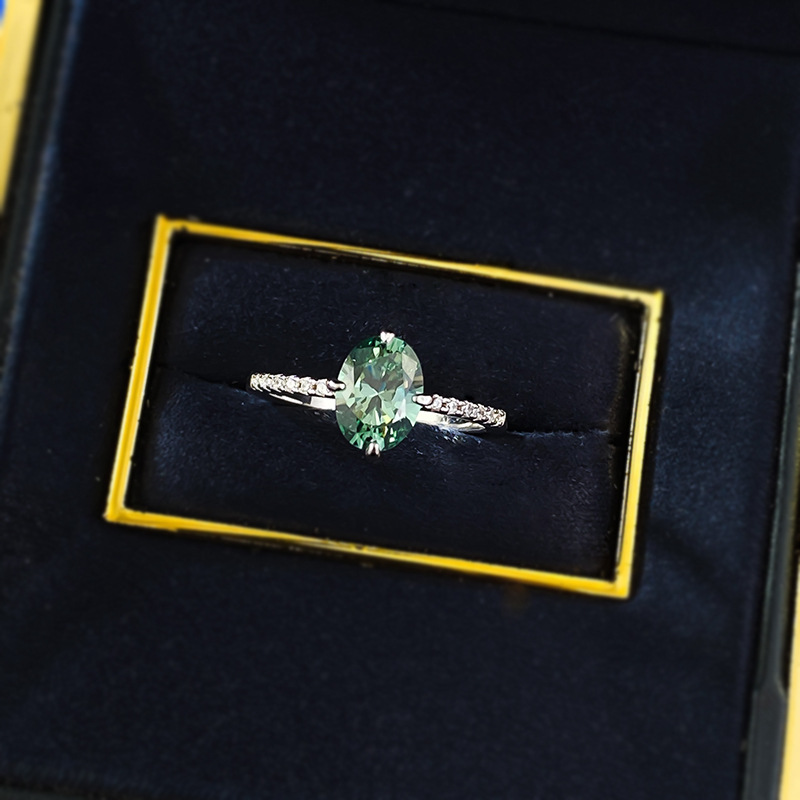
Low Profile Ring Setting Comparison Guide: Bezel vs Low Basket
A Low Profile Ring Setting comparison guide should answer one question quickly: which setting stays close to the hand without sacrificing the look you want? For many shoppers, the choice comes down to a bezel or a low basket. The real differences show up in head height, snag resistance, sparkle, and upkeep.
Bench jewelers often measure head height from the top of the shank to the highest point of the center stone. Many low-profile heads fall around 3.5 to 6 mm above the shank. A shift of just 1 to 2 mm can change how a ring feels with gloves, sleeves, or pockets.
That is why this Low Profile Ring Setting Comparison guide looks past showroom language and focuses on daily wear. What matters more to you: a smoother edge or a more open side view? GIA notes that cut quality drives brilliance, and IGI reports verify the diamond itself, but the setting still changes how you see the stone every day.
What Low Profile Means in Ring Settings
Low Profile Ring Settings sit closer to the finger than taller cathedral, tulip, or high basket heads. The goal is simple: less snagging, more comfort, and a ring that feels easier to wear all day. Low does not mean identical, though.
Jewelry pros usually compare four details:
- Head height in millimeters.
- Stone exposure from the side.
- Edge shape and snag points.
- Gallery clearance for cleaning and comfort.
A lower mounting usually feels better on active hands. It can also change how much side light reaches the diamond. For a Low Profile Ring Setting comparison guide, that tradeoff is the real decision point.
It is also worth separating the setting from the stone. A well-cut 1.00 ct diamond in a clean, low mounting can look sharper than a larger stone with weak proportions in a tall setting. If you are comparing options online, check the actual head height, the diamond measurements in millimeters, and whether the seller lists crown angle, table percentage, and depth percentage. Those details help predict how the ring will Look on the Hand more reliably than carat weight alone.
Bezel Setting: The Smoothest Low-Profile Option
In a Low Profile Ring Setting comparison guide, the bezel usually wins on protection. The metal rim wraps around the stone and smooths out the outside edge, so there are fewer spots to catch on fabric or tools. That makes it a strong pick for people who use their hands a lot.
The other advantage is security. A bezel shields the girdle, one of the more exposed parts of the diamond. It also creates a clean, modern outline that many buyers like right away.
The tradeoff is visibility. A bezel can block some side light, and a heavy frame can make the stone look a little smaller. It does not kill sparkle, but it does create a more controlled and less open look.
We often see customers in healthcare, fitness, food service, and hands-on trades choose bezels after trying both styles. They want the ring to stay out of the way and keep up with the day. That is a practical choice, not a compromise.
Bezel rings can also be very intentional stylistically. A fine bezel in platinum or 18K gold can make an oval or emerald-cut diamond look crisp and architectural. A thicker bezel in yellow gold can create a more substantial frame, which some buyers prefer for a vintage or contemporary design. The metal thickness matters: a narrow, well-proportioned bezel preserves more face-up size than an oversized rim that covers too much of the stone.
Bezel Pros and Cons
Pros:
- Strong stone security for daily wear.
- Smooth edges with fewer snag points.
- Lower maintenance on exposed prongs.
- Modern look that feels clean and direct.
- Good choice for active wearers.
Cons:
- Less side light than an open setting.
- Can make the center stone look smaller if the bezel is thick.
- Less traditional if you want a classic prong look.
- Repairs can require a jeweler who is comfortable with custom fit work.
Best Fit for a Bezel
A bezel fits shoppers who want the most protection and the least fuss. If you wear gloves often, travel a lot, or work around hard surfaces, this setting makes life easier. It also pairs well with round, oval, emerald, and asscher shapes.
If you want to compare stone shapes side by side, explore our engagement rings and use the filters for setting style and metal color. You can also compare how a bezel changes the face-up look of different diamond cuts.
For buyers focused on durability, a bezel is often a smart match for diamonds in the VS2 to SI1 clarity range if the inclusions are not visible face-up. Because the rim covers the girdle, it can help visually tidy up a stone with a slightly imperfect edge. That said, the setting should never be used to disguise a poor stone. If the diamond has a weak cut, a deep chip, or a very visible inclusion under the table, the bezel will not fix the underlying problem.
Low Basket Setting: Low Height, More Open Light
A low basket keeps the stone close to the finger while leaving more of it exposed than a bezel. The center stone sits in a shortened basket with prongs or similar supports holding it above the shank. In a Low Profile Ring Setting comparison guide, this is often the middle ground.
The main draw is balance. You still get a classic engagement ring feel, but the profile stays modest. Because the sides remain more open, the diamond usually gets better light access than it would in a full bezel.
A low basket can also feel more familiar to buyers who want a traditional silhouette. It keeps the ring from sitting too tall without closing in the stone. For many people, that is the sweet spot.
The tradeoff is exposure. More open sides mean more edges that can catch or take a hit. Prongs need regular checks, especially on a ring worn every day.
Low baskets are commonly built with four or six prongs, depending on the diamond shape and the customer’s comfort with security versus openness. Four-prong heads usually show more of the stone, while six-prong heads can add a bit of redundancy on round stones and slightly soften the overall look. If the ring will be worn constantly, ask whether the prongs are rounded, clawed, or tab-style, because that detail affects both the visual finish and the chance of catching on knitwear.
Low Basket Pros and Cons
Pros:
- Lower silhouette than many classic baskets.
- More open sparkle than a bezel.
- Traditional engagement ring feel.
- Good fit for many diamond shapes.
- Easier to admire the stone from the side.
Cons:
- More exposed edges than a bezel.
- Prongs need routine inspection.
- Can catch on knits if the finish is rough.
- Less protective for very active wearers.
Best Fit for a Low Basket
A low basket works well for shoppers who want a lower ring without losing the open look of a prong setting. It suits round and oval stones especially well, since those cuts often show strong brilliance from several angles. It also works for buyers who want a more familiar engagement-ring style.
If you want to test settings against different stone shapes and head heights, use our ring builder. That makes it easier to compare how a low basket changes the feel of the ring before you commit.
For diamonds around 0.70 to 1.50 carats, a low basket often gives the most balanced visual result. Smaller stones do not need much elevation to read well on the hand, and larger stones can start to feel top-heavy if the basket is built too tall. Ask for the total ring height in millimeters, not just the center stone size, if you want a realistic comparison.
Low Profile Ring Setting Comparison: Side-by-Side
Here is the practical part of the low profile ring setting comparison guide. Use the table to weigh the features that affect daily wear, not just the side view in a showcase.
| Factor | Bezel Setting | Low Basket Setting |
|---|---|---|
| Typical profile height | Usually very low and close to the finger | Low, but usually a little taller than a bezel |
| Stone security | Excellent, with the girdle protected by metal | Good to very good, depending on prong quality |
| Snag resistance | Excellent | Good, but prongs can catch if not finished well |
| Light performance | Moderate, since some side light is blocked | Better side light and a more open look |
| Face-up size perception | Can look smaller if the bezel is heavy | Often appears larger and airier |
| Cleaning access | Simple exterior, but the rim needs attention | Easier access under the stone |
| Ongoing maintenance | Lower routine maintenance, but repairs are more specialized | More prong checks and periodic tightening |
| Style | Clean, modern, architectural | Classic, balanced, and familiar |
| Best for | Active wearers, maximum protection, minimal snagging | Buyers who want low height plus more sparkle |
A low profile ring setting comparison guide needs to factor in maintenance, too. A bezel may require less routine checking, but any custom adjustment can be more specialized. A low basket usually needs more inspections, yet the repair itself is often simpler.
That difference matters over years of wear. A setting that feels easy on day one should still make sense after thousands of hand washes, workout sessions, and workdays. That is the standard we use when helping shoppers compare mounting styles.
For diamond shoppers, shop our lab-grown diamonds and compare cut proportions with each setting style. A strong cut helps either option, but the mounting still changes what you notice face-up.
Diamond Specs That Work Best in Low-Profile Settings
Setting choice and diamond specs should be evaluated together. A low-profile mounting can flatter the right stone and expose the wrong one. If you are comparing bezel versus low basket, start with the cut, then consider carat, color, and clarity.
For round brilliants, look for excellent or ideal cut grades from a trusted laboratory such as GIA or IGI. For fancy shapes, especially oval, emerald, and radiant, ask for measurements, table percentage, depth percentage, and the vendor’s notes on light performance. A shallow or overly deep stone can look less balanced in a low mount.
Color can also change how the setting reads. In a bezel, yellow gold can warm the stone slightly, while platinum and white gold keep the look crisp. Many shoppers prefer G-H color for round and oval diamonds, and H-I can still look very clean in warmer metals if the cut is strong. For emerald cuts and asschers, buyers often step up to F-H color because the large open facets show body color more easily.
Clarity depends on shape and setting. A bezel can hide small edge inclusions near the girdle, but it will not hide marks under the table. In a low basket, visible inclusions are more noticeable from the side because more of the stone is open. For eye-clean shopping, VS2 or SI1 often gives a good balance of value and appearance, though some stones at SI2 can still be eye-clean if evaluated carefully.
Certifications matter because they anchor the purchase in measurable standards. GIA and IGI are the most commonly requested reports for engagement stones, and a report should match the diamond you are buying by laser inscription number or documented measurements. For higher-value stones, ask whether the report notes fluorescence, polish, and symmetry, since those details can affect price and appearance. The setting may shape the visual result, but the certificate tells you what the stone actually is.
As a general buying range, a bezel can add a modest premium if it is custom-made with heavier metal and precise finishing. A low basket is often more standard from a manufacturing standpoint, but labor costs still move with metal type and craftsmanship. For many engagement rings, the setting may range from a few hundred dollars to well over a thousand dollars depending on platinum, custom work, and design complexity. The total price depends far more on the center stone than on the setting, so it is usually smarter to reserve budget for cut quality and durable workmanship.
Metal Choices and How They Change the Wear Experience
Metal choice affects both appearance and function in a low profile ring setting comparison guide. The same bezel or low basket can feel different depending on whether it is made in platinum, 18K gold, 14K gold, or a mixed-metal design.
Platinum is the best known durability choice for white settings. It wears slowly, holds a substantial feel, and is a good match for buyers who want a premium, long-term ring. Because it is denser, a platinum bezel can feel more protective, though it may also look slightly heavier if overbuilt.
14K gold is a practical choice for many daily-wear rings because it is harder than 18K gold and often more budget-friendly. That makes it a common option for low baskets, especially in white or yellow. 18K gold gives a richer color and is easier to work into refined bezels, but it is softer, so the design and wear habits matter more.
Yellow gold can visually warm the stone and soften the look of a bezel. Rose gold often flatters antique-inspired or romantic designs, and it can look especially good in a low basket with a round or oval diamond. White gold offers a bright finish, but it should be understood as a plated metal that may need re-rhodiuming over time.
If you are choosing between metals, ask two questions: how often will the ring be worn, and what kind of maintenance are you willing to do? A busy wearer in 14K white gold may get better long-term value than someone paying for a softer, heavier metal that requires more careful upkeep. There is no single best answer, only the best fit for the way the ring will actually be used.
Sizing, Band Fit, and Wedding Stack Considerations
Low profile rings are usually more comfortable, but comfort depends on more than height. Band width, shank shape, and finger size all affect how a bezel or low basket feels in real life. A wide shank can make a ring feel tighter even if the head is low, and a narrow band may twist more easily under the weight of a larger stone.
When sizing, aim for a fit that allows slight movement without spinning freely. Fingers swell with heat, salt intake, exercise, and travel, so the best fit is often a stable but not constrictive one. If you are between sizes, many jewelers recommend sizing based on the larger knuckle and then adjusting with a comfort-fit interior, sizing beads, or a temporary insert if needed.
Stacking matters too. If you plan to wear a wedding band flush against the engagement ring, the basket or bezel shape may determine how clean the fit looks. A low basket sometimes leaves a small gap if the basket drops into the band area, while a bezel can create a cleaner side profile and a more compact stack. For contoured bands, ask the jeweler to show how the rings sit together from the side, not just from the top.
Buyers should also consider finger length. A very low ring can look elegant and balanced on shorter fingers, but a very wide bezel on a small hand can dominate the setting. On longer fingers, a low basket may provide more visible height without feeling bulky. If you are shopping remotely, ask for side-view photos with millimeter measurements so the proportions are easier to judge.
Care, Cleaning, Shipping, and Returns
Maintenance is part of the decision, especially for everyday rings. A bezel is simpler to wipe clean because it has fewer open edges, but buildup can collect along the inner rim if it is never brushed. A low basket gives you more access under the stone, which helps when you use a soft brush and mild soap, but the prongs need occasional professional inspection.
A practical cleaning routine is straightforward: soak the ring in warm water with a small amount of mild dish soap, brush around the setting with a soft toothbrush, rinse thoroughly, and dry with a lint-free cloth. Avoid harsh chemicals and ultrasonic cleaners unless the jeweler says the stone and setting are suitable. If the ring has delicate side stones, fractures, or an older repair, professional cleaning is safer.
Shipping and returns matter more than many shoppers realize. If you are buying online, confirm whether the seller offers insured shipping, signature confirmation, and a return window long enough to inspect the ring in person. A 7 to 30 day return policy is common, but the details matter: some vendors exclude custom sizes, engraved rings, or modified settings from return eligibility. Always verify who pays return shipping and whether a restocking fee applies.
Before you finalize a purchase, ask whether the ring will ship fully insured and whether the diamond arrives with its original grading report. If the ring is made to order, request the estimated production time and confirm whether changes after approval extend the timeline. For expensive pieces, insured return shipping and a secure inspection period are not extras; they are part of a responsible buying process.
Common Mistakes Buyers Make
One of the most common mistakes is choosing the setting by photo alone. A bezel may look sleek online but feel too closed in person, while a low basket may seem delicate in a close-up image but read perfectly on the hand. Always ask for side-view measurements and, when possible, video under normal lighting.
Another mistake is focusing only on carat weight. A 1.20 ct diamond with a poor cut can look less lively than a well-cut 1.00 ct stone, regardless of setting. In a bezel especially, cut quality has an even bigger effect because the metal frame narrows the visual window. If the stone is weakly cut, the setting will not recover the lost sparkle.
Some shoppers also ignore prong finish. In a low basket, rough prongs can snag clothing and create discomfort. Rounded, polished prongs are worth asking for, and the final tip shape should match the stone and the buyer’s lifestyle. If you wear sweaters, scarves, or gloves frequently, this detail matters.
Another avoidable error is not checking the band thickness. A thin shank may look refined but can distort over time if the ring is worn hard every day. That is especially important for a bezel, which often carries more visual metal and can be paired with a slimmer band. The structure should feel balanced, not just pretty.
Finally, many buyers forget future maintenance. A low basket can be easier to tighten and re-tip than a bezel, but it needs more frequent attention. A bezel may need fewer tune-ups, yet custom repair can be more specialized. Buying a setting means buying the maintenance pattern that comes with it.
Who Should Choose Each Low Profile Setting?
A low profile ring setting comparison guide works best when you start with lifestyle, then move to style. If you want maximum protection and the smoothest exterior, the bezel is usually the better fit. If you want a lower profile but still want more visible sparkle, the low basket often wins.
The bezel is the safer call for active wearers. It is a smart choice for sports, travel, childcare, lab work, and anything that puts the ring near hard surfaces. The low basket is better for shoppers who want a more open diamond look and a classic engagement-ring feel.
Budget and upkeep matter as well. A bezel can cost more to customize at the bench, but it usually asks for less day-to-day attention. A low basket may be easier to source, but it needs regular prong checks so wear does not turn into a repair bill.
Best for Active Wearers
Choose the bezel if you want the smoothest low-profile option for constant movement. The fewer exposed edges you have, the fewer snag points you create. If your ring needs to stay out of the way, this is the cleaner answer.
Best for Sparkle-First Buyers
Choose the low basket if visible brightness matters more than total enclosure. It keeps the stone lower on the hand while preserving a more open view. For many shoppers, that is the most satisfying middle ground in a low profile ring setting comparison guide.
Best for Long-Term Wear
Choose the style that matches the maintenance you will actually do. A bezel asks for less routine checking. A low basket asks for more frequent inspection, but it gives you more open light.
If you are buying for a wedding stack or anniversary upgrade, consider how the ring will evolve. A bezel often reads modern and self-contained, which can pair well with plain bands, eternity bands, or curved guards. A low basket may feel more versatile if you expect to add a contour band later, since the open sides can give more visual breathing room.
Expert Recommendation
If you want the shortest path through a low profile ring setting comparison guide, use this rule: choose a bezel for protection and a low basket for openness. That split covers most buyers without overcomplicating the decision.
StoneBridge Jewelry would start with lifestyle, then narrow by stone shape. Round and oval diamonds can work beautifully in either style. Emerald and asscher cuts often look especially refined in a bezel, while buyers who love a traditional profile usually lean toward the low basket.
Price matters, but it should not drive the whole decision. In many cases, the setting cost is a small part of the total once the center stone moves past 1.00 carat. That is why the best choice is the one that fits the wearer, not just the display case.
If you want help narrowing it down, contact our jewelry experts and ask for a setting comparison based on your diamond shape, finger size, and daily routine. A good recommendation should hold up five years from now, not just on the first try-on.
FAQ
What is the lowest profile ring setting for an engagement ring?
A bezel setting is usually the lowest-profile option because it surrounds the stone and keeps it close to the finger. A low basket can also sit close to the hand, but it usually leaves more of the stone exposed. If height is your top concern, start with a bezel. It is the most direct answer for shoppers who want the ring as flat as possible.
Is a bezel setting better than a low basket setting?
It depends on what you care about most. A bezel is better for protection and snag resistance, while a low basket is better if you want a lower profile with more open sparkle. If you use your hands all day, the bezel usually makes more sense. If you want a more traditional look, the low basket is often the better fit.
Do low profile ring settings make a diamond look smaller?
They can, especially if the setting uses a lot of metal around the stone. A thick bezel can tighten the frame around the diamond, while a low basket usually keeps the face-up view more open. The stone shape and cut quality matter here, too. A well-cut diamond can still look strong in either setting.
Which low profile setting is best for an active lifestyle?
A bezel is usually the safest choice for frequent hand use, sports, or jobs near hard surfaces. The smooth exterior gives you fewer snag points and more protection around the stone. If you want the least stress in daily wear, start there. It is the setting many jewelers recommend first for high-activity wear.
Can a low basket setting still be secure for everyday wear?
Yes, if the prongs, basket height, and workmanship are strong. It can be very secure for everyday wear, but it should be inspected more often than a bezel. A low basket is a smart compromise for shoppers who want security without a fully enclosed look. Regular prong checks keep it reliable over time.
Which metal is best for a low profile ring?
Platinum is the strongest premium choice for many white metal buyers, especially if the ring will be worn daily. 14K gold is a practical option that balances hardness and value. 18K gold gives a richer color but is softer. The best metal depends on your budget, preferred color, and how much wear the ring will see.
What should I look for in a diamond certificate?
Look for a reputable grading report from GIA or IGI, and make sure the report number matches the stone. For round diamonds, cut grade is especially important. For fancy shapes, pay close attention to measurements, polish, symmetry, and whether the stone is eye-clean in the setting style you want.
How often should a low basket be checked?
A low basket should usually be inspected about once or twice a year if it is worn daily, and more often if you are very active. Prongs can loosen gradually, especially if the ring is bumped against hard surfaces. A quick check during routine cleaning can prevent bigger repairs later.
Shop the Right Fit
The right low profile ring setting comparison guide should leave you with a clear next step. If you want the safest, smoothest option, browse our jewelry collection for bezel-style low-profile designs. If you prefer a lower but more open look, compare low baskets with different stone shapes and head heights in our ring builder.
Pick the setting that matches the way the ring will be worn. For bezel shoppers, focus on protection and easy daily wear. For low basket shoppers, focus on balanced sparkle and a comfortable profile. Either way, the best ring is the one that fits the hand and the life behind it.
Before You Buy, confirm the diamond report, the metal type, the return policy, and the final ring height. Those four details prevent most surprises after delivery. If you are comparing two nearly identical rings, the right answer is often the one with better workmanship, clearer specifications, and the setting that will still feel right after years of wear.
Ready to Find Your Perfect Diamond?
Explore our collection of certified lab-grown diamonds
Shop Diamonds