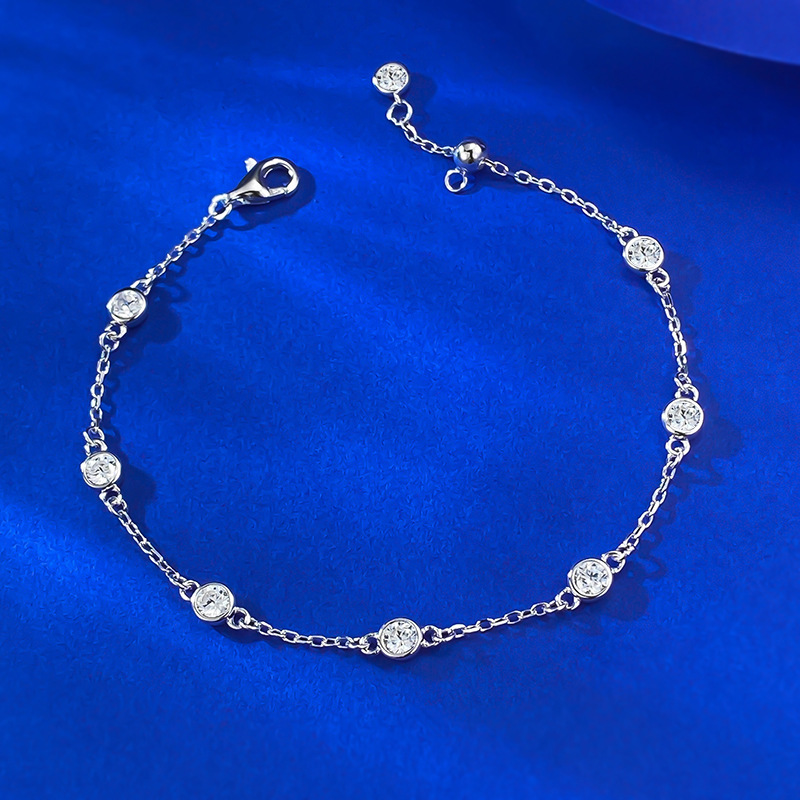
Lab Grown Tennis Bracelet Price: What to Expect Before You Buy
If you are comparing lab grown Tennis Bracelet Price across different styles, the first thing to know is that you can get serious sparkle without mined-diamond pricing. A well-made bracelet can deliver a bright line of diamonds, a secure clasp, and a clean profile for daily wear.
The tag is only part of the story. Lab grown tennis bracelet price shifts with total carat weight, diamond quality, metal, length, and build quality. Once you understand those pieces, it gets much easier to spot fair value and avoid paying extra for details you will never notice on the wrist.
Lab Grown Tennis Bracelet Price: What Drives the Cost
A tennis bracelet is a flexible line of individually set diamonds, usually finished with a clasp that keeps it secure on the wrist. With lab grown stones, the diamond material itself usually costs less than mined diamonds, so more of your budget can go toward size, setting, or metal choice. That is a big reason lab grown tennis bracelet price has become a search term many buyers start with.
One useful way to think about value is visual impact. A bracelet that looks fuller and brighter for the same spend can feel like a smarter buy than a smaller natural-diamond version. If the piece stays in your jewelry box because it feels too delicate or too hard to wear, the lower price never really matters.
Four factors shape most of the price:
- Total carat weight: more diamond weight usually means a higher price and a stronger look across the wrist.
- Diamond quality: cut, color, and clarity all affect sparkle and overall appearance.
- Metal choice: 14K gold, 18K gold, and platinum each carry different price points.
- Bracelet length: longer bracelets use more diamonds and more metal, which raises lab grown tennis bracelet price.
Retailer type also matters. Direct-to-consumer brands often price lower than legacy luxury houses because they spend less on storefronts and wholesale markup. Independent jewelers may fall somewhere in the middle, especially if they include custom sizing, local service, or in-house repairs. When you compare quotes, make sure you are comparing the same total carat weight, metal, and certification standard, not just a polished product page against a bare-bones listing.
Lab Grown Tennis Bracelet Price vs Natural Diamonds
The biggest gap in lab grown tennis bracelet price often comes from the diamond source. Lab Grown Diamonds are created in controlled environments, while mined diamonds move through a longer sourcing chain that adds cost. That does not make one better than the other by default, but it does change how far your budget goes.
For many shoppers, that difference matters most in the way the bracelet looks on the wrist. A lab grown design can often give you more visible diamond presence for the same spend. If you want more sparkle for the dollar, that tradeoff is hard to ignore.
There is also a practical difference in shopping strategy. With lab grown stones, you can often prioritize a higher total carat weight without sacrificing metal quality or clasp security. With mined diamonds, the same budget may force you to choose between size and finish. That is why many buyers focus first on the bracelet silhouette they want and then compare the lab grown version against a mined-diamond alternative only after they have a realistic visual target.
Diamond Grades, Metal, and Craft
Lab grown tennis bracelet price also depends on the quality of the diamonds and how the bracelet is built. GIA and IGI both grade Lab Grown Diamonds, so you can compare reports with real standards instead of relying on marketing language alone. That matters when two bracelets look similar in photos but wear very differently in person.
Cut, color, clarity, and total carat weight
Cut is the first grade to check because it affects how much light the diamond returns. In a tennis bracelet, that matters even more because you are seeing many stones together instead of one at a time. Color and clarity still matter, but they usually come after cut in the buying order.
A few quick benchmarks help:
- Cut: Excellent or Very Good cut grades usually give the strongest sparkle.
- Color: D through H is a common fine-jewelry range, especially in white metal settings.
- Clarity: VS and SI grades often make sense for small stones in a continuous line.
- Total carat weight: this is a major driver of lab grown tennis bracelet price, and it can move the price bracket quickly.
A 1-carat diamond equals 100 points, so total carat weight is simply the sum of every diamond in the bracelet. A 3 ct tw bracelet and a 6 ct tw bracelet can look related, but the second one will usually sit in a much higher price tier.
For bracelets, ideal proportions are less about one large center stone and more about consistency. The stones should look matched in diameter, brightness, and facet pattern. If one or two diamonds are noticeably different, the line can break visually even if the total carat weight is impressive on paper.
Diamond shapes and matching
Most tennis bracelets use round brilliant diamonds because the shape gives the most uniform sparkle across a line. That said, some bracelets use emerald, oval, or princess cuts for a more distinct look. Shape can influence lab grown tennis bracelet price because cutting losses, demand, and setting requirements are not the same for every style.
Round stones are usually the safest choice if you want classic performance and easy matching. Fancy shapes can be attractive, but they demand tighter layout control so the bracelet does not look uneven. If the seller is not explicit about how stones are matched, ask whether the diamonds were selected for color and size consistency rather than simply assembled to hit a weight target.
Metal choice and why it matters
Metal choice changes both the look and the cost. A 14K bracelet contains 58.3% pure gold, while 18K contains 75%. That difference affects price, color richness, and how the piece feels on the wrist.
- 14K white gold: Often the best balance of cost, durability, and bright appearance.
- 18K white gold: A richer gold content and a more upscale feel.
- Yellow gold: A classic choice that brings warmth to the overall look.
- Rose gold: A softer, more distinctive tone that still works well with diamonds.
- Platinum: The most expensive mainstream option in many cases, but also dense and highly durable.
Many customers choose 14K white gold because it keeps lab grown tennis bracelet price within reach while still looking polished. If you wear other jewelry daily, matching the metal tone can also make the bracelet feel more natural in your rotation.
Platinum can be worth the increase if the bracelet is an everyday piece and you are especially concerned with durability. It resists wear well, and its natural white color does not depend on plating. White gold, by contrast, may need periodic rhodium replating to keep the bright white finish many buyers expect. That maintenance cost is small relative to the bracelet itself, but it should still be part of the full ownership picture.
Craft details that change value
Two bracelets can share the same diamond grades and still feel very different. The setting, clasp, and link work are where that difference shows up.
Look for these details:
- Setting style: Prong settings show more diamond surface, while bezel styles add protection.
- Flexibility: The bracelet should move with your wrist without twisting awkwardly.
- Clasp quality: A box clasp with a safety catch is common for good reason.
- Symmetry: Even spacing and clean alignment usually point to better manufacturing.
That is why lab grown tennis bracelet price should never be judged by carat weight alone. A slightly smaller bracelet with a stronger clasp and cleaner finish can be the better buy.
Prong settings usually maximize visibility and light return, but they expose more of the stone and can catch on knitwear if the workmanship is weak. Bezel settings hold each diamond more securely and create a smoother profile, but they can hide a bit of the stone and change the classic tennis-bracelet look. Semi-bezel and shared-prong designs sit between those extremes. If you plan to wear the bracelet often, the right setting is the one that fits your lifestyle, not just the one that looks best in a static product photo.
Lab Grown Tennis Bracelet Price by Style and Carat Weight
Style changes lab grown tennis bracelet price just as much as diamond grade does. A delicate bracelet for daily wear is a different purchase from a bold statement piece, even if both use the same metal. Many shoppers settle around 2 to 3 ct tw for an everyday look that still feels substantial.
Here is a simple way to read the market. Ranges are broad because setting style, retailer markup, and metal choice all move the final number.
| Style Tier | Typical Total Carat Weight | Common Metal | Best For |
|---|---|---|---|
| Delicate everyday | 1 to 2 ct tw | 14K white or yellow gold | First-time buyers, daily wear |
| Balanced classic | 2 to 4 ct tw | 14K or 18K gold | Gifts, anniversaries, regular wear |
| Statement sparkle | 4 to 6 ct tw | 18K gold or platinum | Milestones, dress wear |
| Bold luxury | 6 ct tw and up | Platinum or 18K gold | Formal looks, collector buyers |
The table above shows why lab grown tennis bracelet price is easier to shop when you start with the visual tier. A bracelet that looks light and easy to wear will usually sit in a lower band than one meant to stand out across a room. If you want a fuller look, carat weight usually matters more than tiny grade changes.
How to choose the right tier
Start with your budget, then decide how often you will wear the bracelet.
- Tight budget: choose a delicate style with strong cut quality and a secure clasp.
- Mid-range budget: aim for a balanced classic bracelet in durable gold.
- Higher budget: move into larger total carat weight and stronger finishing details.
- Premium budget: prioritize craftsmanship, platinum or 18K gold, and a more substantial setting.
Lab grown tennis bracelet price tends to move faster when you jump from one style tier to another than when you make small grade adjustments. That makes carat range the first decision worth locking in.
Bracelet length is another hidden variable. A standard wrist size may need around 6.5 to 7 inches, but a larger wrist or a looser fit uses more diamonds and more metal. If a seller offers one fixed length, check whether resizing is possible Before You Buy, because even a small extension can change the cost and the final drape on the wrist.
Certification and What to Ask Before Buying
Not every bracelet listing gives enough information to compare value accurately. The most useful listings identify the lab grading report, metal purity, stone counts, and clasp style. Without those details, lab grown tennis bracelet price can look attractive while hiding weak craftsmanship or inconsistent stones.
Ask these questions before you commit:
- Which lab graded the diamonds, and is the report individual or for the parcel?
- Are the diamonds color and clarity matched across the full bracelet?
- What is the exact metal type and purity?
- How many stones are included, and what is the approximate stone size?
- Does the clasp include a safety mechanism?
- Is the bracelet finished in-house or outsourced?
GIA and IGI reports are both recognized in the lab-grown market, but the report itself should be easy to verify. If the seller uses broad claims like “super ideal sparkle” without any grading detail, treat that as a marketing phrase, not a quality standard.
It is also worth asking whether the bracelet is set with individually selected stones or calibrated melee. Calibrated stones are cut to fit a uniform setting, which is common and often desirable. The issue is not whether the stones are calibrated, but whether the seller has enough consistency control to make the bracelet look seamless rather than pieced together.
Real-World Price Expectations
Buyers often want a concrete number, but lab grown tennis bracelet price lives in ranges because the combination of stone size, metal, and craftsmanship can vary widely. Still, a few broad expectations are helpful.
- Entry-level bracelets with lower total carat weight and 14K gold are usually the most accessible.
- Mid-range bracelets with stronger diamond weight and better metal tend to offer the best balance of price and presence.
- High-carat or platinum pieces can climb quickly because more material and more labor are involved.
If a bracelet seems dramatically cheaper than comparable options, look for missing details. Common reasons include very small stones, thin links, lighter metal construction, lower-grade diamonds, or a clasp that is simpler than expected. A low sticker price is not automatically a deal if the bracelet feels flimsy once you handle it.
On the other hand, a premium price does not always mean premium value. Some retailers lean on brand markup, heavy packaging, or inflated suggested retail numbers. Compare the actual specifications line by line before assuming the highest-priced option is the best one.
How to Shop for Real Value
The smartest way to compare lab grown tennis bracelet price is to look at the whole piece, not just the headline number. Size, fit, clasp security, and paperwork all matter once the bracelet is on your wrist. If you want to compare other diamond pieces too, browse our diamond collection and fine jewelry selection.
Size and fit
Measure your wrist with a soft tape where the bracelet will sit. Most buyers want a close fit with a little movement, not a loose piece that twists all day. If the bracelet is too tight, it can look strained. If it is too loose, the diamond line may turn away from view.
Fit is a major part of value because a beautiful bracelet that sits wrong will not get worn often. If you are planning a coordinated purchase, our ring builder and engagement rings pages can help you match metal tone and style across pieces.
As a rule of thumb, aim for enough room to slide one finger under the bracelet without it spinning completely around the wrist. If you plan to stack it with a watch or other bracelets, leave a little additional space. The wrong size is one of the most common reasons buyers feel disappointed even after choosing a good diamond quality.
Care and maintenance
A little care goes a long way. Diamonds stay bright, but the setting and clasp need regular attention.
- Store the bracelet in a soft pouch or separate box.
- Clean it with mild soap, warm water, and a soft brush.
- Dry it fully before storage.
- Check the clasp and safety catch often.
- Inspect the prongs and links if you wear it daily.
Routine checks matter because even a well-priced bracelet can lose value if a stone loosens or the clasp weakens. For that reason, lab grown tennis bracelet price should be viewed alongside the cost of care and protection if you plan to wear it often.
Professional cleaning once or twice a year is useful if the bracelet gets regular wear. Jewelers can tighten prongs, inspect hinges, and spot worn links before they fail. If the bracelet is white gold, ask whether the finish should be refreshed at the same time. That kind of maintenance is small compared with replacing a lost diamond.
Security, returns, and paperwork
A secure clasp is not optional. Ask whether the bracelet uses a box clasp, safety latch, or double-lock design Before You Buy. The closure is part of the product, not an afterthought.
Also review the return window, warranty, and resizing policy. If the bracelet comes with a grading report, appraisal, or warranty card, keep those documents together with the piece. They help with service, insurance, and future resale conversations.
Shipping matters too. Since tennis bracelets are small but valuable, the seller should use insured shipping, signature confirmation, and packaging that protects the piece from damage in transit. If the retailer offers a gift presentation box, confirm that the actual bracelet is secured inside it and not left loose in transit packaging. That level of logistics is not flashy, but it is part of buying responsibly.
Common Buying Mistakes
Many shoppers compare lab grown tennis bracelet price too quickly and miss the details that determine whether the bracelet will feel expensive in use or only in the listing.
- Focusing only on total carat weight and ignoring setting quality.
- Choosing a bracelet without checking the clasp or safety catch.
- Buying the wrong length and ending up with a bracelet that twists or slides too much.
- Assuming all lab grown diamonds have the same grade because they are lab grown.
- Overpaying for brand name packaging instead of actual craftsmanship.
- Skipping the return policy, then discovering the bracelet is too rigid or too loose.
Another common mistake is comparing bracelets with different stone counts and thinking they are equivalent because the total carat weight is similar. A bracelet with fewer, larger stones can look bolder and sometimes more modern, while a bracelet with more, smaller stones can read as finer and more delicate. Neither is inherently better, but the visual result is not the same.
Buying with Confidence
The best lab grown tennis bracelet price is the one that fits your wrist, your wear habits, and your budget without cutting corners on security. Start with total carat weight, then compare metal, clasp quality, and diamond grades until the bracelet feels balanced. That order keeps the purchase grounded in how the piece will actually look and wear.
There is one more point to keep in mind. Lab Grown Diamonds usually have lower resale value than mined diamonds, so the strongest buy is the one you will enjoy wearing, not the one you hope to flip later. That is not a drawback if you care about style, sparkle, and everyday use.
If you are still comparing options, use a simple rule: choose the bracelet that gives you the best mix of sparkle, Security, and Comfort. When those three line up, lab grown tennis bracelet price becomes a practical decision instead of a guessing game.
Ready to Find Your Perfect Diamond?
Explore our collection of certified lab-grown diamonds
Shop Diamonds