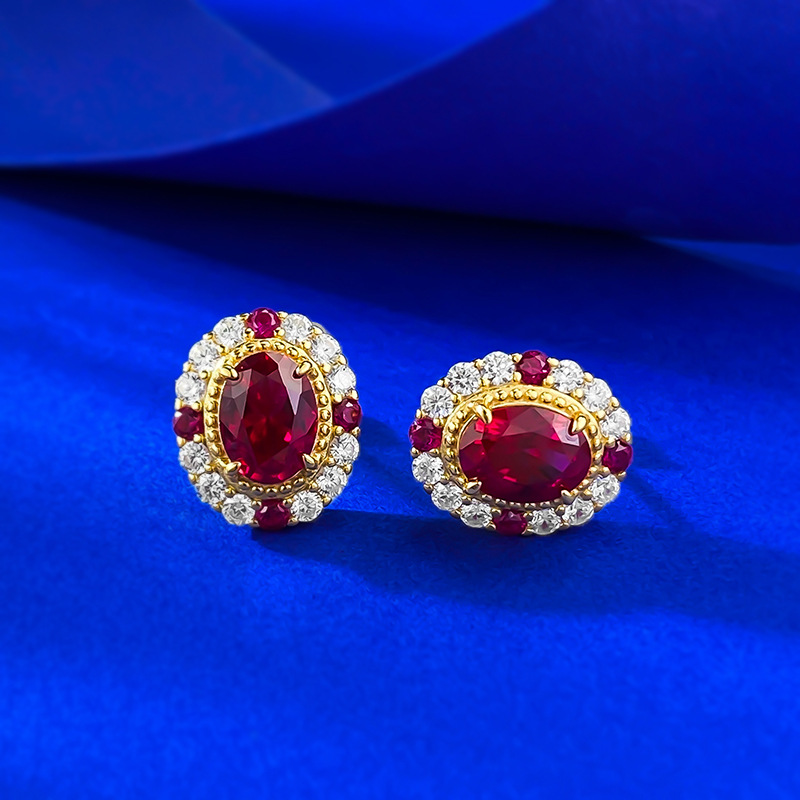
Lab-Created Diamond Stud Earrings Price: Smart Buyer’s Guide
Lab-created Diamond Stud Earrings price is usually one of the first things shoppers compare, and for good reason. Studs are small, but the details behind them are not. Carat weight, cut, color, clarity, metal, earring backs, grading reports, and retailer policies all affect what you pay.
Lab-created diamonds can give you more sparkle for the budget than comparable mined diamonds. They’re real diamonds, with the same chemical makeup and hardness, but their lab origin often makes pricing more approachable.
At StoneBridge Jewelry, we help customers compare beauty, value, and wearability before they buy. The happiest buyers don’t simply choose the largest pair. They choose the pair that looks bright, feels secure, and fits how they’ll actually wear the earrings.
What Affects Lab-Created Diamond Stud Earrings Price?
Lab-created Diamond Stud Earrings price depends on both diamond quality and jewelry construction. Two pairs can share the same Total Carat Weight and still differ in cost because one has a better cut, stronger backs, finer metal, or certified stones.
Total carat weight is the starting point. Earrings are usually sold by combined weight, often written as ctw. A 1.00 ctw pair normally means each earring holds a 0.50 carat diamond. A 2.00 ctw pair usually means one 1.00 carat diamond per ear.
Cut quality matters just as much as size. A well-cut diamond reflects more light, so it looks brighter on the ear. A larger diamond with weak proportions may look flat, especially in everyday lighting.
Color and clarity also shape price, but earrings are forgiving. Most people view studs from a normal social distance, not under magnification. Near-colorless, eye-clean diamonds often deliver the best value.
Matching also affects the final price. Stud earrings are sold as a pair, so the diamonds should look like they belong together. A good match means similar diameter, table size, depth, color, and overall brightness. If one stone looks warmer, smaller, or less lively than the other, the earrings can feel uneven even when the grading details look acceptable on paper.
Labor and finishing matter too. A neatly made basket, even prongs, polished metal, and well-aligned posts take more care to produce. These details are easy to miss in a quick price comparison, but they affect comfort, durability, and how straight the diamonds sit on the ear.
Quick Price Factors to Compare
| Factor | What It Means | Smart Buying Tip |
|---|---|---|
| Total carat weight | Combined diamond weight for the pair | Check per-ear size before choosing |
| Cut quality | How well each diamond returns light | Put sparkle ahead of perfect clarity |
| Color grade | How white or warm the diamonds appear | G-H looks crisp in white metals; warmer grades can suit yellow gold |
| Clarity grade | Natural or growth features inside the stone | Choose eye-clean over flawless for most studs |
| Metal | 14K gold, 18K gold, or platinum | Match durability, color, and budget |
| Back style | Push, screw, or locking backs | Larger studs deserve added security |
| Certification | Lab report from IGI, GIA, or another lab | Helpful for higher-value pairs |
| Diamond matching | How closely the two stones compare visually | Look for similar measurements and brightness |
Lab-Created Diamond Stud Earrings Price by Size
Size has the biggest visual effect on lab-created diamond stud earrings price. Small studs feel polished and subtle. Larger pairs bring more presence and cost more because the diamonds are bigger and often need stronger settings.
Here’s a practical way to think about common sizes:
| Total Carat Weight | Approximate Size Per Ear | Best For | Price Behavior |
|---|---|---|---|
| 0.25-0.50 ctw | 0.125-0.25 ct each | Second piercings, teens, minimal style | Most accessible |
| 0.75-1.00 ctw | 0.375-0.50 ct each | Daily wear, gifts, work jewelry | Popular value range |
| 1.50-2.00 ctw | 0.75-1.00 ct each | Anniversaries, bridal looks, statement daily wear | Higher but still wearable |
| 3.00 ctw and up | 1.50 ct each and larger | Milestone gifts and luxury styling | Premium tier |
If you’re buying a gift, 0.75 to 1.00 ctw is often a safe choice. It feels special without being too bold. For someone who loves noticeable jewelry, 1.50 to 2.00 ctw may feel more personal.
For the best use of your budget, compare the lab-created diamond stud earrings price against cut quality, not size alone. A lively 1.00 ctw pair can look better than a dull 1.50 ctw pair.
It also helps to think in millimeters, not just carat weight. A round 0.50 carat diamond is usually around 5.0 mm across, while a 1.00 carat round diamond is usually around 6.4 to 6.5 mm. The jump from 0.50 to 1.00 carat per ear is noticeable, but it is not twice as wide on the ear. Carat weight measures weight, not face-up diameter.
Ear size and piercing placement make a difference. A 2.00 ctw pair may look balanced on one person and heavy on another if the piercing is low or the earlobe is small. For very low piercings, a slightly smaller pair with a supportive basket may sit better than a larger pair that tips forward.
Realistic Price Ranges to Expect
Actual pricing changes with the diamond market, metal costs, promotions, and retailer policies, but broad ranges can help you spot value. Smaller lab-created diamond studs around 0.25 to 0.50 ctw are often positioned as entry-level fine jewelry. Many 0.75 to 1.00 ctw pairs fall into a popular gift range, especially in 14K gold with push backs. Pairs from 1.50 to 2.00 ctw usually cost more because each individual diamond is larger and matching becomes more important. Pairs above 3.00 ctw move into a premium category where certification, secure backs, and careful mounting should be expected.
If two pairs are the same size but one is dramatically less expensive, look closely at the details. The lower price may come from warmer color, visible inclusions, lighter-weight settings, uncertified diamonds, non-returnable terms, or weaker backs. A good deal should still include clear specifications and construction suited to the size.
Cut, Color, and Clarity: Where to Spend and Save
The Gemological Institute of America explains that laboratory-grown diamonds have essentially the same chemical, optical, and physical properties as natural diamonds. Both rank 10 on the Mohs hardness scale, which makes them strong enough for daily earrings.
For studs, cut is the quality factor most buyers notice first. Round brilliant diamonds are popular because their facet pattern is built for sparkle. Excellent or very good cut grades are worth prioritizing when available.
Color gives you more room to adjust. In white gold or platinum, many shoppers prefer G or H color for a bright white look. In yellow or rose gold, I or J color can still look beautiful because the warm metal softens the contrast.
Clarity is where many buyers can save. VS and eye-clean SI grades often look clean on the ear. Paying more for a flawless grade may not change what anyone sees.
For round lab-created diamond studs, many shoppers get the best balance from excellent cut, G-H color, and VS2-SI1 clarity if the stones are eye-clean. For larger studs, especially 1.00 carat per ear and above, it is worth reviewing photos, video, or a grading report because inclusions and color differences become easier to notice.
Fancy shapes need a little extra attention. Princess-cut studs can look modern and bright, but the pointed corners should be protected by the setting. Oval, cushion, pear, and emerald-cut studs may show color or clarity differently than round diamonds. Step-cut shapes such as emerald cuts have broad flashes instead of intense sparkle, so clarity can matter more than it does in round brilliant studs.
Diamond Specs That Usually Make Sense
| Buyer Goal | Suggested Specs | Why It Works |
|---|---|---|
| Best everyday value | Excellent or very good cut, G-I color, eye-clean clarity | Bright look without paying for invisible upgrades |
| Bright white appearance | Excellent cut, F-H color, VS-SI clarity | Works especially well in white gold or platinum |
| Warm gold styling | Very good or excellent cut, H-J color, eye-clean clarity | Yellow or rose gold can complement warmer diamonds |
| Milestone gift | Excellent cut, matched certified diamonds, secure backs | Adds documentation and long-term confidence |
Metal and Back Styles Change the Price Too
The setting is not just a holder for the diamond. It affects comfort, safety, style, and final cost.
14K white gold is a common choice because it balances durability, color, and value. Yellow gold gives classic warmth. Rose gold feels softer and romantic. Platinum costs more, but it is naturally white and dense, which some buyers prefer for larger or heirloom-style studs.
Back style is easy to overlook. Don’t skip it. Push backs are simple and comfortable for many everyday pairs. Screw backs add security, especially for larger diamonds. Locking backs offer another layer of protection for buyers who travel or wear their studs daily.
A slightly higher lab-created diamond stud earrings price can make sense if it includes stronger backs, a well-built basket, or better metal. Those details help the earrings stay comfortable and secure over time.
White gold is usually plated with rhodium to create a bright white finish. Over time, that plating can wear and may need refreshing, especially for earrings worn every day. Yellow gold and rose gold do not need rhodium plating, so their color maintenance is simpler. Platinum develops a soft patina instead of wearing away in the same way gold can, but its higher density and material cost usually raise the price.
For sensitive ears, confirm the metal alloy and avoid mystery metals. Fine jewelry studs should clearly state 14K gold, 18K gold, or platinum. If you know the wearer reacts to certain alloys, platinum or carefully selected gold may be worth the upgrade.
Prong, Bezel, and Basket Setting Tradeoffs
Most diamond studs use three-prong, four-prong, martini, basket, or bezel settings. Four-prong baskets are classic and secure, with enough metal to hold the diamond while still allowing light to enter. Three-prong martini settings can sit close to the ear and show more of the diamond, but the pointed shape may not suit every piercing and can sometimes settle into a stretched hole.
Bezel settings wrap metal around the diamond’s edge. They can make studs feel smooth, modern, and protective, which is helpful for active wearers. The tradeoff is that bezels usually show more metal and may make the diamond look slightly less open than a prong setting. For children, second piercings, travel, or daily wear, that extra protection may be worth it.
Certified Lab-Created Diamond Stud Earrings Price and Trust Signals
Certification gives you a clearer view of what you’re buying. IGI and GIA reports can list carat weight, measurements, color, clarity, and other grading details. For higher-value earrings, that paperwork helps you compare pairs with less guesswork.
Clear product pages matter too. Look for total carat weight, per-ear weight, metal type, back style, stone shape, and grading information. If those details are missing, it’s harder to judge value.
Our customers often ask whether every pair needs a grading report. For smaller everyday studs, a clear retailer description may be enough. For larger pairs, certification is a smart way to protect your purchase and understand the price.
You can compare diamond shapes and quality ranges in our lab-grown diamond collection. If you’re building a full jewelry wardrobe, it also helps to browse fine jewelry styles so your earrings match the pieces you already wear.
When reviewing a grading report, check that the report number, shape, measurements, carat weight, color, and clarity match the product listing. For a pair, the two diamonds do not need to be identical in every detail, but they should be close enough to look balanced. Measurements are especially useful because two diamonds with the same carat weight can face up differently if one is cut deeper.
Also look for transparent policies. A trustworthy jeweler should make it easy to understand shipping timing, return windows, resizing or repair options, warranty coverage, and whether the earrings are final sale. For gifts, confirm whether the return period starts on the purchase date or delivery date, and ask about gift receipts or exchanges if the size is not quite right.
How to Choose the Best Pair for Your Budget
Start with how you’ll wear the earrings. Are they for every day, a wedding, a milestone gift, or a second piercing? The answer changes the best size, back style, and metal.
Use this buying order:
- Set a budget before looking at carat weight.
- Choose a size range that suits the wearer’s style.
- Prioritize cut for sparkle.
- Pick an eye-clean clarity grade.
- Match the metal to existing jewelry.
- Choose secure backs for larger pairs.
- Review certification, returns, and shipping details.
If you want daily studs, 0.75 to 1.00 ctw usually feels easy to wear. If you want a stronger look for photos, events, or anniversaries, 1.50 to 2.00 ctw can feel more memorable.
Still torn between two pairs? Ask yourself which one you’d wear on a Tuesday morning, not just at a special dinner. The right earrings should fit real life.
For gifts, pay attention to the recipient’s current jewelry. If they wear mostly small hoops and delicate chains, a 0.50 to 1.00 ctw pair may be more useful than oversized studs. If they already wear bold rings, tennis bracelets, or statement necklaces, a larger pair may suit their style better. Matching metal color is one of the easiest ways to make the gift feel intentional.
Think about lifestyle too. Someone who removes earrings every night may be happy with push backs. Someone who travels often, works long shifts, or worries about losing jewelry may appreciate screw backs or locking backs. If the earrings are intended for wedding-day wear and everyday use afterward, choose a size that photographs well but still feels comfortable for long-term wear.
Common Buying Mistakes to Avoid
- Buying by total carat weight without checking the per-ear size.
- Choosing the largest pair while ignoring cut quality and brightness.
- Paying for flawless clarity when an eye-clean grade would look the same on the ear.
- Overlooking backs, post thickness, and setting weight on larger studs.
- Assuming all white gold, yellow gold, rose gold, and platinum settings wear the same way.
- Skipping the return policy, especially when buying a gift or ordering online.
- Comparing a certified pair with an uncertified pair as if the details are equal.
Studs Compared with Hoops, Huggies, and Drops
Diamond studs concentrate sparkle in two center stones. That makes the pricing easier to compare than many other earring styles.
Hoops may use more gold, more diamonds, hinges, and inside-out settings. Huggies sit close to the ear and work well in stacked looks, but diamond coverage can raise the cost. Drop and dangle earrings often include more design work, which can push prices higher even when the individual diamonds are smaller.
For a first pair of diamond earrings, studs are usually the most versatile pick. They work with office clothes, weekend outfits, formal dresses, and bridal styling. Later, you can add hoops or huggies for variety.
Studs are also easier to evaluate because the diamonds are the main feature. With hoops and huggies, price may depend heavily on hinge quality, diamond count, metal weight, and whether the stones cover only the front or the inside and outside of the hoop. With drops, movement and design can be more important than individual diamond size. If your goal is maximum visible diamond presence for the budget, studs are often the cleanest comparison.
Care Tips That Protect Your Earrings
Lab-created diamonds are durable, but they still collect oil, lotion, makeup, and hair product. That buildup can dull the sparkle until the earrings are cleaned.
To clean them at home, mix warm water with mild dish soap. Soak the earrings for a few minutes, brush gently around the prongs and backs, rinse well, and dry with a lint-free cloth.
Avoid bleach, toothpaste, abrasive cleaners, and rough cloths. If a post bends, a push back feels loose, or a screw back stops turning smoothly, stop wearing the earrings until a jeweler checks them.
Store studs in a soft pouch or lined jewelry box. Diamonds can scratch softer gems and metals, so separate storage helps protect the rest of your collection too.
Have the prongs and backs checked periodically, especially if the earrings are worn daily. A quick inspection can catch a loose stone, worn prong, or stretched backing before it becomes an expensive loss. If you use hairspray, sunscreen, or heavy moisturizers, put your studs on last and clean them more often.
Remove diamond studs before swimming, intense workouts, or sleeping if the backs catch on bedding. Chlorine can affect some precious metal alloys, and repeated pressure can bend posts over time. Good care does not need to be complicated, but consistent habits keep the earrings brighter and safer.
Shipping, Returns, and After-Purchase Details
Shipping and returns are part of the real value calculation. Before You Buy, confirm whether shipping is insured, whether a signature is required, and how long processing will take. Made-to-order or customized studs may need extra time, especially if the pair is being matched by diamond specs.
Review the return policy before checkout. Some earrings may be returnable only if unworn, with tags and packaging intact. Custom settings, special orders, engraved items, or final-sale promotions may have stricter rules. If you are buying for a birthday, anniversary, holiday, or proposal-related event, build in enough time for delivery and possible exchange.
Ask what happens after the sale. Useful services may include cleaning, prong checks, backing replacement, repair evaluation, and help with insurance documentation. For larger certified pairs, keep the grading reports, receipt, and any appraisal documents together in a safe place.
Shop Lab-Created Diamond Stud Earrings with Confidence
The best lab-created diamond stud earrings price is not always the lowest number. It’s the price that gives you bright diamonds, secure construction, clear details, and a style you’ll reach for often.
For most buyers, the best value comes from a well-cut pair with near-colorless color, eye-clean clarity, durable gold or platinum, and backs that match the size of the diamonds. Certification adds extra confidence, especially for larger pairs.
StoneBridge Jewelry makes it easy to compare current styles, metals, carat weights, and product details Before You Buy. Choose the pair that fits your budget and your life, and you’ll have earrings that feel timeless from the first wear.
FAQ
What is a fair lab-created diamond stud earrings price?
A fair lab-created diamond stud earrings price depends on total carat weight, cut, color, clarity, metal, backs, and certification. Smaller everyday pairs usually cost less, while larger certified pairs in platinum or premium gold cost more. Compare pairs with the same ctw and similar grades before judging value. If one pair is far cheaper, check the cut quality, metal, and return policy carefully.
Are lab-created diamond stud earrings worth buying?
Yes, lab-created diamond stud earrings are worth buying if you want real diamond sparkle with strong value. They have the same hardness and optical properties as mined diamonds, and they can cost less than comparable natural diamond studs. That savings may let you choose a larger size or better setting. Look for clear specs and an eye-clean, well-cut pair.
What size diamond studs should I buy for everyday wear?
Many shoppers like 0.75 to 1.00 ctw for everyday diamond studs because the size feels visible but not flashy. If you prefer subtle earrings, 0.25 to 0.50 ctw may be enough. For a bolder look, 1.50 to 2.00 ctw adds more presence. Choose screw backs or locking backs if the earrings are larger or worn often.
Do I need certified lab-created diamond stud earrings?
Certification is most useful for larger or higher-priced lab-created diamond studs. A report from GIA, IGI, or another respected lab helps confirm carat weight, color, clarity, and measurements. For smaller studs, detailed product specs from a trusted jeweler may be enough. If the price is a major investment, certification is a smart safeguard.
Should I choose push backs or screw backs for diamond studs?
Push backs are easy to use and comfortable for many small to medium diamond studs. Screw backs take longer to put on, but they add security for larger or higher-value earrings. If you travel often, sleep in your earrings, or worry about losing one, screw backs may be worth the extra cost. Locking backs are another secure option to consider.
Is 14K or 18K gold better for lab-created diamond studs?
14K gold is often the practical choice for everyday diamond studs because it is durable, widely available, and usually more affordable than 18K gold. 18K gold has a richer gold content and can feel more luxurious, but it may cost more and can be slightly softer. Platinum is another strong option for larger studs or buyers who prefer a naturally white metal.
How can I tell if two diamond studs are well matched?
Check that the two diamonds have similar carat weight, diameter, color, clarity, and overall brightness. For round studs, diameter is especially important because it affects how large each diamond looks from the front. A well-matched pair should look balanced when worn, with neither stone appearing darker, warmer, smaller, or less sparkly than the other.
Ready to Find Your Perfect Diamond?
Explore our collection of certified lab-grown diamonds
Shop Diamonds