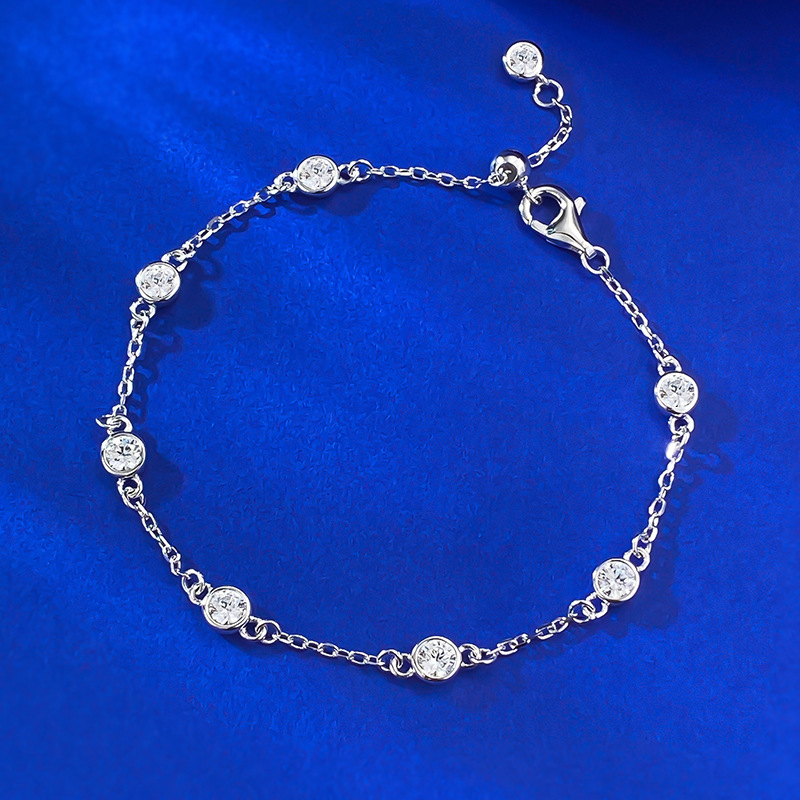
Jewelry Storage for Travel Protection: Compact Cases vs Pouches
If you travel with rings, chains, or earrings, jewelry storage for travel protection deserves more attention than most packing lists give it. A good solution keeps pieces from tangling, scratching, bending, or disappearing in transit, while still fitting neatly in a carry-on or personal bag. The best choice depends on how much you pack, how valuable your pieces are, and how much structure you want while on the move.
Jewelry Storage for Travel Protection: What to Compare Before You Buy
The core problem is simple: travel shakes everything loose. Jewelry slides against zippers, gets pressed under clothing, and rubs against hard surfaces. Delicate chains knot fast. Gemstone settings can pick up scratches. Earring backs vanish. And when pieces touch each other in a loose pouch, the risk goes up quickly.
When comparing jewelry storage for travel protection, focus on five shopping criteria:
- Portability — Will it fit in a tote, carry-on, or weekend bag without adding bulk?
- Security — Does it close firmly with a zipper, snap, or wrap design that stays shut?
- Organization — Are there separate spaces for rings, necklaces, earrings, and bracelets?
- Material protection — Is the lining soft enough to reduce abrasion, and is the outer shell durable enough for travel?
- Capacity — Can it hold your actual collection without forcing pieces to overlap?
This comparison covers the two most common options: compact travel jewelry cases and modular jewelry organizers or pouches. Frequent flyers, honeymooners, business travelers, and owners of fine jewelry get the most value from the comparison, especially if they want jewelry storage for travel protection that matches the trip instead of creating packing headaches.
Why Travel Jewelry Needs Special Protection
Jewelry faces a very different environment in transit than it does at home. Movement, pressure, and friction are the main enemies. A necklace that sits safely in a drawer can knot in minutes when tossed into a cosmetics bag. A polished gold bangle can pick up tiny marks from a makeup compact. A prong-set diamond ring can take a hit if it rubs against a metal clasp or another hard piece.
Humidity matters too. Damp conditions can affect finishes, soft textile pouches, and any packaging that traps moisture. If you’re traveling to a beach destination or carrying jewelry through changing temperatures, extra protection helps preserve both appearance and long-term wear.
Common travel damage scenarios include:
- Chain knots and kinks from loose packing
- Gemstone surface scratches from contact with harder metals or stones
- Bent prongs if a ring or pendant gets crushed
- Missing earring backs and small components lost in luggage
- Clasp damage from repeated movement inside a crowded pouch
GIA guidance on jewelry care consistently emphasizes safe storage, separation of pieces, and avoiding unnecessary contact between items. That advice lines up with what professional jewelers recommend for jewelry storage for travel protection: keep each piece as still and isolated as possible. For valuable items, the safest rule is simple—less movement means less risk.
How Jewelry Type Changes the Best Storage Choice
The best travel storage depends on what you own, not just how much space you have. A pair of 1 to 2 carat diamond studs behaves very differently from a long vermeil chain or a wide cuff bracelet. When shopping for jewelry storage for travel protection, match the organizer to the most fragile items in your collection.
Diamond rings and other prong-set pieces need cushioned slots or compartments that hold the head of the ring without rubbing the stone. Round brilliant diamonds, princess cuts, and emerald cuts all have edges or points that can chip if they scrape against hard objects. If you regularly travel with a diamond ring, look for a case with ring rolls or a slot that keeps the setting upright. A stone with a GIA or IGI report still deserves physical protection, because certification speaks to quality, not transit safety.
Chains and pendants need separation more than anything else. A fine cable chain in 14k yellow gold, white gold, or platinum can tangle in seconds if it is tossed loose. Herringbone chains are especially vulnerable because the flat links can kink if bent. For these, a padded case with necklace hooks is usually better than a pouch unless the pouch has dedicated tie-downs or sleeves.
Earrings are often easiest to travel with, but they still need a system. Studs with friction backs can separate from the backing if packed loosely. Hoop earrings can bend if crushed. For valuable earrings, a case with paired holes, snap tabs, or a small zip section keeps sets together and reduces the chance of losing a back.
Bracelets and bangles need room. Flexible chains can go in smaller slots, but solid bangles, tennis bracelets, and cuffs often fit better in slightly larger compartments or wrapped inserts. If a bracelet includes pavé diamonds, a smooth lining helps protect the stones from abrasion during travel.
Fashion jewelry can be more forgiving, but plating and glued components are often less durable than solid gold or platinum. A soft pouch may be fine for occasional use, yet a compact case usually protects plated finishes better over repeated trips.
Option 1: Compact Travel Jewelry Cases
Compact travel jewelry cases are the structured option. Most are designed with a zippered closure, padded body, and dedicated spaces for different types of jewelry. A typical case may include ring rolls, necklace hooks, earring panels, a removable divider, and a small mirror or pouch pocket.
That structure is the biggest reason shoppers choose them for jewelry storage for travel protection. A compact case helps prevent tangling and reduces the chance of pieces knocking into one another during transport. It also makes packing easier because every item has a defined place. Instead of moving around inside a suitcase, jewelry stays organized and contained.
These cases are especially useful for:
- Air travel, where bags get shifted often
- Short trips, where you want a few key pieces ready fast
- Higher-value jewelry, including fine gold, diamond studs, and heirloom items
- Travelers who prefer a neat, one-and-done packing system
A rigid or semi-rigid case also offers better impact resistance than a soft pouch. If the bag gets squeezed under clothing or a toiletry kit, the case still gives the jewelry a protective barrier. That makes compact cases one of the strongest choices for jewelry storage for travel protection, particularly for fragile or sentimental pieces.
There are trade-offs, though. Cases can take up more room than a pouch. They usually hold fewer oversized items, and some designs work better for dainty jewelry than for chunky statement necklaces. If your collection includes large cuffs, oversized hoops, or layered fashion pieces, capacity may feel limited. Price can also be higher, especially for cases with premium leather, water-resistant exteriors, or luxury finishes.
In buying terms, compact cases typically range from about $20 to $80 for basic fabric or faux-leather versions, with premium designs reaching $100 to $200 or more. If you are storing a diamond necklace, an engagement ring, or pieces set in 18k gold, spending more on construction is usually worthwhile because the case cost is small compared with the value of what it protects.
Compact Travel Jewelry Cases: What to Look For
A strong case should separate pieces well enough that they don’t touch during movement. Look for ring slots, necklace tabs, and padded dividers that keep items from shifting. The best layouts are intuitive, so you can pack quickly without stuffing multiple pieces into one compartment.
Material quality matters too. A soft interior lining helps protect polished surfaces, while a durable exterior adds stability. Water resistance is useful if the case may sit in a carry-on near toiletries or be exposed to damp conditions.
Security features should feel dependable, not decorative. A smooth zipper, firm snap, and compact shape all support jewelry storage for travel protection. If the case looks pretty but opens easily in transit, it is not doing its job.
Look closely at closure hardware and stitching. Metal zippers should glide without snagging lining fabric, and seams should be reinforced where the case bends most. If the case includes a mirror, pocket, or detachable insert, check whether those features steal space from the main compartments. A pretty interior is nice, but useful layout matters more.
If you are transporting fine jewelry, match the case to your metal and stone types. Yellow gold and rose gold are relatively forgiving, but polished platinum, rhodium-plated white gold, and high-clarity diamonds can show tiny marks if they rub against harder objects. For pieces with a GIA or IGI-certified center stone, the goal is not just convenience; it is preserving the condition of the mount and setting, too.
Compact Travel Jewelry Cases: Setting and Size Considerations
The setting style of your jewelry should influence the case you choose. Low-profile bezel settings and flush-set stones usually travel well because they have fewer exposed edges. High-prong settings, halo rings, and cluster designs need more clearance so the setting does not press against the case wall. If your engagement ring has a raised center stone, choose a compartment deep enough to keep the head from scraping the lid.
Ring size also matters. Larger ring sizes may fit loosely in standard slots, while very small sizes can slide around if the inserts are too wide. If you often travel with multiple rings, look for adjustable or flexible slots instead of fixed compartments. For necklaces, short chains around 16 to 18 inches are easier to manage than long 24-inch or 30-inch chains, which often need dedicated hooks or wrap-around tabs.
If you expect to carry more than one statement piece, check the internal dimensions before buying. A compact case that looks generous online may still be too shallow for tennis bracelets or substantial pendant necklaces. In that situation, a slightly larger structured organizer may be a better fit than forcing items into a case that is too small.
Compact Travel Jewelry Cases: Pros and Cons
Pros
- Strong protection for delicate jewelry
- Better organization and separation
- Easier packing for valuables
- Good for short trips and flights
Cons
- More bulk than soft organizers
- Less flexible for oversized pieces
- Often costs more than basic pouches
Best fit: travelers who want structured jewelry storage for travel protection, especially if they carry fine pieces or dislike loose packing.
Option 2: Modular Jewelry Organizers and Travel Pouches
Modular jewelry organizers and travel pouches take a lighter, more flexible approach. This group includes drawstring pouches, roll-up organizers, snap pouches, and soft inserts that can be tucked into a toiletry kit or personal bag. Some designs use separate compartments, while others rely on individual pockets for rings, earrings, or chains.
Their biggest appeal is simplicity. They are light, easy to fold, and often more compact than hard cases. For travelers who pack minimally, that flexibility can be useful. If you only bring a few pieces, or you like swapping jewelry across several outfits, modular organizers can keep the process easy.
They also adapt well to mixed collections. You can separate one pouch for earrings, another for bracelets, and another for a necklace or two. That makes them practical for multi-destination trips or style-flex travelers who want options without carrying a bulky accessory case. For casual jewelry or lower-profile pieces, they can be a reasonable form of jewelry storage for travel protection.
Still, the protection level is not as strong as a structured case. Soft pouches can flatten under pressure, and loose sections may allow items to move around more than you’d like. Delicate chains can still tangle if they are not secured well. Rings and earrings can slip into the wrong compartment. And for valuable items, the lack of structure may feel too minimal.
These organizers work best when you pack lightly and keep the jewelry assortment simple. Weekend trips, destination dinners, or carry-on-only packing all suit this format. But if your goal is serious jewelry storage for travel protection, a pouch system usually offers less defense than a compact case.
Price can be appealing here. Basic pouches may cost under $20, while more thoughtfully designed organizers usually fall between $25 and $60. If you are buying an entire set for multiple trips, modular options can be a cost-efficient way to organize less valuable pieces without committing to a hard case for every item.
Modular Jewelry Organizers and Travel Pouches: What to Look For
Choose soft linings that reduce abrasion and Closures That Stay shut in a crowded bag. A zipper, flap, or secure wrap is better than an open-top pouch.
Separate sections matter. A good organizer should give earrings, rings, necklaces, and bracelets their own zones so the pieces do not mix. If the design relies on one open pocket, tangling and scratching become more likely.
Packability is another factor. The best pouches fit easily into carry-on luggage or a personal bag without bulking up the rest of your load. For travel jewelry storage for travel protection, lightweight is useful, but not if it comes at the expense of basic safety.
Pay attention to the closure method. Magnetic flaps are convenient but can open if the organizer is overfilled. Elastic loops help secure smaller items, and zippered pouches are more reliable for transit. If a design uses thin fabric ties or decorative cords as the only closure, it may not hold up well in a jam-packed weekender.
Material choice matters more than it first appears. Velvet can look elegant but attract lint; microfiber tends to be smoother for polished metals. Faux suede offers a soft handfeel, while nylon or coated fabric is easier to wipe clean after airport travel, makeup spills, or sunscreen transfer. If you travel in humid weather, quick-drying materials are often more practical than plush ones.
Modular Jewelry Organizers and Travel Pouches: Pros and Cons
Pros
- Lightweight and easy to pack
- Flexible for small or mixed collections
- Often more affordable
- Good for short, low-intensity trips
Cons
- Less impact protection
- More shifting during transit
- Higher tangling risk
- Less secure for fine jewelry
Best fit: minimalist packers who travel with a few less-fragile pieces and want simple jewelry storage for travel protection without extra bulk.
Side-by-Side Comparison of Travel Jewelry Storage Options
| Feature | Compact Travel Jewelry Cases | Modular Organizers and Pouches |
|---|---|---|
| Protection level | High | Moderate to low |
| Portability | Good | Excellent |
| Organization | Excellent | Good to fair |
| Capacity | Limited to moderate | Flexible, but less structured |
| Ease of use | Very easy | Easy, but more dependent on careful packing |
| Best for | Fine jewelry, flights, short trips | Minimalist packing, casual travel |
| Value for protection | Strong | Fair |
Expert takeaway: If your top priority is jewelry storage for travel protection, the compact travel jewelry case wins for most travelers. It gives better separation, better cushioning, and better overall control over movement. Modular organizers and pouches can still work well, but they are strongest when convenience matters more than hard-sided defense.
How to Pack Jewelry the Right Way
Even the best case or pouch can fail if you pack jewelry carelessly. Before packing, clean each piece with a soft cloth so oils and lotion residue do not transfer in transit. Make sure clasps are fully closed and earrings are paired with their backs. For chain necklaces, fasten the clasp and lay the chain flat inside a slot or pouch section so it cannot loop around itself.
For diamond rings and gemstone studs, place each item in its own slot or mini compartment. Never stack rings on top of one another unless the organizer is specifically designed for that purpose. If you are carrying multiple metals, separate them when possible to reduce rubbing. This is especially useful for keeping polished silver away from harder or sharper pieces that can mark its surface.
If you bring a small jewelry cleaning cloth, keep it in the same case or pouch so you can wipe pieces after wear. That is particularly useful on trips with sunscreen, perfume, salt air, or sweat, all of which can dull shine faster than usual. Jewelry storage for travel protection works best when it is part of a wider care routine, not a single purchase.
Buying Jewelry for Travel: Specs That Matter
If you are choosing new jewelry with travel in mind, some specs make life easier. Lower-profile settings tend to travel better than very tall ones. A bezel-set diamond or sapphire ring, for example, is usually easier to protect than a high cathedral setting with exposed prongs. If you want an engagement ring that can travel more comfortably, ask about setting height, band width, and how much the stone protrudes.
Diamond shoppers should also think about the full 4Cs, not just carat weight. A 1.00 carat stone with excellent cut and a secure setting may be easier to travel with than a larger but more fragile mount. If you compare lab-grown and natural diamonds, the storage need is the same, but lab-grown diamonds often let buyers allocate more budget to a sturdier setting or case because the stone price is lower. Certification from GIA or IGI helps confirm quality, but it does not replace sensible protection during transit.
Metal choice matters for durability and wear. Platinum is dense and durable, which makes it a favorite for secure prong settings, though it can develop a patina over time. 14k gold is often a practical balance of strength and price, while 18k gold has a richer color but is slightly softer. Silver is affordable and attractive, but it tarnishes more easily, so it may need more frequent wiping after travel. If you want pieces that can handle more wear, many buyers choose 14k gold Settings for Everyday travel jewelry and reserve more delicate metals for special occasions.
Price ranges also affect what kind of protection makes sense. A sterling silver pendant under $100 may be fine in a soft pouch for a weekend trip. A $1,500 to $5,000 diamond ring deserves a structured case, secure luggage placement, and a little more attention at every step. If you are buying a new item specifically for a trip or destination event, consider whether the piece is sturdy enough to wear repeatedly and whether the setting is low enough to fit comfortably in your chosen storage system.
Common Mistakes Travelers Make
One of the biggest mistakes is tossing jewelry into the same compartment as makeup, keys, or chargers. Those items press against jewelry and create scratches or snag points. Another is leaving pieces in a hotel bathroom overnight, where humidity and accidental spills can affect both shine and security.
Overpacking is another problem. If you load a case beyond its intended capacity, necklaces start overlapping and rings no longer sit snugly in their slots. The organizer stops protecting pieces and starts crushing them together. It is usually better to bring fewer, better-chosen pieces than to force a full collection into one small container.
Travelers also forget to check closures before leaving. A zipper that is half-open or a snap that is not fully secured can undo the whole purpose of jewelry storage for travel protection. It is smart to close the case, shake it lightly, and confirm that nothing shifts too much before placing it in your bag.
Another common mistake is buying storage without considering return policy or sizing. If a case arrives too small for your ring stack, too shallow for your pendant, or too bulky for your personal item, you want the option to exchange it. Before buying, look for clear shipping details, return windows, and whether the seller offers prepaid return labels. That matters even more if you are purchasing online and cannot test the layout first.
Care, Cleaning, Shipping, and Returns
Travel storage lasts longer when you care for it properly. Wipe the interior lining occasionally with a dry microfiber cloth, and spot-clean the exterior according to the material. Leather and faux leather may need different cleaning approaches than nylon or fabric cases. If the case gets wet, let it dry fully before storing jewelry inside again.
For jewelry itself, remove pieces before using lotion, sunscreen, hair spray, or perfume. Those products can leave residue that dulls shine or builds up in settings. At the end of a trip, clean pieces more thoroughly before putting them back in long-term storage. Diamonds, gold, and platinum can be cleaned with mild soap and water if the design allows it, but pearls, opals, and other delicate gems need special care and should be kept away from excess moisture.
Shipping and returns matter when buying storage online. Look for protected packaging so the case does not arrive crushed or warped. If you are ordering a higher-end organizer, confirm estimated delivery dates, especially before weddings, honeymoons, or holiday trips. A good retailer should list dimensions, materials, and compartment layout clearly so you can compare products without guessing.
Returns are particularly useful because travel storage is personal. What works for a pair of studs and a wedding band may not work for layered necklaces or chunky bracelets. If the store has a short return window, check it Before You Buy. That is especially important when purchasing a gift, since the recipient may need a different size or format than you expected.
Who Should Choose Which Storage Option?
The right choice depends on the jewelry you own and the way you travel.
Choose a compact travel jewelry case if you:
- Fly often and want dependable packing
- Carry fine jewelry, diamond studs, or gold pieces
- Own delicate chains or sentimental items
- Want a clean, structured system for quick packing
- Need strong jewelry storage for travel protection for valuable pieces
Choose a modular organizer or pouch if you:
- Pack light and travel with only a few items
- Prefer flexible storage that fits inside other bags
- Swap pieces often across different outfits
- Mostly carry casual or less-fragile jewelry
- Want a lower-profile option for weekend trips
Collection type matters too. Fine jewelry, thin chains, and prong-set rings benefit most from a case. Statement pieces can fit in pouches if they are sturdy, but they may still shift more than you’d like. Earrings and small studs are easier to organize in either format, though a case reduces the chance of losing backs and pairs.
For gifting, a compact case usually feels more polished and useful. For honeymoons or destination events, it helps keep wedding bands, earrings, and dinner jewelry easy to find. For travelers who keep a small rotation of everyday pieces, a pouch system may be enough.
Expert Recommendation: The Best Choice for Most Travelers
For most shoppers, the better choice is a compact travel jewelry case. It offers the best balance of protection, organization, and long-term value for jewelry storage for travel protection. The structured design reduces movement, keeps jewelry separated, and lowers the chance of scratches or tangles during transit.
That recommendation lines up with jeweler-approved storage practices: isolate pieces, limit friction, and keep valuable items in a secure, padded container. If you are carrying fine gold, diamonds, or sentimental pieces, a case is the safer bet. It is especially useful if you compare products based on internal layout, exterior durability, and closure quality instead of just size alone.
If you are shopping StoneBridge Jewelry’s site, pair your travel storage choice with pieces you already love from our jewelry collection, or match it with a future gift from our lab-grown diamonds selection. For engagement or bridal travel, you can also explore our engagement rings and keep them stored safely between events.
Frequently Asked Questions About Jewelry Storage for Travel Protection
What is the best jewelry storage for travel protection?
The best option is usually a compact travel jewelry case because it offers structured compartments, better separation, and more protection against scratches and tangling. It is especially useful for fine jewelry, delicate chains, and pieces with high sentimental or monetary value.
How do you pack jewelry safely for travel without tangling?
Use individual compartments, dedicated necklace hooks, or soft pouches that keep each item separated. For the safest result, place jewelry in a padded travel case and avoid tossing loose pieces into a cosmetic bag or suitcase pocket.
Is a jewelry pouch or jewelry case better for flying?
A jewelry case is usually better for flying because it offers more structure and protection from pressure and movement in luggage. A pouch can work for very simple packing, but it is less secure for fragile or valuable items.
Can I carry fine jewelry in my checked luggage?
It is not recommended to place fine jewelry in checked luggage because of the risk of loss, damage, or theft. Keep valuable pieces in your carry-on or personal bag inside a secure travel storage case.
What features should I look for in a travel jewelry organizer?
Look for soft lining, separate sections for rings and earrings, secure closures, and enough structure to prevent items from shifting. If you travel often, prioritize durability and compact sizing for easy packing.
What metals are best for travel jewelry?
Many travelers prefer 14k gold, platinum, or sturdy silver-plated pieces for regular use. Platinum and 14k gold often handle wear well, while 18k gold offers richer color but can be softer. If you are packing items for frequent trips, choose settings and chains that are strong enough to resist bending and snagging.
Should I insure expensive jewelry before traveling?
If you are traveling with high-value pieces, especially engagement rings or diamonds over a few thousand dollars, insurance is worth considering. A travel case protects against damage and tangling, but insurance protects against loss or theft.
Shop the Winner
If you want the strongest jewelry storage for travel protection, choose a compact travel jewelry case with padded compartments and secure closure. It is the best all-around pick for organized packing, safer transit, and easier access on the road.
Browse our recommended pieces and pair them with items from our latest jewelry selection. If you need help choosing the right fit for your collection, contact our jewelry experts for guidance. For more buying advice, read more on our blog.
The right case gives your jewelry the protection it needs, the order you want, and the confidence to travel with pieces you care about. For most shoppers, that makes jewelry storage for travel protection a smart buy, not an afterthought.
Ready to Find Your Perfect Diamond?
Explore our collection of certified lab-grown diamonds
Shop Diamonds