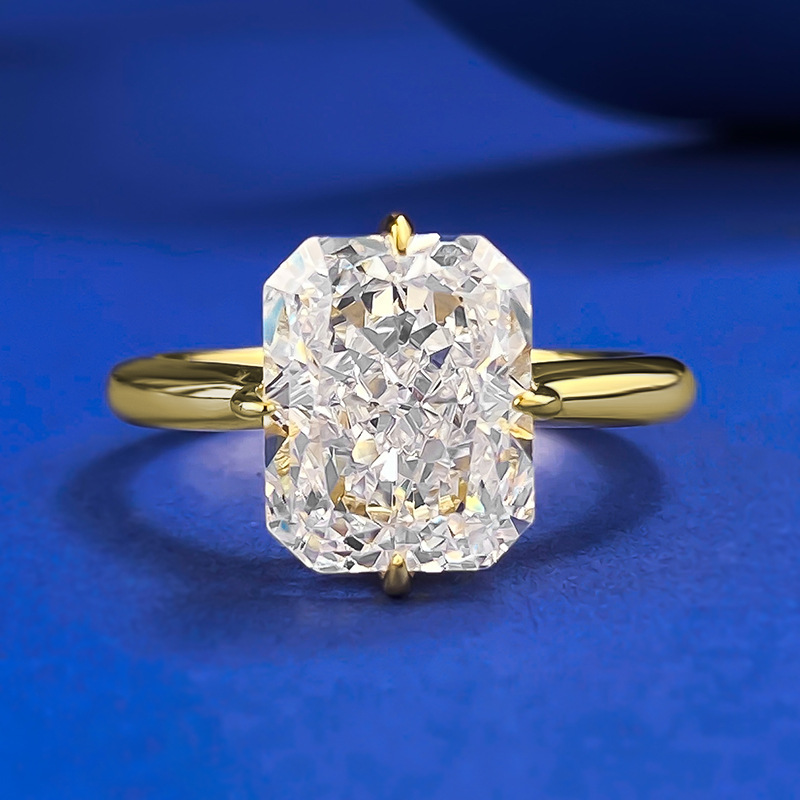
Jewelry Solder Repair Before and After Care: Safe Prep and Protection Tips
Jewelry Solder Repair Before and After care can make the difference between a strong fix and a repair that fails too soon. If you’re sending in a ring, chain, clasp, or prong area for solder work, the way you prep it and care for it afterward both matter. The right steps help protect the metal, the stones, and the finish.
For most shoppers, there are two parts to think about: what happens before the repair and what happens after it comes back. A simple gold chain link is very different from a pavé diamond ring, a platinum band, or an heirloom piece that’s already been repaired once. Why risk a delicate piece with guesswork?
What Jewelry Solder Repair Before and After Care Includes
Jewelry Solder Repair before and after care covers the full process around a solder job. That means inspection, cleaning, photos, stone checks, cooling time, finishing, wear limits, and long-term care.
Heat is the reason this matters. Soldering can affect gemstones, plating, adhesives, enamel, and weak metal. The Gemological Institute of America, or GIA, recommends checking stone type and setting security before any heat work. In our shop, we’ve found that a careful inspection up front prevents most repair surprises later.
A professional jeweler handles the torch, metal match, and finish. At home, your job is to document the piece, store it safely, and follow the aftercare instructions once the repair is done. The two jobs work best together.
Common repairs include ring sizing, broken chains, worn clasps, split jump rings, and cracked sections in gold or platinum. On a daily-wear ring, even a 0.5 mm weak spot can turn into a bigger break if it isn’t checked first. That’s why Jewelry Solder Repair before and after care should never be treated as a quick one-step job.
Professional Jewelry Solder Repair Before and After Care
A good jewelry shop starts with inspection, not solder. The jeweler should check metal type, thickness, wear points, stone security, and any old repairs. Two rings that look alike can still need very different repair methods.
What a jeweler should check first
- Metal karat and alloy type
- Existing solder seams or old repairs
- Loose center stones or side stones
- Prong wear, thinning, or cracks
- Plating, rhodium finish, or oxidation
- Glue, enamel, resin, or other fragile parts
That inspection matters because metal behaves differently under heat. White gold can shift color near the repair. Platinum can take more skill and more heat. Fine chains need exact alignment so the link doesn’t fail again at the same spot.
Pros of professional care
- Better heat control and cleaner joins
- Lower risk of stone or setting damage
- More even polishing and finishing
- Clear accountability if the piece needs a follow-up
- Safer handling for valuable or delicate jewelry
Professional care is usually the better choice for diamond rings, heirlooms, and pieces with small pavé stones. It also works well for Jewelry Solder Repair before and after care on items you want to preserve, not just fix. A skilled bench jeweler can often blend the repair into the piece so well that it’s hard to spot.
Cons of professional care
- Higher cost than basic home prep
- Turnaround can take several days
- You have less control over the in-shop process
- Some shops will refuse high-risk repairs
Cost depends on the repair, the metal, and whether stones need to come out. A simple chain fix may stay modest, while a platinum ring repair or a piece with stone removal can cost more. Turnaround often changes based on shop volume and whether the work includes re-plating or extra finishing.
At-Home Prep for Jewelry Solder Repairs
At-home care helps, but it has limits. You can safely prep jewelry before a repair and protect it after the work is done. You should not try to solder it yourself unless you’re trained and equipped for metalwork.
Before you hand the piece over, do a few simple things:
- Wipe away loose dirt with a soft, lint-free cloth
- Take clear photos from several angles
- Remove charms, tags, or detachable parts
- Place loose bits in a labeled pouch
- Write down where the damage is and how it happened
- Save notes about older repairs or stone replacements
This kind of prep helps the jeweler see the problem faster. It also gives you a record of the item’s condition before service. If anything changes during the repair, your photos make the conversation easier.
Pros of at-home prep and aftercare
- Lower upfront cost
- Better condition tracking
- Faster drop-off at the counter
- More control over storage before service
- Helpful for simple jewelry solder repair before and after care steps
At-home prep also helps if you’re comparing quotes. If two jewelers suggest different repair methods, your notes and photos give you a cleaner way to compare them. You’ll also have a better baseline for aftercare once the item returns.
Cons of at-home prep and aftercare
- Risk of rough cleaning or extra stress on the piece
- Hidden cracks or loose stones can be missed
- No heat control during the repair itself
- No professional finish until the shop completes it
- Protection can be incomplete if instructions are unclear
The biggest mistake is treating home prep like repair work. Scrubbing too hard can loosen stones. Soaking a piece with glued parts can weaken the adhesive. Light handling is usually enough.
How to Prepare Jewelry Before Solder Repair
Preparation starts with removal, notes, and disclosure. If the piece has fragile or detachable parts, take them off before the appointment. That’s especially true for chains with pendants, bracelets with charms, rings with loose accent stones, and anything with tags or safety chains.
Remove these items first
- Charms, tags, or removable pendants
- Loose components if the jeweler asks for them
- Soft stones that may need to come out
- Enamel or glued-in parts that are easy to damage
- Any packaging or inserts not needed for the repair
Some stones should never face direct solder heat. Opals, emeralds, pearls, turquoise, coral, and many glued or filled stones often need removal or extra protection. Even diamonds need a security check before the torch comes near the metal. According to GIA guidance, stone identification and setting checks are basic steps before heat-based work.
Tell the jeweler these details
- Metal type, if you know it, such as 14K, 18K, or platinum
- Whether the piece has been resized or repaired before
- Any rhodium plating or special finish
- Where the item breaks again and again
- Whether stones feel loose or the setting looks thin
- If the piece has sentimental or insurance value
This is where Jewelry Solder Repair before and after care gets more reliable. If the jeweler knows the ring has cracked in the same place before, they can check for metal fatigue. If a chain has several old repairs, the weak spot may not be obvious at first glance.
Document the condition
Use a quick pre-repair checklist:
- Take photos in bright, even light
- Capture close-ups of the damage
- Photograph hallmarks or stamps if visible
- Save receipts, appraisals, or old repair slips
- Ask for a written estimate and any risk notes
A proper estimate should explain what the jeweler plans to do, whether stones must be removed, whether polishing or re-plating is included, and what could change during the work. If the shop sees a risk, ask for it in writing. That keeps everyone on the same page.
After the Solder: How to Protect the Repair
The repair isn’t really done the second the torch goes off. Cooling, cleaning, inspection, and aftercare all matter. A fresh solder joint can be strong, but it still needs proper finishing and a gentle return to wear. Jewelry solder Repair Before and After care works best when you don’t rush the pickup process.
Immediate aftercare
- Don’t wear the piece until the jeweler says it’s ready
- Keep it dry unless the shop says otherwise
- Skip lotions, perfumes, cleaners, and household chemicals
- Don’t bend, tug, or stress the repaired area
- Store it away from harder jewelry
Some repairs need polishing or rhodium finishing after soldering. That’s one reason immediate wear can be a mistake. Freshly repaired areas may still show tiny tool marks or polishing residue if they haven’t been fully finished. If the jeweler says the piece needs another look, wait for that final check.
Short-term care in the first days and weeks
For the first couple of weeks, treat the piece gently. This is especially true for chain repairs, ring sizing, and clasp work. A repaired chain shouldn’t be stretched under tension. A resized ring shouldn’t be worn during heavy lifting. A repaired clasp should be opened and closed with care.
Helpful habits include:
- Wiping the piece with a soft cloth after wear
- Storing it in a lined box or separate pouch
- Removing jewelry before swimming or showering
- Avoiding chlorine, saltwater, and harsh cleaners
- Checking for sharp edges, snagging, or color change near the repair
Long-term maintenance
Even a strong repair needs occasional checks. For rings and chains you wear often, a jeweler check every 6 to 12 months is a smart baseline. If the piece is an heirloom, a pavé setting, or a high-value diamond item, more frequent checks may make sense.
Watch for these signs:
- Hairline cracks near the solder seam
- Repeated bending in the same spot
- Discoloration around the joint
- Loose stones near the repair
- A clasp that feels loose after a few uses
If you see any of those, stop wearing the piece and book an inspection. Jewelry solder repair before and after care only works if you keep an eye on the joint after the fix.
Professional Care vs. At-Home Prep: Side-by-Side
| Factor | Professional Jeweler Care | At-Home Prep and Aftercare |
|---|---|---|
| Cost | Higher upfront cost | Lower upfront cost |
| Convenience | Drop-off and pickup required | Easy to handle before and after |
| Risk | Lower, since the jeweler controls heat and finishing | Higher if the piece is cleaned or handled badly |
| Finish quality | Cleaner, more even, more consistent | Depends on the jeweler’s final work, but prep still matters |
| Reliability | Strong for delicate and valuable pieces | Good for storage and tracking, not soldering itself |
| Best for | Heirlooms, diamonds, platinum, pavé, repeated breaks | Simple prep, storage, and post-repair care |
For delicate pieces, professional care usually wins. For a simple chain break or clasp issue, at-home prep plus professional repair can be the most practical choice. Jewelry solder repair before and after care isn’t a contest between shop and home. It works best as a team effort.
If you’re also comparing new pieces that may need less repair over time, browse our jewelry collection or explore our engagement rings for styles that are easier to size and maintain.
Who Should Choose Which Path
Choose professional care if your jewelry is valuable, intricate, or heavily stone-set. That includes:
- Diamond rings with pavé or halo settings
- Platinum bands
- Antique or heirloom jewelry
- Pieces that keep breaking in the same spot
- Jewelry with unknown prior repairs
Choose limited at-home care if you only need to prep the piece safely and follow the jeweler’s instructions after pickup. That means gentle cleaning, careful storage, and accurate notes. If the repair is simple and the jeweler gives clear directions, home care is often enough for the prep and aftercare stages.
Stop DIY repair attempts and let a pro take over if you see:
- Cracks next to stones
- A split shank on a ring worn daily
- A chain that has broken more than once
- Bent prongs near a center stone
- Loose pavé stones or missing melee
A professional inspection matters even more for heirlooms, platinum pieces, pavé settings, and anything that has failed repeatedly. Those problems can point to hidden wear or metal fatigue that home prep won’t fix.
If you need help choosing the safest route, contact our jewelry experts for repair guidance and service recommendations.
Expert Recommendation
For most shoppers, the safest choice is professional jewelry solder repair before and after care, supported by careful at-home handling before drop-off and after pickup. That gives you a strong balance of stone protection, joint strength, and a clean finish. It also lowers the chance that a hidden issue gets missed.
Master jewelers usually focus on four things: heat control, solder strength, metal match, and a final inspection. That lines up with long-standing repair practices in the trade. It also makes sense for valuable pieces, where even a small mistake can affect wear and tear.
If you want repair-safe care items, look for a soft cleaner made for your metal and stones, a lined storage pouch, and a trusted inspection or repair service. A good pouch helps prevent scratches. A gentle cleaner helps remove residue without stressing the setting. And a repair visit gives you a clear next step if the piece needs more than basic solder work.
For shoppers who want the safest option for delicate repairs, start with service, not guesswork. Ask about stone removal, finishing, and turnaround before you agree to the work. If you’re planning a future purchase, try our ring builder or shop our lab-grown diamonds for designs that pair well with durable settings and everyday wear.
Jewelry solder repair before and after care works best when you treat the piece like the valuable item it is. Prep it carefully. Let a skilled jeweler handle the heat. Then protect the repair with smart aftercare and regular checks.
FAQ
What should I do before jewelry solder repair to protect my piece?
Clean the piece gently, take clear photos, and remove any loose or detachable parts if the jeweler tells you to. Share the metal type, known stone types, and any old repairs so the shop can plan the work safely. This helps with jewelry solder repair before and after care because the jeweler gets a clearer picture of the item before heat is involved. If you’re unsure about a stone, ask before you clean or take anything apart.
How long should I wait to wear jewelry after solder repair?
Wait until the jeweler says the piece is fully cleaned, cooled, and ready for wear. Some repairs need extra time before you expose them to water, lotion, or heavy movement. If the item was re-plated or heavily polished, the shop may also ask you to avoid friction for a short period. Follow the shop’s exact instructions, since the right timing depends on the repair type.
Can I clean my jewelry before solder repair?
Yes, but keep it gentle. Use a soft cloth and a mild cleaner that’s safe for the metal and stones, and avoid scrubbing or soaking fragile pieces. The goal is to remove surface dirt, not to force a shine or stress the setting. If the piece has glued parts, soft gems, or weak prongs, ask the jeweler whether you should leave it alone before drop-off.
What is the best aftercare for a ring or chain after solder repair?
Keep it dry at first, avoid chemicals, and store it separately so it doesn’t scratch or tangle. During the first few wears, check the repair area for rough edges, discoloration, or looseness. For jewelry solder repair before and after care, regular inspections matter just as much as the repair itself. If the piece is worn daily, a jeweler check every 6 to 12 months is a smart habit.
Is professional jewelry solder repair better than doing it at home?
Yes, for most valuable or stone-set pieces. A professional has better heat control, better tools, and a lower risk of damaging the stone or weakening the joint. Home care is useful for prep and aftercare, but not for the soldering itself. If the piece is a diamond ring, a platinum band, or something that keeps breaking, a professional inspection is the safer move.
Ready to Find Your Perfect Diamond?
Explore our collection of certified lab-grown diamonds
Shop Diamonds