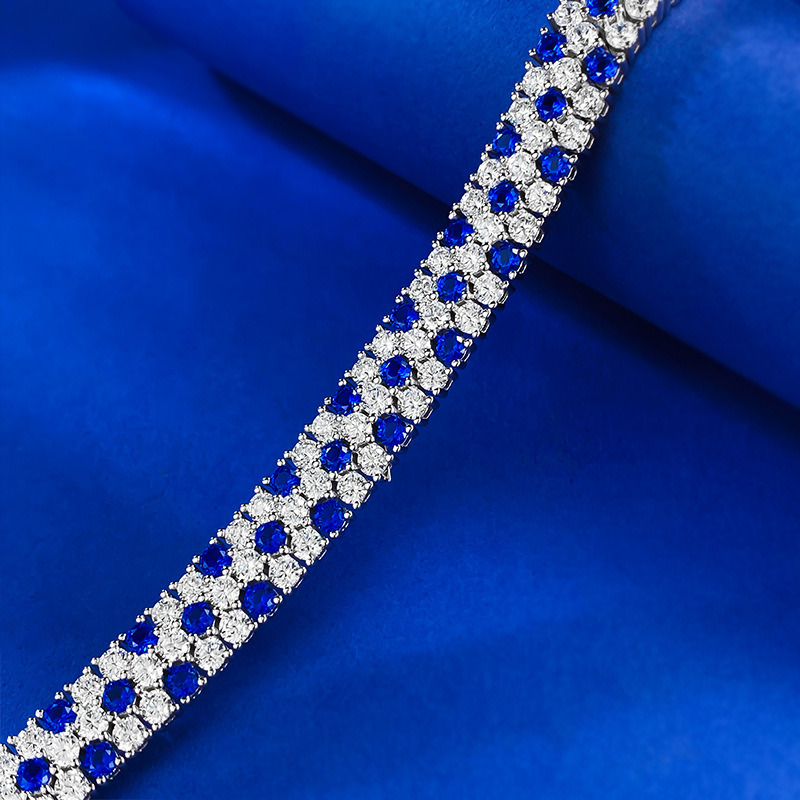
Jewelry Replacement Sourcing Comparison Worksheet
Replacing jewelry can feel simple until the quotes start looking uneven. One vendor lists only carat weight. Another gives a lab report, metal details, warranty terms, and delivery timing. A Jewelry Replacement Sourcing comparison worksheet keeps the process fair by putting every quote on the same page.
Use it for a lost engagement ring, damaged diamond studs, a stolen tennis bracelet, or an inherited piece you want to recreate. The goal is not to chase the cheapest number. It is to find the replacement that matches the original, fits your budget, and comes with records you can trust.
What a Jewelry Replacement Worksheet Helps You Compare
A jewelry replacement sourcing comparison worksheet helps you compare four common paths: an insurance-preferred vendor, a local jeweler, a big-box retailer or marketplace, and a premium online retailer like StoneBridge Jewelry. Each route can work, but each one solves a different part of the replacement process.
Insurance vendors often make claim paperwork easier. Local jewelers are helpful for hands-on matching and repair work. Marketplaces give you fast browsing, though details can vary from seller to seller. StoneBridge is a strong fit when you want lab-grown diamond value, clear specifications, and a direct online buying experience.
I've helped many shoppers compare replacement quotes, and the biggest surprise is usually how different two "similar" pieces can be once you look beyond the headline price. Your worksheet should track the details that change both price and quality:
- Diamond or gemstone shape, carat weight, and exact measurements
- Cut, color, clarity, and grading report details
- Metal type, such as 14k gold, 18k gold, platinum, or PT950
- Setting style, prong count, band width, and setting height
- Warranty, return window, resizing terms, and repair support
- Appraisal help, insurance documents, and shipping timeline
- Total price, including stone, setting, labor, and fees
GIA teaches buyers to evaluate diamonds by the 4Cs: cut, color, clarity, and carat weight. GIA reports also list measurements to hundredths of a millimeter, which matters because two 1.00 carat diamonds can face up differently. That single detail can change how close a replacement looks on the hand.
Customers usually get cleaner quotes when they bring photos, appraisals, and any old lab reports before they shop. A clear starting file reduces guessing and keeps every vendor focused on the same target (trust me, I've seen one blurry photo turn into three very different quotes).
You can compare styles while you work by browsing our fine jewelry collection or checking current lab-grown diamond options.
How to Fill Out the Jewelry Replacement Sourcing Comparison Worksheet
Start with the original piece. If it is lost or stolen, gather every record you still have. If it is damaged, take photos before any repair work begins.
Collect these baseline details first:
- Appraisal or insurance schedule
- Receipt, order confirmation, or repair invoice
- Diamond or gemstone lab report
- Clear photos from the top, side, and underside
- Ring size, bracelet length, chain length, or earring style
- Stone shape and measurements
- Metal stamp, such as 14k, 18k, PLAT, or PT950
- Setting details, including halo, solitaire, bezel, pave, or three-stone design
- Insurance claim number, if a claim is involved
Request at least three written quotes. Ask each vendor to quote against the same stone shape, grade range, metal, setting style, and timeline. If one quote uses a certified diamond and another uses an uncertified stone, the two options are not equal replacements.
Use a simple 1-to-5 score for each source:
- Quality
- Value
- Speed
- Service
- Documentation
- Design accuracy
A score of 5 means the quote closely matches your goal and includes strong paperwork. A score of 1 means the quote leaves out key details or creates too much risk. Think about what would make you feel comfortable wearing and insuring the piece for years, then write that answer in the notes column.
If ring size is part of the replacement, check our ring sizing guide Before You Order. A beautiful replacement still feels wrong if the fit is off, especially when the piece marks a proposal, anniversary, or wedding day. Those moments deserve comfort as much as sparkle.
Option A: Insurance-Preferred Replacement Vendors
Insurance-preferred vendors are common after theft, loss, or major damage. They often work directly with the insurer, follow claim rules, and provide documents the adjuster can process quickly.
This path can save time. It also reduces back-and-forth if you want the claim closed without managing every detail yourself. For a straightforward replacement, that convenience has real value.
The tradeoff is control. Some networks limit design choices, stone options, or brand selection. You may receive a piece that satisfies claim language but does not fully match the look or feeling of the original.
Pros of Insurance-Preferred Vendors
- They can coordinate directly with the insurer.
- They often provide claim-friendly paperwork.
- They may speed up simple like-for-like replacements.
Cons of Insurance-Preferred Vendors
- Selection may be limited to the insurer's network.
- Customization can be narrow.
- The final piece may feel less personal than the original.
On a jewelry replacement sourcing comparison worksheet, this option often scores well for paperwork and speed. It may score lower for design control, stone choice, and emotional match. Honestly, I think this is where people should pause the longest: insurance language can be satisfied even when your heart says, "This is not quite my ring."
Option B: Local Independent Jewelers
Local jewelers can be excellent for sentimental pieces. You can meet in person, review stones under magnification, discuss repairs, and work directly with a shop that may have a bench jeweler nearby.
That personal review matters for heirloom remakes, unusual settings, and rings with detailed proportions. A local jeweler can measure an existing piece, compare metal tone, and suggest small design changes before production begins.
Pricing and timing can vary. Some shops have limited diamond inventory, especially for specific lab-grown diamond sizes or matched pairs. Warranty terms also differ, so get everything in writing.
Ask whether the final diamond will have a GIA, IGI, or GCAL report. For lab-grown diamonds, IGI reports identify lab-grown origin and list the grading details you need for records. A fresh appraisal is also useful for insurance updates.
Pros and Cons of Local Jewelers
Pros:
- In-person service and stone review
- Strong support for custom or heirloom-style work
- Resizing, repair, and setting adjustments
- Better chance to inspect the piece before pickup
Cons:
- Smaller ready-to-buy inventory
- Quote differences from shop to shop
- Longer sourcing or custom timelines
- Warranty and return terms may be inconsistent
Ask for an itemized quote. Separate the center stone, accent stones, metal, labor, appraisal, shipping, and setting fees. Your jewelry replacement sourcing comparison worksheet becomes much more useful once each cost is visible.
Option C: Big-Box Retailers and Online Marketplaces
Big-box stores and marketplaces appeal to shoppers who want speed. You can browse many styles quickly, compare sale prices, and find simple replacements without a long consultation.
Treat retail chains and open marketplaces as separate categories. A known retail chain may have clearer return rules and product standards. An open marketplace can offer lower prices, but seller quality, grading documents, and return terms may shift from listing to listing.
Photos do not tell the whole story. Thin shanks, light settings, weak prongs, and vague stone details can be hard to spot online. Check whether the listing shows the exact item or a sample image.
Industry shopping reports from The Knot and Jewelers of America continue to show that online jewelry research is common before purchase. Gemological documents still carry weight for diamonds with insurance value. A report number, measurements, and grading lab can be more useful than a polished product photo.
Pros and Cons of Big-Box and Marketplace Sourcing
Pros:
- Fast browsing and checkout
- Frequent promotions and financing
- Broad style categories
- Useful for simple fashion jewelry replacements
Cons:
- Less personal matching support
- Mixed documentation quality
- Marketplace seller risk
- Harder to recreate a specific lost piece
Before buying from a marketplace, confirm five points: the grading lab, return window, restocking fee, warranty, and whether photos show the exact item. If the listing is vague, score it lower on the jewelry replacement sourcing comparison worksheet.
Option D: StoneBridge and Premium Online Lab-Grown Jewelry
Premium online retailers can be a smart path for shoppers who want detail, value, and convenience. StoneBridge Jewelry is especially useful for lab-grown diamond replacements because the buying process centers on visible specifications and clear product selection.
This category works well for engagement rings, diamond studs, tennis bracelets, wedding bands, and Fine Jewelry Gifts. You can compare shape, carat weight, metal, setting style, and price without waiting for a sales counter quote.
Lab-grown diamonds are chemically and optically real diamonds. The Federal Trade Commission recognizes laboratory-created diamonds as diamonds when sellers describe them clearly and do not mislead shoppers about origin. That clarity makes lab-grown options easier to compare in a replacement worksheet.
In my experience working with replacement shoppers, the happiest outcomes happen when the buyer slows down just enough to compare measurements, not just carat weight. StoneBridge guidance focuses on the details that change the final look: stone shape, exact measurements, setting height, band width, prong style, and metal tone. Those specifics help you avoid a ring that looks right in a thumbnail but feels off in person.
Explore engagement ring styles or start a custom path with the ring builder if you are replacing a ring with specific proportions.
Pros of StoneBridge Replacement Sourcing
- Lab-grown diamonds can offer strong size and quality value.
- Product details make side-by-side comparison easier.
- Online shopping keeps quotes organized and simple to review.
- StoneBridge support can help with replacement questions before you buy.
Points to Confirm Before Ordering Online
- Ring size, bracelet length, or earring backing style
- Diamond measurements and grading report details
- Return policy, production timeline, and warranty terms
- Appraisal or insurance documentation needs
If the replacement is tied to a claim, contact our jewelry experts before ordering. A short review can prevent mismatched specs and save time.
Side-by-Side Jewelry Replacement Sourcing Worksheet
Use this jewelry replacement sourcing comparison worksheet to score each option before you choose.
| Sourcing Option | Best For | Strengths | Watch For | Documentation | Customization | Timeline | Score |
|---|---|---|---|---|---|---|---|
| Insurance-preferred vendor | Claim-managed replacements | Paperwork and insurer coordination | Limited choice | Strong for claims | Low to moderate | Fast to moderate | 4/5 |
| Local independent jeweler | Heirloom remakes | Personal service and custom work | Smaller inventory | Moderate to strong | High | Moderate to slower | 4/5 |
| Big-box retailer | Simple retail replacements | Fast browsing and promotions | Less matching help | Moderate | Low to moderate | Fast | 3/5 |
| Online marketplace | Price shopping | Many listings | Seller and report risk | Uneven | Low | Fast to moderate | 2/5 |
| StoneBridge Jewelry | Lab-grown diamond and fine jewelry replacements | Clear specs, value, support | Confirm sizing and timing | Strong | Moderate to high | Fast to moderate | 5/5 |
Fill in the quote-level worksheet next:
| Field | Quote 1 | Quote 2 | Quote 3 | Notes |
|---|---|---|---|---|
| Vendor name | ||||
| Sourcing option | ||||
| Total price | ||||
| Stone shape | ||||
| Stone measurements | ||||
| Carat weight | ||||
| Cut, color, clarity | ||||
| Lab report | ||||
| Metal type | ||||
| Setting style | ||||
| Warranty | ||||
| Return window | ||||
| Appraisal available | ||||
| Delivery estimate | ||||
| Final score |
Score each quote with these rules:
- Give 5 points if it matches the original closely and includes strong documents.
- Give 4 points if it is close but has one small tradeoff.
- Give 3 points if it is acceptable but incomplete.
- Give 2 points if it misses key specs or support.
- Give 1 point if it fails on quality, documents, or transparency.
A lower price can hide a different setting height, a weaker warranty, or a looser grading standard. A higher quote may include a better lab report, stronger craftsmanship, and a closer visual match. The worksheet keeps those tradeoffs out in the open.
Who Should Choose Each Replacement Source
Choose an insurance-preferred vendor if you want claim simplicity and faster paperwork. This is the least hands-on path, and it works best for straightforward replacements.
Choose a local independent jeweler if the original piece was sentimental, unusual, or needs careful restoration. You will likely get more personal service, though the timeline may be longer.
Choose a big-box retailer if you need a simple fashion replacement and can accept limited customization. This route is best for pieces where exact matching does not matter.
Choose StoneBridge Jewelry if you want lab-grown diamond value, clear specs, and a premium online experience. For detail-driven shoppers, the jewelry replacement sourcing comparison worksheet often points here because the quote is easier to verify.
Best Overall Path for Detail-Driven Shoppers
For many replacement buyers, StoneBridge Jewelry offers the best balance of value, documentation, and design clarity. It works especially well for lab-grown diamond rings, diamond studs, tennis bracelets, wedding bands, and fine jewelry gifts.
A strong replacement is not just the cheapest quote. It should match the original well, include clear records, and feel good to wear. It should also be easy to insure later.
Here's what nobody tells you: replacing a meaningful piece can bring up more emotion than expected. If it was a proposal ring, a wedding band, or a gift from someone you love, the details are not just technical. They are part of the memory. Give yourself permission to care about the curve of the band, the height of the setting, and the way it feels when you put it on again.
Before You Buy, run the final option through your jewelry replacement sourcing comparison worksheet one more time. Confirm the stone shape, measurements, metal, setting, warranty, return terms, and appraisal support in writing. If those details line up, you can move forward with more confidence (yes, even on a budget).
Shop Replacement Jewelry at StoneBridge
If your jewelry replacement sourcing comparison worksheet points toward premium online buying, StoneBridge makes the next step simple. Compare real product details, lab-grown diamond value, and fine jewelry styles Before You Order.
Start here:
- Shop lab-grown diamonds
- Explore engagement rings
- Build a ring
- Browse fine jewelry
- Contact StoneBridge support
Keep your worksheet open while you browse. Compare each StoneBridge option against your insurer quote, local jeweler quote, or marketplace listing. You will see where the value, paperwork, and design match truly sit.
FAQ
What should I include in a jewelry replacement sourcing comparison worksheet?
Include the original appraisal, photos, receipt, lab report, stone measurements, metal type, setting style, and insurance claim details if you have them. Then add each replacement quote with price, warranty, return terms, appraisal support, and delivery timing. Your jewelry replacement sourcing comparison worksheet should make equal-quality quotes easy to compare. If a vendor cannot provide basic specs in writing, score that quote lower.
How do I compare jewelry replacement quotes from different jewelers?
Compare the same specs across every quote: diamond shape, measurements, carat weight, cut, color, clarity, metal karat, setting style, and warranty. Do not compare a certified diamond with an uncertified stone as if they are equal. Ask each jeweler for an itemized price so you can see stone, labor, setting, and fees. This keeps the Replacement Quote Comparison fair.
Is it better to replace lost jewelry through insurance or buy it myself?
Insurance replacement can be easier if you want the claim handled quickly. Buying directly may give you more control over diamond quality, lab-grown options, setting details, and retailer choice. Use a jewelry replacement sourcing comparison worksheet to compare both paths with written specs. The better choice is the one that gives you the right mix of speed, value, and confidence.
Can I use a lab-grown diamond for jewelry replacement?
Yes, lab-grown diamonds can be an excellent choice for replacement jewelry. They are real diamonds, and reports from labs such as IGI can document origin, measurements, and grades. Match the new diamond by shape, size, color, clarity, and cut rather than carat weight alone. StoneBridge customers often choose lab-grown diamonds when they want a larger or higher-grade replacement within budget.
What is the best online store for replacement diamond jewelry?
The best online store gives you clear specs, reliable documents, fair policies, and support Before You Buy. StoneBridge Jewelry is a strong choice for lab-grown diamond engagement rings, studs, tennis bracelets, wedding bands, and Fine Jewelry Replacements. Use your worksheet to confirm the exact diamond measurements, metal, setting style, and warranty. If the piece is tied to an insurance claim, contact support before ordering.
Ready to Find Your Perfect Diamond?
Explore our collection of certified lab-grown diamonds
Shop Diamonds