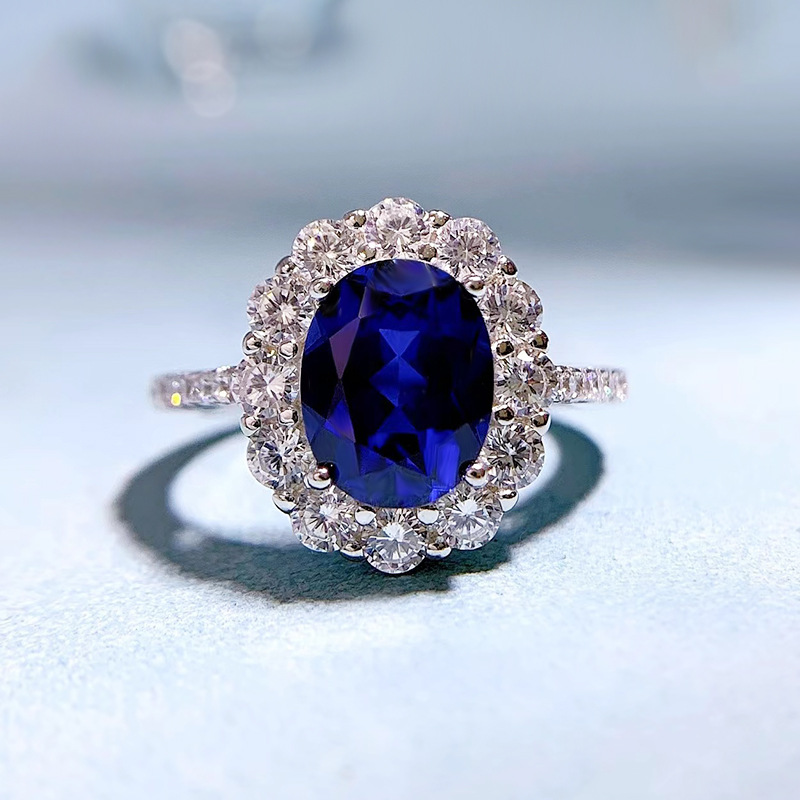
Jewelry Replacement Estimate Approval Checklist
A lost ring or damaged bracelet can make every decision feel rushed. The estimate arrives, the adjuster asks for approval, and suddenly you're comparing diamond grades, metal types, policy terms, and repair language all at once.
A jewelry replacement estimate approval checklist gives you a slower, clearer way to review the details before you sign. It helps you protect the quality of the replacement, not just the dollar amount on the page.
Use this guide for engagement rings, wedding bands, diamond jewelry, lab-grown diamonds, colored gemstone pieces, tennis bracelets, chains, and custom designs. The replacement should match the original in the details that affect value, beauty, durability, and wear. I've helped many customers work through replacement questions after loss, damage, travel mishaps, and proposal surprises gone sideways, and the calmest outcomes usually start with one thing: better documentation.
Jewelry Replacement Estimate Approval Checklist: Start With the Original Item
A good review starts with one question: what exactly are you replacing?
A diamond engagement ring isn't just a solitaire. It may be a 1.25 carat oval diamond, G color, VS2 clarity, with a GIA report, no fluorescence, 18K yellow gold, a platinum head, claw prongs, and a hidden halo. If the estimate leaves out those details, the final ring can change more than you expect.
The same point applies to sapphires, emeralds, rubies, gold chains, designer jewelry, and lab-grown diamond jewelry. A replacement estimate should show enough detail for you to compare it against appraisals, receipts, photos, grading reports, and insurance schedules.
This jewelry replacement estimate approval checklist is an educational tool. It's not legal advice, insurance advice, or a substitute for an independent appraisal. It can help you ask sharper questions Before You Approve a replacement.
Why a Jewelry Replacement Estimate Needs a Careful Review
A replacement estimate is not the same as an appraisal. It also isn't the same as a repair estimate or policy payout.
A replacement estimate projects the cost to replace or recreate the jewelry with comparable stones, metal, design, and workmanship. An appraisal usually documents value for insurance, estate, donation, or personal records. A repair estimate covers work such as retipping prongs, replacing a side stone, rebuilding a shank, or tightening a clasp.
Small differences can carry real value. A 1.00 carat round diamond with G color, VS1 clarity, Excellent cut, and a GIA report is not equal to a 1.00 carat diamond with J color, SI2 clarity, and no listed cut grade. Platinum also prices differently than 14K white gold.
GIA's 4Cs system grades diamonds by cut, color, clarity, and carat weight. Those four details are only the starting point. Measurements, fluorescence, polish, symmetry, lab report number, and laser inscription can also matter.
Metal details matter too. Pure gold is 24 karat, while 18K gold is 75% gold and 14K gold is 58.3% gold. A 950 platinum alloy is 95% platinum. Those numbers explain why a metal substitution can be a real downgrade, even when the color looks similar.
Customers often focus on the center stone first, which makes sense. Many replacement problems, though, hide in the setting, side stones, labor, warranty, or missing paperwork (trust me, I've seen it happen).
Replacement Estimate vs. Appraisal
Before you sign, confirm which document you're approving. A jewelry replacement estimate approval checklist should separate replacement cost from appraised value, repair cost, deductible, and policy payout.
An appraisal may include measurements, gemstone grades, metal type, photos, valuation purpose, valuation date, and the appraiser's qualifications. A replacement estimate may be shorter, but it still needs enough detail to support a like-kind-and-quality replacement.
If an estimate says only “diamond ring replacement,” ask for more. That phrase doesn't tell you the diamond grade, metal purity, setting style, side stone quality, or labor included.
Like Kind and Quality, in Plain English
Like kind and quality means the new item should be comparable to the original in the details that affect value and wear. It doesn't mean any ring with a similar shape is close enough.
A VS1 diamond replaced with an SI2 diamond is a clarity downgrade. An 18K gold setting replaced with 14K gold changes purity. A hand-engraved band replaced with a plain cast band changes the workmanship.
A natural diamond should not be replaced with a lab-grown diamond unless the original was lab-grown or you knowingly accept that change. Both can be beautiful, but they are not the same product category. Honestly, I think this is one of the most important details to get in writing because the two categories can look very similar in a photo while carrying different pricing and documentation expectations.
Core Jewelry Replacement Estimate Approval Checklist
Use this jewelry replacement estimate approval checklist before approving any claim estimate, jeweler estimate, or replacement quote:
- Confirm the jewelry type, style, measurements, stone count, and visible design details.
- Compare the estimate with receipts, appraisals, photos, grading reports, and insurance schedules.
- Verify diamond or gemstone quality, including lab report, measurements, treatment, and origin.
- Review metal type, karat or alloy, color, setting method, finish, size, and weight if listed.
- Check whether labor, CAD design, stone setting, polishing, taxes, shipping, insurance in transit, and warranties are included.
- Ask for written revisions when the language is vague, incomplete, or inconsistent.
For custom jewelry, treat small details as important. A hidden halo, French-set side stones, hand engraving, designer marks, or a specific prong style can change both the look and the cost.
Confirm the Item Description
Start with the basics. The estimate should identify the jewelry type, metal, stones, measurements, and special features.
For a ring, look for ring size, center stone shape, side stones, setting style, prong style, profile height, and finish. For a necklace or bracelet, look for length, clasp type, link style, stone layout, and gram weight when available.
Compare every document. If one record says platinum and another says 14K white gold, pause. If an appraisal lists 1.52 total carat weight and the replacement estimate lists 1.25 total carat weight, ask why.
Keep copies of GIA, IGI, GCAL, or other lab reports when available. A report number, laser inscription, measurements, and grade profile can help prove whether the proposed replacement is truly comparable.
Verify Diamonds, Gemstones, and Lab-Grown Diamonds
Diamonds need more than carat weight. Review cut, color, clarity, and carat weight first. Then check shape, millimeter measurements, polish, symmetry, fluorescence, table percentage, depth percentage, and grading lab.
A 1.00 carat diamond can face up larger or smaller depending on its measurements. That's why a jewelry replacement estimate approval checklist should not rely on carat weight alone.
For lab-grown diamonds, the estimate should state lab-grown origin clearly. Confirm the grading lab, report number, growth disclosure, laser inscription, and whether the proposed replacement is also lab-grown.
Colored gemstones need a different review. Check species and variety, such as corundum sapphire, beryl emerald, or ruby. Ask for color quality, transparency, cut style, measurements, origin if stated, and treatment disclosure.
Treatment can affect value and care. Heat treatment, oiling, diffusion, dyeing, and fracture filling are not small footnotes. If a sapphire, ruby, or emerald was untreated or had a stated origin, the replacement estimate should address that.
If you want to compare diamond specifications while reviewing options, you can shop lab-grown diamonds and study common grading details side by side.
Review Metal, Setting, and Craftsmanship
Metal language should be specific. Look for platinum, 18K gold, 14K gold, sterling silver, or another stated metal. For gold, confirm color and karat: yellow, white, rose, 10K, 14K, 18K, or another alloy.
The setting should also be clear. Check for prongs, bezels, channels, pave, hidden halos, cathedral shoulders, milgrain, engraving, satin finish, high polish, two-tone construction, and custom design work.
Labor is part of the value. CAD design, casting, hand fabrication, stone setting, polishing, rhodium plating, sizing, and final inspection all take skill. Don't let them disappear into one vague line.
If you're comparing setting styles before approving a design, browse engagement ring settings or try the ring builder to see how metal, stone shape, and design choices change the finished look. For engagement rings especially, the setting is part of the story; it's the piece someone may glance at every day while remembering the proposal, the wedding, or the person who gave it to them.
How to Compare the Estimate Against Your Jewelry
The best method is simple: compare line by line. Place the replacement estimate beside the original appraisal, receipt, photos, grading report, and insurance schedule.
Mark each line as a match, acceptable range, missing detail, or possible downgrade. This turns the jewelry replacement estimate approval checklist into a working review document instead of a quick yes-or-no decision.
Don't assume the lowest estimate is the best one. It may leave out side stone grades, use a stock mounting, reduce metal purity, skip taxes, or exclude setting labor. A higher estimate also needs support, so ask for the specifications behind the price.
Side-by-Side Review Table
Use a simple table like this:
| Category | Original Jewelry | Proposed Replacement | Question to Ask |
|---|---|---|---|
| Center stone | 1.20 ct oval, G color, VS2, GIA | 1.20 ct oval, G-H, VS2-SI1 | Will the final diamond have a report number? |
| Side stones | 0.30 ctw natural diamonds | 0.25 ctw diamonds | Why is the total carat weight lower? |
| Metal | 18K yellow gold | 14K yellow gold | Is this a downgrade? |
| Design | Hidden halo, claw prongs | Similar halo setting | Are claw prongs and hidden halo included? |
| Labor | Custom CAD and setting | Stock mounting | Is custom work included? |
| Service | Warranty and inspections | Warranty not stated | What service is included after delivery? |
A table makes gaps easier to discuss with a jeweler, appraiser, or adjuster. It also keeps the conversation focused on facts.
Watch for Hidden Downgrades
Vague phrases create risk. “Comparable ring,” “similar diamond,” “white metal,” or “blue gemstone” may sound fine at first. They can also hide big differences.
Common gaps include missing cut grade, broad clarity ranges, no fluorescence detail, unknown gemstone treatments, no lab report, unclear metal purity, excluded labor, or no warranty terms.
Ask for specifics before signing. If a line can be read two ways, it's not clear enough yet.
Questions to Ask Before You Approve
Before you sign, ask questions that force the estimate to become more specific.
Use these with the jeweler, insurance company, claims adjuster, replacement provider, or independent appraiser:
- Which documents were used to create this estimate?
- Does the replacement match the original in like kind and quality?
- Which details are exact matches, and which are ranges?
- Will the diamond or gemstone have an independent grading report?
- Are gemstone treatments, natural origin, or lab-grown origin stated in writing?
- Is the setting custom made, newly cast, modified from stock, or ready made?
- Are taxes, shipping, insurance during transit, resizing, and inspection included?
- What happens if the finished piece doesn't match the approved specifications?
- Are warranty, cleaning, prong checks, or maintenance services included?
- Can the estimate be revised before approval?
Ask by email when possible. Written answers help everyone remember what was promised.
Questions for the Jeweler
Ask whether you can review the diamond or gemstone report before final approval. For meaningful diamond jewelry, a report from GIA, IGI, GCAL, or another recognized lab can support the replacement quality.
Ask how the setting will be made. A custom CAD ring, hand-fabricated setting, stock mounting, and ready-made ring are not the same process.
Ask about service after delivery. Resizing, cleaning, prong checks, rhodium plating, and warranty coverage can affect how happy you are with the replacement six months later.
In my years working with jewelry customers, I've learned that people rarely regret asking one extra question before approval. They do regret assuming the warranty, sizing, or stone report was included when it wasn't (yes, even on a budget).
Questions for the Insurance Company
Ask what settlement options your policy allows. Some policies use a preferred jeweler. Others may allow repair, replacement, cash settlement, or a policyholder-selected jeweler.
Review deductibles, limits, scheduled values, taxes, shipping, and required documentation. If the estimate is lower than the scheduled value, ask why. If the estimate is above the policy limit, ask what portion is covered.
Insurance terms vary, so read the policy pages instead of relying on general advice. Your jewelry replacement estimate approval checklist should include both jewelry details and coverage details.
Common Approval Mistakes to Avoid
The fastest approval isn't always the safest one. A rushed signature can lead to a replacement that looks close in a photo but falls short in materials, grade, or construction.
The biggest mistake is approving based only on the final price. Two estimates can have similar totals but very different contents. One may include a GIA-graded diamond, platinum setting, custom work, taxes, and a warranty. Another may include a non-certified diamond, 14K gold, a stock mounting, and limited service.
Another mistake is ignoring missing paperwork. Without grading reports, photos, itemized descriptions, treatment disclosures, and receipts, you may struggle to update insurance or support a future claim.
Fit and daily wear matter too. Confirm ring size, comfort, profile height, prong durability, stone security, cleaning needs, and maintenance schedule. If sizing is uncertain, review our ring size guide before final approval.
Practical Approval Tips That Save Time
Create a claim folder Before You Approve anything. Include the estimate, original appraisal, purchase receipt, grading reports, photos, policy pages, repair records, emails, and notes from calls.
Name files clearly, such as original-appraisal.pdf, gia-report-center-diamond.pdf, insurance-policy-jewelry-page.pdf, and replacement-estimate-revised.pdf. Simple organization can prevent days of back-and-forth.
Request an itemized written estimate. Ask the provider to separate the center stone, side stones, metal, setting labor, design work, taxes, shipping, and service terms when possible.
Here's what nobody tells you: the estimate review often feels more emotional than technical. If the piece was an engagement ring, wedding band, anniversary gift, or heirloom, you're not just replacing metal and stones. You're trying to preserve a memory, and that deserves a little patience.
Use this approval order:
- Gather all records first.
- Compare the estimate line by line.
- Highlight missing or conflicting details.
- Ask questions in writing.
- Request a revised estimate if needed.
- Save the approved version with every supporting document.
Don't approve an estimate you don't understand. A good jeweler or claims representative should be able to explain the materials, grades, labor, and policy terms in plain language.
Approve the Replacement With Clear Eyes
A jewelry replacement estimate approval checklist helps you slow down at the right moment. Before signing, confirm the item description, diamonds, gemstones, lab-grown or natural origin, metal purity, setting details, labor, taxes, warranty, and policy terms.
Price matters, but specifications come first. The best estimate explains what will be replaced, how it compares to the original, and what documentation you'll receive after the work is complete.
If you're researching replacement options, you can browse fine jewelry, compare diamond choices, or contact StoneBridge Jewelry experts with questions about quality, lab-grown diamonds, and replacement-ready documentation.
Ready to Find Your Perfect Diamond?
Explore our collection of certified lab-grown diamonds
Shop Diamonds