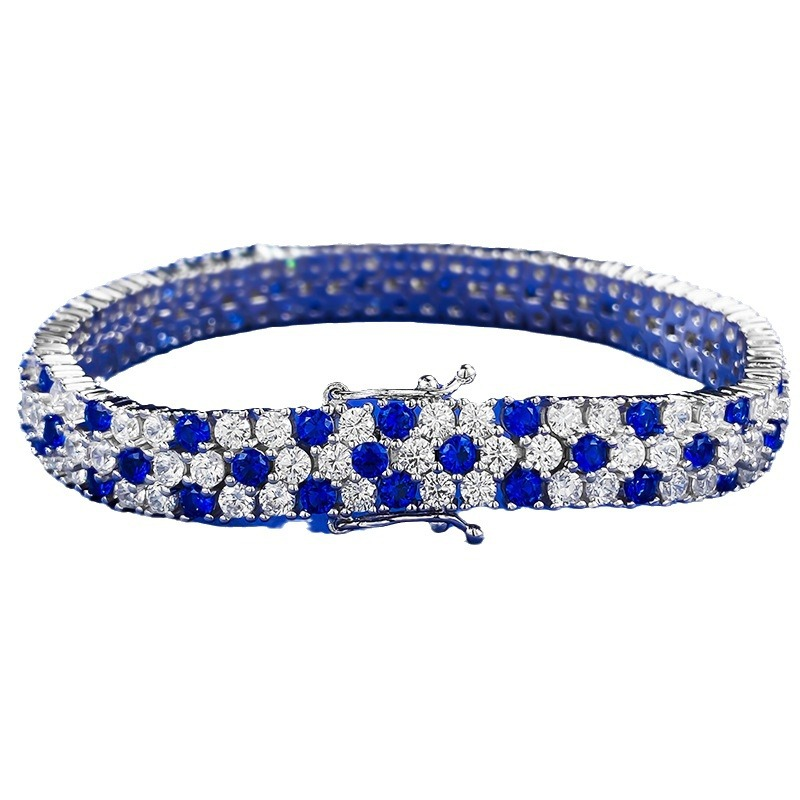
Jewelry Repair for Loose Prongs: Professional Fixes vs DIY
Jewelry Repair for Loose prongs is one of those fixes people put off until a stone starts shifting. That delay can get expensive fast. A loose prong may catch on fabric, bend farther, or let a diamond or gemstone slip out.
The safest choice is usually professional jewelry repair for loose prongs. There are still a few short-term steps you can take at home while you wait for an appointment.
A bench jeweler checks the setting under magnification, looks for worn metal, and tests how the stone sits in the head. That matters because a prong can look fine to the naked eye and still be too thin to trust. GIA and other gem labs recommend regular inspection for rings and other pieces worn every day.
What loose prongs really mean
Loose prongs are the small metal claws that hold a stone in place. Over time, they can wear down, flatten, bend, or open slightly from daily use. Handwashing, sports, lifting, and snagging clothing all speed that wear up.
The warning signs are usually easy to spot once you know what to look for. A stone may wiggle, one prong may look shorter than the others, or the setting may feel rough at the edges. If you notice any of that, jewelry repair for loose prongs should move to the top of your list.
Many customers wait because the ring still looks fine. That’s the trap. A loose stone often shows up only after the setting has already weakened.
There is also a difference between a prong that is simply out of shape and one that has metal fatigue. A prong can be bent back once or twice, but if the metal has thinned from wear, repeated tightening can make it fail. That is why a careful inspection matters before anyone touches the setting.
Some prongs loosen because the ring itself is out of round or the head has shifted after an impact. In those cases, the problem is not only the prong tip. The jeweler may need to true the shank, rebuild the head, or reset the stone so the entire mounting sits evenly again.
Professional jewelry repair for loose prongs
Professional jewelry repair for loose prongs starts with an inspection. The jeweler checks prong thickness, stone security, and any signs of metal fatigue. If the prongs are worn, the repair may call for tightening, retipping, rebuilding, or replacing the entire head.
The jeweler should also examine the stone itself. Diamonds are hard, but they can still chip at the girdle if a prong has been bent repeatedly or if the stone has been struck. Softer gems like emerald, opal, and pearl need even more caution because the wrong adjustment can crack or bruise them.
Common professional repair options
- Tightening — nudging a slightly open prong back into place.
- Retipping — adding new metal to rebuild a worn prong tip.
- Prong rebuilding — restoring a damaged or very thin prong.
- Head replacement — swapping the whole setting head when wear is severe.
- Stone reset — removing and resetting the stone for a safer fit.
A simple tighten can be quick. A full rebuild takes longer, especially on antique rings, halo settings, or custom pieces. Still, that extra time usually buys better stone security and a cleaner finish.
Retipping is common on engagement rings with daily wear because the tips take the most contact. A rebuild becomes more likely if the prongs are so thin that there is not enough metal to work with. Head replacement is often the better call when several prongs have failed or when the basket has already been damaged by a knock.
If the piece has accent stones, the jeweler may need to protect or remove them before working. That adds labor, but it is the right approach when the setting is delicate. Pave and micro-pave styles especially need a slow, controlled repair process because one slip can loosen more stones than you started with.
Why pros usually get better results
Professional jewelry repair for loose prongs gives a jeweler room to do the job right. They use magnification, proper setting tools, and the right metalwork methods for gold, platinum, or silver. That lowers the chance of scratching the stone or weakening the prong further.
It also protects value. A clean repair keeps the setting looking balanced and helps the stone stay secure longer. For an engagement ring or heirloom piece, that matters more than shaving a few dollars off the bill.
Professionals also know when to stop repairing and start replacing. If a prong has been tightened so many times that it no longer has structural strength, rebuilding it is safer than forcing another bend. That judgment call is hard to make without the right tools and experience.
DIY jewelry repair for loose prongs: what’s safe and what isn’t
DIY jewelry repair for loose prongs is really about temporary protection, not a true repair. At home, you can stop wearing the piece, store it safely, and wait for a jeweler. That’s the smart move.
What you shouldn’t do is twist, press, or bend the prong with random tools. A tiny slip can chip a stone or crack the metal. If the prong is already thin, one wrong move can turn a small repair into a much bigger one.
DIY kits are another common mistake. They may sound handy, but they rarely solve worn prongs in a lasting way. For diamonds, sapphires, emeralds, and pave settings, the risk usually outweighs the reward.
A second problem with home fixes is that they often hide the symptom instead of addressing the cause. If the setting is wearing out because the ring is too loose, the ring is being worn constantly, or the prongs were never thick enough for the stone, the looseness will come back. A temporary bend might buy time, but it does not fix the structure.
Safe short-term steps at home
Remove the jewelry and put it in a soft pouch or lined box. Keep it separate from other items so it doesn’t rub or snag. If you want to inspect it, use a loupe or magnifier, but don’t try to fix it yourself.
That simple pause can save a stone. Why keep wearing a ring that’s already telling you it needs help?
If the piece has become uncomfortable because the prong is catching on clothing, cover the area only as a short-term measure while you wait. Even then, avoid adhesives or anything that could contaminate the setting before the jeweler sees it. Clean access to the metal helps the repair go faster and more reliably.
Jewelry repair for loose prongs: cost, time, and risk
The cost of jewelry repair for loose prongs depends on the damage, the metal, and the setting style. A small tighten may be fairly modest. Retipping, rebuilding, or replacing a head will cost more.
Turnaround time varies too. Simple work may be done the same day or within a few days. More detailed repairs can take longer if the stone needs to come out or the piece needs polishing after the repair.
Industry repair estimates show that simple prong tightening often falls on the low end, while rebuilding or head replacement can rise quickly. An in-person estimate is the best way to compare options.
For context, a straightforward tighten may fall in the lower service range at many local jewelers, while retipping or a head swap can move into a higher bracket depending on metal and labor. If the ring is platinum, has side stones, or needs a full polish and rhodium finish, the final price usually climbs. That is not a sign of overcharging; it reflects the time and skill required to preserve the setting.
Ask whether the quote includes inspection, stone tightening after the repair, polishing, and cleaning. Some shops separate those charges, and some include them. A complete estimate makes it easier to compare service quality instead of just comparing a headline number.
Risk level: professional vs DIY
Professional repair has the lowest risk when the jeweler is experienced. DIY has the highest risk, especially if the prong is worn rather than just slightly bent. A stone that feels a little loose today can fall out tomorrow.
For daily-wear rings, that risk adds up fast. The average person touches their ring many times a day, and every bump matters. A small repair now is usually cheaper than replacing a lost stone later.
There is also a hidden risk in waiting too long for inspection. The longer a loose prong is left alone, the more likely the stone will shift, which can wear a groove into the girdle or damage the seat. Once that happens, the repair may require a new stone or additional rebuilding, not just a quick tightening.
Side-by-side comparison
| Factor | Professional jewelry repair for loose prongs | DIY fixes |
|---|---|---|
| Cost | Higher upfront, based on inspection and repair type | Low upfront, but mistakes can raise later costs |
| Turnaround | Same day to several days, longer for complex work | Immediate, but only temporary |
| Safety | Best stone security | Low to moderate, not reliable for worn prongs |
| Durability | Strong long-term result | Short-lived |
| Finish | Clean, polished, and matched to the setting | Often uneven or visible |
| Tools | Bench tools, magnification, and setting equipment | Limited tools, limited control |
| Warranty | Often available from the jeweler | None |
| Best for | Engagement rings, heirlooms, halos, pave, and valuable stones | Short-term storage before service |
The tradeoff is clear. Professional jewelry repair for loose prongs costs more, but it gives you a real fix. DIY only buys time.
When you should skip DIY and go straight to a jeweler
Some situations need professional help right away. If the stone moves, if a prong is missing, or if the setting has tiny stones around it, don’t try to fix it at home. Those settings can fail fast.
This is especially true for center stones with a large table or a high profile, since they get knocked against door handles, countertops, and hard edges more often than people realize. A high-set solitaire with open prongs can seem secure until it suddenly isn’t.
Choose professional repair if:
- The stone wiggles when touched.
- A prong looks bent, flat, or broken.
- The setting has pave, micro-pave, or halo details.
- The piece is an engagement ring worn daily.
- The jewelry is antique, heirloom, or insured.
- The stone has sentimental or financial value.
We’ve seen customers wait because the ring still looked pretty from the top. Then the stone loosened a little more and the repair got harder. Early inspection matters.
If you are uncertain, compare the item to a known-safe piece. A secure setting should feel stable under gentle pressure and should not show daylight gaps around the stone. Any visible gap, even a narrow one, is a reason to stop wearing it and have it checked.
Metal type and setting style matter
Gold, white Gold, Platinum, and Silver all wear differently. Platinum can deform in a different way than gold, and white gold may need finishing after the repair. The setting style matters too.
Yellow gold is easier to match for many repairs, but it still softens over time, especially in higher-karat alloys. 18K gold looks rich and is common in fine jewelry, but it is softer than 14K and can show wear sooner. 14K gold is often a practical choice for daily wear because it balances durability and color.
Platinum is dense and durable, which many buyers like for engagement rings and high-value diamonds. It can develop a patina instead of staying mirror-bright, and that is normal. The upside is strong wear resistance; the downside is that prongs can thin by displacement rather than by visible loss, so they still need inspection.
Silver is less common for secure prong settings on valuable stones because it is softer and more prone to wear. If you have a silver ring with a stone that matters, inspect it more often and consider whether upgrading to a harder metal during a repair makes sense.
Rings take the most abuse because your hands hit hard surfaces all day. Earrings can snag on hair or clothes. Pendants are usually less exposed, but they still need jewelry repair for loose prongs if the stone shifts in the mount.
If the piece is covered by insurance or protected by a warranty, keep the paperwork in mind. Some policies expect proof of regular care, and some warranties only stay valid with professional service.
How setting design affects repair decisions
Not every prong setting should be handled the same way. A classic four-prong solitaire is often simpler to service than a six-prong head or a tension-style design. More prongs can spread the load, but they also create more contact points that need checking.
Halo settings and pavé bands demand special care because the center stone is not the only one at risk. If the repair is done too aggressively, surrounding stones can loosen or the tiny beads that hold them can flatten. In those cases, a jeweler may choose to isolate the repair area or remove certain stones to keep the work controlled.
Basket settings and cathedral shoulders can influence how a ring flexes. If the ring shank is thin or out of round, even a well-done prong repair may not last unless the jeweler also corrects the underlying structure. That is one reason why a good estimate should explain the full fix, not just the visible symptom.
What to ask before you approve the repair
Before you leave a piece with a jeweler, ask direct questions. You want to know whether the repair is a tighten, retip, rebuild, or head replacement. You also want to know whether the stone will stay in the setting during the work.
Ask whether the jeweler will inspect the stone under magnification for chips, abrasions, or loose accents before starting. If a diamond has a damaged girdle, or if a colored gem has surface-reaching fractures, the repair method may need to change.
Ask about turnaround time, insurance while the piece is in the shop, and whether the final service includes polishing and cleaning. If the ring is to be shipped, confirm packaging, tracking, and signature requirements. For valuable jewelry, a tracked, insured return is not optional.
You should also ask what happens if the jeweler finds more damage than expected. A clear shop will pause, explain the issue, and give you a revised quote before proceeding. That protects you from surprise charges and prevents rushed decisions on a sentimental item.
If a stone needs replacement
Sometimes jewelry repair for loose prongs reveals that the stone itself is no longer ideal. A chipped diamond, cracked colored gemstone, or deeply abraded girdle may not sit safely even after the prong work is done. In that case, you may need to source a replacement stone.
If you are replacing a diamond, review the usual specs carefully: carat, cut, color, and clarity. For round brilliants, cut grade is often the first thing to protect because it affects sparkle more than a small difference in clarity. If you are matching an existing stone, the jeweler may need measurements, fluorescence, and proportions, not just a carat weight.
Certification matters when replacing a center stone or buying a new one for a repaired piece. GIA and AGS reports are widely trusted for diamonds because they provide consistent grading standards. For colored stones, ask whether the gem has been identified by a recognized lab and whether any treatments are disclosed. Heat treatment, oiling, and fracture filling can affect durability and value.
For mounted stones, especially in vintage pieces, an exact match is not always realistic. A knowledgeable jeweler can help you decide whether to prioritize color match, size match, or performance. That choice should be made intentionally, not by guessing from a catalog photo.
Care after the repair
A good repair should last, but maintenance still matters. Remove rings before heavy lifting, gardening, gym work, and cleaning. Store each piece separately so prongs do not rub against other jewelry.
Check the setting regularly under bright light. If you see the stone beginning to shift again, do not wait for visible damage. Catching wear early reduces the odds of needing another rebuild.
Clean jewelry gently with mild soap and warm water if the stone and setting allow it. Use a soft brush around the prongs, then dry with a lint-free cloth. Avoid harsh chemicals, ultrasonic cleaners, and steam unless the jeweler confirms they are safe for the specific stone and setting.
Scheduling matters too. Daily-wear rings should be inspected on a regular basis, often every six to twelve months depending on use. If you work with your hands, exercise frequently, or wear the ring while sleeping, inspect it more often. A prong that looks fine after a few months can loosen faster than expected.
Common mistakes people make with loose prongs
One common mistake is assuming a snug-looking stone is secure. A stone can sit still until a small shock or twist changes the angle of the prong. Another is continuing to wear the piece because it only catches occasionally. That is usually the stage when the repair is still straightforward.
People also try to solve the problem with polish, glue, or surface-level fixes. Those do not restore metal thickness, and they do not make a worn prong structurally sound. If the prong has lost material, only a proper metal repair will bring the setting back to a safe condition.
Another mistake is judging the repair by appearance alone. A prong can look neat after a quick bend but still be too thin to hold a stone long term. The question is not whether the ring looks good in the box; it is whether the stone will stay secure during real-world wear.
Finally, some owners forget about sizing issues. If a ring spins on the finger, the setting may hit hard surfaces more often, which can loosen prongs faster. A proper ring size and a good fit reduce the amount of twisting and impact the setting takes each day.
Best choice for most loose-prong problems
For most people, professional jewelry repair for loose prongs is the better choice. It fixes the root issue instead of hiding it. It also gives you better stone security, cleaner finishing, and stronger long-term wear.
The GIA recommends regular checks for fine jewelry that gets daily use, and that advice fits loose prongs perfectly. Small problems are much easier to fix before a stone comes out.
If the piece is valuable or sentimental, don’t gamble on a home fix. A proper repair is usually cheaper than replacing a lost diamond or gemstone.
FAQ
Can jewelry repair for loose prongs be done at home?
Only as a temporary safety step. You can stop wearing the piece, store it safely, and keep it away from pressure or snagging. But home methods don’t replace real jewelry repair for loose prongs, especially if the stone moves. If the prong looks thin or bent, a jeweler should inspect it.
How much does it cost to fix loose prongs on a ring?
Cost depends on the metal, the number of prongs, and the type of repair needed. A basic tighten is usually less expensive than retipping or rebuilding. If the head has to be replaced, the price goes up. The best way to get a real number is to bring the ring in for an estimate.
How long does prong repair take at a jeweler?
Simple tightening may be finished the same day or within a few days. More detailed jewelry repair for loose prongs can take longer if the stone must be removed or the setting needs polishing. Busy seasons can also slow turnaround. Ask the shop for timing before you leave the piece.
Should I keep wearing my ring if one prong is loose?
No, not if the stone is moving or the prong is clearly worn. Continued wear can turn a small problem into a lost stone. Take the ring off and store it safely until a jeweler checks it. That’s the safer choice, even if the damage looks minor.
What is the difference between tightening and retipping prongs?
Tightening bends the existing prong back into place. Retipping adds fresh metal to rebuild a worn tip. Tightening works for minor movement, but retipping is better when the metal has worn down. A jeweler will decide which repair fits the setting best.
How do I know whether my diamond needs a new setting head?
If multiple prongs are thin, if the basket is bent, or if the diamond no longer sits centered, a new head may be the safest option. It is also common when the old head has been repaired several times already. A jeweler should inspect the stone size, diameter, and seat before recommending a replacement.
Does resizing a ring affect loose prongs?
It can. Resizing changes the shank, and if the ring was already worn thin, the repair may reveal other weak points. After sizing, ask the jeweler to inspect the head and prongs again, especially on engagement rings or heirlooms that are worn every day.
What should I look for when replacing a stone after prong damage?
For diamonds, compare cut, color, clarity, and carat weight, and ask for a GIA or other reputable lab report when appropriate. For colored gems, ask about treatments and durability, since some stones are more fragile than others. The replacement should fit the setting securely, not just match the old one loosely by size.
Is shipping a ring for repair safe?
It can be, if the shop uses tracked, insured shipping and requires a signature on delivery. Ask how the piece will be packaged, whether the value is declared correctly, and what happens if the parcel is delayed. For high-value jewelry, confirm the return process before you send it out.
Book the repair before the stone slips out
If your ring or pendant has a loose prong, don’t wait for the stone to fall out. Professional jewelry repair for loose prongs is the safest long-term fix for most fine jewelry. It protects the setting, the stone, and your peace of mind.
Start with a Jewelry Inspection or bring the piece in for Ring Repair if the setting needs hands-on care. If you’re comparing options, a jeweler can tell you whether tightening, retipping, or a full rebuild makes the most sense.
Book the repair, keep the piece safe, and fix the problem before it gets expensive.
Ready to Find Your Perfect Diamond?
Explore our collection of certified lab-grown diamonds
Shop Diamonds