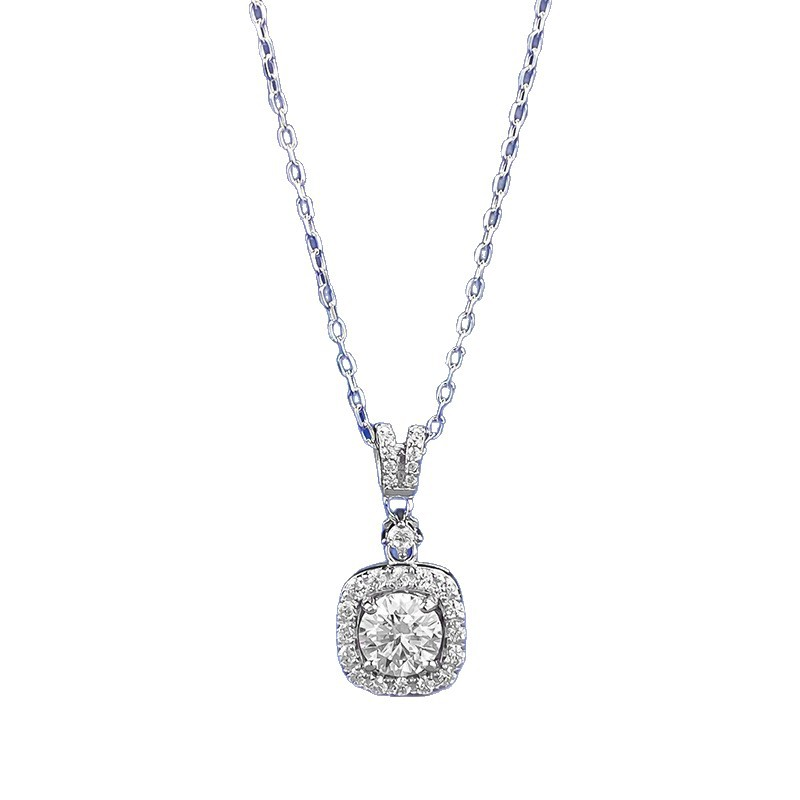
Jewelry Metal Allergies Inspection Checklist: Best Metal Options for Sensitive Skin
A good jewelry choice shouldn’t leave your skin red, itchy, or sore. That’s why a Jewelry Metal Allergies inspection checklist matters Before You Buy earrings, rings, chains, or watch backs. It helps you sort real material facts from vague label claims.
Most skin problems start with the parts people don’t notice at first: alloy metals, plating that wears off, rough finishes, and hidden nickel in clasps or posts. The American Academy of Dermatology says nickel allergy is one of the most common contact allergies, affecting about 18% of people in the U.S. If you shop for sensitive skin, that number is a good reason to slow down and inspect the details.
Start with the exact metal, the purity, the plating, and the parts that touch skin most often. A strong Jewelry Metal Allergies inspection checklist also asks one simple question: will this piece still be comfortable after weeks or months of wear?
What a jewelry metal allergies inspection checklist should cover
A Jewelry Metal Allergies inspection checklist works best when it focuses on the piece itself, not just the brand name. Two rings can both be called “gold,” but one may be 18K yellow gold while the other is a lower-karat mix with more reactive alloys. That difference can matter a lot.
Here’s the short version of what to inspect:
- Exact metal type
- Purity or grade
- Nickel content
- Plating or coating details
- Contact points like posts, backs, clasps, and settings
The National Library of Medicine has long noted that nickel is a major trigger for allergic contact dermatitis. In practice, that means earrings, rings, and bracelets can cause problems faster than larger pieces that barely touch the skin. Why guess when the product details can tell you more?
If you’re shopping for a ring, our ring sizing guide can help you get the fit right so the metal sits comfortably. For bridal pieces, you can also browse our engagement rings and compare the metal specs line by line.
Quick pre-purchase checklist for sensitive skin
Use this before you add anything to cart:
- Read the metal description line by line, including the clasp and earring post
- Look for specific markings such as 950 platinum, 18K gold, 14K gold, 925 silver, titanium, or niobium
- Avoid listings that only say “fashion metal,” “gold tone,” or “silver finish” without naming the base metal
- Ask whether solder, spring mechanisms, or decorative settings contain different alloys than the main body
- Confirm whether any coating is rhodium, gold vermeil, PVD, or another finish that can wear over time
This is especially important if you’ve reacted to costume jewelry before. A piece may look clean in photos but still contain hidden nickel in places you cannot see.
What causes jewelry metal allergies?
Metal allergies usually happen when your immune system reacts to metal ions that come into contact with the skin. The most common trigger is nickel, but cobalt and some copper alloys can also cause problems. Sweat, friction, heat, and water all make the reaction more likely because they help metal ions migrate to the skin’s surface.
That’s why a ring can seem fine in winter but become irritating in summer, or why earrings can itch more after a workout. The setting, finish, and fit matter as much as the metal itself.
Another common mistake is assuming tarnish alone causes irritation. Tarnish can make jewelry look dull, but the bigger issue is that worn surfaces may expose the underlying alloy. If the outer layer wears off, you may be touching the less skin-friendly base metal underneath.
Precious metals for sensitive skin
Precious metals are often the first stop on a jewelry metal allergies inspection checklist. They usually cost more, but they also tend to offer better purity and fewer mystery alloys.
Platinum
Platinum is one of the most reliable choices for sensitive wearers. Fine platinum jewelry is often marked 950, which means 95% platinum and 5% alloy metals. That high purity helps lower the chance of irritation.
Platinum also resists tarnish and holds up well with daily wear. Our customers often choose it for wedding bands because they want one ring they can wear every day without much fuss. It’s heavy, durable, and usually a safe bet if you can verify the grade.
Price-wise, platinum typically sits at the premium end of the market. A plain Platinum Wedding Band may start around the high hundreds and rise into the low thousands depending on width, weight, and finish. For engagement rings, the final price depends more on the diamond and setting than the metal alone, but platinum usually adds a meaningful premium compared with sterling silver or standard gold alloys.
Best for: engagement rings, wedding bands, and daily-wear pieces.
Yellow gold
Yellow gold can work well, especially at 18K or 22K. Higher karat gold has more pure gold and less alloy metal, so it often feels safer for sensitive skin.
The catch is simple: not every yellow gold piece is the same. A 10K ring may contain more reactive metals than an 18K piece, even if both look similar in photos. The jewelry metal allergies inspection checklist should always confirm karat, alloy mix, and whether the piece is solid or plated.
For everyday wear, 18K gold is often the sweet spot between purity and durability. 22K gold is even richer in pure gold, but it is softer and can scratch more easily, especially on rings. If you want a yellow-gold engagement ring, ask how the prongs and band will wear over time, since softer metals may show abrasion sooner on the shoulders and under-gallery.
Best for: fine jewelry, gifts, and heirloom pieces.
White gold
White gold looks clean and bright, but it needs closer inspection. Many white gold pieces rely on rhodium plating, and that plating can wear down over time. Once it thins, the base alloy may touch the skin.
That’s where problems can start. Some white gold alloys also include nickel, which is a common trigger. If you like the look, ask for full material details Before You Buy.
White gold can still be a practical choice if you choose a low-nickel or nickel-free alloy and budget for future rhodium replating. That upkeep can be needed every 1 to 3 years depending on wear. For buyers who want a bright white finish without frequent maintenance, platinum is often the more predictable option.
Best for: buyers who like the style and can confirm the alloy.
Sterling silver
Sterling silver is popular because it’s affordable and easy to find. Still, it’s not the safest pick for every sensitive wearer. Sterling silver is 92.5% silver and 7.5% other metals, usually copper, and that alloy can irritate some people.
Silver can tarnish too, which means more cleaning and more wear over time. If your skin is only mildly sensitive, silver may work for occasional wear. If your skin reacts quickly, keep it lower on the list.
Price is the major advantage here. Simple sterling silver earrings, chains, or rings often fall in the budget-friendly range, making them tempting first purchases. The tradeoff is that low price should never replace a materials check. A cheap silver-colored piece with no hallmarks is not the same as verified 925 sterling silver.
Best for: occasional wear and budget-friendly jewelry.
Alternative metals and lower-risk options
Alternative metals often perform better in a jewelry metal allergies inspection checklist because they reduce exposure to common irritants. They may not have the same luxury feel as gold or platinum, but they can be far easier to wear.
Titanium
Titanium is a favorite for a reason. It’s light, strong, and widely used in body-friendly applications. For earrings and piercing jewelry, it’s one of the easiest metals to wear all day.
It also resists corrosion, so it stays stable even with sweat and daily contact. If you want comfort first, titanium belongs near the top of your checklist. Many buyers also appreciate that titanium does not feel heavy on the ears, which makes a noticeable difference in large studs or dangling designs.
For sensitive ear piercings, look for implant-grade titanium rather than vague “titanium” labeling. Implant-grade pieces are usually the better choice for initial healing or for wearers who already know they react to common alloys.
Best for: earrings, cartilage jewelry, and first-piercing wear.
Niobium
Niobium doesn’t get as much attention, but it deserves more. It’s highly resistant to corrosion and usually tolerated well by sensitive skin. Some pieces can even be anodized for soft color without sacrificing comfort.
The downside is availability. You’ll find fewer niobium styles than gold or silver, but what’s available often wears very well. If you want colored metal without relying on plated surfaces, niobium is worth a closer look.
Best for: sensitive ears and low-reactivity jewelry.
Stainless steel
Stainless steel can be a mixed bag. Some grades work well for mild sensitivity, while others still contain nickel or other reactive metals. That’s why you need the grade, not just the label.
If a seller says “surgical steel,” ask for the exact composition. The phrase sounds reassuring, but it doesn’t tell you enough on its own. A jewelry metal allergies inspection checklist should always push for more detail.
316L stainless steel is commonly used in jewelry and can be a reasonable low-cost option for people with mild sensitivity, but it is not universal-safe. If your skin reacts to watches, belt buckles, or inexpensive earrings, test stainless steel cautiously and prefer pieces that limit direct contact or use it only in parts that do not sit tightly against skin.
Best for: budget pieces, watches, and mild sensitivity.
Nickel-free alloys and coated jewelry
Nickel-free jewelry can be a good option, but only if the claim is backed up. Some brands use low-allergen alloys, protective liners, or thicker plating to reduce skin contact with the base metal.
That said, coatings wear down. Sweat, friction, and cleaning can thin them out over time. If the piece depends on a barrier, ask how long that barrier is likely to last.
Gold vermeil, for example, is not the same as solid gold. It usually refers to a thick gold layer over sterling silver, which can be a smart compromise if you want the gold look and can maintain the finish. Still, if the plating is the only thing protecting your skin from the base alloy, factor in how often the item will be worn and cleaned.
Best for: shoppers who want more options at a lower price point.
Diamond and gemstone jewelry: what sensitive-skin shoppers should check
If your jewelry includes diamonds or gemstones, the stone itself is usually not the allergy problem. The metal setting, prongs, gallery, and backing are usually the real issue. That means your jewelry metal allergies inspection checklist should cover the stone mounting just as carefully as the ring band or necklace chain.
For diamond jewelry, ask for the basic specs: carat weight, cut, color, and clarity. If you’re comparing pieces at similar prices, those details help explain why one ring costs more than another. A well-cut 1.00-carat diamond with strong polish and symmetry may look brighter than a larger stone with weaker cut quality.
Also check for diamond certification. Independent grading reports from trusted labs help you verify what you’re buying. GIA grading is the best-known benchmark for natural diamonds, while AGS is also respected for cut quality. For lab-grown diamonds, look for transparent grading documentation and make sure the seller clearly states whether the stone is natural or lab-created.
Setting style matters too. Prong settings can expose more metal tips near the stone, while bezel settings wrap the stone in a continuous metal rim. Bezels can feel smoother against skin and clothing, but they may reduce the amount of light entering the stone compared with open prong styles. If you want maximum sparkle, prongs are popular; if you want a smoother profile for daily wear, bezels may be the more comfortable choice.
If you’re buying an engagement ring, balance sparkle, comfort, and maintenance. A delicate pavé setting may look beautiful, but it includes many small metal contact points and can be harder to clean. A solitaire or bezel-set design is often easier to manage for sensitive skin.
Setting and construction details that affect skin comfort
Metal choice is only part of the story. Construction details can change how a piece feels on the body. Even a good metal can become irritating if the finishing is rough or the design traps sweat and debris.
Here are the details worth checking:
- Polish quality: A smooth, high-polish finish is less likely to rub or snag skin than a rough or brushed edge with unfinished corners.
- Prongs and tips: Sharp prongs can scratch skin, especially on rings and earrings that twist during wear.
- Backings: Earring backs made from a different metal may trigger reactions even when the front post is safe.
- Clasps: Necklaces and bracelets often fail the allergy test at the clasp, not the chain.
- Rhodium or gold plating: Great for appearance, but only if the plating is thick enough and maintained over time.
For earrings, choose flat or rounded backs where possible, and avoid rough butterfly backs if you’re prone to irritation. For rings, comfort-fit interiors can make a noticeable difference because they reduce pressure points on the finger. For bracelets, a slightly looser fit can reduce friction and sweating under the clasp.
How to read product details before you buy
A lot of shoppers stop at the word “hypoallergenic.” Don’t. That word can help, but it doesn’t tell you what the piece is made of or how it’s finished.
Use this quick jewelry metal allergies inspection checklist before checkout:
- Ask for the exact metal and grade
- Confirm purity, such as 950 platinum or 18K gold
- Check for nickel content
- Look for plating details and how thick the plating is
- Make sure posts, backs, clasps, and settings match the safe material
The Gemological Institute of America, or GIA, regularly stresses that metal quality and composition matter more than broad labels. That advice lines up with real-life shopping, where the same style can behave very differently depending on the alloy underneath.
If a listing is vague, treat that as a warning sign. The seller should be able to tell you what touches your skin.
Common listing phrases to question
Some product language is too vague to rely on. Be cautious when you see:
- “Hypoallergenic” with no material breakdown
- “Gold tone” instead of actual karat gold or plated-spec details
- “Sterling style” instead of genuine 925 sterling silver
- “Surgical steel” without an alloy grade
- “Nickel-safe” without saying whether the item is nickel-free or just low nickel
If you cannot tell whether the skin-contact parts are safe, assume they are not fully verified.
Buying considerations beyond metal: size, fit, and daily wear
Even the best metal can become uncomfortable if the item is the wrong size or shape. Rings that are too tight trap moisture and increase friction. Earrings that are too heavy stretch earlobes and press harder on the post. Necklaces with short chains can rub the neck more than longer chains.
For rings, getting the correct size is especially important because a tight band can make irritation feel worse than it really is. If your fingers swell in heat or after exercise, consider sizing with that in mind rather than choosing the smallest comfortable fit on a cool morning. Our ring sizing guide can help you compare fit Options Before You order.
For earrings, weight matters more than many buyers expect. Large statement pieces may be beautiful but can tug on the skin and expose you to the backing or post for longer periods. If you have sensitive ears, lighter studs or petite drops often wear better than oversized hoops. For children or first-time wearers, start with small, smooth designs and dependable closures.
For bracelets and watch bands, adjustability matters. A bracelet that slides too much can rub the underside of the wrist; one that is too tight can trap sweat. Leather or fabric may feel better than metal in some cases, but the hardware still needs a skin-safe inspection.
Who should choose which metal?
The right choice depends on how sensitive you are and how often you plan to wear the piece.
Choose platinum if:
- You have strong skin sensitivity
- You want a daily-wear ring or band
- You prefer a luxury metal with low reactivity
- You want a metal that stays stable over time
Choose titanium or niobium if:
- Earrings usually bother your skin
- You want something light and easy to wear
- You need a safe option for piercing jewelry
- You care more about comfort than a precious-metal look
Choose 18K yellow gold if:
- You like classic fine jewelry
- Your sensitivity is mild or occasional
- You can verify the alloy details
- You want a gift that feels special
Choose white gold only if:
- You’ve confirmed the alloy is low risk
- You’re okay with rhodium upkeep
- You want the look and can manage maintenance
Choose sterling silver or stainless steel if:
- Your skin only reacts sometimes
- You’re buying for occasional wear
- You’ve checked the exact metal details
- You’re keeping the budget lower
For shoppers comparing bridal styles, our ring builder makes it easier to compare settings and metals in one place. If you’re buying a gift, you can also browse our jewelry collection and filter for styles that Fit Your Budget and comfort needs.
Shipping, returns, and warranty checks for allergy-sensitive shoppers
Return policy matters more when you’re buying for sensitive skin. If a piece causes irritation after a few wears, you need to know whether you can return it, exchange it, or request a different material. Before checking out, confirm the return window and whether worn jewelry is eligible for return. Some retailers allow returns only on unworn items, while others offer limited exchanges for size or metal upgrades.
Look for shipping details too. Secure packaging matters because a damaged clasp, bent earring post, or scratched plating can affect comfort and longevity. For fine jewelry, insured shipping and signature delivery are worth it, especially for higher-value engagement rings or platinum pieces. If the seller offers expedited shipping, ask whether it changes the handling process or only the delivery speed.
Warranty and repair support are also important. Rhodium plating, prong tightening, chain repairs, and clasp replacements can all affect how a piece feels on skin. A warranty that includes routine maintenance can save money, especially on white gold or pavé settings that require more upkeep. Ask whether resizing is included or charged separately, since ring size changes are common after a gift purchase.
Care tips that reduce irritation over time
Proper care helps jewelry stay smoother and cleaner against the skin. Sweat, lotion, soap residue, and grime can all make a piece feel rougher than it should.
- Wipe jewelry after wear, especially rings and earrings.
- Remove pieces before swimming, exercising, or showering if the metal is prone to wear.
- Store pieces separately to avoid scratches that create rough edges.
- Clean prongs, backs, clasps, and undersides where buildup tends to collect.
- Replate white gold or plated pieces when the finish starts thinning.
If you have a known allergy, keep a simple log of what you wore and when irritation appeared. That can help you spot patterns, such as reactions to certain clasps, ear backs, or lower-karat alloys.
What we recommend most often
If you want the safest all-around answer, platinum is the strongest choice for rings and other fine jewelry that sits close to skin. For earrings and body-adjacent pieces, titanium usually wins because it’s light, stable, and easy to wear for long stretches.
We’ve found that shoppers are happiest when they match the metal to the job. A wedding band needs different handling than a pair of everyday studs, so one “best” metal doesn’t fit every case.
Before You Buy, ask for:
- Exact metal name and grade
- Purity level
- Nickel disclosure
- Plating details
- Post, back, clasp, and setting material
That short list can save you from a lot of guesswork. It also turns a simple shopping decision into a smarter one.
FAQs about jewelry and metal allergies
How do I know if jewelry will irritate my skin before I buy it?
Start with the product materials, not the style photo. Check the metal type, purity, plating, and whether nickel is listed anywhere in the description. A good jewelry metal allergies inspection checklist should also cover posts, backs, clasps, and hidden solder points. If the seller won’t give clear answers, skip it.
What is the safest metal for earrings if I have sensitive ears?
Titanium and niobium are usually the easiest metals for sensitive ears because they’re light and low in reactivity. Platinum is also a strong choice if you want a fine-jewelry look. The safest pick depends on your reaction history and the exact finish, so don’t rely on the word “hypoallergenic” alone. A jewelry metal allergies inspection checklist is the better filter.
Is sterling silver okay for metal allergies?
It can be okay for mild sensitivity, but it isn’t the safest option for everyone. Sterling silver contains other metals, and those can trigger irritation in some wearers. Tarnish can also make the surface harder to keep clean and comfortable. If you react easily, move sterling silver lower on your list.
Does white gold cause more reactions than yellow gold?
Sometimes, yes. White gold may contain nickel, and its rhodium plating can wear off, which exposes the base alloy. Yellow gold often feels safer at higher karat levels because it has more pure gold and fewer alloy metals. Still, you should confirm the exact mix before buying either one.
What should I ask a seller before buying sensitive-skin jewelry?
Ask for the exact metal, the purity or grade, and whether the piece is nickel-free. You should also ask about plating thickness, wear life, and whether the clasp or post uses the same material. A solid jewelry metal allergies inspection checklist gives you a clean yes-or-no path before checkout. If the answers are vague, shop elsewhere.
Can I wear plated jewelry if I have sensitive skin?
Sometimes, but only if the plating is durable and the base metal is low risk. Plated jewelry can be a practical budget option, but wear at the edges, inside the band, or at the post may expose the base metal. If you choose plated jewelry, inspect how thick the coating is and how often the piece will touch sweat, water, or friction.
Should I size up or down if rings irritate my skin?
Neither is automatically better. A ring that is too tight can trap moisture and increase irritation, but a ring that is too loose can twist and rub. For sensitive skin, a correct fit is the goal. If your hands swell, ask about comfort-fit interiors or half-size adjustments rather than guessing at a larger size.
Shop safer, wear longer
A smart jewelry metal allergies inspection checklist helps you buy pieces that feel as good as they look. Start with the metal, verify the grade, and pay attention to every part that touches skin. If you want a polished starting point, browse our engagement rings, compare options in our jewelry collection, or build a custom piece with our ring builder.
Ready to Find Your Perfect Diamond?
Explore our collection of certified lab-grown diamonds
Shop Diamonds