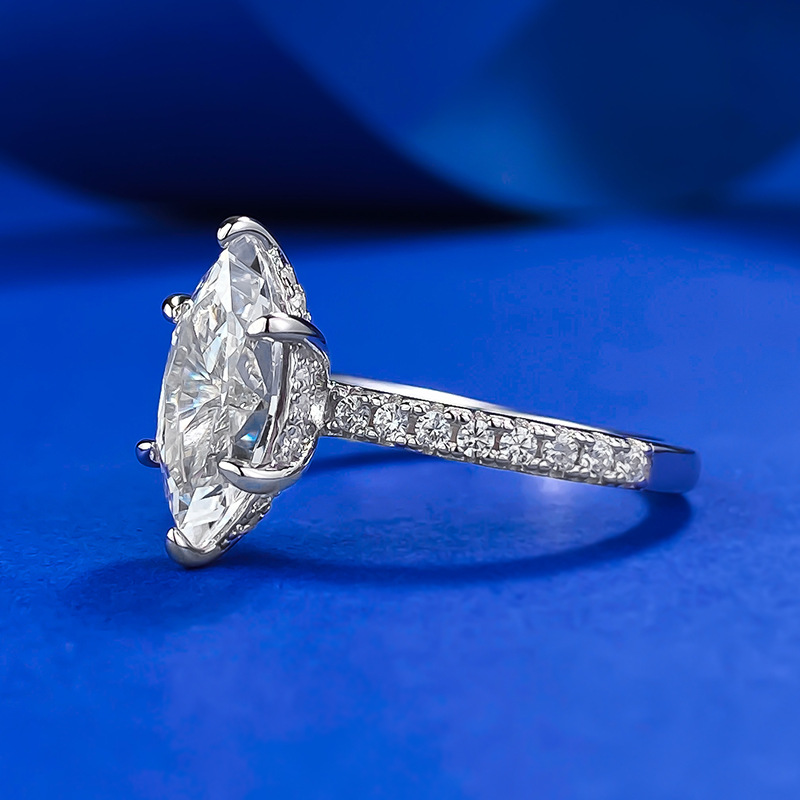
Jewelry Insurance Scheduled Item Receipt Checklist
Buying a ring, bracelet, necklace, or pair of diamond earrings should feel exciting. The paperwork should not steal the moment. A Jewelry Insurance Scheduled Item receipt checklist gives you one simple place to gather the records your insurer may ask for after you Buy Fine Jewelry.
That matters for engagement rings, wedding bands, Lab-Grown Diamond Jewelry, tennis bracelets, diamond studs, and milestone gifts. These pieces often carry both financial value and personal history. If something is lost, stolen, or damaged, clear records can make the claim less stressful.
A standard receipt proves you made a purchase. Scheduled jewelry coverage often needs more detail. Your insurer may ask for proof of ownership, product specifications, diamond grading details, photos, and sometimes an appraisal before listing the item on a homeowners, renters, or standalone jewelry policy.
at StoneBridge Jewelry, I have helped many couples and gift-givers think through the practical side of a meaningful purchase. Our customers often ask what to save for insurance before a proposal, anniversary trip, or first major fine jewelry purchase. The answer is simple: save more than the receipt, and save it right away.
What Is a Jewelry Insurance Scheduled Item Receipt Checklist?
A jewelry insurance scheduled item receipt checklist is a buyer's file for one specific piece of jewelry. It groups the documents that prove what you bought, what you paid, and what details define the item. The checklist is most useful for jewelry that may exceed the basic jewelry limits in a standard insurance policy.
Scheduled coverage means the insurer lists one item by name or description. That listing may include the insured value, deductible, replacement terms, and covered risks. To do that correctly, the insurer needs enough detail to identify the piece.
Think of the file as a paper trail for your future self. Would you remember the exact metal purity, diamond measurements, certification number, and ring size three years from now? Most people would not, which is why a jewelry insurance scheduled item receipt checklist is worth creating on day one.
Use it for engagement rings, diamond bands, lab-Grown Diamond Tennis bracelets, pendants, earrings, and custom designs. It can also help with resale records, service history, appraisals, repairs, and heirloom planning.
Why Scheduled Jewelry Coverage Needs Better Records
General personal property coverage may limit jewelry payouts, especially for theft. Some policies also exclude certain losses or cap coverage below the real replacement cost of a high-value piece. Scheduled item coverage can offer broader protection, depending on the policy.
Many scheduled jewelry policies may cover theft, accidental loss, damage, stone loss, or mysterious disappearance. The details vary by insurer, state, deductible, and policy language. Read the policy before you rely on it.
Insurers ask for better records because a vague receipt does not describe replacement quality. A receipt that says diamond ring is not the same as a receipt that says 14k yellow gold oval lab-grown Diamond Engagement Ring with a 2.00 carat center stone, F color, VS1 clarity, and a matching report number.
The Insurance Information Institute often explains that jewelry may need separate coverage because standard homeowners and renters policies can place dollar limits on valuables. Jewelry insurance premiums are commonly discussed around 1% to 2% of the insured value per year, though your quote depends on location, deductible, coverage type, and claims history.
The Gemological Institute of America, or GIA, uses the 4Cs: Cut, Color, Clarity, and carat weight. Those grades matter because two diamonds with the same carat weight can have very different values. A jewelry insurance scheduled item receipt checklist keeps those quality details tied to your purchase.
What Scheduled Jewelry Insurance May Cover
Coverage varies, but scheduled jewelry insurance may protect against theft, accidental loss, accidental damage, chipped stones, loose stones, or unexplained disappearance. Some policies pay for repair. Others replace through an approved jeweler or settle in cash.
Ask how the insurer defines comparable replacement. A platinum solitaire is not the same as a 14k white gold halo ring. A 5.00 carat total weight tennis bracelet is not the same as a 2.00 carat total weight bracelet, even if both are called diamond bracelets.
When to Start the Insurance Process
Start before the piece becomes part of daily wear. If you are Buying an Engagement Ring, contact your insurer once the order is placed or as soon as the ring arrives. Some buyers arrange coverage before a proposal, especially if travel is involved.
Do not wait until after a trip, a party, or weeks of daily wear. Fine jewelry is easy to misplace during life's busy moments (trust me, I have seen people realize this only after the ring has already gone on vacation). A jewelry insurance scheduled item receipt checklist helps you move quickly while the purchase details are still fresh.
Complete Receipt Checklist for Scheduled Jewelry Insurance
Use this jewelry insurance scheduled item receipt checklist after buying an engagement ring, wedding band, lab-grown diamond piece, tennis bracelet, pendant, diamond studs, or Fine Jewelry Gift. Keep digital copies and, for higher-value pieces, printed copies in a safe place.
- Itemized sales receipt with retailer name, website or address, purchase date, and order number.
- Purchaser name and contact details that match the insurance application.
- Product name, SKU, style number, or StoneBridge order reference.
- Jewelry type, setting style, metal type, and metal purity.
- Center stone details, including shape, carat weight, color, clarity, cut, and measurements.
- Side stone or accent stone count, total carat weight, shape, and quality range.
- Final purchase price, including taxes, discounts, promotions, shipping, and total paid.
- Payment confirmation, financing record, card receipt, gift card record, or split-payment proof.
- Diamond grading report or gemstone certificate, if available.
- Appraisal, if your insurer requires one or the piece is high value.
- Warranty, return policy, care plan, and service information.
- Photos from the top, side, underside, clasp, hallmark, engraving, and packaging.
- Saved product page, order confirmation, and StoneBridge Jewelry specifications.
- Secure backup in cloud storage or a password-protected folder.
For diamonds, save the report number. GIA and IGI reports commonly include carat weight, color, clarity, measurements, polish, symmetry, fluorescence, and lab-grown origin when applicable. Lab-Grown Diamond Reports should clearly state that the Diamond Is Laboratory-grown.
Receipt Details to Check Before You File It
Your receipt should identify the exact item. A generic label such as ring, bracelet, or necklace may not give an underwriter enough detail. Look for the StoneBridge Jewelry order number, product name, SKU, or style reference.
Check the numbers too. Save records that show purchase price, taxes, discounts, store credit, financing, shipping, and final transaction amount. If the buyer and insured person are different, ask the insurer how to document ownership. That comes up more often than people expect with proposals and family gifts.
Diamond, Gemstone, and Metal Details to Save
Diamond records sit at the center of most insurance files. Save the center stone report when one is available. For lab-grown diamonds, the file should state lab-grown origin and include shape, carat weight, color, clarity, cut grade when given, measurements, and certification number.
Side stones deserve attention as well. A halo ring, three-stone ring, diamond band, or tennis bracelet may include dozens of smaller stones. Record the total carat weight, number of stones, stone shape, setting style, and quality range where listed.
For gemstone jewelry, save species, variety, dimensions, treatment disclosures, and origin details if provided. For metal, note whether the piece is 14k gold, 18k gold, platinum, or another alloy. These details guide replacement quality.
Photos, Appraisals, and Backup Files
Take photos before the piece is worn heavily. Use good light and capture the top, profile, underside, prongs, clasp, hallmark, engraving, and packaging. For rings, include a side view that shows the setting height and prong style.
An appraisal can help if the insurer requests one, if the piece exceeds a policy threshold, or if the design is custom. An appraisal should not replace the receipt. Use both, because the receipt proves purchase and the appraisal describes replacement value.
Create a digital folder with clear file names. Examples include oval-lab-grown-ring-receipt.pdf, tennis-bracelet-appraisal.pdf, and diamond-stud-photos.zip. Small habits like this can save hours during a claim. Honestly, I think this is one of the least glamorous but most loving things you can do for a piece that may become part of your everyday life.
How the Checklist Helps You Buy With Confidence
A jewelry insurance scheduled item receipt checklist is not only for after checkout. It can shape how you shop. When you know what insurers may ask for, you pay closer attention to diamond reports, metal type, setting construction, ring size, and product specifications.
Lab-Grown Diamond Jewelry deserves the same recordkeeping care as mined diamond jewelry. Replacement value depends on quality, craftsmanship, metal, design, stone details, and current market availability. A 1.50 carat E color VS1 lab-grown diamond is not interchangeable with a lower color or clarity stone.
Engagement rings need extra care because they are worn often. They go to work, restaurants, airports, gyms, family events, and vacations. If the ring goes missing, you do not want to search old emails for the report number while filing a claim.
Before You Buy, compare styles and save product details from StoneBridge engagement rings. If you are choosing a center stone, review the specifications in our lab-grown diamond collection. Clear details now can support insurance later.
Engagement Ring Buyers
Engagement rings are often the first fine jewelry item people insure. They combine high value with daily wear, which raises the chance of loss or damage. They also carry a story, and that can make a claim feel personal.
I have helped couples choose rings for quiet kitchen proposals, big destination moments, and everything between. No matter the plan, the same advice holds: keep the romance front and center, but get the documents saved before the ring starts its real life on someone's hand.
For an engagement ring, include the center stone report, metal type, ring size, setting style, side stone details, prong style, engraving, and appraisal if required. If the ring is custom or semi-custom, save the design notes and final approval record.
Lab-Grown Diamond Buyers
Lab-grown diamonds offer strong value and clear quality grading, but the documents must be precise. Your receipt and insurance file should state that the Diamond Is Lab-grown. They should also include the grades that define the stone.
For example, a certified 2.00 carat lab-grown Emerald Cut Diamond with F color and VS2 clarity should be replaced with a comparable lab-grown diamond, not a vague diamond category. The report number, dimensions, and shape help protect that accuracy. You can also explore custom ring options if you want a design with clear, buildable specifications.
Pricing, Appraisal Value, and Insured Value
Jewelry paperwork may show several numbers. Purchase price is what you paid at checkout. Appraised value is a professional opinion for a stated purpose, often retail replacement. Replacement value is the estimated cost to replace the item with comparable quality. Insured value is the amount the insurer agrees to schedule.
Those numbers do not always match. A sale price can be lower than replacement value. An appraisal can be higher than the receipt. A policy may also use its own jeweler network or pricing method.
Ask these questions before approving scheduled jewelry coverage:
- Does the policy cover theft, accidental loss, damage, and mysterious disappearance?
- Is there a deductible, and how much does it lower the premium?
- Will the insurer repair, replace through a jeweler, or pay cash?
- Are chipped stones, loose stones, and broken clasps covered?
- Are there exclusions for travel, checked bags, gyms, or unattended luggage?
- How often should the insured value or appraisal be updated?
A jewelry insurance scheduled item receipt checklist gives the insurer the facts. It does not replace a policy review. Read the terms and ask for plain answers before you schedule the item.
Why Specifications Matter During Replacement
Specifications are the blueprint. Platinum is not 14k gold. An oval diamond is not a round brilliant. A hidden halo is not a plain solitaire. A certified diamond is not the same as an uncertified stone.
The more accurate your file, the easier it is to confirm like-kind quality. A strong description might read: 14k white gold solitaire, ring size 6.5, 1.00 carat lab-grown round diamond, F color, VS1 clarity, excellent cut, GIA or IGI Report Number included. That gives everyone a clear target.
Here is what nobody tells you: the little details that feel forgettable during checkout can become the exact details that matter during replacement. Save them while they are easy to find (yes, even on a budget).
Keep Your Insurance File Updated
A jewelry insurance scheduled item receipt checklist should grow with the piece. Resizing, repairs, upgrades, resets, rhodium plating, clasp work, and prong tightening all belong in the file. These records tell the item's real ownership story.
If you resize a ring, save the service receipt and note the new size. If you reset a diamond or upgrade the center stone, contact your insurer. Changes that affect value, structure, or appearance may require an updated schedule.
Jewelers often recommend routine inspections for prongs, clasps, links, and settings. For pieces worn daily, inspections can help catch loose stones or worn metal before a loss happens. Save those service notes with your other records.
If your lab-grown diamond has a laser inscription, ask your jeweler or appraiser to note it. A matching inscription and report number can strengthen identification. Photograph it if it can be captured under magnification.
Using StoneBridge Jewelry Records for Insurance
StoneBridge Jewelry order records can form the base of your jewelry insurance scheduled item receipt checklist. Start with your itemized receipt, order confirmation, product details, diamond specifications, available grading reports, product images, and warranty or care information.
Save the product page at the time of purchase. Product pages may include metal type, stone details, design notes, pricing, images, and style information that your receipt may not show in full. If an insurer asks for more detail, these records can help.
If you need order details after purchase, contact our jewelry experts. Include your order number, item name, purchase date, and the insurer's request. A specific request helps the team point you toward the right documents.
You can also browse fine jewelry with insurance-ready details before your next purchase. Look for clear product information, stone specifications, and documentation that will be easy to save.
StoneBridge Documents to Gather
After your order, place these records in one folder:
- Order confirmation and itemized receipt.
- Product specifications and style details.
- Diamond or gemstone details.
- Saved product page and product images.
- Grading report, when available.
- Warranty, return, service, and care information.
- Payment confirmation and shipping record.
Keeping these pieces together makes the insurance process faster. If your agent asks for a receipt for scheduled jewelry insurance, you will not need to rebuild the file from scratch.
Before You Shop: Your Insurance-Ready Plan
Before checkout, ask your insurer what they need to schedule valuable jewelry. Some accept a detailed recent receipt. Others want an appraisal above a set value, such as $5,000 or $10,000. Requirements vary, so ask early.
Your final file should include the itemized receipt, appraisal if needed, grading report, gemstone records, photos, product specifications, payment proof, warranty details, service records, and secure backups. The receipt should identify the exact piece, not just the category.
Confirm coverage before regular wear, travel, or a proposal when possible. If the insurer needs more detail, gather it while the order information is easy to find. A jewelry insurance scheduled item receipt checklist protects the purchase, supports the policy, and gives you more confidence from the first day you own the piece.
FAQ
What should be on a receipt for scheduled jewelry insurance?
A receipt for scheduled jewelry insurance should list the retailer, purchase date, buyer name, order number, item description, metal type, stone details, style number or SKU, and total purchase price. It should identify the exact piece, not just say ring or bracelet. For higher-value jewelry, your insurer may also ask for photos, a Diamond Grading Report, and an appraisal. Save payment proof and the product page with the receipt.
Do I need an appraisal if I already have a jewelry receipt?
You may not need an appraisal for a recent purchase if the receipt is detailed enough. Some insurers require one above certain value limits, especially for engagement rings, custom pieces, or jewelry with multiple gemstones. Ask Before You schedule the item so you do not pay for paperwork you do not need. If an appraisal is required, keep it with your jewelry insurance scheduled item receipt checklist.
Can I insure a lab-grown diamond engagement ring as a scheduled item?
Yes, most insurers can schedule a Lab-grown Diamond Engagement ring. Your documents should clearly state that the diamond is lab-grown and include the carat weight, shape, color, clarity, cut grade when available, measurements, and report number. This helps the insurer quote the right value and replace with like-kind quality. Keep the receipt, photos, report, and appraisal together.
How soon should I insure a new engagement ring after buying it?
Start the insurance process as soon as the ring is purchased or delivered. If you are traveling for a proposal, ask about coverage before the trip. Submit the receipt, photos, diamond report, and any appraisal your insurer requests. Do not assume the ring is fully covered under a standard homeowners or renters policy without checking the jewelry limits.
What if my jewelry receipt does not include enough details for insurance?
If the receipt is too general, ask the retailer for product specifications, a saved product page, diamond or gemstone details, and any available grading report. Your insurer may also accept clear photos or a professional appraisal to fill in missing information. Do this before a claim, not after a loss. A complete jewelry insurance scheduled item receipt checklist can prevent delays and reduce confusion.
Ready to Find Your Perfect Diamond?
Explore our collection of certified lab-grown diamonds
Shop Diamonds