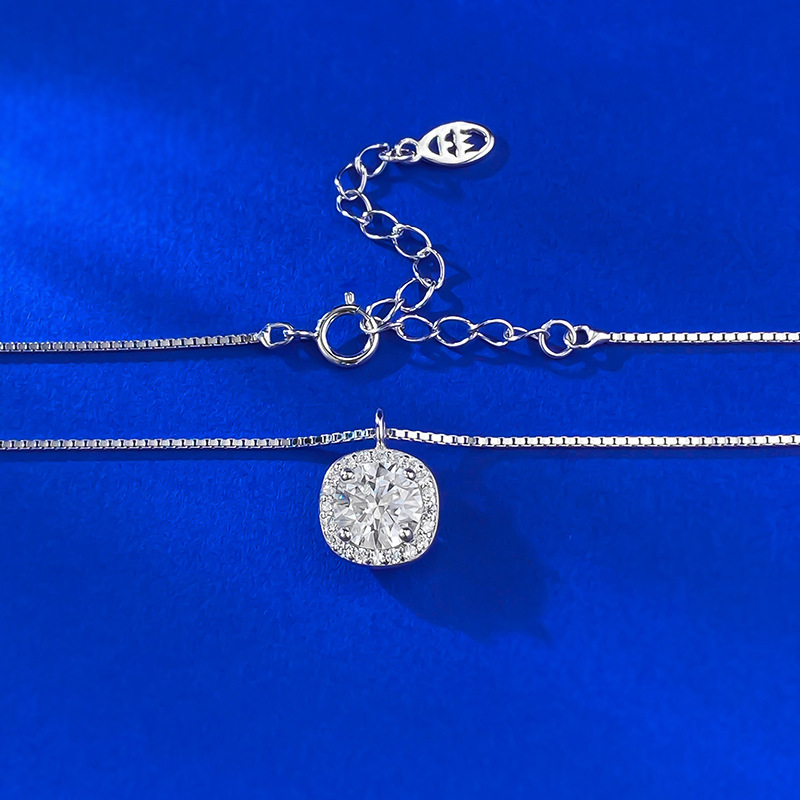
Jewelry Cleaning for White Gold Settings: Safe Home Care vs. Professional Service
White gold looks bright and crisp when it’s cared for well. The finish can change fast if you use the wrong products. Jewelry Cleaning for White Gold settings calls for a gentle hand because many pieces are rhodium plated, prongs can thin with wear, and stones collect lotion, soap film, and everyday grime.
The choice usually comes down to two paths: careful home cleaning or a jeweler’s professional service. Which one fits your piece? That depends on the stone type, the setting style, the age of the ring, and how often you wear it. A new engagement ring with sturdy prongs has different needs than a vintage white gold pendant or a pavé anniversary band.
Jewelry Cleaning for White Gold Settings: What Matters Most
White gold isn’t the same as platinum, and it doesn’t clean quite the same way as yellow gold. Most White Gold Jewelry uses an alloy of metals such as nickel, palladium, or silver, then gets a rhodium finish for a brighter white look. That finish wears over time, especially on ring shanks and other high-touch spots. The underlying alloy may also influence the color, hardness, and maintenance profile of the piece. Nickel white gold is often brighter and more economical, while palladium white gold can be a better choice for people with nickel sensitivity, though it may cost more.
Jewelry cleaning for white gold settings isn’t only about removing dirt. It’s also about keeping the setting secure and the finish even. A cleaning method that works for a plain band may be too rough for a pavé engagement ring or an older heirloom. The same is true for high-set halos, cathedral shoulders, and vintage basket settings, which can trap residue in places you can’t easily see.
Here’s the basic split:
- At-home care: mild dish soap, warm water, a soft brush, and a lint-free cloth.
- Professional care: inspection, cleaning, polishing, and rhodium replating if needed.
This article focuses on white gold rings, earrings, pendants, and diamond settings. The goal is simple: keep the piece bright without causing damage. If you’re also comparing pieces to buy, look closely at the metal type, the setting profile, and the center stone Report Before You decide. Those details affect not just appearance, but also how often you’ll need cleaning and maintenance.
The GIA has long recommended gentle cleaning for fine jewelry and routine inspection for worn pieces. That advice matters here because white gold has both beauty and structural parts to protect. A ring can look fine from across the room while still having a loose accent stone or a prong that needs tightening.
For buyers, it also helps to know what you’re paying for. A simple 14K white gold solitaire with a 1 ct center diamond may start around a lower mid-range price point depending on the diamond’s cut, color, and clarity, while a 18K white gold pavé ring with a larger center stone can move much higher. The more intricate the setting, the more important regular cleaning and inspection become.
At-Home Jewelry Cleaning for White Gold Settings
For many pieces, home care is the best first step. It’s cheap, quick, and safe when you keep it mild. Use a bowl of warm water, a few drops of dish soap, a soft toothbrush, and a lint-free cloth.
Follow this routine for jewelry cleaning for white gold settings at home:
- Mix warm water with a small amount of mild dish soap.
- Soak the piece for 15 to 20 minutes.
- Brush gently around prongs, under the stone, and along the band.
- Rinse with clean lukewarm water.
- Pat dry with a soft cloth and let it air-dry fully.
This method removes skin oils, hand lotion, dust, and light buildup from daily wear. A diamond ring often looks brighter right away because grime tends to hide under the center stone. It also helps restore sparkle to side stones, which are often the first to appear cloudy.
Still, home cleaning has limits. It won’t restore rhodium plating, and it won’t fix loose stones or bent prongs. If the finish has gone warm or yellow, cleaning alone won’t bring back that bright white tone. That color shift usually means the plating is thin and needs professional attention.
Skip harsh products. Bleach, chlorine, ammonia-heavy cleaners, and abrasive powders can damage white gold. Rough paper towels can scratch the surface, and stiff brushes can catch on delicate prongs. Hand sanitizer buildup, pool water, and household cleaners can also wear down the finish faster than many shoppers expect.
Ultrasonic cleaners need caution. Some white gold pieces handle them well, but not all. If your jewelry has a fracture-filled diamond, an emerald, a pearl, glued parts, or a fragile setting, ultrasonic vibration may make things worse. It can also expose stones that were already loosely seated.
At-home care works best as maintenance between professional checkups. It’s a smart choice after normal wear or when the piece looks cloudy from buildup rather than worn metal. If you’re evaluating a new purchase, ask whether the setting is open enough for easy cleaning. A lower-profile prong setting or a bezel can be easier to maintain than a heavily detailed vintage-inspired design, though each has its own tradeoffs.
Best At-Home Habits for White Gold Care
White gold responds best to light, regular care instead of harsh cleaning done once in a while. A few habits help a lot.
- Use warm, not hot, water.
- Soak for 15 to 20 minutes.
- Brush with soft bristles only.
- Rinse well so soap film doesn’t dull the surface.
- Dry with a microfiber cloth.
- Store each piece separately so it doesn’t rub against harder jewelry.
We’ve found that customers who wipe rings after wear need fewer deep cleanings later. That small habit can make a big difference, especially for daily-wear pieces. It also reduces the paste-like buildup that happens when lotions, sunscreen, and soap mix together on the underside of a ring.
If you wear your ring while working out, gardening, cooking, or cleaning, plan on more frequent light maintenance. Sweat, soil, and kitchen grease can all settle into settings. Take the ring off for abrasive tasks when possible. Even a diamond, which is durable, can still lose brilliance when the metal and setting become coated with residue.
For shoppers who want a lower-maintenance ring from the start, consider a setting with fewer tiny stones, smoother edges, and stronger prongs. A classic solitaire or a bezel-set diamond is generally easier to keep clean than a full pavé band, though a bezel can slightly change the light return and the look of the stone. This is the kind of tradeoff worth thinking through before purchase.
Pros of At-Home Cleaning
- Low cost
- Fast and easy
- Good for routine care
- Helps remove daily buildup
- Keeps the piece bright between service visits
Cons of At-Home Cleaning
- Won’t restore rhodium plating
- Won’t fix loose stones or bent prongs
- Can miss dirt in pavé settings
- Can be risky with the wrong cleaner
- Not ideal for fragile or high-value pieces without inspection
If the piece only looks dirty, home care is usually enough. If it looks dull, yellow, or uneven, you’re likely past the point where soap and water can do the whole job.
Professional Jewelry Cleaning for White Gold Settings
Professional cleaning gives white gold jewelry a deeper reset. A jeweler can inspect the setting, spot wear, and choose a cleaning method that matches the stones and structure. Depending on the piece, service may include ultrasonic cleaning, steam cleaning, polishing, and rhodium replating.
That matters because a clean ring isn’t always a safe ring. A jeweler can spot a lifted prong or tiny stone movement before it turns into a repair bill. This is especially important for rings with center stones in the 1.00 to 2.00 carat range, where the stone may be valuable enough that an unnoticed security issue becomes expensive quickly.
Professional Jewelry Cleaning for white gold settings is often the better choice for:
- Diamond engagement rings worn every day
- Heirloom pieces with older prong work
- Pavé and micro-pavé settings
- Jewelry with visible dullness or yellowing
- Pieces with a repair history or possible loose stones
A good jeweler won’t treat every piece the same. Diamonds and sturdy white gold settings can often handle ultrasonic or steam cleaning. Softer or treated gems may need a gentler path. Emeralds, opals, pearls, turquoise, and some fracture-filled stones usually need extra care. If you are buying a ring with mixed stones, ask whether the setting is practical to maintain at home or whether you’ll rely on professional service more often.
Before You Book service, ask a few direct questions:
- Is my center stone safe for ultrasonic or steam cleaning?
- Will you inspect the prongs before you clean it?
- Can you tell if rhodium replating is needed?
- Are the accent stones secure enough for machine cleaning?
- What turnaround time should I expect?
For daily-wear diamond rings, a professional visit does more than improve shine. It also protects the mounting that holds the stone. That’s a smart move when the piece carries both value and meaning. It’s also worth asking whether the jeweler provides an after-service evaluation of stone security, especially if you intend to insure the piece.
If you’re shopping for a diamond ring, cleaning needs should be part of the buying decision. A well-cut diamond may look stunning in a four-prong solitaire, but if you prefer a style with a hidden halo, pavé shank, or gallery detailing, expect more professional maintenance over time. A ring with a GIA or AGS-certified center diamond offers easier comparison on the stone itself, while a reputable jeweler can explain how the mounting will affect care.
What Professional Service Usually Includes
A full service appointment often goes beyond a quick dip. Depending on the jeweler and the condition of the piece, expect some combination of the following:
- Magnified inspection of prongs and stones
- Ultrasonic or steam cleaning where appropriate
- Hand polishing to reduce surface grime
- Rhodium replating if the white finish looks thin
- Minor tightening or repair recommendations
Some jewelers offer same-day cleaning, while others take several days if replating is needed. If your piece is insured or has a large center diamond, ask whether the store will document the condition before and after service.
Best Practices for Professional White Gold Care
Choosing the right jeweler matters as much as choosing the service. Look for someone who understands white gold alloys and rhodium finish.
- Choose a reputable jeweler with fine-jewelry experience.
- Ask for a pre-cleaning inspection.
- Confirm that the cleaning method fits your stone type.
- Ask whether rhodium replating is part of the service.
- Request repair details before any work begins.
If you’re shopping for a new ring and want a style that’s easier to maintain, browse engagement rings with cleaner setting lines. If you want to compare styles across the store, explore our jewelry collection.
When comparing white gold options, don’t focus on color alone. Consider whether the piece is 14K or 18K. Fourteen-karat white gold is usually a bit harder and can be a practical choice for daily wear. Eighteen-karat white gold has a richer gold content and can feel more luxurious, but it may be slightly softer and sometimes needs more frequent attention depending on the design. If a buyer wants maximum durability and minimal re-plating concerns, platinum may be worth comparing, though it usually comes at a higher price.
Pros of Professional Cleaning
- Deeper shine restoration
- Expert inspection for wear and loose stones
- Safer for complex settings
- Can refresh rhodium plating
- Better for heirlooms and high-value pieces
Cons of Professional Cleaning
- Costs more than home care
- May need an appointment or drop-off
- Quality varies by jeweler
- Some pieces need repair or replating first
- Not every gemstone is machine-safe
Common industry guidance suggests an inspection every 6 to 12 months for frequently worn rings. That schedule helps catch wear early, and it’s especially useful for settings that hold diamonds or small accent stones. If you wear a ring all day, every day, ask about a regular maintenance plan rather than waiting until the finish looks visibly dull.
For shoppers comparing price ranges, professional service can also affect long-term value. A white gold ring that costs less upfront may need periodic replating, while a platinum ring may cost more at the start but develop a different patina over time. Neither is automatically better; the right choice depends on budget, look preference, and how hands-on you want to be with maintenance.
At-Home vs. Professional White Gold Cleaning: Side-by-Side
For jewelry cleaning for white gold settings, the right choice depends on the piece’s condition, design, and wear pattern. This quick comparison makes the tradeoff easier to see.
| Criteria | At-Home Cleaning | Professional Cleaning |
|---|---|---|
| Effectiveness | Good for surface dirt and daily buildup | Better for deep grime and dull finish |
| Cost | Very low | Moderate to higher |
| Convenience | Immediate | Requires an appointment or drop-off |
| Risk level | Low if done gently | Lower for complex pieces when handled well |
| Shine restoration | Improves brightness | Best for full refresh |
| Rhodium wear | Does not restore plating | Can refresh plating if needed |
| Stone security check | None | Yes, if the jeweler inspects properly |
| Best for | Routine maintenance | High-value, intricate, or worn pieces |
Which Jewelry Type Fits Which Method?
| Jewelry Type | Best Option | Why |
|---|---|---|
| Plain white gold band | At-home cleaning | Simple surface care and low risk |
| Diamond engagement ring | Professional cleaning plus home care | Daily wear and stone security matter |
| Pavé setting | Professional cleaning | Small stones and tiny prongs need care |
| Heirloom piece | Professional cleaning | Older settings need inspection first |
| White gold pendant | At-home cleaning | Usually lower wear than rings |
| White gold earrings | Either, depending on stones | Many are safe at home, but valuable pairs benefit from inspection |
Our customers often tell us their ring looks “new again” after a professional service, but the biggest win is usually the inspection. A stone caught early is easier to protect than one repaired later.
A few factors should guide your choice:
- How often you wear it: daily wear creates more buildup and stress.
- Your budget: home care saves money, while service protects value.
- Rhodium plating: it wears down and eventually needs a refresh.
- Setting style: more stones and prongs mean more points to watch.
- Stone type: diamonds are durable, but softer stones need caution.
If you’re shopping and want to compare options by care level, use our ring builder to explore different setting styles. A simpler setting can be easier to clean and maintain over time.
Buying White Gold Jewelry With Maintenance in Mind
If you’re in the market for a new piece, the easiest ring to clean is often the one designed with cleaning in mind. Ask how many prongs hold the center stone, whether the underside is open enough for brushing, and if the side stones are channel-set, pavé-set, or bezel-set. Those design choices affect both sparkle and maintenance. For example, a cathedral solitaire may offer a graceful profile, while a flush or bezel setting may be easier to keep clean day to day.
Diamond buyers should also think beyond carat weight. Cut is often the most important factor for sparkle, and a well-cut stone can appear more brilliant even in a simpler setting. Color and clarity still matter, but a slightly lower color grade can look excellent in white gold when the stone is well cut. If your budget is fixed, it may be smarter to prioritize cut quality and a sturdy setting over chasing a larger size with more maintenance needs.
For certification, many shoppers look for GIA or AGS documentation because it gives a clear record of the diamond’s qualities. That matters if you later compare replacement stones, add insurance, or service the setting. A reputable jeweler should be able to explain the certificate and the ring’s maintenance expectations Before You Buy.
Budget also plays a role in care. A modest 14K white gold ring with a 0.75 ct center stone may have very different ongoing costs than a custom 18K halo with matching side stones and a highly polished finish. Ask whether rhodium replating is included in lifetime care, whether inspections are complimentary, and whether resizing affects the warranty. Some jewelers offer one or two free cleanings and inspections a year, while others charge for service after the sale.
Resizing is another detail buyers often overlook. White gold rings can usually be resized within a certain range, but extensive resizing may affect the finish or the symmetry of the setting. If you expect future changes in ring size, ask about sizing limits before purchase. That’s especially important for rings with a continuous pavé band or intricate pattern work, where resizing can interrupt the design.
Shipping and returns matter too, especially if you’re ordering online. Look for insured shipping, signature-required delivery, secure packaging, and a clear return window. A common standard is a 30-day return policy, though some custom or sized items may be final sale. Before you place the order, confirm whether the ring can be returned after resizing or engraving, since those changes may make the piece non-returnable.
If you’re buying a gift, ask whether the jeweler can send the ring in a neutral size and resize it later. That can reduce stress around fit, but it may also delay wear if the ring needs in-person adjustment. For surprise proposals, it’s often safer to choose a setting that can be resized cleanly and won’t lose structure if adjusted a quarter or half size.
How to Decide Which Care Method You Need
Use home care for routine upkeep. Choose professional service for protection, restoration, and peace of mind.
Choose at-home care if:
- The jewelry only has light everyday buildup.
- You’re comfortable using mild soap and soft tools.
- The piece is a plain band or simple pendant.
- You want a quick clean between jeweler visits.
Choose professional service if:
- The piece is high-value or sentimental.
- The setting is pavé, vintage, or intricate.
- You suspect loose stones or thin prongs.
- The rhodium finish looks patchy or yellow.
- The jewelry is worn daily and needs a checkup.
Here’s a quick test: does it just look dirty, or does it look worn? If it’s only dirty, start at home. If the finish looks thin, the answer is probably a jeweler.
A low-cost clean can be perfect for maintenance. One loose prong on a diamond ring can cost far more than a service visit. That’s why many people choose a mix of both methods. For buyers, this is also a reason to favor quality craftsmanship. Well-made prongs, good symmetry, and a sturdy gallery can reduce the odds of problems later.
Common mistakes to avoid include soaking jewelry with pearls or treated stones in soap for too long, using a hard brush on the rhodium finish, and assuming all white gold should look bright white forever. Another mistake is storing rings loose in a bathroom dish where they can knock into other metals and scratch. A fabric-lined box or individual pouch is better for long-term storage.
Best Long-Term Care for White Gold Settings
The smartest plan is a mix of gentle home care and scheduled professional service. That approach helps preserve the finish, cut down on buildup, and give a jeweler a chance to catch wear early.
A practical care rhythm looks like this:
- After daily wear: wipe with a soft cloth.
- Every 1 to 2 weeks: clean at home with mild soap and warm water.
- Every 6 to 12 months: get a professional inspection and cleaning for frequently worn pieces.
- As needed: replate rhodium when the finish looks thin or uneven.
This hybrid method works especially well for engagement rings and other pieces you wear often. It keeps the jewelry looking bright while protecting stone security and setting strength.
How often should you clean? If you wear the piece daily, a light wipe after wear and a gentle home clean every week or two usually makes sense. Professional care once or twice a year adds the extra check that home cleaning can’t provide. If your white gold jewelry sees hard use, such as frequent handwashing, sports, or warehouse work, plan on more frequent inspections because prong wear and surface scratches can appear sooner.
When rhodium plating starts to thin, you may notice the color shifting slightly warmer at the edges, under the stone, or on the underside of the ring. That doesn’t necessarily mean the ring is damaged, but it does mean the finish is fading. Replating can restore the appearance, though it’s best done after a jeweler checks the metal and stone security.
For pieces with sentimental value, consider keeping a record of each service visit. Save receipts, note replating dates, and take a quick photo after maintenance. This helps you track wear over time and gives you a useful record for insurance or resale documentation.
FAQ: Jewelry Cleaning for White Gold Settings
Can I use toothpaste to clean white gold?
No. Toothpaste is abrasive and can scratch white gold and delicate stones.
Is ultrasonic cleaning safe for white gold?
Sometimes. It depends on the stone, the setting, and whether any repairs or treatments are present.
Why does white gold turn yellow?
The rhodium finish wears down over time, revealing the natural color of the white gold alloy underneath.
How do I know if a ring needs professional service?
Look for dullness, yellowing, loose stones, thin prongs, or buildup that home cleaning doesn’t remove.
How often should white gold jewelry be replated?
It varies by wear, but many pieces need replating every few years. Rings worn daily may need it sooner.
Should I clean white gold before taking it in for appraisal or photos?
Yes, if you can do so safely. A gentle cleaning can improve appearance, but avoid any method that risks the stones or setting.
Can white gold be resized after cleaning or replating?
Yes, but it’s often better to complete structural repairs first and finish with polishing or replating so the surface looks even.
Shop Care Essentials for White Gold Jewelry
Good care starts with gentle habits. Pair that with the right tools and expert help when a piece needs more than soap and water.
Shop the basics that help protect white gold:
- Gentle jewelry cleaning solution
- Soft brushes for delicate settings
- Lint-free polishing cloths
- Professional inspection and repair services
If your jewelry includes diamonds or intricate settings, expert care plus regular home maintenance is usually the safest path. If you’re not sure whether your piece needs cleaning, replating, or repair, contact our jewelry experts.
Jewelry cleaning for white gold settings works best when the method matches the piece. Start gently, check often, and call in a jeweler when the setting needs a closer look.
Ready to Find Your Perfect Diamond?
Explore our collection of certified lab-grown diamonds
Shop Diamonds