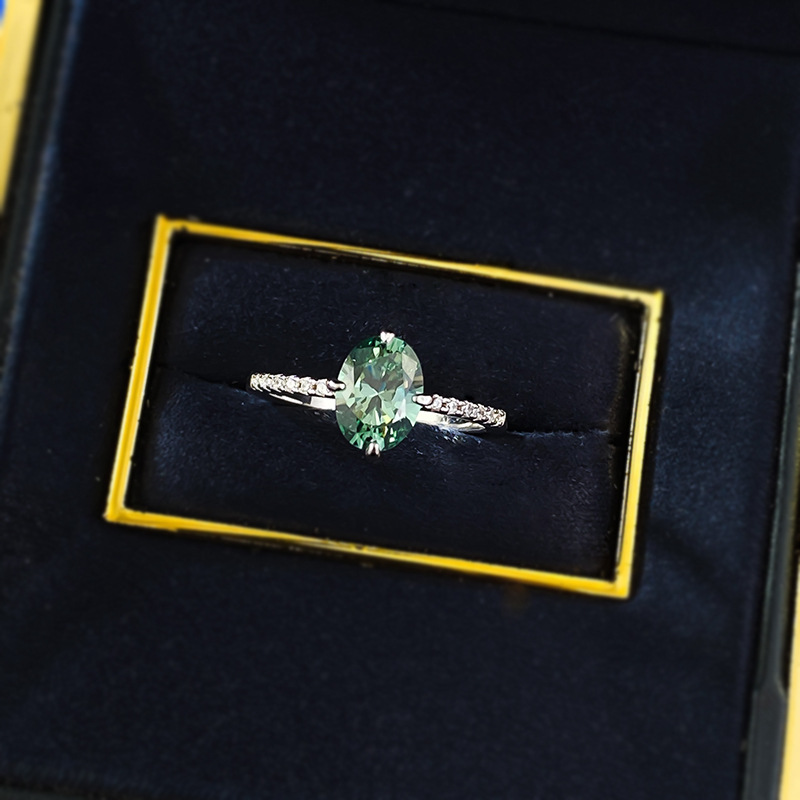
Jewelry Cleaning Before Wedding Day: Professional or DIY?
Jewelry cleaning before wedding day affects more than shine. It changes how your ring looks in photos, how it feels during a long ceremony, and whether a loose prong gets noticed in time. If you want the ring to look its best without risking damage, the timing and cleaning method matter.
For many couples, the choice comes down to two paths: a professional cleaning or a careful at-home refresh. The right option depends on the metal, the stone, the setting, and how close the wedding is. A simple diamond band can often handle gentle home care. An heirloom ring, a pavé setting, or anything with visible wear deserves a jeweler's hands first.
A 1.0-carat diamond ring can range from the low thousands to well into five figures, depending on cut, color, clarity, and setting. That price range is one reason jewelry cleaning before wedding day should protect the piece, not just brighten it. A clean ring is nice. A clean, secure ring is better.
Jewelry Cleaning Before Wedding Day: What Matters Most
Jewelry cleaning before wedding day is a two-part job. The ring needs to look bright, and the setting needs to hold through the ceremony, photos, dancing, and travel after the event.
The best decision usually comes down to five things:
- Safety for the stone and metal
- Turnaround time
- Cost
- Final shine in photos and indoor light
- Ability to spot damage early
Dust, lotion, soap film, and skin oils can make even a good diamond look flat. GIA notes that buildup can block light return, which is why a dirty stone often looks dull before it actually looks damaged. That matters more than many people expect on the wedding day itself.
If the ring is new and sturdy, a gentle home clean may be enough. If it has sentimental value, a complex setting, or any sign of wear, start with an inspection. Cleaning is cosmetic. Inspection is protection.
It also helps to think about how the ring was bought. A newly purchased engagement ring from a reputable jeweler should come with clear details about the center stone, metal, setting, warranty, return window, and care recommendations. For a diamond, ask whether the stone has a GIA, AGS, IGI, or GCAL report, and keep that report separate from the ring during travel. The report will not tell you how to clean the ring, but it documents the diamond's carat weight, measurements, color, clarity, cut grade when applicable, polish, symmetry, and fluorescence. Those details can matter if the ring ever needs insurance work, repair, or replacement.
For most wedding jewelry, the highest-risk areas are not the broad metal surfaces. They are the small contact points: prong tips, pavé beads, channel walls, basket wires, hidden halos, and the inside of the shank where dirt and moisture collect. A bright diamond with a weak setting is still a problem. Before choosing DIY care, look for snagging on fabric, a stone that clicks when lightly tapped near your ear, a bent prong, a gap under a channel-set stone, or a ring that suddenly feels sharper than usual. Any of those signs should move the ring into the professional category.
Professional Jewelry Cleaning Before Wedding Day
Professional Jewelry Cleaning before wedding day usually includes inspection, deep cleaning, polishing, and a check of the setting. A jeweler can see worn prongs, thin metal, loose accent stones, and other issues that are easy to miss at home.
A standard service may include:
- Magnified inspection
- Gentle degreasing and rinse cycles
- Steam cleaning for durable diamond and metal pieces
- Ultrasonic cleaning when the setting and stone allow it
- Light polishing
- Prong tightening or small repairs if needed
The biggest advantage is simple: a jeweler can tell the difference between grime and damage. A ring may look fine in the mirror and still have a weak prong. That is not a risk worth carrying into the wedding week.
Professional cleaning also tends to give the sharpest finish. When the table, crown, and pavilion are free of residue, a diamond throws back more light. That makes a real difference in flash photos, window light, and reception lighting.
There are tradeoffs. Many jewelers include cleaning with purchase, but a service visit can still run about $25 to $75 or more if repairs are needed. Some shops can help the same day. Others need a few days if the ring needs tightening, polishing, or stone work.
GIA warns that ultrasonic cleaning is not safe for every gemstone or every setting. Pearls, opals, emeralds, turquoise, treated stones, and glued parts often need gentler care. A modern ring with hidden wear can also react badly to the wrong cleaning method.
When a Jeweler Is the Better Choice
Choose professional jewelry cleaning before wedding day if the ring has high value, family history, pavé details, or visible wear. It is the safer route for antique pieces and for rings that have been resized or repaired.
It is also the better call if the wedding is close and there is no room for surprises. A jeweler can catch a loose stone before it becomes a lost-stone problem. We've seen customers bring in rings that looked spotless but had worn prongs hiding under the head.
If the piece matters most, inspection should come first. Then cleaning. Then any repair before the ceremony.
Professional care is especially important for settings with many small diamonds. Pavé, micro-pavé, shared-prong, and scalloped bands create beautiful surface sparkle, but they rely on tiny metal beads and narrow prongs. A soft toothbrush will not usually damage a sound setting, but aggressive brushing or repeated ultrasonic use can expose weaknesses that already exist. If your band has dozens of stones, a pre-wedding inspection is worth the appointment.
The same is true for rings with thin shanks or delicate cathedral shoulders. Many modern engagement rings are designed to look airy and refined, but very slim bands can wear faster, especially in 14k or 18k gold. Platinum generally holds stones well because it tends to displace rather than wear away in the same manner as gold, but platinum can still bend, scratch, or develop loose prongs. White gold may also need rhodium plating if it has warmed in color over time. Rhodium service can make a white gold ring look crisp again, but it should be scheduled early enough to allow for inspection and any needed polishing.
What To Ask During a Professional Cleaning
A good pre-wedding cleaning appointment should not feel mysterious. Ask the jeweler what methods they plan to use and whether the ring is safe for steam or ultrasonic cleaning. If the center stone is a natural or lab-grown diamond in a secure modern setting, deep cleaning is often straightforward. If the ring includes emerald, pearl, opal, tanzanite, morganite, turquoise, or any fracture-filled or treated stone, the jeweler should choose a gentler process.
Bring any paperwork you have, especially diamond grading reports, appraisals, warranties, and prior repair receipts. A GIA or IGI report can confirm the diamond's identifying measurements and inscriptions, while an appraisal can help the jeweler understand the replacement value. If the ring is insured, ask whether repairs need pre-approval before work begins. For high-value pieces, get a written intake receipt listing the ring, metal type, stone details, and any visible condition notes before leaving it for service.
Ask about timing too. A simple inspection and clean may take 15 to 30 minutes if the jeweler can do it while you wait. Prong tightening, rhodium plating, resizing, soldering a wedding band, or replacing a missing accent stone can take several days to several weeks, depending on the shop and parts needed. That is why two to four weeks before the wedding is the safer window. The night before the ceremony is a terrible time to discover a cracked melee diamond or a shank that needs rebuilding.
At-Home Jewelry Cleaning Before Wedding Day
A safe at-home approach to jewelry cleaning before wedding day should be gentle and specific to the piece. A mild soap solution, warm water, a soft brush, and a microfiber cloth are usually enough for many diamond and gold rings.
A basic kit should include:
- A non-abrasive cleaner made for jewelry
- A soft-bristled brush
- A lint-free cloth
- A small bowl for soaking
- Clear drying instructions
The big benefit is convenience. You can clean the ring a few days before the ceremony and give it a quick wipe on the morning of the wedding. That works well for busy schedules, travel days, and last-minute touch-ups.
It also keeps costs low. If the ring has already been inspected and passed, home care is a smart way to keep it bright. A little soap film can dull a diamond quickly, and a light clean often brings the sparkle back fast.
The risk is that home care cannot tell you whether the setting is weak. Scrubbing too hard can loosen small stones. Harsh products can dull metals or damage porous stones. A cleaner can make a ring look better while missing a problem underneath.
Avoid these mistakes:
- Bleach, acetone, toothpaste, or abrasive powders
- Hot water on pearls, opals, or glued parts
- Hard scrubbing with a stiff brush
- Cleaning a ring that already feels loose
- Using an ultrasonic cleaner without checking stone compatibility
For a diamond engagement ring in gold or platinum, the safest home method is usually simple. Mix a few drops of mild dish soap into a bowl of warm water, let the ring sit briefly, brush lightly behind the diamond and under the setting, rinse in a separate bowl of clean water, and dry with a lint-free cloth. Do not rinse over an open drain. Do not use paper towels for final polishing, especially on high-polish gold, because they can leave fine surface marks.
Skip internet shortcuts. Toothpaste is abrasive. Baking soda can scratch softer metals and finishes. Vinegar and ammonia-based mixtures can be too harsh for some stones and settings. Chlorine bleach can weaken gold alloys over time, which matters if the ring is exposed repeatedly in pools or cleaning products. Hand sanitizer will not usually destroy a diamond, but repeated exposure can leave film, dry out pearls, and contribute to finish wear on some metals.
Best Use Cases for DIY Care
Jewelry cleaning before wedding day works well at home when the ring is sturdy, simple, and already inspected. Solitaire diamond rings, plain gold bands, and many platinum settings can usually handle gentle maintenance.
It also makes sense for a final wipe one or two days before the event. In that case, home care is just maintenance, not diagnosis. The piece already passed a professional check, so you are only refreshing the surface.
Do not treat every item the same way. Pearls, opals, emeralds, antique settings, and pieces with unknown repairs should go to a jeweler first. If the ring has any history of movement, start with an inspection.
Jewelry Cleaning Before Wedding Day: Side-by-Side Comparison
Jewelry cleaning before wedding day is easier to judge when you compare the options directly.
| Decision Factor | Professional Cleaning | At-Home Cleaning |
|---|---|---|
| Safety | Highest. A jeweler inspects the setting before cleaning. | Good for sturdy pieces, but depends on the method and the user. |
| Shine | Excellent. Steam, polishing, and deep cleaning can restore strong sparkle. | Good for light buildup, but usually less complete. |
| Cost | Higher. Some shops include cleaning; others charge about $25 to $75 or more. | Low. Soap, water, and a soft cloth cost very little. |
| Speed | Slower. Appointments and repairs may take time. | Fast. You can clean the piece in minutes. |
| Damage Check | Strong. Loose prongs and worn channels are easier to catch. | Weak. You can improve appearance without spotting hidden wear. |
| Best For | Heirlooms, pavé rings, antique pieces, and high-value diamonds. | Routine upkeep and final touch-ups after inspection. |
The tradeoff is clear. Professional service protects the ring. Home care improves the look. The right choice depends on how much risk you want to carry into the wedding week.
If the ring is part of a larger bridal stack, check the fit and shape too. You can browse engagement rings and diamond details to better understand the setting style before choosing a cleaning method.
Diamond, Metal, and Setting Details That Change the Cleaning Plan
The right cleaning choice often follows the ring's construction. A six-prong platinum solitaire with a round brilliant diamond is usually forgiving. A low-profile halo with pavé down three sides of a thin 18k white gold shank needs more caution. Both can be beautiful wedding-day rings, but they should not be handled the same way.
Diamond quality also affects what you see after cleaning. Cut is the biggest driver of sparkle in a round brilliant diamond, so an Excellent or Ideal cut stone with strong light performance will usually look dramatically brighter once oils are removed. Color and clarity matter too, but cleaning does not change them. A G-H color, VS2-SI1 clarity diamond with a strong cut can look lively and crisp after a proper clean. A poorly cut diamond may look cleaner but still lack brightness because the light performance is built into the proportions.
For buyers still choosing a ring before the wedding, insist on clear diamond documentation and practical setting information. Natural diamonds over about 0.50 carat are commonly sold with grading reports, and lab-grown diamonds should also come with reputable certification. Review the exact carat weight, color, clarity, cut grade, fluorescence, measurements, and any inscription. A 1.00-carat round diamond may measure around 6.4 to 6.5 mm when well cut, while a deeper stone may face up smaller. That affects visual size in photos and may influence the setting height.
Metal choice matters for both appearance and maintenance. Platinum is dense, naturally white, and popular for secure Engagement Ring Settings, but it scratches into a soft patina and can cost more upfront. 14k gold is durable and often more affordable than 18k gold, making it a practical choice for daily wear. 18k gold has a richer gold content and color, but it can be softer in delicate designs. White gold usually has rhodium plating, which may need periodic refreshing. Yellow and rose gold do not require rhodium, but they still need inspection and polishing care.
Setting style creates tradeoffs. A bezel protects the diamond edge well and is excellent for active hands, though it can hide some side view and may slightly change the look of the stone. Prong settings show more diamond and allow more light access, but prongs need maintenance. Halos add size and sparkle for the budget, yet they introduce more tiny stones to inspect. Channel-set bands are smooth and practical, but worn channels can be expensive to repair. A hidden halo looks refined from the side, though it can trap lotion and makeup under the center stone.
Timing Matters More Than Most People Think
Jewelry cleaning before wedding day should follow a schedule, not a panic clean the night before. Give yourself room to inspect, fix, and then refresh.
- Two to four weeks out: Book a professional inspection and cleaning. This gives the jeweler time to tighten prongs, polish the metal, or repair wear if needed. If the ring feels loose, review ring sizing options before the wedding.
- One week out: Try the ring on again and check the fit during normal wear. If anything snags, rubs, or spins, go back to the jeweler.
- One to two days out: Use only a gentle microfiber wipe or a safe soap clean if the ring is suitable.
- Morning of the wedding: Remove fingerprints and stop there. No new cleaner. No new method.
That schedule gives you room to fix a problem instead of discovering it while you are getting dressed.
Fit deserves its own check because wedding week can change how a ring feels. Heat, travel, alcohol, salty meals, stress, and early-morning timelines can all affect finger size. A ring that is slightly snug in the evening may fit perfectly in the morning, or the reverse. If the ring spins constantly, the stone can knock against surfaces and catch on clothing. If it is too tight, removing it for hair, makeup, or skincare becomes stressful.
Resizing is not always instant. Plain gold bands are often straightforward, while eternity bands, engraved rings, tension settings, and rings with stones around the shank can be more complicated. Some rings need sizing beads or a sizing bar instead of a full resize. If you are pairing an engagement ring with a wedding band, test them together before the wedding. A straight band may rub against prongs or a low basket, while a contoured band may need exact alignment.
What Kind of Jewelry Needs Extra Care?
Not every ring or necklace should be cleaned the same way. Jewelry cleaning before wedding day should be more cautious for pieces with softer stones, mixed materials, or older repairs.
Use extra care with:
- Pearls
- Opals
- Emeralds
- Antique settings
- Glue-mounted parts
- Rings with thin prongs or worn channels
A simple diamond solitaire is usually easier to manage than a vintage family ring. If you are unsure, stop at a light wipe and let a jeweler inspect it. That small step can prevent a much bigger problem later.
Necklaces, bracelets, earrings, and family pieces should also be checked before the wedding. Earring backs can loosen, tennis bracelets can have weak safety clasps, and necklace chains can thin near the clasp from years of wear. If you plan to wear a Diamond Tennis Bracelet or diamond studs, ask the jeweler to check each setting and clasp. A bracelet with dozens of small diamonds may look fine until one shared prong has worn flat.
Pearls need especially gentle handling. They should be the last thing you put on after perfume, hairspray, and makeup, and the first thing you remove after the event. Wipe them with a soft, slightly damp cloth and let them dry before storing. Do not soak pearls, steam them, or use ultrasonic cleaning. The same caution applies to many porous or softer gemstones.
Buying or Upgrading Before the Wedding
Some couples use the wedding timeline to buy wedding bands, upgrade a center stone, reset an heirloom diamond, or replace a temporary setting. In that case, cleaning should be part of a bigger buying conversation. Ask how the ring will be serviced after purchase, whether cleanings are included, what repairs are covered, and what voids the warranty.
Price ranges vary widely. A simple 14k gold wedding band may start in the low hundreds, while a platinum band, diamond eternity band, or custom contoured band can move into the thousands. Engagement ring settings alone may range from under $1,000 for a simple solitaire mounting to several thousand dollars for pavé, halo, three-stone, hand-engraved, or custom designs. The center diamond is usually the largest cost driver. A well-cut 1.0-carat diamond may be priced very differently depending on whether it is natural or lab-grown, and depending on color, clarity, certification, and market conditions.
Do not buy on carat weight alone. A 0.90-carat diamond with excellent cut can face up beautifully and cost less than a 1.00-carat stone at a popular weight mark. For many buyers, near-colorless grades such as G, H, or I and eye-clean clarity grades such as VS2 or SI1 can offer strong value, provided the diamond is well cut and inspected in person or with detailed imagery. For lab-grown diamonds, look carefully at growth characteristics, tint, strain, and cut precision instead of assuming all stones with the same certificate grades look identical.
Shipping and returns matter if the wedding is close. Confirm whether the ring ships fully insured, whether a signature is required, how long resizing takes, and whether custom work is returnable. Many stock rings have return windows, but engraved, resized, custom, or special-order pieces may be final sale. If the ring must travel for the wedding, carry it personally rather than packing it in checked luggage. Keep receipts, appraisals, and certificates separate from the jewelry itself.
Common Pre-Wedding Jewelry Mistakes
The most common mistake is waiting too long. Couples often plan flowers, tailoring, seating, and photography in careful detail, then remember the ring a day or two before the ceremony. If the only issue is fingerprints, that is fine. If the ring needs a prong rebuild, rhodium plating, soldering, or resizing, the timing becomes tight.
Another mistake is cleaning everything the same way. A diamond ring, pearl earrings, emerald necklace, and gold bracelet may all be bridal jewelry, but they need different care. A cleaner that is harmless for a diamond solitaire can be wrong for a pearl strand or an antique brooch. When in doubt, sort jewelry by material before cleaning and ask a jeweler about the delicate pieces.
Do not wear the ring through every pre-wedding task. Remove it for heavy cleaning, gym sessions, swimming, self-tanner, gardening, and hands-on setup work. Sunscreen, makeup, lotion, and hair products can coat diamonds quickly. Chlorine can be harsh on gold alloys. A ring dish or travel case is a small detail, but it prevents the classic mistake of wrapping jewelry in a tissue and accidentally throwing it away.
Finally, do not ignore insurance. If the engagement ring or wedding jewelry is valuable, make sure the policy is current before the wedding and honeymoon. A recent appraisal, clear photos, and the diamond grading report can help. Insurance will not prevent damage, but it can make a lost-stone or lost-ring situation less financially painful.
Expert Recommendation
The best plan for jewelry cleaning before wedding day is professional inspection first, then gentle home care only if needed. That sequence gives you the best mix of safety and shine.
A practical timeline looks like this:
- Two to four weeks before the wedding: Schedule inspection and cleaning.
- One week before the wedding: Check fit and watch for any snagging or movement.
- One or two days before the wedding: Use a safe microfiber wipe or mild clean if the piece allows it.
- Wedding morning: Wipe away fingerprints and avoid heavy handling.
Industry guidance points in the same direction. GIA consistently stresses that gemstone type, treatment status, and setting integrity should guide the cleaning method. Follow that standard instead of guessing.
Jewelry cleaning before wedding day should do two things well: make the piece look great and make sure it is safe to wear. If you want both, inspection comes first.
FAQ: Jewelry Cleaning Before Wedding Day
What is the safest way to clean jewelry before the wedding day?
The safest option is a professional cleaning with a setting inspection, especially for valuable or delicate pieces. If the jewelry is sturdy and already in good shape, a gentle at-home clean can work as a final refresh. Jewelry cleaning before wedding day should always start with the stone type and setting style. If you are unsure, let a jeweler check it first.
How far before the wedding should I clean my engagement ring?
Plan a professional cleaning about 1 to 3 weeks before the wedding so there is time for repairs if needed. That window gives the jeweler room to catch loose prongs, worn metal, or a stone that needs attention. A light final wipe can happen closer to the ceremony if the ring is safe for home care. Jewelry cleaning before wedding day works best when inspection happens early.
Is ultrasonic cleaning safe for all wedding jewelry?
No, it is not safe for every piece. Ultrasonic cleaning can damage some gemstones, antique settings, glued parts, or jewelry with hidden wear. GIA advises checking compatibility before using that method. Jewelry cleaning before wedding day should never rely on an ultrasonic machine without confirming the stone and setting first.
Can I clean my wedding ring at home the night before the ceremony?
Yes, but only if the ring is suitable for gentle cleaning and you already know the right method. A microfiber cloth and mild soap are usually enough for many diamond and gold pieces. If the ring feels loose or has a fragile setting, stop with a light wipe. Jewelry cleaning before wedding day is not the time to test a new product.
Should I get my jewelry inspected before the wedding day?
Yes. Inspection is the main reason to choose a professional service. A jeweler can spot loose prongs, worn channels, or damage that could lead to a lost stone during the wedding or honeymoon. Jewelry cleaning before wedding day is much safer when the inspection comes first. That matters most for engagement rings, heirlooms, and pavé bands.
Should I clean my wedding band and engagement ring together?
You can clean them together only if both pieces are made from compatible materials and both are secure. A plain gold or platinum band and a diamond engagement ring may be fine with the same mild soap method. If one piece has pearls, emeralds, antique details, engraving with darkened finish, or glued components, separate them and use the gentler method. Also check how the rings sit together. If the wedding band rubs against prongs or pavé, ask a jeweler whether soldering, spacing, or a contoured band would protect the set.
Will professional cleaning make my diamond look bigger?
Cleaning will not change the diamond's measurements or carat weight, but it can make the stone look brighter and more defined. Removing oil from the pavilion and crown helps the diamond return light more effectively, especially in photos. If you are shopping before the wedding and want a larger look, consider cut quality, shape, spread, halo settings, thin bands, and well-proportioned designs rather than relying on cleaning alone.
Ready To Prep Your Ring?
If your ring needs a safe, wedding-ready refresh, start with a professional inspection and cleaning. Then use gentle home care only for final touch-ups. You can contact our jewelry experts for help with your specific stone, setting, and timeline.
If you are still choosing the ring, explore engagement rings, diamond education, and custom ring options to find a piece that Fits Your Style and your care routine.
The better choice is the one that protects the ring first. The shine will follow.
Ready to Find Your Perfect Diamond?
Explore our collection of certified lab-grown diamonds
Shop Diamonds