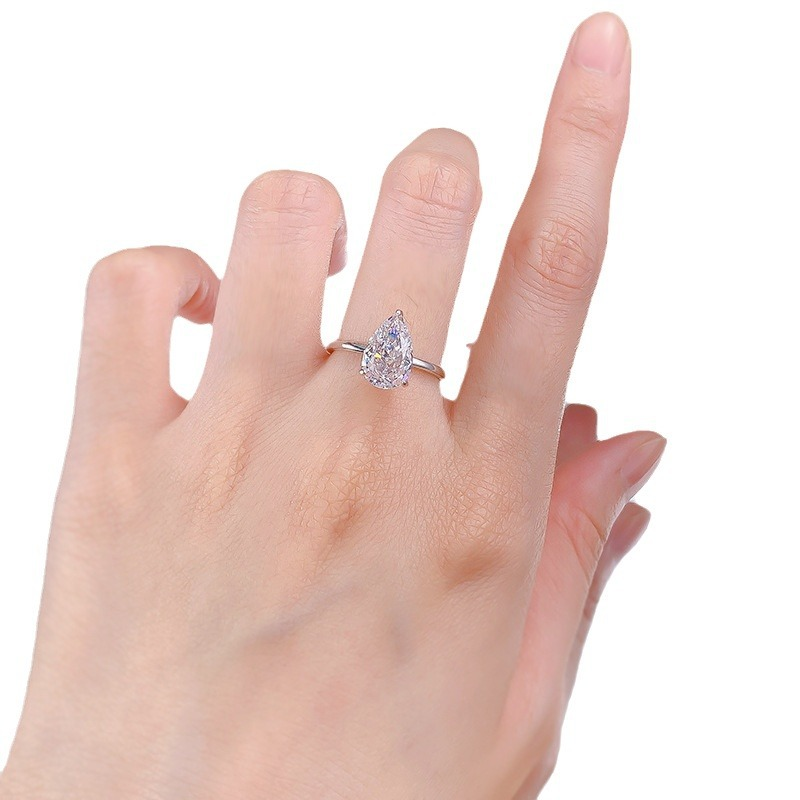
Jewelry Appraisal Before Insurance: Protect Fine Jewelry
Getting a Jewelry Appraisal Before insurance gives you a clear value for coverage. It also helps you avoid underinsuring a ring, necklace, or heirloom that would be expensive to replace. If you just bought an engagement ring, upgraded a setting, or inherited a piece you plan to keep, this should be one of your first steps.
A strong appraisal does more than list a number. It records the metal, measurements, stone details, and condition, so your insurer can build coverage around the actual piece. That matters whether you own a natural diamond, a lab-grown diamond, or a custom design.
Jewelry Appraisal Before Insurance: What It Is and Why It Matters
A jewelry appraisal before insurance is a professional valuation used to estimate replacement value for coverage. It tells an insurer what it would likely cost to replace the item with a similar piece of comparable quality, materials, and workmanship.
That’s not the same as a sales receipt. A receipt shows what you paid. An appraisal often reflects retail replacement value, which can be higher or lower than the purchase price depending on market conditions, sourcing, and design complexity.
It also differs from a basic insurance valuation. Some insurers accept purchase documents for lower-value items, but fine jewelry usually needs a detailed appraisal. The report should list metal type, gemstone details, measurements, and condition. That gives the policy a better chance of matching the piece if you ever file a claim.
For buyers, the benefit is simple. You protect the purchase before loss, theft, or damage happens. That matters for engagement rings, wedding bands, bracelets, earrings, and family pieces.
A jewelry appraisal before insurance is especially useful if:
- You’ve bought an engagement ring or wedding band
- You’re insuring a high-value necklace, bracelet, or earring pair
- You own heirloom jewelry with no recent paperwork
- You purchased a lab-grown diamond piece and need clear documentation
- You had a custom design made and want accurate replacement coverage
Our customers often feel more at ease after they’ve documented a new ring. Waiting until something goes wrong can leave gaps in coverage. A current appraisal gives you a solid starting point for insurance.
Why a jewelry appraisal before insurance helps buyers
Insurance claims are only as strong as the paperwork behind them. If a ring is stolen or damaged, the insurer will want proof of what the item was, what it contained, and what it would cost to replace. Without that, claims can get delayed or underpaid.
GIA and IGI both stress clear diamond grading documentation, and that same level of detail helps with insurance records too. A well-written appraisal supports better coverage and fewer questions later.
According to industry reporting from The Knot, the average engagement ring spend in the U.S. has often landed in the $5,000 to $7,000 range in recent years. A single insurance claim can involve a full replacement, not just a refund of what was paid. That’s a big gap if the paperwork is weak.
What a Jewelry Appraisal Includes
A jewelry appraisal before insurance should be detailed enough for an insurer or claims adjuster to identify the piece with confidence. The document usually includes a written description, measurements, valuation language, and supporting references.
A standard appraisal often lists:
- Jewelry type and style, such as solitaire ring, halo pendant, tennis bracelet, or stud earrings
- Metal type and purity, such as 14K white gold, 18K yellow gold, platinum, or sterling silver
- Gemstone details, including diamond shape, approximate size, and setting style
- Diamond characteristics where applicable, such as cut, color, clarity, and carat weight
- Total carat weight for multi-stone pieces
- Measurements in millimeters for gemstones and mounting dimensions
- Weight of the item if relevant
- Condition notes, including wear, damage, repairs, or alterations
- Identifying marks, hallmarks, engravings, or serial numbers
- Photographs of the piece, including close-ups of the center stone and engraving
- Replacement value or insurance value with valuation date
A jewelry appraisal before insurance is strongest when it uses standard diamond grading language. For example, a center stone may be described with GIA-style cut, color, clarity, and carat terms. That gives insurers a familiar point of reference.
For lab-grown diamond jewelry, the report should clearly state that the stone is lab-grown and include grading details if available. Lab-grown pieces can be valued differently from mined diamond jewelry, so clarity matters.
Photos add another layer of protection. A clear image of the setting, prongs, hallmark, and stone layout can help identify the item if it’s lost or damaged. The same goes for unique design details like hidden halos, knife-edge bands, or pavé rows.
Here’s a quick comparison of documents buyers often mix up:
| Document | What It Shows | Best Use |
|---|---|---|
| Sales receipt | Purchase price and date | Proof of purchase |
| Diamond grading report | Gemstone quality details | Verification of stone characteristics |
| Jewelry appraisal before insurance | Replacement value and full item description | Insurance coverage and claims |
| Product page/spec sheet | Retail specs and design details | Shopping reference and documentation |
A qualified appraiser may also reference market pricing sources, current retail replacement costs, or trade databases. That helps support the stated value and makes the report more credible for insurance review.
When to Get a Jewelry Appraisal Before Insurance
Timing matters. The best time for a jewelry appraisal before insurance is soon after purchase, while receipts, certificates, and design details are still easy to find.
In most cases, get the appraisal:
- Right after buying a fine jewelry piece
- Before adding the item to a homeowners, renters, or specialty jewelry policy
- After major repairs, resizing, or setting changes
- After an upgrade, such as replacing a center stone or changing metal type
- When inheriting jewelry that has no recent valuation paperwork
A jewelry appraisal before insurance is especially helpful for engagement ring buyers. Rings often carry the highest emotional and financial value in a jewelry box, and they’re worn daily. That raises the risk of loss or damage.
The same logic applies to inherited pieces. Family jewelry can hold deep meaning, but insurers still need a current valuation to set replacement coverage. Antique and vintage pieces can be hard to price without a careful inspection.
For lab-grown diamond jewelry, timing matters too because retail pricing can shift as the market changes. A newer appraisal helps set the correct replacement value at the time you insure it.
Many policies rely on updated documentation to avoid underinsurance when prices move. If the piece changes, the paperwork should change too.
How the Appraisal Process Works
The jewelry appraisal before insurance process is usually simple, but the result depends on the appraiser’s method and independence.
Step 1: Submission or appointment
You bring the piece in person or ship it securely, depending on the appraiser’s process. Before the appointment, gather your receipt, certificate, and any prior reports.
Step 2: Inspection
The appraiser examines the jewelry with magnification and, when needed, gemological tools. They check settings, hallmarks, stone mounting, measurements, and visible wear.
Step 3: Documentation
The appraiser records materials, dimensions, gemstone details, condition, and identifying features. Photos may be taken during this stage.
Step 4: Valuation
Using market references and professional judgment, the appraiser assigns a replacement value for insurance purposes. This is where a jewelry appraisal before insurance becomes especially helpful, because the value is based on current replacement conditions, not just what you paid.
Step 5: Delivery
You receive the finished report in print, digital format, or both. Save it with your receipts and any grading paperwork.
Bring these items if you have them:
- Sales receipt
- Diamond grading report or gemstone certificate
- Prior appraisal
- Product page printout or saved order confirmation
- Repair records
- Photos of the item before or after a modification
Turnaround time depends on the piece, the number of items, and whether the appraiser needs to research custom details. A simple solitaire ring may move faster than a vintage brooch with several stones and repairs.
Independent appraisers and retailer documents aren’t always the same. A retailer may provide a receipt, style sheet, or internal valuation, while an independent appraiser evaluates the item separately. For insurance, that outside review can help reduce questions later.
Pricing, Value, and Insurance Considerations
The cost of a jewelry appraisal before insurance usually depends on the item type, number of stones, design complexity, and the appraiser’s credentials. Some appraisers charge a flat fee per piece. Others charge by the hour or by stone count.
A simple ring may cost less to appraise than a platinum necklace set with several matching diamonds or a signed vintage bracelet. Pieces that need microscope work, gemstone testing, or market research can cost more.
Even so, the fee is usually small compared with the value of the item being protected. A $75 to $200 appraisal fee can make sense for a ring worth several thousand dollars. For higher-value pieces, the gap is even wider.
That leads to a practical question: is it worth it? For most fine jewelry, yes.
Consider the tradeoff:
- A modest appraisal fee can help protect a large purchase
- Accurate replacement values can reduce the risk of underinsurance
- Good documentation can make claims smoother
- Strong records may help avoid disputes over missing details
The appraised value can differ from the purchase price in several common situations:
- Custom jewelry may appraise higher because replacement includes design labor and sourcing
- Vintage jewelry may appraise higher if similar pieces are scarce
- Lab-grown diamond jewelry may appraise differently because market pricing and sourcing differ from mined diamonds
- Promotional purchase prices may be lower than true retail replacement value
That’s why jewelry appraisal before insurance isn’t just paperwork. It affects how Much Coverage You actually buy.
Here’s a simple comparison of value terms:
| Value Term | Meaning | Typical Use |
|---|---|---|
| Purchase price | What you paid at checkout | Receipt and budgeting |
| Appraised replacement value | Estimated cost to replace the item | Insurance coverage |
| Resale value | What a buyer might pay secondhand | Secondary market sales |
Insurance usually tracks replacement value, not resale value. That difference matters. If your policy is based only on what you paid, it may not fully cover a replacement after a loss.
Buyer Considerations: Accuracy, Care, and Record Keeping
A jewelry appraisal before insurance is only as useful as the person who writes it. Look for an appraiser with relevant credentials, clear methods, and no conflict of interest in the sale.
What to look for in an appraiser
- Gemological or appraisal credentials from respected organizations
- Experience with diamonds, colored stones, and fine jewelry
- Independence from the seller when possible
- A clear explanation of how values are determined
- Familiarity with GIA, IGI, and recognized grading standards
Credentialed appraisers can help you trust the result. Since jewelry values change with the market, an appraiser who checks current trade pricing is better positioned to produce a useful insurance document.
Keep every document together:
- Appraisal
- Receipt
- Lab report or gemstone certificate
- Photos from different angles
- Repair and resizing records
- Shipping or delivery records
- Any serial number, hallmark, or inscription details
A secure digital backup helps too. A cloud folder or encrypted drive can save time if you ever need to file a claim.
Care matters as well. Even before insurance coverage is active, keep the piece in good shape.
Practical care habits include:
- Remove rings during heavy lifting, cleaning, or workouts
- Check prongs and clasps regularly
- Clean pieces gently with approved methods
- Avoid harsh chemicals and ultrasonic cleaning if your stone or setting is sensitive
- Have loose stones and worn settings inspected before daily wear
If you resize a ring, reset a stone, replace a chain, or upgrade a setting, update the documents. A jewelry appraisal before insurance should reflect the piece you now own, not the version you bought months ago.
This is especially true for engagement rings and wedding bands, where size changes and repairs are common. It also applies to heirloom jewelry after restoration. If a jeweler changes the piece, your records should change too.
Where to Buy Protected Fine Jewelry and Next Steps
A jewelry appraisal before insurance makes the most sense when you start with a well-documented purchase. StoneBridge Jewelry offers fine jewelry and lab-grown diamond pieces for shoppers who want beauty, quality, and a clear path to protection.
Before you finalize insurance, review the product details carefully. Save the order confirmation, keep the description, and download any available documentation. If you’re buying a ring, use our ring builder to shape a piece you can document clearly from the start. If you’re ready to shop, explore our engagement rings, shop our lab-grown diamonds, or browse our jewelry collection.
A few smart next steps:
- Choose the piece you want to protect
- Save all purchase records and product details
- Arrange a jewelry appraisal before insurance if the item is fine jewelry or high value
- Confirm what your insurer needs to issue coverage
- Store everything together for easy access later
If you need help understanding product details or documentation, contact our jewelry experts. The goal is simple: protect the piece while it’s still safe in your hands.
A jewelry appraisal before insurance is one of the most practical steps a buyer can take after checkout. It helps you confirm replacement value, Choose the Right coverage, and keep your fine jewelry protected from the start.
FAQ
Do I need a jewelry appraisal before insurance coverage starts?
Yes, most insurers want a current appraisal or purchase documentation to set proper coverage on fine jewelry. A jewelry appraisal before insurance helps establish replacement value and makes sure the policy reflects the piece accurately. For higher-value items, insurers usually prefer a detailed report over a simple receipt. That gives them the details they need if a claim is filed.
How much does a jewelry appraisal for insurance usually cost?
Costs vary based on the type of jewelry, complexity, and appraiser credentials. A simple solitaire ring may cost less than a custom multi-stone necklace or an antique piece that needs extra research. In many cases, appraisal fees range from about $75 to $200 per item, though complex pieces can cost more. Compare that fee with the protection it provides.
How often should I update my jewelry appraisal for insurance?
Many owners update appraisals every 2 to 3 years or after major changes like resizing, repairs, or market shifts. A jewelry appraisal before insurance can become outdated if the piece is altered or if replacement costs move. Updating helps keep coverage aligned with current values. If your jewelry changes, your documents should change too.
Can I use my jewelry receipt instead of an appraisal for insurance?
A receipt may be enough for some lower-value policies, but it usually doesn’t replace a formal appraisal for fine jewelry. Insurance companies often want a detailed valuation that includes materials, measurements, and replacement value. A jewelry appraisal before insurance gives them more complete information than a sales slip alone. That usually improves coverage accuracy.
What documents should I keep with my jewelry appraisal?
Keep the appraisal, purchase receipt, gemstone certificate if available, photos, and any repair records together in a secure place. A jewelry appraisal before insurance is much more useful when it sits beside other proof of ownership and item details. That makes claims and future updates easier. A digital backup is smart too, so you can access the records when needed.
Ready to Find Your Perfect Diamond?
Explore our collection of certified lab-grown diamonds
Shop Diamonds