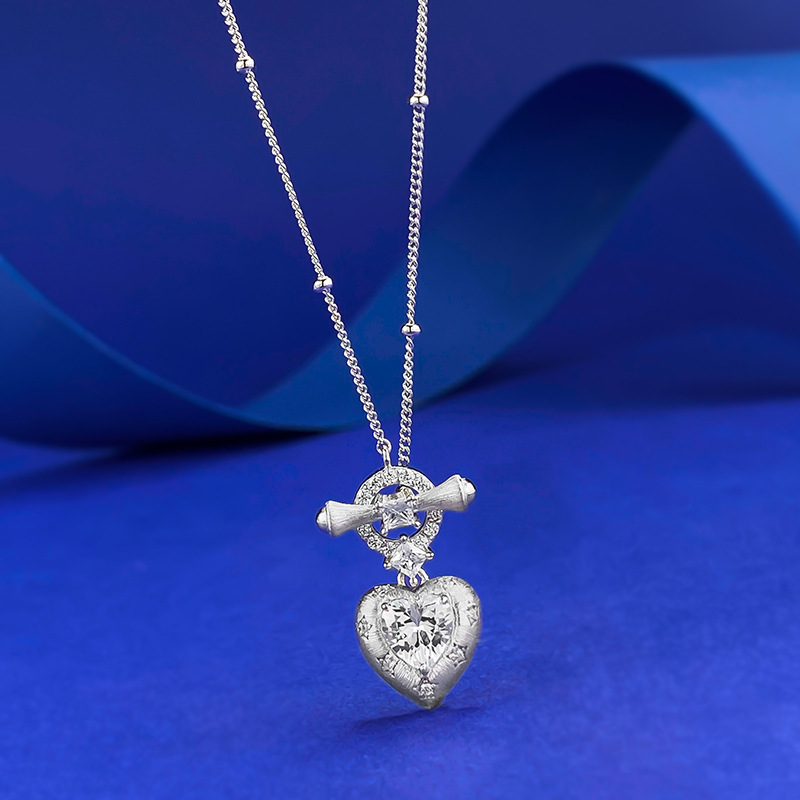
Insurance Adjuster Question Log for Lost Jewelry
An insurance adjuster question log for lost jewelry gives you one place to capture claim notes, adjuster answers, appraisal details, and replacement requirements. After a ring, bracelet, necklace, or pair of earrings goes missing, the claim can move faster than expected. A simple log helps you slow the process down and make cleaner decisions.
StoneBridge Jewelry helps customers replace lost fine jewelry with Lab-Grown Diamond Engagement Rings, wedding bands, earrings, tennis bracelets, pendants, and custom designs. Shoppers feel more confident when they can compare the original piece against current options by specs, not memory alone.
What should you write down before you start shopping? Start with the claim number, settlement method, deductible, original jewelry details, and every answer your adjuster gives you. Then use those notes to compare replacement pieces in a practical way.
If you're ready to look at options, you can explore lab-grown diamond engagement rings, browse fine jewelry replacements, or compare loose stones in our lab-grown diamond selection.
Why a Claim Log Helps After Jewelry Is Lost
A lost jewelry claim usually includes receipts, photos, appraisals, police reports, policy limits, repair records, and replacement quotes. Without a written record, those details end up scattered across emails, texts, screenshots, and voicemail notes.
An insurance adjuster question log for lost jewelry turns those loose pieces into a buying plan. It shows what the insurer needs, what the lost item included, and what a fair replacement should look like.
For a diamond engagement ring, the log may list a 1.50 carat oval diamond, 14k white gold, a hidden halo, G color, VS2 clarity, and an IGI or GIA report. For diamond studs, it may list total carat weight, metal type, backing style, and the quality range for both stones.
The emotional side matters too. A lost engagement ring, anniversary pendant, inherited bracelet, or milestone gift carries meaning that an appraisal can't fully measure. Your log won't replace the memory, but it can help you choose the next piece with care.
Build Your Insurance Adjuster Question Log for Lost Jewelry
Start with the claim basics. These details create a timeline and help you avoid missed deadlines.
Track:
- Claim number and policy number
- Adjuster name, phone number, and email
- Date and time of every call or email
- Documents the insurer requested
- Follow-up dates and submission deadlines
- Deductible amount and policy limits
- Settlement method and approval status
- Notes on whether a quote, receipt, appraisal, or product link is required
Keep each answer in writing when you can. If a phone call covers key details, send a short follow-up email that repeats what you understood and ask the adjuster to confirm.
A good insurance adjuster question log for lost jewelry also gives you shopping boundaries. If the policy pays replacement cost, you may need a comparable item. If it pays actual cash value, the settlement may reflect depreciation or policy terms.
Jewelry Details to Record Before You Shop
Small differences can change the value of a replacement piece. A 1.00 carat round brilliant diamond with excellent cut, F color, and VS1 clarity does not price the same as a 1.00 carat round diamond with good cut, I color, and SI1 clarity.
Use your insurance adjuster question log for lost jewelry to capture every known spec, even if the record is not perfect. Partial details still help a jeweler narrow the search.
Record these details:
- Item type, such as engagement ring, studs, pendant, tennis bracelet, or anniversary band
- Diamond shape, including round, oval, emerald, cushion, pear, radiant, princess, or marquise
- Center stone carat weight or total carat weight
- Color, clarity, and cut grade, if available
- Diamond report number from GIA, IGI, or another lab
- Metal type, such as platinum, 14k gold, or 18k gold
- Ring size, bracelet length, necklace length, or earring back type
- Setting style, such as solitaire, halo, bezel, pave, three-stone, or channel-set
- Designer name, custom details, engraving, or matching set information
GIA's diamond grading system uses the 4Cs: cut, color, clarity, and carat weight. GIA color grades run from D to Z, and its clarity scale includes 11 grades from Flawless to I3. Those numbers give your insurer and jeweler a shared language.
Metal details matter as well. 14k gold is 58.3% pure gold, while 18k gold is 75% pure gold. Platinum jewelry is often 90% to 95% platinum, depending on the alloy. These facts affect durability, color, and replacement cost.
Price Ranges to Put in Your Claim Notes
Replacement cost depends on the diamond, setting, metal, craftsmanship, and documentation. A simple lab-grown diamond solitaire ring can cost far less than a custom three-stone design with hand-set pave, even when the center diamond has the same carat weight. Your log should separate the stone cost from the setting cost whenever possible.
As a practical shopping frame, many lab-grown diamond engagement rings fall between about $1,000 and $6,000, depending on center stone size and quality. A 1.00 carat lab-grown diamond ring in 14k gold may sit near the lower to middle part of that range, while a 2.00 carat oval, emerald, or radiant cut with higher color and clarity grades can move higher. Platinum, hidden halos, side stones, and custom work can add several hundred dollars or more.
Diamond Stud Earrings are often priced by total carat weight. A pair around 1.00 carat total weight in 14k gold may be a very different claim match than a 2.00 carat total weight pair with screw backs and higher color grades. Tennis bracelets and line necklaces depend heavily on total carat weight, diamond quality, length, and construction. A 3 carat total weight tennis bracelet is not interchangeable with a 7 carat total weight bracelet, even if both are described as classic diamond bracelets.
When you compare prices, record whether the quote includes sales tax, shipping, resizing, an appraisal, and any insurance documentation. A replacement that looks less expensive at first may not be cheaper after required fees are added. If your claim has a deductible, write the net amount you expect to receive and the amount you are comfortable paying out of pocket for an upgrade.
Compare Settlement Value With Replacement Options
Once your claim notes are organized, compare the lost item, the insurer's settlement, and current StoneBridge Jewelry options side by side. This helps you see whether a replacement is truly comparable.
An insurance adjuster question log for lost jewelry should include product links, quote dates, certificate details, taxes, shipping, and any upgrade amount you may pay yourself. It should also say whether the adjuster needs a pre-purchase quote or a receipt after purchase.
A simple comparison might look like this:
- Original item: 1.50 carat oval diamond ring, 14k white gold, hidden halo.
- Claim note: replacement cost approved after deductible; comparable documentation requested.
- StoneBridge option: lab-grown oval diamond ring in the same carat range, metal color, and setting style.
- Records saved: product page, diamond certificate, receipt, photos, and appraisal request if needed.
Lab-grown diamonds often help customers stay within a fixed claim budget while choosing a larger stone, higher color grade, or more detailed setting. The insurer's rules still come first. Confirm whether your policy requires like-kind replacement Before You Buy.
What to Ask Your Adjuster Before Buying
Your log should include direct questions, not just notes. Clear questions often prevent delays.
Ask your adjuster:
- Does my policy pay actual cash value or replacement cost?
- Do you need a comparable quote before I purchase?
- Will a lab-grown diamond replacement qualify under my policy?
- Which specs must match the lost piece?
- Do you need a GIA or IGI report?
- Are taxes, shipping, resizing, or appraisal fees included?
- What is the final deadline for submitting documents?
Add each answer to your insurance adjuster question log for lost jewelry with the date, time, and name of the person who gave it. If the answer affects your purchase, ask for written confirmation.
Choosing Comparable or Upgraded Jewelry
Some customers want the new piece to look as close as possible to the lost one. That can be the right choice for a wedding set, signature pendant, or daily pair of diamond studs.
Other customers use the claim as a chance to choose a sturdier setting, a different metal, or a larger lab-grown diamond. Many want the new piece to honor the old one without copying every detail.
Use your insurance adjuster question log for lost jewelry to mark each detail as must-match or flexible. Must-match details may include item category, diamond shape, metal color, ring size, and total carat weight. Flexible details may include clarity grade, accent stone layout, chain length, or setting profile.
If you want to design a close replacement, try our ring builder or contact our jewelry experts with your claim notes. A specialist can help compare stones, settings, and documentation needs.
Diamond Quality, Setting, and Wearability
The 4Cs affect price, beauty, and insurance documentation. Cut drives sparkle. Color affects how white the diamond appears. Clarity describes internal and surface characteristics. Carat measures weight, though shape and cut influence face-up size.
For round brilliant diamonds, cut grade deserves special attention because it has a direct effect on brightness and fire. Excellent or Ideal cut grades are often worth prioritizing over a slightly higher color grade. Fancy shapes such as oval, cushion, radiant, pear, and emerald do not always receive the same cut grade format, so shoppers should compare measurements, table, depth, symmetry, polish, and images when available. With elongated shapes, also look for bow-tie effect, which can create a dark band across the center if the cut is not balanced.
Color tolerance depends on diamond shape and metal color. A D, E, or F color diamond appears very icy, but many buyers are happy with G or H in white gold or platinum and I or J in yellow gold or rose gold, especially in brilliant cuts. Step cuts such as emerald and asscher show body color more easily, so you may want to stay closer to the original color grade when replacing one. Clarity should be judged by both grade and visibility. A VS2 or SI1 diamond can be a smart value if it is eye-clean, while emerald cuts often benefit from VS clarity or better because their open facets reveal inclusions more plainly.
Setting details affect daily wear. Prong settings show more of the diamond and can look bright and open. Bezels add protection around the stone. Halos create a larger look. Pave bands sparkle across the finger, but small stones and prongs need routine inspection.
Fit also deserves attention. A 7-inch tennis bracelet may feel perfect on one wrist and too loose on another. A 16-inch pendant chain sits higher than an 18-inch chain. Stud earrings can feel different depending on backing type and total carat weight.
If you're replacing a ring, review our ring size guide before choosing a size. Ask about resizing timelines if you need the piece before a proposal, trip, anniversary, or claim deadline.
Metal and Setting Tradeoffs for Replacement Jewelry
Metal choice affects appearance, maintenance, and long-term comfort. 14k gold is a durable everyday choice for rings, bracelets, earrings, and pendants because its alloy mix gives it strength. 18k gold has a richer gold content and a slightly softer feel, which many buyers prefer for fine pieces that are worn with care. Platinum is dense, naturally white, and popular for engagement rings, though it can cost more and develops a soft patina over time.
White gold is usually rhodium plated for a bright white finish. If your lost ring was white gold, ask whether the replacement quote includes rhodium plating and whether future replating is part of normal maintenance. Yellow gold can make near-colorless diamonds look warm and classic, while rose gold adds a blush tone that pairs well with vintage-inspired settings. If you have metal sensitivities, record them in your log before selecting a replacement. Platinum and many 14k or 18k gold alloys are suitable for sensitive skin, but exact alloy composition can vary.
Setting style should match how the jewelry will be worn. A high-profile solitaire can make a diamond look prominent, but it may catch on gloves, pockets, or active work environments. A low-profile basket, bezel, or cathedral setting can feel more secure for daily wear. Shared-prong bands show more diamond and less metal, while channel-set bands protect stones better along the edges. For earrings, screw backs and locking backs add security, but some people prefer push backs for speed and comfort. For bracelets, ask about box clasps, figure-eight safety locks, and links that can be adjusted if the length is not right.
Sizing, Shipping, Returns, and Timing
Claim timing can pressure you into a rushed purchase, so add fulfillment details to your log before checkout. Note whether the piece is in stock, made to order, or custom. In-stock earrings, pendants, and some rings may ship faster than custom engagement rings or resized bands. If the adjuster gave you a document deadline, make sure the expected ship date and appraisal timing still work.
Ring sizing should be handled carefully, especially for replacement engagement rings and wedding bands. Wide bands often fit more snugly than thin bands in the same size. Eternity bands with diamonds around the full ring are difficult or sometimes impossible to resize, so the first size choice matters. If your finger size changes with weather, pregnancy, medication, or weight changes, mention that when choosing the final size. For surprise replacements, compare an existing well-fitting ring or use a measured size instead of guessing from memory.
Shipping should be insured, trackable, and sent to a secure address where someone can sign if required. Save the tracking number, delivery confirmation, and packaging photos until the claim is fully closed. Review the return and exchange window before buying, especially if you are matching a lost piece from old photos. Custom pieces, engraved items, resized jewelry, and special orders may have different return rules than standard pieces. If an insurer requires a receipt but you are still deciding between two options, ask whether a written quote is enough for pre-approval.
Common Mistakes That Slow Jewelry Claims
One common mistake is replacing the piece based on looks alone. A ring may look similar in a photo but have a smaller center stone, lower clarity, different metal, or a lighter setting. Another mistake is comparing total carat weight to center stone weight. A 2.00 carat total weight three-stone ring is not the same as a 2.00 carat solitaire because the diamond weight is distributed differently.
Buyers also lose time when they forget to ask whether the insurer needs a quote before purchase. Some carriers will reimburse from a receipt, while others want the replacement approved first. If you buy too soon, the adjuster may ask for additional documentation or may not accept an upgraded item as a direct match.
Another issue is ignoring maintenance and lifestyle. A delicate pave ring may be beautiful, but it may not suit someone who works with their hands, travels often, or rarely removes jewelry. A tennis bracelet that is too loose can catch and stress the clasp. Oversized stud earrings can tilt forward without the right backings. A better replacement is not only similar on paper; it should also be comfortable enough to wear often.
Documents to Save After Purchase
After you buy the replacement, keep the paper trail clean. Save the receipt, diamond grading report, appraisal if available, product photos, warranty details, and insurer emails.
Your insurance adjuster question log for lost jewelry can become the first page of your new jewelry record. Add the new item description, purchase date, price, metal, stone details, and photos from several angles.
Then update your insurance schedule. Don't wait until the next renewal if the replacement has meaningful value. Fresh records make future claims easier and help your insurer describe the piece accurately.
Care Notes for the Replacement Piece
Good care protects the jewelry and supports future documentation. For diamond rings, check prongs regularly and schedule professional inspections if the ring is worn daily. Remove rings before lifting weights, gardening, cleaning with harsh chemicals, swimming in chlorine, or doing work that could bend prongs. Store each piece separately so diamonds do not scratch softer metals or other gemstones.
Clean diamond jewelry with warm water, mild dish soap, and a soft brush unless the piece includes delicate gemstones or special finishes that require different care. Avoid abrasive cleaners and do not use ultrasonic cleaners on jewelry with loose stones, fragile settings, or certain treated gems. Tennis bracelets and necklaces should be clasped before storage to reduce tangling, and earrings should be kept with their matching backs.
Add care notes, inspection dates, and repair records to the same folder as your receipt and appraisal. If a clasp is adjusted, a ring is resized, or a stone is tightened, save that service record. Those small updates create a more complete jewelry history and can help if you ever need to verify condition, ownership, or replacement value again.
Quick Checklist Before Checkout
Before you complete the purchase, review your notes one last time. A beautiful replacement should also fit the claim, your lifestyle, and your insurance file.
Check that you have:
- Adjuster confirmation on the required documents
- Clear specs for the lost piece and new piece
- A saved product page or written quote
- Diamond certificate details, if required
- Correct ring size, bracelet length, or chain length
- Receipt and appraisal plan after purchase
- A secure digital folder for all claim and jewelry records
An insurance adjuster question log for lost jewelry keeps the process calm and practical. It helps you ask better questions, compare diamonds fairly, and choose a StoneBridge Jewelry piece that feels right for the next chapter.
FAQ
What should I ask an insurance adjuster after losing jewelry?
Ask whether your policy pays actual cash value or replacement cost, then confirm the deductible, policy limit, and document deadline. Ask if the insurer needs a comparable quote, receipt, appraisal, grading report, or product link Before You Buy. If you're considering a lab-grown diamond replacement, ask whether it qualifies under the policy. Write every answer in your insurance adjuster question log for lost jewelry so you can shop with a clear budget.
How do I use an insurance adjuster question log for lost jewelry while shopping?
Use the log to list the lost item's specs, claim requirements, settlement amount, and possible replacement links. Compare each StoneBridge Jewelry option by diamond shape, carat weight, color, clarity, metal, setting, and certificate. Mark details as must-match or flexible before you narrow your choices. This keeps you from buying a piece that looks right but misses an insurer requirement.
Can I replace lost mined diamond jewelry with a lab-grown diamond?
Many buyers choose lab-grown diamonds because they offer strong beauty and value at the same grade points. Your insurer may still have rules about like-kind replacement, so ask before purchasing. Compare the lab-grown diamond's certificate, carat weight, color, clarity, cut, and setting quality against the lost item. Save those details in your claim file in case the adjuster asks for support.
What documents should I keep after buying replacement jewelry?
Keep the receipt, diamond grading report, appraisal if available, warranty information, product photos, and insurer correspondence. Store the files in a secure digital folder with the new item's full description. Include metal type, diamond specs, purchase date, and price. These records can help you update your insurance policy and support a future jewelry claim.
Should I buy replacement jewelry before my claim is approved?
It's usually safer to confirm claim requirements and settlement terms before buying. You can still browse StoneBridge Jewelry, save product links, and request quotes while the claim is under review. If your adjuster needs a quote first, buying too early may create extra paperwork. Once the claim is approved, your log helps you move quickly without guessing.
Ready to Find Your Perfect Diamond?
Explore our collection of certified lab-grown diamonds
Shop Diamonds