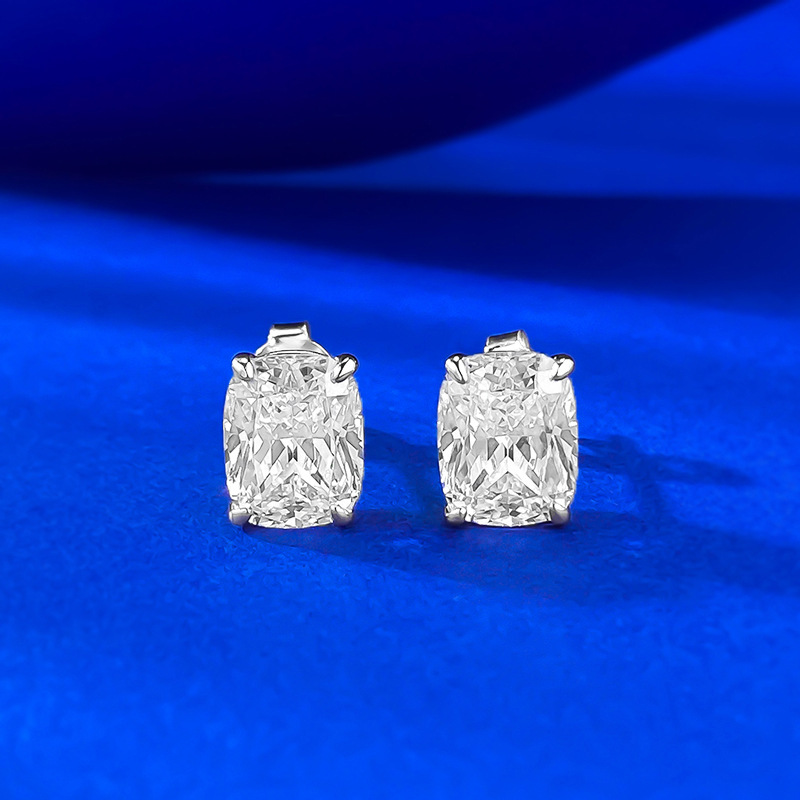
Huggie Hoop Earrings Comparison Guide: Studs, Hoops, and Drops
If you want one pair you can wear often, this Huggie Hoop Earrings comparison guide makes the choice easier. Huggies sit close to the ear, so they give you more shape than studs without the movement of larger hoops.
Most buyers look at comfort, security, and how the earrings work with real outfits. This guide compares huggies with studs, diamond studs, hoops, drop earrings, and dangle earrings so you can choose the best match.
Why Huggies Stand Out
Fit comes first in any Huggie Hoop Earrings comparison guide. A huggie usually has a small inner diameter, often 8 mm to 12 mm, and closes with a hinge that clicks shut. That close fit keeps the earring neat under hair, collars, and scarves.
The style also covers a wide range of uses. You can wear huggies to work, on a weekend trip, or with a dressier outfit. A 10 mm size works well for many first-time buyers, while 12 mm to 14 mm pairs give more room for thicker lobes or lower piercings.
What separates huggies from larger hoops is not just size. The hinge-backed construction usually makes them easier to put on than threader styles and more secure than open-ended hoops. That matters if you plan to wear the same pair for long stretches, or if you do not want to check a backing in the middle of the day. For many buyers, the appeal is simple: huggies look intentional without asking for much upkeep.
Huggie Hoop Earrings Comparison Guide: Fit, Metal, and Finish
Small details matter more than marketing copy. A useful Huggie Hoop Earrings comparison guide should look at the metal, the clasp, and the way the stones sit.
Huggies often come in 14K gold, 18K gold, platinum, sterling silver, or vermeil. Those numbers matter: 14K gold is 58.5% pure gold, 18K is 75%, and platinum jewelry is often 95% pure. If you plan to wear the earrings often, metal quality matters more than a glossy product photo.
Stone setting matters too. Bezel and low pavé settings usually feel smoother than tall prongs, and they tend to snag less on hair. If the pair has diamonds, GIA's 4Cs still matter even with small stones, since cut and setting shape the sparkle you notice. For small huggie stones, cut usually has the biggest visual effect because tiny diamonds can look dull if proportions are poor, even when the clarity grade sounds impressive.
Finish affects wearability as much as appearance. High-polish gold reflects more light and can make a small pair feel brighter. Satin or brushed finishes read more understated and hide small scratches better. If you want a pair that will age gracefully, a slightly textured finish can be practical because daily wear marks are less obvious.
Diamond Specs That Actually Matter
If your huggies include diamonds, do not pay for grades you will not see. On small stones, the most useful priorities are cut, matched appearance, and secure setting. A well-cut melee diamond can look brighter than a larger but poorly cut stone. For white diamonds, buyers commonly look for near-colorless grades such as G to H and clarity in the VS to SI range when stones are tiny enough that inclusions are not visible without magnification.
Certification matters most when the stones are meaningful in size or price. GIA or IGI reports are valuable if you are buying diamond huggies with center stones or a substantial total diamond weight. For very small accent diamonds, many reputable brands sell by total carat weight and do not provide a certificate for each tiny stone. That is normal, but the setting quality should still be clear in the product details.
If you are comparing lab-grown and natural diamonds, keep the use case in mind. Lab-grown can offer larger-looking stones for the money, which is helpful if you want sparkle without moving into a much higher price bracket. Natural diamonds hold stronger traditional appeal and may suit a heirloom-style purchase better. Either way, the mounting should be strong enough that the diamonds do not sit high or catch on fabrics.
Huggies vs Studs, Diamond Studs, Hoops, and Drops
This Huggie Hoop Earrings Comparison guide works best when you think about what each style does. Studs are the quietest choice. Diamond studs add classic shine. Hoops bring more movement, while drop earrings and dangle earrings add length and drama.
Huggies vs Stud Earrings
Stud earrings sit flat against the ear and stay visually quiet. That makes them a strong choice for strict office dress codes, school, or anyone who wants the least movement possible. Huggies still stay tidy, but they add more shape and polish.
Choose studs if you want the cleanest profile. Choose huggies if you want something just as easy, with more styling range. In a Huggie Hoop Earrings comparison guide, that small shift in shape is often what makes the difference. Studs also tend to be easier to layer with other earrings, but huggies usually create more balance when you have multiple piercings because they frame the ear instead of disappearing into it.
Huggies vs Diamond Studs
Diamond studs are the classic fine-jewelry choice. They work well for milestone gifts, formal wear, and anyone who wants a bright focal point near the face. Huggies feel less formal, but they are often easier to wear every day.
Price can change quickly with diamond studs depending on carat weight and grading. Small lab-grown pairs may start in the low hundreds, while natural diamond studs can reach four figures. That range is one reason shoppers use a huggie hoop earrings comparison guide before they buy.
For a gift, diamond studs often win if the goal is timeless symbolism. Huggies usually win if the goal is frequent wear. One practical difference is the visual footprint: diamond studs create a direct point of light, while diamond huggies spread sparkle across the ear and can look more modern. If the recipient already owns a pair of classic studs, huggies add variety without duplicating the same look.
Huggies vs Hoops
Classic hoops create a larger outline and more swing. They can look bold and fashion-forward, but they also draw more attention and may feel heavier over a long day. Huggies keep the hoop shape in a smaller package.
The smaller profile is the practical advantage. If you travel, work long hours, or wear headphones often, huggies usually cause fewer problems. If you want the strongest visual impact, larger hoops still win that category. Larger hoops also require more attention to weight, especially if they are solid gold instead of hollow. A pair that feels fine for an hour can become noticeable by late afternoon if the hoop diameter and metal thickness are not balanced well.
Huggies vs Drop Earrings and Dangle Earrings
Drop earrings and dangle earrings are built for movement. They can lengthen the neck and frame the face, which makes them a strong choice for evening looks, weddings, or statement outfits. The tradeoff is more swing and a higher chance of snagging.
Huggies stay closer to the lobe, so they are less likely to brush against clothing or hair. That is why this huggie hoop earrings comparison guide keeps putting them back in the everyday category. If you have fine hair, a scarf-heavy wardrobe, or an active schedule, the lower-profile shape matters more than it sounds. A small drop can still be practical, but it will never be as easy as a well-fitted huggie.
Quick Side-by-Side View
| Style | Comfort | Security | Sparkle / Impact | Best Use |
|---|---|---|---|---|
| Huggies | High | High | Moderate | Daily wear, stacking |
| Studs | Very high | Very high | Low to moderate | Minimalist looks |
| Diamond studs | High | Very high | High | Gifts, classic polish |
| Hoops | Moderate to high | Moderate | Moderate to high | Fashion-forward outfits |
| Drop earrings | Moderate | Moderate | High | Events, evening wear |
| Dangle earrings | Moderate | Moderate | Very high | Statement dressing |
This table makes the huggie hoop earrings comparison guide easier to scan. If you want balance, huggies usually land in the sweet spot. If you want pure simplicity, studs win. If you want a classic sparkle piece, diamond studs make the strongest case.
Metal Choices and Price Ranges
Metal selection changes both durability and budget. Sterling silver is the entry-point choice for many shoppers, but it tarnishes more easily and can require regular polishing. Vermeil gives you a thicker gold layer over sterling silver than standard gold-plated jewelry, which can be a better value if you want the look of gold without the full cost. The key is checking the plating thickness and the base metal, because not all plated earrings wear the same way.
14K gold is the most common all-purpose choice for huggies because it balances purity and strength. It resists dents better than 18K and is usually more affordable. 18K gold has a richer color and a higher gold content, but it is softer and can show wear sooner, especially on thin huggie profiles. Platinum costs more but is excellent for sensitive ears and long-term use because it is dense, durable, and naturally white. If you want a pair to keep for years, platinum or solid gold is the safest long-view investment.
Price ranges are useful when comparing styles. Simple sterling silver huggies may sit under $100, vermeil pairs often fall between $75 and $250, and solid 14K gold huggies commonly start around $150 and can climb well past $500 depending on weight, finish, and stones. Diamond huggies can range from a few hundred dollars for small lab-grown styles to several thousand for larger natural diamond pairs. If a price seems unusually low for solid gold and diamonds, check the metal stamp, stone total carat weight, and return policy before buying.
How to Judge Comfort and Size
The right huggie is not just about inner diameter. Post length, lobe thickness, and the curvature of the ear all affect how the earring sits. A pair can be the correct diameter on paper and still pinch if the post lands too tightly against the lobe. If you have thicker lobes or multiple piercings, look for a slightly larger opening or a style described as easy fit.
Gauge and post thickness matter too, especially for people who have stretched or sensitive piercings. Standard fine-jewelry posts are often around 0.8 mm to 1 mm, but not every brand uses the same measurement. If you are prone to irritation, avoid forcing a tight clasp and choose a smoother post with rounded edges. A polished hinge and a secure click should feel solid, not stiff.
Weight is another practical factor. Lightweight huggies are best for all-day wear, while stone-heavy pairs may feel more luxurious but can pull on the lobe. If you plan to sleep in your earrings or wear them during travel, weight should be a priority. A light, well-balanced pair is easier to forget, which is usually the goal for everyday jewelry.
If you wear multiple earrings together, pay attention to spacing. Huggies work best with second or third piercings when the ear has enough room between holes. Too little space can cause the edges of the earrings to touch, which looks crowded and can irritate the skin. A slightly smaller huggie in the upper piercing and a larger one in the first hole often creates a cleaner stack than using the same size everywhere.
Who Should Buy What?
Choose huggies if you want one pair that works with most outfits. Choose studs if you need the lowest profile. Choose diamond studs if you want a gift that feels timeless and easy to value.
For shoppers building a jewelry wardrobe, huggies are often the best first buy. They stack well with second piercings, and they look polished without feeling dressed up. If you are still comparing pieces, browse our jewelry collection or compare sparkle-heavy options like diamond studs.
Customers often choose huggies for work, travel, and weekend plans because they do not ask for much. That practical edge is the reason this huggie hoop earrings comparison guide keeps coming back to them. They are also easier to repeat in different finishes, so many buyers end up owning one plain pair and one stone-set pair instead of several larger styles they wear less often.
What to Check Before You Buy
Start with the inside diameter. A close fit usually means 8 mm to 12 mm, while 13 mm to 14 mm gives more room. Then check the clasp and finish so the earring closes cleanly and feels smooth against the ear.
Sensitive ears need careful material choices. Nickel-free gold, platinum, and quality sterling silver are safer picks. If the pair includes stones, look for settings that sit low and feel secure.
Also check the product description for hallmarks and construction details. Solid gold should be marked with 14K, 18K, or a comparable purity stamp. Platinum should be marked with PT or 950. Vermeil should note the gold thickness and sterling silver base. If a seller is vague about the metal content, that is a warning sign, especially if the earrings are priced like fine jewelry.
For diamonds, ask whether the total carat weight is per pair or per earring. Many shoppers miss that detail and compare mismatched listings. The same is true for gemstone sizes in millimeters and the number of stones per earring. A listing that looks generous may actually be describing small accent stones across both earrings rather than a more substantial setting.
Shipping, Returns, and Warranty Considerations
For jewelry, logistics matter. Because huggies are small, many buyers assume any retailer will be easy to deal with if something is wrong. That is not always true. Before ordering, check whether the seller offers insured shipping, signature confirmation, and clear packaging that prevents scratches in transit. Fine jewelry should arrive secured, not loose in a lightweight box with no protection.
Return policies matter even more than usual because earrings are often final sale for hygiene reasons. Look for a return window that gives you enough time to inspect the closure, compare the size on your ear, and confirm that the metal color works with your skin tone and other jewelry. If returns are allowed, note whether the buyer pays return shipping and whether original packaging is required.
Warranty terms also deserve attention. A good warranty may cover manufacturing defects, loose stones from normal wear, or clasp issues. It usually will not cover loss, obvious impact damage, or normal wear to plating. If you are buying plated huggies, read the care terms carefully because warranties often exclude fading, which is one of the most common issues with cheaper finishes.
Care and Maintenance
Clean huggies regularly so the hinge and clasp keep working smoothly. For solid gold and platinum, warm water with a small amount of mild soap and a soft brush is usually enough. Dry thoroughly before storing, especially if the pair includes pavé diamonds or textured details that can trap residue. For sterling silver, use a polishing cloth and avoid harsh dips unless the brand specifically recommends them.
For plated or vermeil huggies, gentle care matters more than aggressive cleaning. Avoid abrasives, ultrasonic cleaning unless approved, and exposure to chlorine, perfume, and lotion buildup. These finishes are designed to wear well, but they will last longer if you remove the earrings before swimming or heavy workouts. If the pair has gemstones such as opals, pearls, or emeralds, avoid soaking because porosity and fracture sensitivity can make those stones vulnerable.
Storage also makes a difference. Keep huggies in a compartmentalized box or a soft pouch so they do not rub against harder pieces. The hinge and post can bend if the earrings are tossed into a shared jewelry tray. For diamond or gemstone huggies, storing the pair separately helps protect the setting edges and prevents scratches on polished gold.
Common Mistakes Buyers Make
One common mistake is choosing the wrong diameter. Many shoppers buy based on a model photo and forget that ear shape varies. A 10 mm huggie can look perfect on one person and feel too tight on another. Measure from your piercing to the bottom of the lobe and compare that to the interior opening, not just the outer width shown in product images.
Another mistake is overlooking metal sensitivity. Some earrings are described as gold-colored or hypoallergenic without stating the base metal. That language is not enough if you have reactive skin. If you know you need a specific metal, verify the exact composition Before You Buy.
A third mistake is focusing only on carat weight. Bigger diamond numbers do not automatically create a better-looking huggie. In small earrings, stone placement, cutting quality, and setting style often matter more than total weight. A poorly proportioned 0.25 carat pair can look less impressive than a well-made smaller pair with better sparkle and cleaner construction.
Finally, some buyers ignore clasp quality. A loose hinge or weak click can turn a practical everyday earring into something you are always checking. When possible, look for descriptions that mention a secure click closure, spring hinge, or sturdy latch. That is especially important if you travel, exercise, or wear earrings all day.
When Huggies Make the Most Sense
Huggies are strongest when you want one pair that can disappear into daily life but still look finished. They are ideal for commuters, frequent flyers, people who wear glasses or headphones, and anyone building a small but versatile jewelry rotation. They also work well for gifts because they are stylish without being too specific.
If your wardrobe leans simple, huggies provide enough visual interest to prevent your jewelry from feeling flat. If your wardrobe already includes bold necklaces or patterned clothes, a small huggie can balance the outfit without competing with everything else. That versatility is the reason many buyers keep returning to them after trying larger hoops or more delicate studs.
If your main goal is maximum brilliance, diamond studs still have the strongest single-point sparkle. If your goal is a fashion statement, bigger hoops or drop earrings make more sense. But if you want a pair that is easy to reach for, dependable, and polished in almost any setting, huggies are usually the best starting point.
Expert Pick
The best overall choice in this huggie hoop earrings comparison guide is huggies. They balance comfort, security, and wearability better than the other styles for most people. They are not the boldest option, but they are the pair you will probably reach for most often.
If you want one earring style that can move from errands to dinner without a second thought, huggies do that job well. If you want something more formal, diamond studs or drops may fit better. For most shoppers, the huggie hoop earrings comparison guide leads to the same answer: start with huggies, then build from there.
FAQ: Huggie Hoop Earrings Comparison Guide
What size huggie hoop earrings should I buy for an everyday close fit?
A close everyday fit usually starts around 8 mm to 10 mm, though some ears need 12 mm for comfort. Measure your lobe thickness and check the product's inner diameter Before You Buy. If you are between sizes, go larger rather than forcing a tight fit. A slightly roomier huggie usually closes more comfortably and is less likely to pinch when you put on scarves, headphones, or high collars.
Are huggie earrings better than stud earrings for second piercings?
Often, yes. Huggies add a clean shape without crowding the ear, so they work well next to a main stud or drop. Studs still win if you want almost zero movement, but huggies usually give you more style for the same amount of effort. For stacked ears, choose slimmer huggies so the pieces do not overlap or create pressure between piercings.
Are huggie hoop earrings good for sensitive ears and long wear?
They can be, as long as the metal is right. Look for nickel-free 14K gold, 18K gold, platinum, or quality sterling silver, and make sure the hinge closes smoothly. A rough edge or loose clasp can bother sensitive skin faster than the metal itself. If you have very reactive skin, plain polished metal without heavy plating is usually the safest choice.
Should I choose huggies or diamond studs for a gift?
Choose huggies if you want something modern, easy to wear, and flexible with casual clothes. Choose diamond studs if the gift needs to feel classic and more formal. If you know the person loves everyday jewelry, huggies usually get worn more often. If you are buying for a milestone event, diamond studs may feel more traditional and easier to mark as a special occasion gift.
Can I sleep or travel in huggie hoop earrings?
Travel, yes, if the clasp is secure and the pair is light. Sleeping in any earring depends on comfort and the design, so test a short wear first. A smooth huggie with a firm closure is usually easier to keep on than a larger hoop or a drop style. For overnight wear, avoid oversized stones or sharp prongs that can press into the skin or snag on bedding.
What should I avoid when comparing huggies online?
Avoid listings that do not state the metal content, inner diameter, or closure type. Those details are essential for comfort and durability. Also be cautious with vague diamond language that does not say whether the stones are natural or lab-grown, or whether the price is per earring or per pair. Clear specifications are a strong sign the seller understands fine jewelry rather than just presentation.
Shop the Right Pair
If this huggie hoop earrings comparison guide helped you narrow the field, start with huggies. Then compare them with diamond studs if you want more sparkle or keep browsing our jewelry collection to narrow the fit and metal that works for you.
Need size help or stone advice? Contact our jewelry experts and we'll help you Choose the Right pair.
Ready to Find Your Perfect Diamond?
Explore our collection of certified lab-grown diamonds
Shop Diamonds