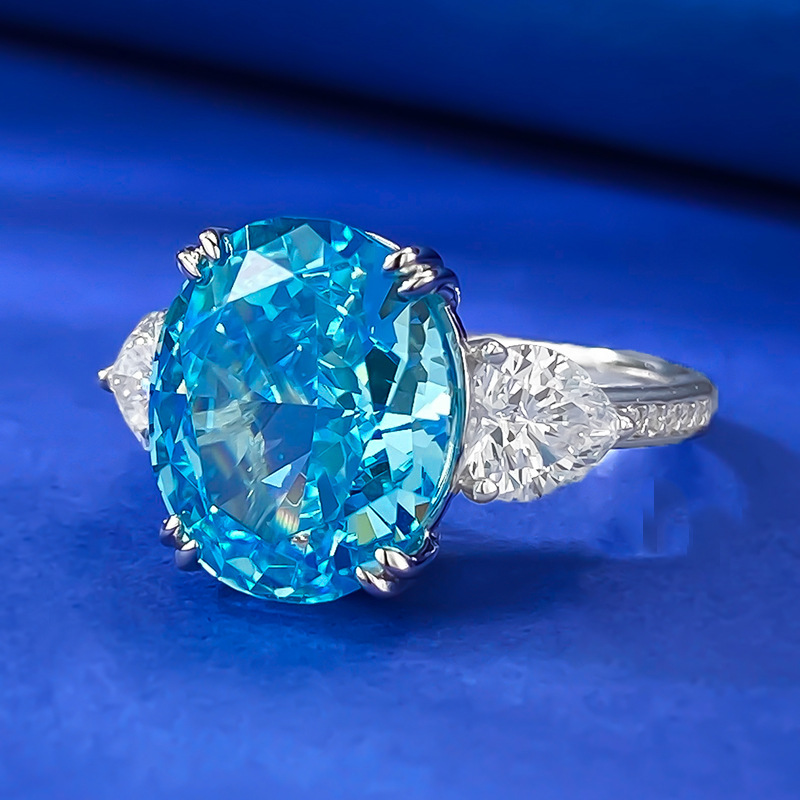
How to Verify Conflict-Free Lab-Grown Diamonds Before You Buy
Conflict-free lab-grown diamonds: what buyers should verify starts with proof, not promise. A polished listing can look convincing, but it does not tell you whether the stone was graded by an independent lab, whether the growth method was disclosed, or whether the report matches the diamond in the setting.
The FTC Jewelry Guides require clear, conspicuous disclosure, and labs such as GIA, IGI, and GCAL give shoppers a way to compare certified diamonds on a common scale. GIA uses a D-to-Z color scale and 11 clarity grades, which makes a report easier to read than vague seller copy.
Start with the paperwork before you start comparing prices. The report usually tells you more than the product page does, and in practice it can save you from overpaying for a stone that looks better in photos than it does in real life.
Conflict-Free Lab-Grown Diamonds: Why Verification Still Matters
Conflict-free lab-grown diamonds: what buyers should verify is not whether the stone came out of the ground. It is whether the seller can prove what the stone is, how it was grown, and how it was graded. A lab-grown diamond can be conflict-free and still be poorly described.
The most common problems are easy to miss. A product page may call a stone certified, but the document is only an in-house card. A listing may say premium quality and never name the lab or give a report number. The growth method may be missing too, which leaves you guessing between CVD diamonds and the HPHT process.
Conflict-free diamonds should make shopping simpler, not harder. If the stone, the report, and the listing do not tell the same story, pause Before You Buy.
It also helps to remember that the word conflict-free does not automatically mean transparent in every other way. You still want to know the exact measurements, whether the stone has been color enhanced, and whether the setting uses matching side stones. A clean ethical story is useful, but it is not a substitute for a complete spec sheet.
What Conflict-Free Means in Ethical Jewelry
In ethical jewelry, conflict-free usually means the diamond was not mined from a conflict region and is not tied to the worst parts of traditional supply chains. For lab-grown stones, that is a strong starting point, but it is not the whole story.
Buyers also care about labor practices, clear sourcing, and honest descriptions. A stone can be conflict-free and still leave you with questions about grading or disclosure. That is why conflict-free lab-grown diamonds: what buyers should verify includes the seller, the paperwork, and the finished piece.
In my 10 years at StoneBridge, I have learned that people rarely regret asking one more question before a proposal, wedding, or milestone gift. They usually regret skipping it.
Terms Sellers Use and What They Really Mean
You may see labels like laboratory created diamonds, cultured diamonds, man-made diamonds, or engineered diamonds. Sellers often use those terms for the same category of stones.
The wording can change from store to store, but the verification steps do not. Focus on the report, the growth method, and whether the product page matches the paperwork. If a seller tries to replace real documentation with marketing language, that is not a small detail; it is usually a sign that the listing needs closer scrutiny.
Conflict-Free Diamonds and the Paper Trail
Conflict-free lab-grown diamonds: what buyers should verify becomes much easier once you know how the stone was made. Two methods dominate the market: CVD and HPHT. Both create real diamond crystals, and both can produce beautiful stones, but the report should tell you which one you are buying.
CVD stands for chemical vapor deposition. A diamond seed is placed in a chamber, carbon-rich gas is added, and the diamond grows layer by layer. HPHT stands for high pressure high temperature. That process recreates the intense pressure and heat found deep inside the earth.
Neither method is automatically better. A well-cut CVD diamond can outshine a weak HPHT stone, and the reverse can be true as well. The method matters because it should be disclosed clearly and may affect treatment notes, color behavior, and how the stone is described on the report.
This is also where buyers should pay attention to any mention of post-growth treatment. Some lab-grown diamonds undergo additional steps to improve color or reduce visible features. That does not make the diamond poor quality, but it should be disclosed so you can compare it fairly with other certified diamonds.
CVD Diamonds: What to Check
If the seller says the stone is CVD, the grading report should say the same thing. Look for any mention of post-growth treatment too, since that detail can affect color or clarity.
Honestly, I think this is where a lot of shoppers get tripped up: they assume all lab-grown diamonds are described the same way, and they are not. The report should be specific enough that you can compare apples to apples.
CVD stones can be excellent value, especially at the round brilliant size most people buy for engagement rings. Still, the best CVD diamond is not the one with the most technical language. It is the one with a clean cut grade, a believable color grade for your budget, and a seller who explains the stone without dodging questions.
HPHT Process: What to Check
If the stone was grown through the HPHT process, the report should identify it when the lab discloses that information. Ask whether any color treatment was used. A straightforward seller will answer directly.
HPHT stones are often attractive to buyers looking for strong color grades, including colorless options. The important thing is not to favor one process blindly, but to check that the document and the product description agree. If the listing is vague about the process, ask for the Report Before You consider the price a good deal.
What to Verify on Certified Diamonds Before Checkout
Conflict-free lab-grown diamonds: what buyers should verify most carefully is the certificate itself. A real third-party report should list the lab name, report number, carat weight, cut, color, clarity, measurements, shape, and any comments about growth or treatment.
That report should also match the stone. If the site says 1.00 carat and the document says 0.90 carat, something is off. If the listing calls the stone excellent cut but the report shows something else, ask for clarification before you commit.
Trusted labs matter because they make certified diamonds easier to compare. GIA is known for stricter grading language. IGI is common in lab-grown diamond retail. GCAL is also respected for its documentation. What matters most is consistency: the lab report, the product page, and the stone should line up.
It is worth reading the comments section of the report as carefully as the grade lines. Notes about inscriptions, treatments, and polish/symmetry can reveal whether the diamond is a routine retail stone or a more complicated piece of inventory. That matters more than buyers expect when they are comparing two stones that look similar at first glance.
Matching the Stone to the Report
Many certified diamonds carry a laser inscription on the girdle. You can compare that number with the lab's lookup tool and then check seller photos against the report. Under 10x magnification, a gemologist can often confirm that the stone matches the document.
Here is what nobody tells you: tiny details in the paperwork can matter more than a flashy sales page, especially if you are choosing a ring for a once-in-a-lifetime moment, even on a budget.
If the seller provides only a stock image and no actual image of the diamond you are buying, ask for a video or a magnified still photo. For mounted stones, request a photo of the laser inscription and the report together when possible. That extra step is especially helpful if you plan to compare several stones online.
Red Flags in Listings and Certificates
Watch for listings that never name the lab. Be careful if the seller uses words like certified or premium but gives no report number. A missing growth method, a vague in-house certificate, or photos that do not match the shape on the report are all reasons to slow down.
Other warning signs include screenshots of reports instead of full documents, reports with blurry text, and listings where the carat weight is rounded too aggressively. If the stone is actually 0.86 carat, it should not be presented as if it were 0.90 or 1.00 just because the marketing copy looks cleaner that way.
Diamond Specs That Affect Value Most
Not every spec line changes price equally. For conflict-free lab-grown diamonds: what buyers should verify, the biggest value drivers are cut quality, color, clarity, and carat weight. The shape and measurements matter too, because two stones with the same carat weight can face up very differently.
As a rule, the eye sees cut first. A sharply cut round brilliant with balanced proportions often looks brighter than a larger diamond with weak symmetry. In lab-grown stones, that can mean spending a little less on carat and a little more on craftsmanship.
Cut, Color, and Clarity in Practical Terms
For round diamonds, cut is usually the most important spec. Excellent or Ideal cut grades generally give the best light return and are often worth prioritizing over an unnecessary jump in color or clarity. In fancy shapes such as oval, emerald, pear, or cushion, the report may not include the same cut grade system, so the visual performance has to be judged with photos, videos, and proportions.
Color is often easiest to control by choosing the right metal and setting. A G, H, or even I color diamond can look bright in yellow or rose gold, while a colorless or near-colorless stone may be more important if you want a platinum or white gold look. Clarity is similar. Many VS1, VS2, and even some SI1 diamonds look clean to the eye, which is usually enough for engagement rings and pendants.
The goal is not to chase the highest grade in every category. The goal is to buy a stone that looks excellent in the finished piece without paying for invisible upgrades. That is where a good seller earns trust.
Carat Weight and Face-Up Size
Carat weight is easy to understand, but face-up size is what you actually see on the hand. A 1.00 carat round and a 1.00 carat oval do not cover the finger in the same way. A thin elongated shape can appear larger than a square or round shape at the same weight.
For lab-grown diamonds, common budget ranges can be surprisingly broad. A smaller 0.50 to 0.75 carat stone may be chosen for a delicate ring or pendant, while many engagement buyers focus on 1.00 to 2.00 carats because the price jump is often more manageable than with mined stones. Beyond that, pricing still rises quickly, especially when buyers want exceptional cut and top color grades.
If you are comparing stones online, always look at millimeter measurements, not just carat. Two 1-carat diamonds can look different if one is cut deep and the other is cut to a more flattering spread.
Setting Choices, Metal Options, and How They Change the Look
The best diamond can still disappoint in the wrong setting. Conflict-free lab-grown diamonds: what buyers should verify should include the ring architecture, the prong design, the side stones, and the metal. The setting affects appearance, maintenance, and how secure the diamond feels day to day.
Metal choice also changes color perception. White metals make near-colorless stones look brighter and more modern. Yellow and rose gold can soften the look of slightly warmer stones and make the entire ring feel more classic or romantic. There is no single best metal, but there is a best metal for your stone and your habits.
Prong, Bezel, and Halo Tradeoffs
A classic prong setting shows the most diamond and usually allows more light into the stone. Four-prong settings feel clean and open, while six-prong settings add a bit of security and can be a better choice for a center stone that will be worn every day. For buyers who want maximum sparkle and an airy look, prongs are often the default.
A bezel setting surrounds the stone with metal. It offers a sleek, protective profile and is useful for active lifestyles, but it can slightly reduce the open look of the diamond. Halo settings make the center stone appear larger and can create a strong visual impact for less money, but they add extra maintenance because there are more small stones and more places for dirt to collect.
For lab-grown engagement rings, many buyers Choose a Solitaire or a subtle halo because they let the center diamond do the talking. If you want a larger appearance on a moderate budget, a halo or hidden halo can be smart. If you want timeless simplicity, a solitaire with well-proportioned prongs tends to age well.
14K Gold, 18K Gold, and Platinum
14K gold is durable, practical, and often the sweet spot for everyday rings. It has a lower gold content than 18K, which usually makes it harder and better for frequent wear. 18K gold has a richer color and a more premium feel, but it is slightly softer and may show wear faster on high-contact pieces.
Platinum is a strong choice for buyers who want a naturally white metal with excellent durability. It is heavier, often more expensive, and can develop a patina over time, but many people like that soft matte finish. If the ring will be worn every day, platinum or 14K gold are usually the most practical metals to compare.
When comparing prices, remember that metal changes cost too. A diamond that looks budget-friendly can become noticeably more expensive once set in platinum with a complicated head, pavé band, or custom gallery. Always compare the complete ring price, not just the loose stone.
Ring Size, Fit, and Daily Comfort
Rings need to fit comfortably in real life, not just on paper. If you are ordering an engagement ring or wedding band online, use a reliable ring size guide and measure more than once. Temperature, time of day, and hand swelling can all affect fit. A ring that feels perfect in the morning can feel tight in the evening.
For wider bands, many jewelers recommend going up a quarter or half size. For stacking rings, consider how the pieces will sit together. A high cathedral setting may pair differently with a wedding band than a low-profile solitaire, and a thick pavé band may require a slightly different fit from a plain band.
If comfort matters most, ask about profile height, basket shape, and whether the ring can be resized later. Some settings are easier to adjust than others, and some designs with full eternity diamonds or intricate pavé work are more difficult to resize cleanly.
How to Vet the Seller Behind the Stone
Conflict-free lab-grown diamonds: what buyers should verify does not stop at the diamond itself. The seller's habits matter just as much. A good retailer explains sourcing, shows the report, and makes returns and warranties easy to find.
Start with the basics. Does the site explain whether the center stone is in stock or built to order? Does it say if the side stones are lab-grown, natural, or mixed? Does it show exact photos of the item you are buying? Clear answers save time and cut down on surprises.
Then look at service signals. A fair return window, written warranty terms, upgrade options, and easy access to documentation are all good signs. If you are comparing styles, shop our lab-grown diamonds or browse matching engagement rings to see how the stone looks in a finished setting.
Questions to Ask Before You Buy
- Which lab issued the report?
- Can you send the report number and lookup link?
- Is the stone CVD or grown through the HPHT process?
- Has the diamond received any post-growth treatment?
- Do the product photos match the report exactly?
- Are the side stones lab-grown, natural, or mixed?
- What are the return, warranty, and upgrade terms?
These seven questions expose weak listings fast. If the seller answers clearly, you are on better ground.
Why Policies Matter After the Sale
Good policies are part of ethical jewelry. A fair return window gives you time to inspect the stone at home. A readable warranty tells you the seller stands behind the piece. If the retailer hides the fine print, expect the same pattern later.
Before You Order, check whether the return period starts at shipment or delivery, whether return shipping is covered, and whether custom pieces are final sale. Those details matter because a ring can look perfect in a studio image and still feel wrong in person. The best online jewelry experience gives you room to verify that the diamond, the setting, and the finish all meet your expectations.
Price Ranges, Shipping, and What Should Arrive With the Order
Price is one of the biggest reasons shoppers choose lab-grown diamonds, but it still pays to compare carefully. A very low price can signal an undisclosed treatment, a loose grading standard, or a ring that looks great only because the images are heavily edited. A sensible comparison should include the diamond, the setting, and the paperwork.
As a rough guide, smaller lab-grown diamonds in 14K settings can be accessible for buyers with modest budgets, while larger center stones with higher color and clarity grades move into midrange or luxury pricing depending on cut, metal, and design complexity. The point is not to memorize a single price chart. It is to compare similar grades and similar mounts so you do not mistake a simpler ring for a better value.
Shipping matters too. Ask whether the ring ships insured, whether a signature is required, and whether the package is discreet. For a high-value purchase, you want tracking, adult signature delivery, and a clear delivery timeline. If the seller is vague about shipment protection or cannot explain when the item will actually ship, that is worth slowing down for.
On arrival, your package should include the diamond report, any appraisal or sales documentation, and care instructions. For mounted rings, take a few minutes to inspect prongs, stone alignment, and any visible solder marks. If the ring is meant as a gift or proposal piece, open the box before the big day so there is time to fix any issue that appears on inspection.
Care and Long-Term Maintenance
Lab-grown diamonds are still real diamonds, so everyday care matters. Oils from skin, lotion, soap residue, and dust can dull sparkle surprisingly fast. Regular cleaning with warm water, mild soap, and a soft brush usually restores brightness. Avoid harsh chemicals, ultrasonic cleaners for delicate settings unless the seller approves them, and rough handling during chores or workouts.
Have prongs checked periodically, especially on rings worn daily. A loose prong can become a lost stone, and that is true whether the diamond is lab-grown or natural. If the ring has pavé accents, ask the jeweler how often they recommend inspections. Some settings need more frequent maintenance because many small stones mean many small potential points of wear.
Store rings separately so metal does not scratch metal. If you plan to stack bands, make sure the pieces are designed to sit comfortably together. Some buyers also choose a simple travel ring or silicone band for gym time, travel, or rough workdays, which can help preserve the main piece.
Buyer Checklist for Conflict-Free Lab-Grown Diamonds
Conflict-free lab-grown diamonds: what buyers should verify can be handled in a few minutes if you stay organized. Use this Checklist Before You click buy or place a hold.
- Confirm the report comes from a recognized independent lab.
- Match the report number to the laser inscription or seller images.
- Check the exact carat weight, cut, color, clarity, and measurements.
- Confirm the growth method, especially for CVD diamonds or HPHT stones.
- Read the product page for treatment notes and side-stone details.
- Review the return policy, warranty, and upgrade terms.
- Compare the price with similar certified diamonds in the same grade.
- Inspect the setting details if the diamond is already mounted.
If one of those pieces is missing, slow down. Conflict-free diamonds should come with clear proof, not a sales pitch. If the ring is already set, learn about ring sizing before you finalize the order. If you want to build the whole piece from scratch, try our ring builder.
Common Mistakes Buyers Make
Conflict-free lab-grown diamonds: what buyers should verify often gets lost when shoppers rush. The first mistake is assuming lab-grown automatically means fully verified. It does not. A stone can be conflict-free and still lack a trustworthy report.
The second mistake is buying only on price. Lab-grown diamonds can cost less than mined stones, but the cheapest option is not always the best value. A very low price can mean weaker grading, poor cut quality, or limited support.
The third mistake is ignoring the growth method. CVD and HPHT are both legitimate, but they should be disclosed. The fourth is treating an in-house certificate like an independent report. It is not the same thing.
The fifth mistake is skipping the return-policy review. Even with strong paperwork, the ring still has to look right on your hand.
Another common problem is over-focusing on the headline grade while ignoring proportions and setting height. A diamond with excellent paperwork can still look underwhelming if it is too deep, too shallow, or mounted so high that it catches on clothing. Buyers also sometimes forget to ask whether the ring can be resized or whether the setting will survive resizing without structural issues.
Final Take on Buying With Confidence
Conflict-free lab-grown diamonds: what buyers should verify comes down to three habits: confirm the certificate, match the stone to the paperwork, and check the seller's transparency. Do that, and you will cut out most of the guesswork.
Lab-grown stones can be a smart choice for shoppers who want conflict-free diamonds and certified diamonds without the stress that can come with mined supply chains. The value is in the proof. Read the report, compare the listing, and make sure the whole piece matches what you expect.
If you are still comparing options, explore our jewelry collection or shop lab-grown diamonds. If you want direct help, contact our jewelry experts before you choose.
FAQ
How do I verify a conflict-free lab-grown diamond online?
Start with the grading report and make sure it comes from a recognized lab. Then match the report number, measurements, and shape to the listing and any seller photos. If the seller will not explain the growth method or send a lookup link, keep shopping. That is the fastest way to verify conflict-free lab-grown diamonds without guessing.
What should a lab-grown diamond certificate include?
A strong certificate should list the lab name, report number, carat weight, cut, color, clarity, shape, and measurements. For lab-grown stones, it should also note the growth method when the lab provides that detail. Certified diamonds are easier to trust when the document is complete and easy to read. Ask for a copy before you pay.
Is GIA or IGI better for lab-grown diamonds?
Both are respected, but they serve different shoppers well. GIA is known for stricter grading language, while IGI is common in lab-grown diamond retail and often shows the details buyers want quickly. The better choice depends on the stone, the report, and how clearly the seller explains the listing. Compare the facts, not just the logo.
How can I tell if a seller is trustworthy?
A trustworthy seller gives straight answers about the report, return policy, warranty, and side stones. They also provide clear product photos and do not hide behind vague phrases like premium quality. Honest sellers are happy to explain CVD diamonds, the HPHT process, and any treatment notes. If they dodge those basics, that is a warning sign.
Are lab-grown diamonds still ethical if the ring has natural side stones?
They can be, but you need to know exactly what you are buying. Ethical jewelry depends on clear disclosure, not assumptions. If the center stone is lab-grown and the side stones are natural, the seller should say that plainly. That way you can judge the full piece, not just the headline.
What metal should I choose for a lab-grown diamond ring?
For everyday wear, 14K gold and platinum are the most practical choices. White gold and platinum work well with colorless or near-colorless diamonds, while yellow and rose gold can flatter slightly warmer stones. Choose the metal based on durability, color preference, and how much maintenance you want. If the setting is delicate or pavé-heavy, ask whether the design is easy to repair or resize later.
How much should I expect to spend?
Price depends on size, cut, color, clarity, setting, and metal. Many buyers find lab-grown diamonds appealing because they can move up in carat without the same cost jump seen in mined stones. Still, compare like for like. A 1-carat loose diamond is not the same purchase as a 1-carat ring in platinum with side stones and a custom setting.
What should I check when the ring arrives?
Inspect the report, confirm the inscription if visible, and check the setting for alignment, loose prongs, or scratches. Try the ring on, note the fit, and review the return deadline right away. If anything looks off, contact the seller before wearing it regularly. Early inspection is the best protection for both the diamond and your peace of mind.
Ready to Find Your Perfect Diamond?
Explore our collection of certified lab-grown diamonds
Shop Diamonds