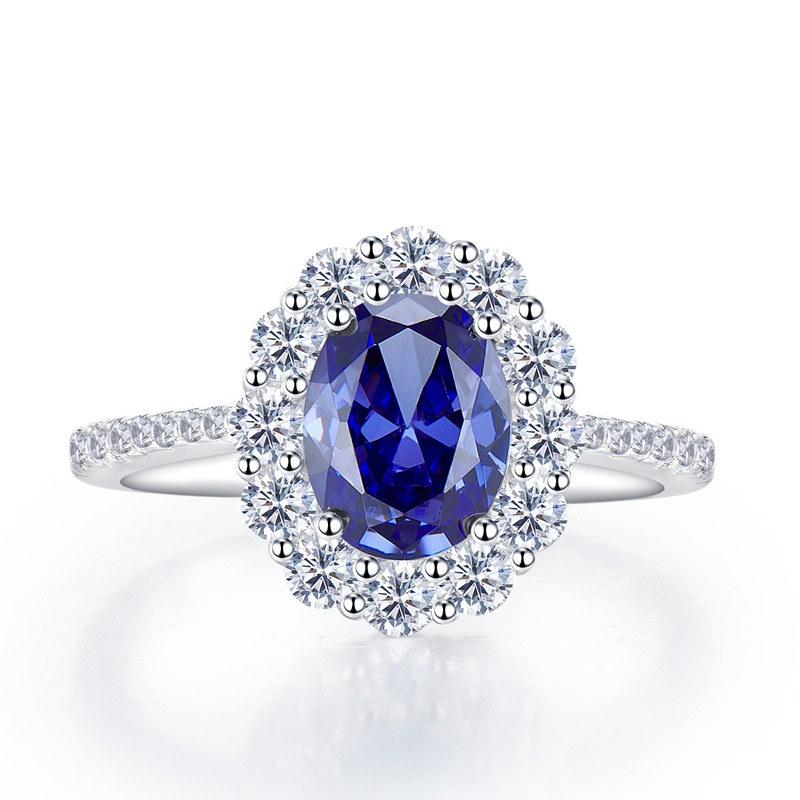
How to Pick the Best Bridal Jewelry Metal for Sensitive Skin
Finding the right Bridal Jewelry Metal for sensitive skin can feel harder than choosing the style itself. A ring or pair of earrings may look perfect in the box, then leave your skin red and itchy by the end of the night. Weddings are long, emotional, and warm. That mix can make even mild skin sensitivity show up fast.
The good news? You can lower the risk with the right metal choice. The best bridal jewelry metal for sensitive skin depends on metal purity, alloy content, plating, and how long the piece sits on your skin. Price alone won't tell you much.
Brides with reactive skin usually do best when they focus on two things first: nickel exposure and wear time. A necklace worn for two hours may be fine. Earrings, rings, and bracelets worn for 10 to 12 hours are a different story.
You'll find out which metals tend to be safer, why some bridal pieces trigger reactions, and how to shop with more confidence.
Why Skin Reacts to Some Bridal Jewelry Metals
Most jewelry reactions fall under contact dermatitis. That means your skin gets inflamed after touching something. In bridal jewelry, the trigger is often the metal itself, but not always.
There are two common types:
- Allergic contact dermatitis: your immune system reacts to a substance, most often nickel.
- Irritant contact dermatitis: your skin gets upset from friction, sweat, soap residue, perfume, or trapped moisture.
The symptoms can look similar. You may see redness, itching, dry patches, flaking, or swelling. That's why choosing a bridal jewelry metal for sensitive skin starts with figuring out whether you react to a specific metal or to the conditions around it.
The American Academy of Dermatology identifies nickel as one of the most common causes of allergic contact dermatitis. That matters for jewelry shoppers because nickel can show up in alloys or under plating. A piece can look luxurious and still bother your skin.
Wear time matters too. Rings trap hand lotion and water. Earrings stay in through styling, photos, dinner, and dancing. Bracelet links rub with every movement. Add stress and heat, and irritation can get worse. Ever worn a ring all day and wondered why it suddenly felt tight and itchy? That's more common than most people expect.
Common Allergens in Wedding Jewelry
Nickel is still the top concern for most people Shopping for Bridal jewelry metal for sensitive skin. Even tiny amounts can trigger a rash in someone with a true nickel allergy. That's why nickel-free bridal jewelry gets so much attention.
Cobalt can also cause reactions, though it's discussed less often. Copper-heavy blends may bother some wearers too, especially in rose gold or lower-cost mixed-metal pieces. If the brand doesn't clearly list the alloy, be careful.
Plated jewelry needs extra scrutiny. A rhodium or gold surface may feel fine at first. Over time, friction can wear that layer down and expose the metal beneath. That risk is highest with rings, earring posts, clasps, and bracelet links.
Allergy or Simple Irritation?
A true allergy often shows up the same way each time. You wear the piece, then the same spot gets itchy, red, and flaky. The reaction may even appear hours later.
Irritation is usually more situational. A snug ring on a hot day may trap sweat and soap, then leave the skin sore. In that case, the fit or moisture may be the real issue, not the metal.
Watch for these patterns:
- Possible allergy: repeat rashes, delayed itching, cracked skin, reactions to several pieces
- Possible irritation: discomfort after sweating, tight marks, lotion buildup, quick relief after cleaning and drying the area
If you get frequent reactions, patch testing with a dermatologist is the clearest next step.
Best Bridal Jewelry Metal for Sensitive Skin: Top Options Compared
If you're comparing bridal jewelry metal for sensitive skin, start with metals that have a strong track record for low reactivity. Not every option works for every person, but some are clearly safer bets.
| Metal | Sensitivity Reputation | Durability | Bridal Style Appeal | Main Watch-Out |
|---|---|---|---|---|
| Platinum | Excellent | Excellent | Excellent | Higher cost, heavier feel |
| 18K Yellow Gold | Very good if nickel-free | Very good | Excellent | Alloy mix varies |
| 14K Yellow Gold | Good if nickel-free | Excellent | Excellent | More alloy content |
| Palladium | Very good | Very good | Elegant, subtle | Less common |
| Titanium | Excellent for many wearers | Excellent | Modern | Hard to resize |
| Sterling Silver | Fair to good | Moderate | Classic | Tarnish, alloy quality varies |
| White Gold | Variable | Very good | Excellent | May contain nickel |
| Rose Gold | Variable | Very good | Romantic | Copper-heavy blend may irritate |
A few quick takeaways help:
- Best overall: platinum
- Best classic alternative: nickel-free 18K or 14K yellow gold
- Best for very reactive skin: palladium or titanium
- Best lower-cost option with caution: quality sterling silver
The word "hypoallergenic" can help, but it isn't a guarantee. One brand may use it for nickel-free earrings. Another may use it for a plated piece with limited wear life. Ask for exact metal details every time.
Many shoppers assume the visible metal is the whole story. It isn't. Posts, backs, clasps, solder, and jump rings matter just as much.
Platinum: The Safest Premium Choice for Many Brides
Platinum is often the first recommendation for bridal jewelry metal for sensitive skin. Fine jewelry platinum is usually 95% pure, which is much higher than most gold alloys used in everyday bridal pieces. That high purity helps explain its strong reputation.
It also holds up well over time. Platinum is dense, secure for prongs, and ideal for rings you'll wear daily. If you want a piece with long life and low risk, it's hard to beat.
There are tradeoffs:
- It usually costs more than gold
- It feels heavier on the hand or wrist
- It develops a soft patina over time
For daily-wear rings and studs, platinum is often worth the premium.
Gold Wedding Jewelry for Sensitive Skin
Gold can be an excellent bridal jewelry metal for sensitive skin, but the alloy decides a lot. Pure gold is 24K, though it's too soft for most wedding jewelry. So jewelers mix it with other metals for strength.
That means karat affects skin exposure:
- 18K gold: 75% pure gold
- 14K gold: 58.3% pure gold
- 10K gold: 41.7% pure gold
Higher karat usually means less alloy content. For many people, 18K yellow gold is the safer gold option. Still, 14K yellow gold can work very well if the alloy is nickel-free.
Color matters too.
Yellow gold: Often a smart choice because it can be made with safer alloy blends for sensitive wearers.
White gold: This option needs close review. Some white gold alloys use nickel. Many pieces also have rhodium plating, which looks bright and white but can wear down with time.
Rose gold: Rose gold gets its color from copper. Some people wear it with no issue. Others find copper-rich blends less comfortable.
If you're shopping for rings or wedding bands, compare alloy details carefully while you explore our engagement rings or browse our full jewelry collection.
Alternative Metals for Highly Reactive Skin
Some brides need an option outside the usual platinum-versus-gold debate. Palladium and titanium are both worth a look.
Palladium belongs to the same family as platinum. It has a naturally white look, a lighter feel, and a good reputation with sensitive skin.
Titanium is lightweight, strong, and often well tolerated. It works especially well for wedding bands and clean, modern styles. The main downside is resizing. Many titanium rings can't be resized easily.
These metals make the most sense for:
- Wedding bands
- Minimal bridal jewelry
- Backup pieces for very reactive skin
- Confirmed nickel sensitivity
How to Shop for Sensitive Skin Wedding Jewelry
Shopping for Bridal jewelry metal for sensitive skin means reading beyond the headline. "Gold" doesn't tell you enough. "Hypoallergenic" doesn't tell you enough either.
Check the product details for:
- Metal purity, such as 14K, 18K, or platinum 950
- Whether the piece is solid, plated, or filled
- Nickel-free alloy notes
- Rhodium plating details
- Information on posts, backs, clasps, prongs, and jump rings
- Repair and resizing details
Those small parts are easy to miss, but they often cause the problem. An earring may be described as gold while the post is made from something else entirely.
The Gemological Institute of America, or GIA, stresses the value of understanding metal composition and quality markings when buying fine jewelry. That's useful advice for anyone with skin concerns. Clear specs beat vague marketing every time.
In the EU, nickel release rules for jewelry have existed for years to limit exposure from items that touch the skin. That matters because release, not just content, affects how your skin reacts.
Questions to Ask Before You Buy
Ask direct questions, especially for rings and earrings:
- Is this piece solid metal, plated, or gold-filled?
- Is the alloy nickel-free?
- What metal are the earring posts and backs made from?
- What base metal sits under the plating?
- If the ring is resized, what solder will be used?
- Are the clasp and jump rings made from the same alloy?
- Can you send the metal specs in writing?
If a seller can't answer clearly, move on. That usually tells you what you need to know.
For custom styles, metal choice matters from the start. If you're designing a ring from scratch, use our ring builder to compare setting options and think through metal choices before you commit.
Why Plated Bridal Jewelry Can Be Risky
Plating can create a safe-feeling surface at first. The problem is wear. Soap, friction, sweat, and skin oils slowly thin that top layer.
That makes plated pieces riskier for high-contact bridal items such as:
- Rings
- Earring posts
- Bracelets
- Necklace clasps
For short-wear accessories, plating may be fine. For all-day wedding comfort, solid metal is usually the smarter choice.
Wedding-Day Tips for Comfortable Wear
Even the best bridal jewelry metal for sensitive skin can cause trouble if the fit is wrong or products build up underneath. A few simple habits can save you a lot of stress.
Test-wear each piece before the wedding. Not for five minutes. Wear it for several hours on a regular day so you can catch delayed itching, pinching, or rubbing.
Keep skin clean and dry before putting jewelry on. Let lotion, sunscreen, and fragrance absorb first. Try not to spray perfume directly where a necklace or bracelet will sit.
Focus your best metal choices on the pieces with the most contact:
- Rings: all-day wear, frequent moisture exposure
- Earrings: direct contact with pierced skin
- Bracelets: constant movement and rubbing
- Necklaces: often lower risk if the chain and clasp are safe
If your budget is limited, put the most skin-safe metal into earrings and rings first.
A small emergency kit helps too:
- Backup studs in a safer metal
- A soft cloth or unscented wipe
- A small bag for removed jewelry
- A soothing product approved by your dermatologist
- Mild hand cream for areas away from jewelry
Building a Bridal Set That Won't Irritate Skin
You don't need every piece to be identical. You need a set that looks cohesive and feels wearable.
Start with the pieces that matter most:
- Wedding band or engagement ring
- Earrings
- Necklace
- Bracelet
A platinum ring can pair beautifully with a white metal necklace. Yellow gold bands can still work with diamond earrings. If you're also comparing center stones, it helps to learn about diamond options before finalizing the full look.
Test the full set together before the wedding day. Sometimes a necklace feels fine on its own but becomes irritating after makeup, body products, and heat enter the picture.
Common Mistakes Brides Make With Sensitive Skin Jewelry
One of the biggest mistakes is assuming all gold is safe. Gold color and karat matter, but alloy matters more.
Another mistake is trusting price as proof. Expensive jewelry can still contain metals that don't suit your skin.
A third issue is ignoring the small parts. The ring may be platinum, but what about the solder from a resize? The earrings may look gold, but are the posts nickel-free?
Avoid these mistakes:
- Buying jewelry with vague metal details
- Trusting "hypoallergenic" without asking follow-up questions
- Assuming rhodium plating solves a nickel problem forever
- Wearing new earrings for the first time on the wedding day
- Forgetting to retest resized or repaired jewelry
- Overlooking sweat, friction, and product buildup as irritants
Choosing the Right Bridal Jewelry Metal for Sensitive Skin
Choosing bridal jewelry metal for sensitive skin gets easier once you know what to ask. Start with your reaction history. If nickel has caused trouble before, make alloy disclosure a must.
For many brides, platinum is the safest premium option because it's commonly 95% pure and very stable. Nickel-free 18K or 14K yellow gold can also be an excellent fit. Palladium and titanium work well for some highly reactive wearers, while sterling silver can be a reasonable budget option if the alloy is clear and the piece is well made.
The best bridal jewelry metal for sensitive skin is the one that balances beauty, comfort, and real-life wear. Test pieces early. Read the specs. Ask direct questions. If you'd like help narrowing down options, contact StoneBridge Jewelry and we'll help you compare skin-friendly wedding jewelry with confidence.
FAQ
What is the best bridal jewelry metal for sensitive skin?
Platinum is usually the top choice because it is commonly 95% pure and has a strong reputation for low reactivity. For brides who want gold, nickel-free 18K or 14K yellow gold is often a solid option. If you're shopping for bridal jewelry metal for sensitive skin, always ask for alloy details instead of relying on appearance alone.
Can I wear white gold bridal jewelry if I have a nickel allergy?
You can, but only if the jeweler confirms the white gold alloy is nickel-free. Some white gold contains nickel, and rhodium plating may only delay contact with the metal underneath. Ask for written metal specifications and check what materials would be used for future repairs or resizing.
Is platinum better than gold for wedding jewelry if I have sensitive skin?
For many people, yes. Platinum has a stronger hypoallergenic reputation because of its high purity and stable composition. Gold can still be a great bridal jewelry metal for sensitive skin if it is higher karat and made with a nickel-free alloy.
How can I tell if bridal earrings will irritate my sensitive skin?
Start with the parts that touch you most: the post and the backing. Ask whether the earrings are solid metal or plated, and find out what sits under any decorative finish. Test-wear the earrings for several hours well before the wedding so you have time to switch styles if needed.
Are sterling silver bridal jewelry pieces safe for sensitive skin?
They can be, especially if the piece is high quality and the alloy is clearly disclosed. Sterling silver is usually 92.5% silver and 7.5% other metals, often copper, but construction still varies by maker. If your skin reacts easily, platinum or nickel-free gold may be a safer choice for long wedding wear.
Ready to Find Your Perfect Diamond?
Explore our collection of certified lab-grown diamonds
Shop Diamonds