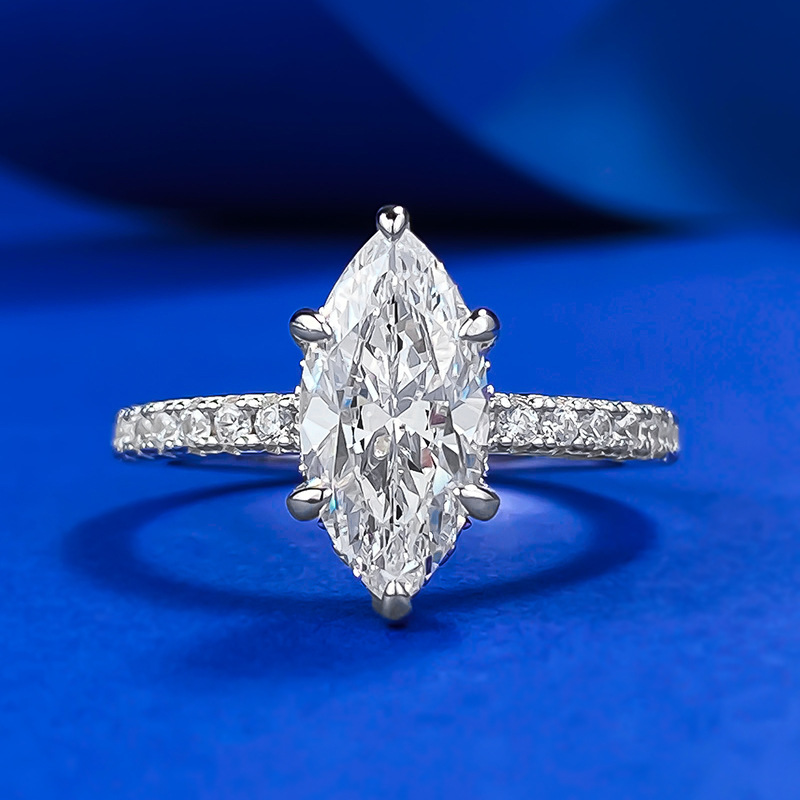
How to Clean Your Diamond Jewelry at Home: Safe Steps and Care Tips
Learning how to Clean Your Diamond Jewelry at home keeps rings, earrings, necklaces, and bracelets looking bright without risking the setting. Skin oils, lotion, soap film, dust, and everyday grime can make even a well-cut diamond look dull. A gentle routine with mild soap, lukewarm water, a soft brush, and a careful inspection usually restores the shine.
If a ring or pendant looks cloudy, the diamond may be fine. Residue often builds up on the stone and underneath the setting, where it blocks light and mutes sparkle. A simple cleaning routine also gives you a chance to spot loose prongs, worn clasps, or other issues before they turn into costly repairs.
You do not need harsh chemicals or specialty products for most pieces. A steady method, a few basic tools, and a little patience are enough for safe diamond cleaning at home.
Why Diamond Jewelry Loses Its Shine
Diamond is extremely hard, but the metal around it is not. Gold, platinum, and rhodium plating can scratch, wear, or dull long before the stone itself changes. That is why a ring can look tired even when the diamond is still in excellent condition.
Daily wear leaves a thin film across the surface. Hand lotion, sunscreen, makeup, sweat, dust, and soap residue cling to the diamond and collect under the setting. Rings worn every day can pick up enough buildup in a week or two to noticeably reduce sparkle.
While you clean, check the setting too. A dirty diamond looks dull, but a loose stone is a repair issue. If you see a bent prong, a gap in the bezel, or any movement in the stone, stop and bring it to a jeweler.
What You Need Before You Start
Gather a few simple items before you begin. Most diamond jewelry only needs a mild, gentle approach.
- Mild dish soap with no bleach or heavy degreasers
- Lukewarm water
- A small bowl
- A soft toothbrush or makeup brush
- A lint-free towel
- A polishing cloth
- A clean tray or towel for drying
Avoid anything abrasive. Toothpaste, baking soda, powdered cleaners, bleach, acetone, and very hot water can scratch metal or stress delicate settings. Paper towels can also leave fine scratches on polished surfaces.
Safe Soap and Water
A few drops of mild soap in lukewarm water is enough for most diamond jewelry. The water should feel warm, not hot. Too much soap can leave a film behind, so keep the mixture light.
Skip These Cleaners
Stay away from harsh sprays and gritty pastes. They can dull gold and platinum and may damage plated finishes. Ultrasonic cleaners can work for some pieces, but they are not safe for every ring or pendant.
How to Clean Your Diamond Jewelry at Home, Step by Step
The safest way to Clean Your Diamond Jewelry at home is to follow the same routine each time: inspect, soak, brush, rinse, dry, and inspect again. That sequence removes residue without putting extra stress on the setting. It is also faster than most people expect.
- Inspect the piece under bright light.
- Mix lukewarm water with a few drops of mild dish soap.
- Soak the jewelry for 10 to 20 minutes.
- Brush gently around the stone and setting.
- Rinse in clean lukewarm water.
- Dry with a lint-free towel and let it air-dry fully.
- Check the setting once more.
Start with the inspection. Look for bent prongs, loose stones, worn clasps, and buildup under the stone. If the piece catches on fabric or the center stone wobbles, pause before cleaning it.
Next, let the jewelry soak. Ten to 20 minutes is enough for most pieces. Longer soaking rarely helps and can create extra risk for older repairs, glued components, or fragile antique settings.
Use a soft brush with light pressure. Short strokes work better than hard scrubbing. Focus on the underside of the stone, the gallery, the prongs, and the clasp if you are cleaning a necklace or bracelet.
Rinse the piece carefully. A small strainer or a bowl under the tap helps prevent losses in the sink. Never rinse jewelry over an open drain without a stopper in place.
Pat the piece dry and let it finish drying on a clean towel. A polishing cloth can bring back shine on the metal once the jewelry is fully dry. Avoid rubbing hard while the piece is wet.
For most owners, this is the safest way to Clean Your Diamond Jewelry at home. It is gentle, low cost, and easy to repeat.
Check the Setting After Cleaning
Once the piece is dry, inspect it again under a bright lamp. Prongs should look even, and the stone should sit still. If it moves when you tap the setting lightly, the jewelry needs professional attention.
Pay close attention to these areas:
- Prongs for thinning or bending
- Bezels for gaps or dents
- Clasps for secure closure
- Links for wear or stretching
- Pavé stones for missing accents
Cloudiness that remains after careful rinsing can point to hard-water spots, trapped residue, or a mounting problem. If the ring still looks dull after cleaning, a jeweler should inspect it.
How to Clean Your Diamond Jewelry at Home by Type
The base method stays the same, but the details change a little by style. A simple solitaire is easier to manage than a detailed pavé band.
| Jewelry type | Buildup hot spots | Care level |
|---|---|---|
| Engagement rings | Under-gallery, prongs, shoulders | High |
| Earrings | Posts, backs, settings | Medium |
| Necklaces | Clasps, chain links, pendants | Medium |
| Bracelets | Links, clasps, underside | Medium to high |
| Pavé or halo settings | Tiny stone seats, seams | High |
| Vintage or antique pieces | Older prongs, worn mountings | High |
Diamond Rings and Engagement Rings
Engagement rings need the most attention because they are worn all day. Lotion, hand soap, cooking residue, and dust collect quickly. If you want to learn how to clean your diamond jewelry at home without overdoing it, start with the ring you wear most often.
The under-gallery and prongs trap buildup better than any flat surface. A quick weekly check is smart, especially for daily-wear pieces. That is one of the simplest parts of ring maintenance.
Earrings, Necklaces, and Bracelets
Earrings usually need attention around posts and backs. Necklaces collect residue on chains and clasps. Bracelets pick up oils from wrists and can trap grit in the links.
Drying matters here. Water spots show up faster on polished metal than on a diamond. A clean, dry cloth helps with jewelry care and supports tarnish prevention on the surrounding metal.
Care Habits That Keep Diamonds Brighter Longer
A good cleaning routine is only part of jewelry care. Daily habits keep residue from building up in the first place. The less grime that lands on the piece, the less often you need deep cleaning.
A quick wipe after wear saves time later. A soft polishing cloth can remove fresh oil before it hardens. That small step is one of the easiest parts of how to clean your diamond jewelry at home.
Use these habits to protect your jewelry:
- Remove pieces before workouts
- Take them off before swimming
- Skip wearing them while gardening or cleaning
- Put them on after lotion, perfume, and sunscreen absorb
- Wipe them down before storage
Storage matters just as much. Keep each piece in a separate pouch or lined compartment so diamonds do not scratch other jewelry and chains do not knot. Dry storage also helps with tarnish prevention on nearby metals.
Smart Storage and Tarnish Prevention
Moisture, perfume, hairspray, and chlorine can affect metal finishes over time. A bedroom drawer is a better choice than a humid bathroom shelf. If you own several pieces, separate storage also makes it easier to inspect them quickly.
What To Consider When Buying Diamond Jewelry
Cleaning is easier when the piece is well made. If you are shopping for a new ring, pendant, or pair of studs, the way a piece is built affects both sparkle and maintenance. A cleaner, sturdier design usually needs less effort to keep bright over time.
Start with the diamond itself. The 4Cs still matter, but for everyday wear, cut is usually the most visible factor. A well-cut round brilliant with a good or excellent cut grade will usually return more light than a larger stone with weak proportions. Color and clarity can often be balanced more flexibly if the cut is strong. In practical terms, many buyers focus first on cut, then choose a color in the near-colorless range and a clarity grade that is eye-clean.
For certification, reputable grading reports from GIA, AGS, or IGI help you compare stones consistently. A grading report is not a guarantee of beauty, but it gives you a baseline for color, clarity, measurements, and carat weight. That matters when you are comparing prices across different sellers.
Typical pricing varies widely by carat size, shape, and setting. A simple lab-grown diamond solitaire can start around the low four figures, while a natural-diamond engagement ring often moves into the mid four figures and up depending on size and quality. Small diamond studs or pendants may fall anywhere from a few hundred dollars to several thousand. The metal, setting complexity, and brand markup can change the final number almost as much as the center stone.
Metal Choices and Maintenance
The metal you choose affects both look and upkeep. 14k gold is durable and often better for daily wear because it resists bending more than softer alloys. 18k gold has a richer color and is popular for yellow and rose gold settings, but it is softer than 14k. Platinum is dense and durable, with a natural white color that does not need rhodium plating, though it can develop a soft patina over time. White gold is bright and popular, but it usually needs periodic rhodium replating to stay crisp and white.
For home cleaning, platinum and 14k gold are generally forgiving. White gold looks best when you keep up with routine cleaning and occasional professional maintenance. If you prefer the least maintenance, choose a sturdy setting in platinum or 14k gold rather than a highly detailed finish that traps grime.
Setting Tradeoffs
The setting changes how easy the piece is to clean. Prong settings expose more of the diamond to light, which often boosts brilliance, but they also leave more open spaces where debris collects. Bezel settings wrap metal around the stone, which can be more secure and easier to wipe clean, though they sometimes hide a bit of the diamond’s edge and slightly reduce light return. Pavé and halo settings create extra sparkle, but all those small stones and tight seams need more frequent attention.
If a piece will be worn every day, choose a design that matches the wearer’s routine. A low-profile solitaire is usually easier to maintain than a high-set halo ring. For active lifestyles, a bezel or semi-bezel can be a smart tradeoff. For special-occasion pieces, the extra detail of pavé may be worth the additional cleaning.
Sizing and Comfort
Size matters for comfort and for care. A Ring That Fits too tightly traps soap and lotion underneath, while a loose ring spins and catches on clothing. If you are between sizes, ask whether the design can be resized before buying. Some eternity bands, tension settings, and heavily patterned shanks are difficult or impossible to resize cleanly.
For bracelets and necklaces, clasp style also matters. Lobster clasps and box clasps are common because they are secure, but they should still close cleanly and be checked regularly. A chain that is too fine for the pendant can stretch or kink, which complicates cleaning and shortens the life of the piece.
Shipping, Returns, and Inspection Windows
Buying online is common, but the return policy deserves as much attention as the price. A strong return window gives you time to inspect the piece under daylight and indoor light, compare it to the product images, and confirm that the setting feels secure. Look for clear terms on return shipping, insurance, restocking fees, and whether custom or engraved pieces are final sale.
Shipping should include tracking and insurance, especially for higher-value items. If the seller offers expedited shipping, ask how the package is protected and whether a signature is required on delivery. Once it arrives, inspect the piece before removing tags or wearing it. Check the prongs, clasp, finish, and certificate details against the order confirmation.
A good purchase process gives you confidence before the piece ever needs cleaning. If the seller is transparent about certification, setting construction, and return terms, the jewelry is usually easier to live with long term.
Common Mistakes to Avoid
The biggest mistake is scrubbing like you are cleaning cookware. That kind of pressure can bend prongs and wear down polished edges. Gentle care works better and lasts longer.
Avoid these habits:
- Scrubbing with hard pressure
- Soaking too long in any solution
- Using bleach or acetone
- Using toothpaste or baking soda
- Cleaning over an open sink
- Assuming every ultrasonic cleaner is safe
- Ignoring loose stones after cleaning
Ultrasonic cleaning deserves special caution. These machines vibrate at roughly 20,000 to 40,000 cycles per second, which can shake loose stones in a weak setting. Use one only if a jeweler says the piece is a good candidate.
Another common mistake is treating every diamond the same. Fracture-filled stones, antique settings, mixed gems, and repaired pieces may need a different approach. If you are unsure, ask before you clean your diamond jewelry at home.
When Professional Cleaning Is the Better Choice
Professional cleaning makes sense when the piece still looks dull after a careful rinse or when you see damage. Loose stones, worn prongs, bent clasps, and fragile pavé settings all belong in a jeweler's hands. Shine and structure are tied together, so inspection matters as much as cleaning.
Professional care also helps with pieces that have been repaired before. Older mountings can react differently to water or brushing. An expert can clean the piece, tighten the setting, and tell you whether further repair is needed.
For shoppers, ease of care can be part of the buying decision. A simpler setting is usually easier to maintain. If you are comparing styles, browse our diamond collection, explore engagement rings, or use our ring builder to choose a setting that fits your routine.
If you have already tried to clean your diamond jewelry at home and the piece still looks dull, stop there. That usually means a trained eye will help more than another soak.
Keep the Routine Simple
The best routine is the one you can repeat. Mild soap, lukewarm water, a soft brush, and a careful inspection are enough for most pieces. When you clean diamond jewelry at home this way, you protect the sparkle and the setting at the same time.
Consistency goes a long way. Wipe pieces after wear, store them separately, and ask for professional cleaning when the setting looks weak. That keeps favorite jewelry ready to wear without guesswork.
FAQ
How often should I clean my diamond jewelry at home?
For pieces worn daily, a light clean every 1 to 2 weeks usually keeps buildup under control. If you wear lotion, sunscreen, or hand soap often, you may need a quick wipe sooner. A regular routine for how to clean your diamond jewelry at home keeps the stone bright and makes deeper cleaning easier later.
Can I use dish soap to clean diamond jewelry?
Yes. Mild dish soap and lukewarm water are among the safest options for diamond cleaning at home. Avoid detergents with bleach or heavy degreasers, and rinse well so no film stays behind. If the setting is delicate, use a very soft brush and light pressure.
Is ultrasonic cleaning safe for diamond jewelry?
Sometimes, but not always. It can be fine for a sturdy piece with tight stones, yet it can loosen settings that already show wear. Before you use one, ask a jeweler whether your piece is a safe candidate for diamond cleaning. That matters most for antique, pavé, and repaired jewelry.
Why does my diamond look cloudy after cleaning?
Cloudiness usually comes from leftover soap film, hard-water spots, or grime trapped under the setting. A second rinse with clean lukewarm water often helps. If the stone still looks dull after you clean your diamond jewelry at home, the issue may be the mounting rather than the diamond.
Can I clean diamond jewelry with toothpaste or baking soda?
It is better not to. Both can scratch metal and leave fine marks on polished surfaces. Mild soap is safer, easier to rinse, and better for regular jewelry care. If a piece needs more than that, ask for professional cleaning.
Ready to Find Your Perfect Diamond?
Explore our collection of certified lab-grown diamonds
Shop Diamonds