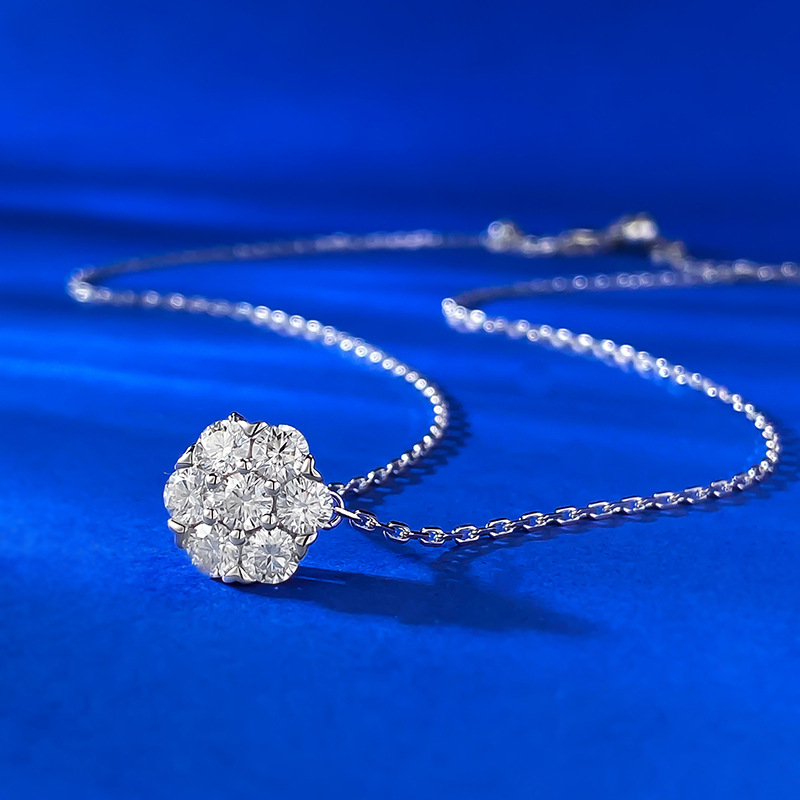
How to Clean a Solitaire Pendant Without Damage
A solitaire pendant can look dull faster than most people expect. Lotion, soap film, sunscreen, skin oils, and dust settle behind the stone and around the setting. The result is a pendant that looks cloudy instead of bright.
If you want to clean a solitaire pendant without damage, the goal is simple: remove buildup without hurting the stone, prongs, bail, chain, or metal finish. Done right, a quick cleaning brings back sparkle and gives you a chance to catch wear before it turns into a repair.
Most pendants don’t need harsh products at all. They need a gentle routine, a soft brush, and a careful set of hands.
Why gentle cleaning matters for a solitaire pendant
A solitaire pendant puts all the attention on one stone. That makes any film or grime easy to spot. Even a thin layer of residue under the diamond can reduce light return and make a well-cut stone look sleepy.
There’s also a practical reason to clean solitaire pendant jewelry with care. Fine jewelry has several small parts working together, and each one matters.
- The center stone needs a clean surface to reflect light.
- The setting must stay secure.
- The bail carries the pendant on the chain.
- The chain and clasp handle daily movement and friction.
- The metal finish can scratch if you use rough tools.
A diamond scores 10 on the Mohs hardness scale, but that doesn’t make the whole pendant indestructible. Prongs can bend. Clasps can weaken. Fine chain links can thin out over time.
That’s why it helps to clean a solitaire pendant without damage on a regular schedule. It keeps the piece looking better and helps you notice trouble early.
What makes a solitaire pendant more delicate than it seems
From across the room, a solitaire pendant looks simple. Up close, it’s a small piece of engineering. There’s the stone, the setting, the bail, the chain, and the clasp. Each area can collect residue or show wear.
The underside of the setting is usually the dirtiest spot. Creams, body oils, and soap move into the small openings behind the stone. In a prong setting, buildup gathers near the base of the prongs and under the pavilion. In a bezel, grime often sits along the inner rim.
Metal type matters too. Gold is durable, but it can still scratch. White gold may have rhodium plating, which can wear down with rough cleaning. Platinum is dense and secure, though it can still show surface marks.
Natural and lab-grown diamonds clean the same way in most cases. GIA and IGI both classify lab-grown diamonds as real diamonds with the same essential physical and optical properties as mined diamonds. The bigger concern is usually the mounting, not the stone itself.
If you're comparing everyday diamond pieces, you can shop lab-grown diamonds or browse our jewelry collection to see how solitaire pendants are commonly set.
When it’s safe to clean a solitaire pendant at home
Home cleaning is usually safe for a modern Diamond Solitaire Pendant in good condition. If the stone feels secure, the chain is intact, and the piece has no accent gems, enamel, or pearls, a mild soap-and-water method is often the best choice.
Not every pendant belongs in a home cleaning bowl. Stop and get professional help if you notice any of these signs:
- The stone shifts or rattles
- A prong looks bent, thin, or uneven
- The bail has a gap
- The chain looks kinked or worn
- The pendant is antique or vintage
- The piece has mixed gemstones or delicate details
Our customers often ask if a dull pendant just needs “a good scrub.” Usually, it doesn’t. If the setting is loose, more force only raises the risk.
Quick pre-clean check
Before you start, inspect the pendant under bright light. A phone flashlight works well if you don’t have a loupe.
Check the prongs, the bail, the clasp, and the spots where the chain bends most. Gently touch the stone. If it clicks, shifts, or sits unevenly, skip home care and contact a jeweler.
If you need guidance, you can contact our jewelry experts or read more care advice on our jewelry blog.
What you need to clean a solitaire pendant without damage
Good prep makes the job easier. It also makes it safer.
Gather these supplies before you begin:
- Lukewarm water
- A few drops of mild dish soap
- A small smooth bowl
- A microfiber or lint-free cloth
- A very soft baby toothbrush or jewelry brush
- A soft towel for your work surface
- A sink stopper if you’re near a drain
Choose a simple dish soap without bleach, exfoliating particles, heavy moisturizers, or strong degreasers. A mild formula is enough for normal buildup.
Skip common shortcuts that can scratch or stress the piece:
- Toothpaste
- Baking soda paste
- Bleach
- Acetone
- Boiling water
- Paper towels
- Rough cloths
- Stiff brushes
Want the safest setup? Work at a table instead of over an open sink. Lay down a towel first so the pendant has a soft landing if it slips.
Step-by-step: how to clean a solitaire pendant without damage at home
The best way to clean a solitaire pendant without damage is to use very little force. You’re loosening residue, not polishing a pan.
Step 1: Mix a mild cleaning solution
Fill a small bowl with lukewarm water. Add two or three drops of mild dish soap and swirl the water gently.
Don’t use hot water. That matters even more if the pendant has older repairs, delicate solder points, or materials beyond diamond and precious metal.
Step 2: Soak the pendant briefly
Place the pendant in the bowl and let it soak for 10 to 15 minutes. That’s usually long enough to soften oils, soap film, and lotion residue.
Keep the whole chain inside the bowl so it doesn’t pull or tangle. If the pendant is still very dirty after soaking, repeat the soak later instead of scrubbing harder.
Step 3: Brush the setting with a very light hand
Lift the pendant out and hold it over the bowl or a towel-covered surface. Use a very soft brush to clean the setting with short, gentle strokes.
Focus on these areas:
- Behind the stone
- Around the prongs
- Along the inner edge of a bezel
- Around the bail
- Near the clasp if you see buildup
Don’t press hard. Don’t pry at prongs. Don’t tug the chain while brushing the pendant head.
Most of the cloudiness sits on the underside of the stone. Clean that area carefully and you’ll usually see the biggest difference.
Step 4: Rinse with control
Rinse the pendant with clean lukewarm water. Never hold it over an open drain.
If you want more control, use a second bowl of clean water instead of running water. Swish the pendant gently to remove soap.
Step 5: Dry and inspect
Pat the pendant dry with a microfiber cloth. Then let it air dry for a few minutes so any hidden moisture near the bail, clasp, or setting can evaporate.
Finish with a close look. Check for restored sparkle, trapped moisture, bent prongs, or chain wear you may not have seen before cleaning.
Safe and risky cleaning methods compared
Here’s a quick reference if you’re deciding how to clean a solitaire pendant without damage.
| Method | Safe for most modern diamond solitaire pendants? | Why |
|---|---|---|
| Lukewarm water + mild dish soap | Yes | Gentle on the setting, chain, and metal |
| Extra-soft toothbrush | Yes | Helps lift residue from small spaces |
| Microfiber cloth | Yes | Low risk of scratches or lint |
| Ultrasonic cleaner | Sometimes | Only if a jeweler confirms the piece is suitable |
| Toothpaste | No | Abrasive and likely to scratch metal |
| Baking soda scrub | No | Can leave micro-scratches on finishes |
| Bleach or harsh chemicals | No | May weaken metal parts or harm finishes |
| Boiling water | No | Adds risk without adding benefit |
How often should you clean a solitaire pendant?
Your cleaning schedule depends on wear. A pendant worn every day will need attention more often than one saved for special occasions.
A practical rhythm looks like this:
- Daily wear: every 2 to 3 weeks
- Occasional wear: every 4 to 6 weeks
- Heavy product exposure: wipe down between full cleanings
If the stone looks cloudy in normal indoor light, that’s your cue. A quick wipe can help, but it won’t remove buildup packed behind the setting.
Habits that help your pendant stay cleaner longer
Want to cut down on deep cleaning? Small habits make a big difference.
- Wipe the pendant with a clean microfiber cloth after wearing it.
- Put jewelry on last after perfume, hairspray, and skincare.
- Take it off before swimming, cleaning, or working out.
- Store it separately so the chain doesn’t tangle or rub against harder pieces.
- Check the clasp and prongs every few weeks.
We’ve found that the “last on, first off” habit does more than people expect. It reduces product buildup and lowers the chance of accidental snags.
Storage and travel tips
Store the pendant in a soft-lined box, pouch, or separate compartment. Close the clasp before putting it away to help prevent knots.
For travel, use a necklace holder or a pouch with separation points. Fine chains can kink in transit, and repeated kinks can weaken links.
If you’re shopping for sturdy everyday styles, it helps to compare setting and chain details. You can browse our jewelry collection or explore diamond options for fine jewelry.
Common mistakes that can damage a solitaire pendant
Most damage happens when people try to rush the process. The pendant looks dull, so they grab the strongest cleaner in the house. That’s where problems start.
Avoid these mistakes:
- Scrubbing with toothpaste or baking soda
- Using bleach, acetone, or general household cleaners
- Rinsing over an open drain
- Using stiff brushes or rough paper products
- Boiling the pendant
- Cleaning a loose setting at home
- Over-cleaning with hard brushing every week
Ultrasonic cleaners deserve extra caution. They can work for some modern pieces, but vibration can make hidden problems worse. If the chain is delicate, a repair is old, or the setting has any weakness, ask a jeweler first.
The National Jeweler trade publication and many professional bench jewelers regularly stress inspection before aggressive cleaning methods. That advice lines up with what GIA teaches too: the diamond is tough, but the mounting still needs care.
Professional cleaning vs. home cleaning
So when should you hand it over to a jeweler instead of doing it yourself?
Professional cleaning is the better choice if your pendant has deep packed-in residue, a loose stone, older repairs, mixed materials, or vintage construction. A jeweler can also inspect prongs, solder joints, and clasp tension while cleaning the piece.
Many jewelers suggest routine inspections once or twice a year for jewelry worn often. For a daily-wear pendant, that’s a smart schedule. Small repairs caught early are usually far easier than replacing a lost stone.
If you’re evaluating a new pendant, design matters here too. A bezel often gives more edge protection than prongs, and a slightly heavier chain may hold up better for daily wear than an ultra-fine one. You can also explore engagement ring settings or build a custom look with our ring builder if you're comparing secure setting styles across categories.
E-E-A-T notes: trusted care facts that matter
A few facts help put pendant care in perspective:
- Diamonds rank 10 on the Mohs hardness scale.
- Daily-wear solitaire pendants often benefit from cleaning every 14 to 21 days.
- Occasional-wear pieces usually do well with cleaning every 28 to 42 days.
- GIA and IGI both recognize lab-grown diamonds as real diamonds with the same core properties as mined diamonds.
- Many jewelers recommend a professional inspection 1 to 2 times per year for frequently worn fine jewelry.
Those numbers aren’t just filler. They help you build a cleaning routine that protects both shine and security.
FAQ: clean solitaire pendant without damage
How do you clean a solitaire pendant without damage at home?
Use lukewarm water, a few drops of mild dish soap, and a very soft brush. Let the pendant soak for 10 to 15 minutes, then brush behind the stone and around the setting with a light touch. Rinse carefully away from an open drain, pat dry with a microfiber cloth, and let it finish air drying. If the stone shifts at all, stop and have a jeweler inspect it.
Can I use dish soap to clean a diamond solitaire pendant?
Yes, mild dish soap is usually one of the safest choices for a diamond pendant. Pick a simple formula without bleach, abrasives, or heavy moisturizers. Use only a few drops in lukewarm water and keep the brushing gentle.
How often should I clean my solitaire pendant to keep it sparkling?
If you wear it every day, clean it about every 2 to 3 weeks. For lighter wear, every 4 to 6 weeks is often enough. If you use sunscreen, perfume, or heavy skincare often, wipe the pendant more often between full cleanings.
Is an ultrasonic cleaner safe for a solitaire pendant?
Sometimes, but not by default. A modern pendant in excellent condition may be fine, but loose prongs, old repairs, and delicate chains can make ultrasonic cleaning risky. Ask a trusted jeweler before using one at home.
What should I avoid when trying to clean a solitaire pendant without damage?
Avoid toothpaste, baking soda, bleach, acetone, boiling water, rough cloths, stiff brushes, and open-drain rinsing. Those methods can scratch metal, stress the setting, or increase the chance of losing the piece. Mild soap, soft tools, and patience are the safer route.
Keep the sparkle, skip the risk
To clean a solitaire pendant without damage, stick with the basics: mild dish soap, lukewarm water, a soft brush, careful rinsing, and a microfiber cloth. It doesn’t take much force to remove normal buildup.
What matters most is control. Check the setting first, clean the underside gently, and avoid harsh shortcuts that can do more harm than good. Why risk a prong or a chain just to save a few minutes?
For most modern Diamond Solitaire Pendants, gentle home care works well. If the stone moves, the chain looks worn, or the pendant has vintage or mixed-material construction, professional service is the smarter choice.
If you're comparing everyday fine-jewelry styles, browse our jewelry collection, shop lab-grown diamonds, or read more expert care tips on our blog.
Ready to Find Your Perfect Diamond?
Explore our collection of certified lab-grown diamonds
Shop Diamonds