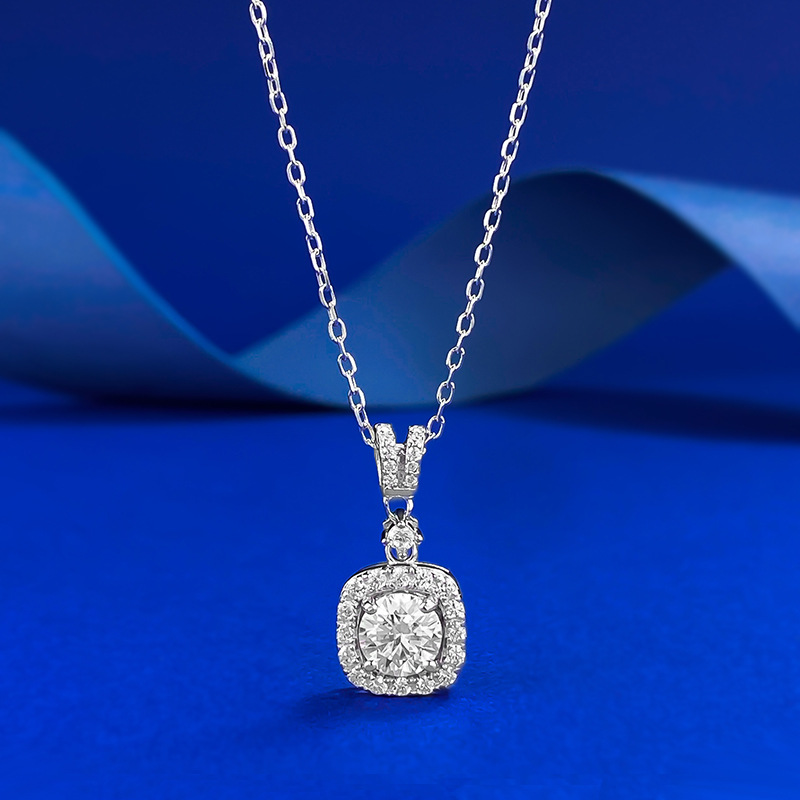
How to Clean a Diamond Tennis Necklace Safely
A Diamond Tennis Necklace should catch light from every angle, not look hazy from lotion, sunscreen, or everyday oils. The best way to clean diamond tennis necklace safely depends on three things: how often you wear it, how much residue sits behind the stones, and whether the clasp, links, or prongs show wear.
At StoneBridge Jewelry, we've found that most cleaning problems start with good intentions and the wrong tools. A stiff brush, a strong cleaner, or an open sink can turn a simple cleanup into a repair visit. The safer plan is simple: use gentle home care for routine shine and professional care for deeper cleaning and inspection.
Home cleaning keeps brilliance fresh between wears, while a professional inspection helps protect the structure that holds each diamond in place. Both belong in a smart care routine. If you are shopping for a tennis necklace, care should also be part of the buying decision. Diamond size, setting style, metal, clasp quality, and certification all affect how easy the necklace is to maintain over years of wear.
What Makes Tennis Necklace Cleaning Different
A tennis necklace isn't built like a pendant on a plain chain. It usually has dozens of diamonds set in a flexible line, with many prongs, shared settings, hinge points, and a clasp that carries real tension. That beauty is also why you need to clean Diamond Tennis Necklace safely instead of treating it like a basic chain.
Dirt collects where you can't always see it. Oils gather behind stones, makeup settles near prongs, and hair products can leave a dull film along the inside curve of the necklace. Because the piece rests against the neck, it often needs cleaning more often than earrings or special-occasion rings.
The Gemological Institute of America notes that diamond ranks 10 on the Mohs hardness scale, which means the stone itself resists scratching better than most gems. Still, that doesn't make the necklace indestructible. Gold, platinum, prongs, and clasps need a lighter touch.
The design also makes cleaning more detailed. A solitaire pendant may have one stone and one basket. A tennis necklace may have 80, 100, or more individual diamond stations, depending on length and carat weight. More settings mean more tiny places where residue can sit, and more points that should be checked before brushing or soaking.
The Main Cleaning Risks
The goal is to remove buildup without pulling on links, bending prongs, or loosening stones. A safe cleaning routine protects both sparkle and security.
Check these risk areas before you start:
- Prongs that feel sharp, bent, or uneven
- Stones that rattle when you move the necklace
- Links that kink instead of flexing smoothly
- A clasp that closes slowly or feels loose
- Cloudy residue that doesn't lift with a soft cloth
If you spot any of these signs, skip the sink-side routine and ask a jeweler to inspect the necklace first.
Also look at the underside of the necklace, not only the diamond-facing side. The inside curve touches skin, clothing, and cosmetics most often. That is where you may find compacted lotion, powder, or dark buildup around the gallery and link joints. If the buildup is thick enough that you feel tempted to scrape it, stop and use professional cleaning instead.
How to Clean Diamond Tennis Necklace Safely at Home
At-home cleaning works well when the necklace is in good condition. You don't need harsh chemicals or a fancy machine. Warm water, mild dish soap, a very soft brush, and a lint-free cloth are enough for routine care.
Use a bowl instead of an open sink. A tennis necklace can slip fast, and a drain is not forgiving. This one habit helps you clean Diamond Tennis Necklace safely without risking a lost or damaged piece.
Before you start, clear the area around you. Work on a towel-covered counter so the necklace has a soft landing if it slips from your fingers. Keep other jewelry away from the bowl, especially gemstone pieces that may need different care. Diamonds can scratch softer gems, and metal-on-metal contact can leave unnecessary marks.
Step-by-Step Home Method
- Check the necklace under bright light. Look for loose stones, bent prongs, snagging links, or a weak clasp.
- Fill a small bowl with warm water and add two or three drops of mild dish soap.
- Let the necklace soak for 5 to 10 minutes. Don't leave it sitting for an hour.
- Brush gently behind the diamonds, around the settings, and near the clasp with a very soft brush.
- Rinse in a second bowl of clean water rather than under a running faucet.
- Pat dry with a lint-free cloth, then let the necklace air dry fully before storing it.
After cleaning, inspect it again. If a stone looks tilted or the clasp doesn't snap closed, stop wearing the necklace until a jeweler checks it.
For the brush, choose a baby toothbrush, an extra-soft jewelry brush, or a clean makeup brush with very soft bristles. Brush from the back of the settings toward the diamonds, using small strokes instead of pushing sideways against the prongs. If the necklace has a hidden clasp or safety latch, open and close it only when the piece is dry so your fingers do not slip.
If your water is hard, use filtered water for the final rinse. Minerals in hard water can dry into faint spots, especially on high-polish white gold or platinum. After rinsing, lay the necklace flat on a clean microfiber cloth and turn it over once during drying so moisture does not sit in the underside of the links.
What Not to Use
Some common cleaning hacks are too rough for fine jewelry. Avoid bleach, chlorine, toothpaste, baking soda scrubs, abrasive powders, and ammonia-heavy cleaners. They can dull metal finishes, catch under prongs, or weaken delicate parts over time.
Use caution with ultrasonic cleaners. They can loosen stones if a prong is already weak. If you want to clean diamond tennis necklace Safely at Home, mild soap and warm water should be your first choice.
Do not use paper towels for vigorous rubbing. They may feel soft, but they can leave fibers around prongs and create fine marks on softer metals. Do not use pins, tweezers, toothpicks, or dental tools to dig under stones. If grime is packed into the setting that tightly, the necklace needs a professional deep clean.
Steam from a home garment steamer is also a poor shortcut. It can be too forceful, too hot, and hard to control around delicate links. Sudden temperature changes are not worth the risk, especially if the necklace includes any treated stones, enamel details, or mixed materials.
When Professional Cleaning Is Safer
Professional cleaning gives you more than shine. A jeweler can examine each stone, prong, link, and clasp under magnification. That matters because tennis necklaces have many small parts, and one weak spot can put a diamond at risk.
Many jewelers recommend a professional inspection every 6 to 12 months for fine jewelry worn often. For a tennis necklace, that schedule makes sense. The piece moves as you move, so links and settings can wear even when the necklace still looks bright.
Choose professional care if you notice:
- Loose, tilted, or rattling stones
- A clasp that doesn't close firmly
- Prongs that snag sweaters or hair
- Bent links or uneven drape
- Heavy buildup behind the diamonds
- Scratches, dents, or worn metal near the settings
- A necklace that hasn't been inspected in over a year
Professional service is also smart before travel, a major event, an appraisal, or long-term storage. In those moments, you want to clean diamond tennis necklace safely and confirm that every setting is secure.
What a Jeweler Can Do
A jeweler may use steam, polishing tools, or ultrasonic equipment if the necklace is stable enough. A trained inspection comes first.
Professional care can remove packed debris from tight spaces that a soft brush won't reach. It can also catch early wear before it becomes a lost stone. That is the biggest advantage over home cleaning.
During an inspection, a jeweler may check prongs under magnification, test the clasp and safety catch, look for thinning metal between links, and confirm that the necklace drapes evenly. If a prong is lifted, it can often be tightened before the diamond is lost. If a link is stretched or kinked, repair may prevent further stress along the row.
Ask what the service includes before leaving the necklace. A basic cleaning may only brighten the piece. A full inspection should include stone security, clasp function, link condition, and a note of any recommended repairs. For higher-value necklaces, keep the service receipt with your appraisal or insurance documents.
At-Home vs Professional Cleaning: Quick Comparison
The best routine usually combines both methods. Home care handles light residue. Professional care checks the parts you can't properly judge with the naked eye.
| Criteria | At-Home Cleaning | Professional Cleaning |
|---|---|---|
| Best for | Light buildup and regular shine | Deep cleaning and security checks |
| Frequency | Every 1 to 2 weeks for frequent wear | Every 6 to 12 months, or sooner if needed |
| Tools | Warm water, mild soap, soft brush, lint-free cloth | Magnification, steam, polishing, ultrasonic tools when safe |
| Cost | Low | Moderate, depending on service |
| Inspection level | Basic visual check | Full review of prongs, links, stones, and clasp |
| Main risk | Scrubbing too hard or losing it near a drain | Machine cleaning a piece that needed repair first |
| Best verdict | Best for routine care | Best for long-term protection |
If the necklace is structurally sound, you can clean diamond tennis necklace safely at home on a regular schedule. If anything feels loose, sharp, or uneven, professional care is the better choice.
Best Care Routine by Wearer Type
Your cleaning schedule should match your habits. A necklace worn three or four times a week needs more care than one worn twice a year.
Daily or Frequent Wear
Clean the necklace every 1 to 2 weeks with mild soap and warm water. Store it alone in a soft pouch or lined jewelry box so the stones don't rub against other pieces. Book a jeweler inspection every 6 months if you wear it heavily.
If you wear the necklace to work, dinners, or daily errands, make a quick wipe-down part of your evening routine. A dry microfiber cloth removes body oils before they harden around the settings. This small habit can reduce the need for longer soaking and brushing.
Occasional Wear
Clean before and after important events. Let the necklace dry fully before storage, since trapped moisture can leave residue around the clasp and links. Have it inspected before long storage or after any accidental pull.
For occasional wear, do not assume the necklace is ready just because it has been in a box. Clasps can stiffen, old residue can settle, and prongs can catch on fabric during storage. Take five minutes to inspect it before putting it on, especially before weddings, travel, or formal events where repair options may not be convenient.
Luxury, Gift, or Heirloom Pieces
Higher-value necklaces deserve extra caution. Schedule professional inspections at least once a year, and keep service records for insurance or appraisal updates. If the necklace is older or sentimental, don't test risky cleaning methods at home.
For new buyers, craftsmanship makes care easier from day one. Secure prongs, smooth links, and a firm clasp all help you clean diamond tennis necklace safely over time. You can compare fine jewelry styles in our jewelry collection or browse lab-grown diamond options if you want brilliance with thoughtful everyday wear.
Buying Details That Affect Cleaning and Care
A tennis necklace is easier to care for when it is built well. Buyers often focus on total carat weight first, but the details behind the sparkle matter just as much. Stone size, diamond quality, setting style, metal choice, and clasp design all influence how the necklace wears and how safely it can be cleaned.
Diamond Specs to Check Before You Buy
Total carat weight tells you the combined weight of all diamonds in the necklace, not the size of each diamond. A 5-carat tennis necklace may have many small stones, while a 10-carat necklace has larger individual diamonds and a stronger visual presence. Larger stones can be easier to inspect with the eye, but they also put more value in each setting, so secure craftsmanship becomes even more important.
For many buyers, a tennis necklace in the 3 to 5 total carat range offers refined everyday sparkle. A 6 to 10 total carat necklace looks more substantial and often feels dressier. Pieces above 10 total carats make a strong luxury statement and should be purchased with especially close attention to certification, setting quality, clasp security, and insurance coverage.
Color and clarity should be balanced for the way the necklace will be worn. Near-colorless diamonds, often in the G to I range, can look bright in white gold or platinum when well matched. Higher color grades may be preferred for premium pieces or larger stones. For clarity, eye-clean diamonds are usually the practical goal. Many buyers choose VS to SI clarity for tennis necklaces because small inclusions are hard to see when the diamonds are well cut and matched, but obvious cloudy stones should be avoided.
Cut quality matters because a tennis necklace depends on continuous sparkle. Well-cut round diamonds hide minor body color better and return more light. Ask whether the diamonds are matched for size, color, and overall appearance. Mismatched stones can make a necklace look uneven, and uneven replacement stones are harder to blend in later if repair is ever needed.
Certification and Documentation
For larger or higher-value diamond tennis necklaces, documentation is part of smart ownership. Some necklaces include a grading report for the entire piece, while others include reports for individual larger diamonds. Reports from respected laboratories such as GIA, IGI, or GCAL can help confirm diamond quality, especially for lab-grown diamonds or high-carat pieces.
Not every small diamond in a tennis necklace will have an individual certificate. That is normal for many fine jewelry pieces because the cost and logistics of grading every small stone can be impractical. Still, the seller should provide clear details on total carat weight, metal purity, diamond origin, color range, clarity range, and return policy. Keep your invoice, appraisal, and any grading reports together.
Documentation also helps with care. If you ever need a replacement stone, the jeweler can match the original quality more accurately. If you insure the necklace, an updated appraisal can support a claim if the piece is lost or damaged.
Metal Choices and How They Wear
Metal choice changes the look, durability, and maintenance of a diamond tennis necklace. 14k gold is popular because it balances strength and precious metal content. 18k gold has a richer gold content and a slightly warmer luxury feel, but it can be softer. Platinum is dense, naturally white, and durable, though it may feel heavier and cost more.
White gold often receives rhodium plating for a bright white finish. Over time, that plating can wear, especially around areas that touch skin. Cleaning will not restore rhodium; replating requires professional service. Yellow gold and rose gold do not need rhodium plating, and they can make near-colorless diamonds appear slightly warmer in an attractive way.
If you have sensitive skin, ask about nickel content in white gold alloys. Platinum and certain nickel-free gold alloys may be better choices. For a necklace worn close to the skin, comfort and allergy considerations are not minor details.
Setting Tradeoffs: Prong, Bezel, and Shared-Prong Styles
Prong settings show more diamond surface and usually deliver maximum sparkle. They are elegant and classic, but they need regular inspection because small prongs can lift, thin, or catch on fabric. Shared-prong settings can create a delicate, continuous line of diamonds, though one weakened shared prong may affect more than one stone.
Bezel settings wrap metal around each diamond. They can feel smoother against the skin and may protect stone edges better, but they use more visible metal and can look less airy than prong settings. Bezel-set tennis necklaces may be easier to wipe clean on the surface, while prong-set necklaces often need more attention behind the stones.
Basket settings, three-prong styles, four-prong styles, and graduated designs each have different care needs. The safest choice is not always the heaviest-looking setting; it is the one that is well made, finished smoothly, and appropriate for how often you plan to wear it.
Sizing, Fit, and Comfort Matter for Care
A necklace that fits well is less likely to twist, snag, or pull. Most tennis necklaces fall between 15 and 18 inches, though custom lengths may be available. A 15-inch necklace sits higher on the neck and can look polished with open necklines. A 16-inch length is a classic choice for many wearers. A 17- or 18-inch necklace may feel more relaxed and layer more easily.
Fit affects cleaning because a tight necklace collects more sweat and body products at the inside curve. A necklace that is too loose may flip, kink, or rub against clothing. If the necklace frequently turns over while worn, ask whether the setting style, diamond size, or length is right for your neckline and posture.
Weight is another consideration. A high-carat tennis necklace can feel substantial, especially in platinum. Try to understand the gram weight and clasp style before purchasing. A secure double-locking clasp or box clasp with a safety latch is worth prioritizing because tennis necklaces are flexible, valuable, and worn around an active part of the body.
Price Ranges and Value Expectations
Diamond tennis necklace prices vary widely because total carat weight, diamond quality, metal, origin, and craftsmanship all matter. A petite lab-grown diamond tennis necklace may start in the low thousands, while larger natural diamond necklaces can reach five figures or more. Fine lab-grown diamond options often allow buyers to choose higher total carat weight or better color and clarity for the budget.
As a broad guide, smaller fine jewelry tennis necklaces may range from about $1,500 to $4,000 depending on specs and metal. Mid-range pieces with more presence often fall between $4,000 and $10,000. Larger luxury necklaces, premium natural diamonds, platinum construction, or high color and clarity grades can exceed $10,000 and may climb much higher.
Be careful with deals that seem far below the market. Low prices may reflect very included diamonds, poor matching, lightweight settings, weak clasps, or unclear return terms. A tennis necklace is not only a line of diamonds; it is also a precision-built piece of flexible engineering. Saving on construction can lead to repair costs or stone loss later.
Ask for a written description before buying. It should state total carat weight, metal type, diamond origin, color and clarity range, length, clasp type, and any warranty or service coverage. If the necklace is advertised as lab-grown, the documentation should say so clearly. If it is natural diamond, the seller should also be clear about that.
Shipping, Returns, and Insurance Before First Wear
Care begins before the necklace ever touches your skin. When ordering online, check shipping, return, and inspection policies carefully. A fine diamond tennis necklace should ship securely, usually with tracking, signature requirement, and insured delivery. Avoid having high-value jewelry left unattended at a door.
Review the return window as soon as the necklace arrives. Keep all packaging until you are certain you are keeping the piece. Try the necklace on over clean skin, away from lotion and perfume, and inspect the clasp, drape, and diamond matching in natural and indoor light. If the seller requires unworn condition for returns, do not wear it out before making your decision.
For valuable pieces, consider jewelry insurance before regular wear. Homeowner or renter policies may offer limited jewelry coverage, but a separate jewelry policy or scheduled item coverage may provide better protection. Keep photos, appraisals, receipts, and grading reports in a safe digital and physical location.
If you need to ship the necklace back for resizing, repair, or return, follow the seller's instructions exactly. Use insured shipping, avoid labeling the package with obvious jewelry terms, and document the condition before sending. A few careful steps can prevent stress later.
Smart Habits That Keep Sparkle Longer
Cleaning helps, but daily habits matter just as much. Put your necklace on last, after lotion, sunscreen, perfume, and hairspray. Take it off first when you get home.
Don't wear a tennis necklace while swimming, showering, sleeping, or doing intense workouts. Chlorine can affect metal, sweat leaves residue, and pressure from sleep can stress flexible links. A few small habit changes can reduce how often you need to deep clean diamond tennis necklace safely.
Use separate storage every time. A soft pouch or lined compartment prevents scratches and keeps the necklace from tangling with bracelets or chains. If the necklace has a delicate clasp, close it before storing so it doesn't catch on fabric.
Avoid layering a tennis necklace with rough chains unless you are comfortable with extra maintenance. Layering can look beautiful, but chains can rub against diamond girdles, prongs, and high-polish metal. If you layer, choose smooth chains, leave enough length difference between pieces, and check for tangling during the day.
Travel with a structured jewelry case rather than a loose pouch if possible. Lay the necklace in a channel or soft compartment so it does not knot. After travel, inspect the clasp and links before wearing it to an event. Luggage pressure and rushed packing can bend delicate jewelry more easily than normal wear.
Common Cleaning Mistakes to Avoid
Even careful owners make these mistakes. The good news? They're easy to fix.
- Cleaning over an open drain
- Using a stiff toothbrush
- Scrubbing prongs from the side with force
- Soaking the necklace too long
- Pulling links straight while brushing
- Spraying perfume directly on the diamonds
- Wearing the necklace in pools or hot tubs
- Storing it loose with other jewelry
The diamond may be tough, but the setting needs patience. Use slow movements, light pressure, and a clean bowl. That's how you clean diamond tennis necklace safely without turning maintenance into damage.
Another common mistake is ignoring a small snag. If the necklace catches on a sweater once, it may be nothing. If it keeps catching in the same area, a prong may be lifted. Continuing to wear it can make the problem worse. The same applies to a clasp that still closes but feels weaker than it used to.
Do not polish away every scratch at home. Fine scratches on gold or platinum are normal with wear, and aggressive polishing removes metal. Professional polishing should be occasional and controlled, not a monthly habit. For many tennis necklaces, structural health matters more than a flawless metal surface that can only be seen up close.
StoneBridge Recommendation
For most owners, the safest routine combines home care with professional care. Clean gently at home for regular shine, then schedule professional inspections for security.
Start with the mildest method that works. If warm water and soap restore the sparkle, you're done. If the necklace still looks cloudy or anything feels loose, let a jeweler take over.
Looking for a necklace that's easier to maintain? Choose secure settings, smooth finishing, balanced stone placement, and a clasp that closes with confidence. Our customers often ask about care before they buy, and that's a smart question because a well-built piece is simpler to protect.
When comparing necklaces, look beyond the first impression of sparkle. Ask how the diamonds are matched, whether the piece is 14k, 18k, or platinum, what type of clasp it uses, and whether documentation is included. Make sure the length suits your neckline and that the necklace drapes smoothly without flipping. A beautiful tennis necklace should feel secure, comfortable, and practical enough for the way you plan to wear it.
Browse StoneBridge Jewelry's fine jewelry collection, explore diamond styles, or contact our jewelry experts for help choosing a tennis necklace that Fits Your Style and care routine. With gentle cleaning and regular inspection, you'll keep the sparkle bright and the settings secure for years.
Ready to Find Your Perfect Diamond?
Explore our collection of certified lab-grown diamonds
Shop Diamonds