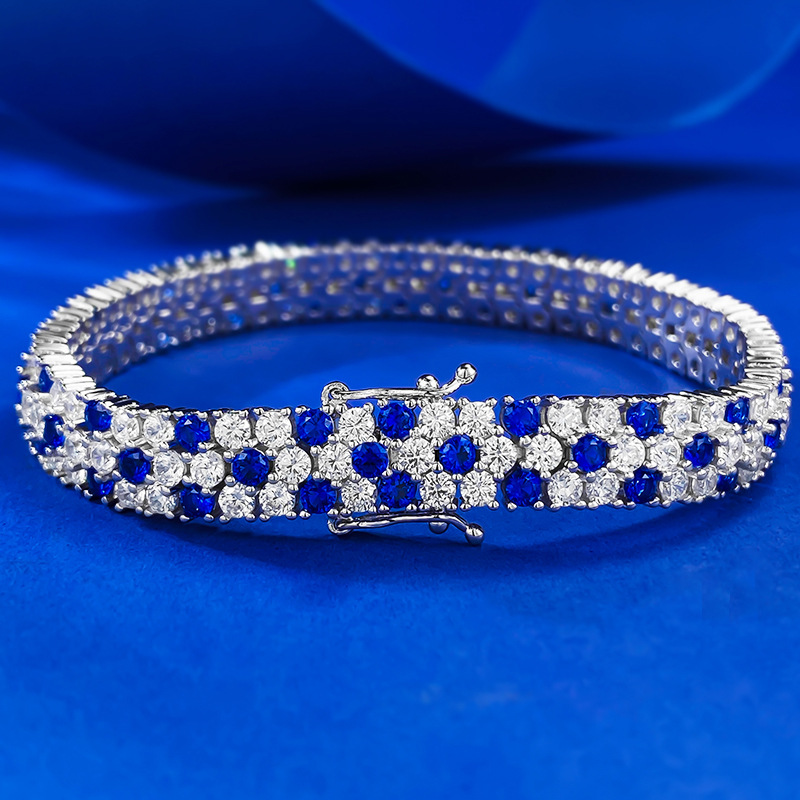
How to Clean a Diamond Tennis Bracelet Safely: Home Care vs. Professional Service
A Diamond Tennis Bracelet can stay bright for years, but it quickly collects lotion, soap film, skin oils, sunscreen, and dust. If you want to clean diamond tennis bracelet safely, the main question is whether a gentle home clean is enough or whether the piece needs a jeweler’s care.
The wrong method can dull the metal, leave cloudy residue, loosen a prong, or hide a stone that is already starting to lift. The safest choice depends on the bracelet’s condition, the metal, the setting style, the age of the piece, and how often you wear it.
For many owners, the best routine combines simple home care with periodic professional inspection. That keeps the bracelet bright and helps catch small problems before they turn into a lost diamond or a broken clasp. It also preserves resale value, which matters if the bracelet is an investment piece or a gift with long-term significance.
How to Clean a Diamond Tennis Bracelet Safely: What Matters Most
A tennis bracelet has many small stones, tiny prongs, and a clasp that gets opened and closed often. Those details make the piece beautiful, but they also make it more fragile than a plain chain. Even if the diamonds themselves are tough, the setting and metal work do the real structural lifting.
To clean Diamond Tennis Bracelet safely, you need to balance shine with security. A quick wipe helps between wears, while deeper buildup may call for a soak or a jeweler’s cleaning. The goal is not just surface sparkle. You also want to protect the tiny metal arms that hold each diamond in place.
There are three common paths:
- Light at-home cleaning for routine care
- Deeper at-home cleaning with safe tools
- Professional cleaning and inspection for worn or valuable pieces
The Gemological Institute of America (GIA) recommends regular cleaning and periodic inspection for fine jewelry because dirt can hide wear. That matters here. If a bracelet looks clean but a prong is weak, the risk is still there. A piece that has not been checked in years can have more risk than a visibly dirty bracelet that is already being handled carefully.
It also helps to understand what makes one tennis bracelet easier to care for than another. A piece with larger diamonds and sturdy prongs may be easier to inspect at home. A bracelet with many small stones, a delicate halo-like border, or a vintage setting may need more careful handling and more frequent professional checks.
Before You Clean: Know Your Bracelet’s Specs
Not every Diamond Tennis Bracelet is built the same way. The specs affect how you clean it, how often it needs maintenance, and what kind of service is worth paying for.
Diamond quality and size
Tennis bracelets are commonly made with stones ranging from small melee diamonds to more noticeable center-weighted links. A bracelet may have total carat weights from under 1 carat to 10 carats or more. Smaller diamonds usually mean more settings and more points of possible wear. Larger stones usually mean fewer stones but higher value per diamond, so a loose setting becomes a more expensive problem.
When shopping or evaluating a piece, look at the 4Cs where available: cut, color, clarity, and carat weight. Cut has the biggest impact on sparkle, while color and clarity influence how clean and bright the bracelet looks under natural light. For bracelets with many stones, slight differences are common, but better-cut stones reflect light more evenly and can make routine cleaning look more effective.
Certification and paperwork
If your bracelet is expensive, ask whether the diamonds or the full piece came with a grading report or sales paperwork. Lab reports from GIA, IGI, or another recognized lab are more common for loose stones and higher-end pieces, while many finished bracelets are sold with a receipt, appraisal, or internal quality summary. Documentation can help with insurance, estate planning, and resale.
For buyers, certification is especially helpful if the bracelet is marketed with a specific total carat weight, color grade, or clarity grade. It won’t tell you how to clean the piece, but it can tell you how much caution to use with a high-value bracelet and whether professional inspection is worth the cost.
Metal choice
Most tennis bracelets are made in 14K gold, 18K gold, or platinum. Each has its own maintenance profile:
- 14K gold is durable and common, with strong everyday wear performance and a lower price than 18K or platinum.
- 18K gold has a richer color and slightly higher gold content, but it is softer than 14K and may show wear a little sooner.
- White gold is popular for diamond bracelets because it supports a bright, icy look, but it often has rhodium plating that may need refreshment over time.
- Platinum is dense, durable, and naturally white, but it can develop a patina and may show tiny surface scratches that do not necessarily affect structure.
These differences matter because cleaning products and polishing choices affect each metal differently. A bracelet with a rhodium-plated white gold finish may look dull if the plating is worn, even after a careful clean. A platinum bracelet may be perfectly secure but still benefit from professional polishing if the finish has softened.
Setting style
The setting is one of the most important clues for cleaning. Common tennis bracelet styles include prong settings, shared-prong settings, bezel settings, and channel settings. Prong and shared-prong styles show more diamond surface and more sparkle, but the tiny prongs need regular inspection. Bezel and channel settings are often more protective, though they can trap grime along edges and in seams.
If your bracelet is very delicate, has very small prongs, or has a channel setting with tight crevices, home brushing should be especially gentle. A heavy hand can bend metal or catch on a stone edge. If the bracelet is antique, custom-made, or unusually thin, professional cleaning is often the smarter choice.
Gentle At-Home Care for Diamond Tennis Bracelets
If the bracelet looks secure and only has light buildup, home care is usually the first step. The safest DIY method uses warm water, mild dish soap, a soft brush, and a lint-free cloth.
Most owners can keep a bracelet looking sharp with this simple routine. It’s affordable, easy, and gentle enough for regular use. It also works well between professional visits, especially for pieces worn several times a week.
What you need
- Lukewarm water
- A few drops of mild dish soap
- A soft toothbrush or jewelry brush
- A lint-free cloth
- A towel for drying
- A bowl or sink stopper so the bracelet cannot fall into the drain
Skip toothpaste, baking soda, bleach, and rough sponges. They can scratch gold, white gold, and platinum, and they can leave film in tight spots. Avoid paper towels too, since they can shed fibers and snag on prongs.
If the bracelet has a very polished finish, even microfiber cloths should be used lightly. Rubbing too hard can create a hazy appearance on metal long before you notice a structural issue.
How to clean diamond tennis bracelet safely at home
Check the bracelet first. Hold it under bright light. Look for raised stones, bent prongs, worn links, or a clasp that doesn’t shut firmly. If anything seems off, stop there.
Make a mild soap bath. Mix a few drops of dish soap into lukewarm water. The water should feel comfortable, not hot. Very hot water can stress some settings and may be unpleasant to handle.
Soak for a few minutes. Five to ten minutes is usually enough for everyday oils and residue. You do not need a long soak to remove routine grime.
Brush lightly. Clean around each stone, under the settings, and near the clasp with short, soft strokes. Focus on the underside of the bracelet, where lotions and dust collect most.
Rinse well. Hold the bracelet securely while rinsing under lukewarm water. A sink stopper or small bowl helps prevent accidents. If you are worried about losing a stone, rinse in a shallow bowl rather than over the sink.
Dry fully. Pat it dry with a lint-free cloth, then let it air dry on a clean towel. Moisture left in the links can trap residue and make the bracelet look cloudy again.
Check again. Look for sparkle and stone security once the bracelet is dry. If you see one stone that catches light differently or appears slightly raised, have it checked.
That routine works well for regular upkeep. It removes the oils that build up from daily wear, makeup, hand cream, perfume overspray, and sunscreen. It also helps preserve the brilliance of the diamonds by keeping grime from dulling the facets.
How often to clean at home
There is no single rule, but a practical schedule is to wipe the bracelet after any wear that involved lotion or sweat, then do a light soap-and-water cleaning every few wears. If you wear the piece daily, a weekly gentle cleaning may make sense. If you wear it only for events, cleaning it after each use is enough.
The key is not to let residue accumulate for months. Thick buildup is harder to remove safely and often means the bracelet has been neglected long enough to need inspection too.
Safe storage between cleanings
How you store a tennis bracelet affects how often you need to clean it. Keep it in a fabric-lined compartment, soft pouch, or separate jewelry box section so it does not rub against other pieces. Storing it loose with rings or chains can cause scratches and can also tangle the clasp.
If the bracelet is part of a travel collection, use a padded travel case with a dedicated slot. That prevents the bracelet from being bent or compressed in luggage, which can stress links and prongs.
When home care is not enough
Home cleaning has limits. It won’t fix worn links, loose prongs, or a clasp that feels weak. It also won’t reveal hidden damage unless you inspect the piece closely.
Choose a jeweler instead if the bracelet has heavy buildup, a vintage setting, or a stone that looks crooked. If the piece catches on fabric, if the clasp does not click clearly, or if you can see a gap at any setting, don’t keep scrubbing it at home.
Home care is for maintenance, not repair. If cleaning does not restore the bracelet’s look quickly, or if the finish stays dull after rinsing, the problem may be plating wear, surface scratches, or structural wear that needs a professional eye.
Professional Cleaning and Inspection
Professional service is the safer choice for high-value bracelets, older pieces, or anything that already shows wear. A jeweler does more than clean the metal. They also check whether the stones and clasp are still secure.
That matters because a tennis bracelet has many setting points, and one weak spot can lead to a lost diamond. IGI and other industry sources stress the value of setting checks during routine jewelry care. The deeper the total carat weight, the more expensive a single failure can be.
Professional care is also useful after a bracelet has been sized, repaired, or resized by a previous owner. Any time soldering, prong work, or clasp replacement has been done, a jeweler can confirm that the piece is structurally sound.
What a jeweler usually does
A good cleaning visit often includes:
- A visual inspection under magnification
- A prong and setting check
- A clasp and link check
- A deep cleaning matched to the metal and stones
- A final quality review
A professional visit earns its place here. A piece can look fine to the eye and still have a loose setting. Jewelers also know how to assess whether a cleaning issue is really a repair issue, which can save money later.
What professional service can reveal
A jeweler may notice things most owners miss, including thinning prongs, stretched links, worn safety latches, and metal fatigue around the clasp. These issues do not always show up during basic at-home cleaning. If a bracelet is worn frequently, the inspection itself may be more valuable than the cleaning.
For example, a bracelet that has a clean surface but a slightly bent prong may seem fine in a drawer. Once it is worn, the setting can snag on clothing or catch on a sweater cuff. Catching that early is exactly why a professional check matters.
When to choose professional service
Go to a jeweler if:
- A stone moves or looks raised
- The clasp feels loose or sticky
- The bracelet has old repairs
- The setting is delicate or vintage
- You wear it often and want peace of mind
- The replacement cost would be high
- You are unsure whether the bracelet has been properly maintained before
For many customers, that check is worth it. One lost diamond can cost far more than a cleaning visit, especially on a bracelet with a high total carat weight. A small repair now is often cheaper than replacing a missing stone later.
Typical service costs and expectations
Professional cleaning costs vary by region and by jeweler. Simple cleaning and inspection may be complimentary for customers who purchased the piece there, while stand-alone service can range from a modest service fee to a higher inspection or polishing charge if repairs are needed. If a clasp needs replacement or prongs need rebuilding, the cost can rise quickly.
When comparing jewelers, ask whether the service includes a magnified inspection, ultrasonic cleaning, steam cleaning, polishing, rhodium plating for white gold, or only surface cleaning. A low advertised price may not include the inspection that protects the bracelet from future damage.
Pros of professional cleaning
- Better for delicate settings
- Helps catch wear early
- More thorough than home cleaning
- Good for heirloom pieces and frequent wear
- Can include small maintenance advice from a trained jeweler
Cons of professional cleaning
- It costs more than home care
- You may need to wait for service
- Quality depends on the jeweler
- Some shops send work off-site, which adds time
If you want to compare fine jewelry styles that are easier to maintain, you can browse our jewelry collection or shop diamond options.
At-Home vs. Professional: Side-by-Side Comparison
Here’s a simple way to weigh your options.
| Factor | Gentle At-Home Cleaning | Professional Cleaning and Inspection |
|---|---|---|
| Safety | High for stable bracelets | Highest for worn or valuable pieces |
| Cost | Very low | Moderate to higher |
| Convenience | Very easy | Requires a jeweler visit |
| Cleaning power | Good for light dirt and oils | Better for deep buildup |
| Security check | You do it yourself | Done by a jeweler |
| Best use | Routine care | Inspection and prevention |
For most owners, the best answer is not either/or. It’s both. Clean the bracelet gently at home, then have it checked on a schedule. If the bracelet is worn often, a professional inspection once or twice a year is a practical benchmark. If it lives in a jewelry box and comes out only for special events, a less frequent schedule may be enough.
Buying a Diamond Tennis Bracelet That Is Easier to Maintain
If you are shopping for a new bracelet, it helps to think about maintenance Before You Buy. Some design choices make cleaning easier and reduce the chance of repair problems later.
Choose a secure setting
Shared-prong settings often show more diamond and look very refined, but the prongs must be well made and evenly spaced. Bezel settings protect the stones better, though they can look less airy and may require more attention to keep edges clean. Channel settings offer a smooth profile and often snag less, which can be convenient for daily wear.
If your priority is easy care, ask how the stones are held, whether the prongs are hand-finished, and whether the setting has been tested for long-term wear. A well-made bracelet is easier to maintain than a fashionable but fragile design.
Pay attention to clasp style
The clasp is a small detail with a big role. Box clasps, double-lock clasps, and safety catches are common on tennis bracelets. A sturdy clasp with a visible safety mechanism can be worth paying for, especially if the bracelet is expensive or frequently worn.
Before buying, test the clasp. It should shut clearly, feel snug, and open only when intentionally released. A poor clasp is one of the most common reasons owners need early repair.
Understand common price ranges
Diamond Tennis Bracelet prices vary widely based on total carat weight, diamond quality, metal, and craftsmanship. Entry-level pieces with small diamonds and 14K gold may start in the lower four figures, while well-made midrange pieces can rise into the several-thousand-dollar range. Larger total carat weights, higher color and clarity grades, and platinum settings can move the price into the tens of thousands.
If you are comparing bracelets, do not look at price alone. Ask what the total carat weight is, whether the diamonds are natural or lab-grown, what the metal purity is, and whether the piece comes with a report, appraisal, or warranty. A lower price can be attractive, but a bracelet with weak craftsmanship can become more expensive after repairs.
Ask about sizing before you buy
Tennis bracelets often come in standard lengths around 6.5 to 7.5 inches, but fit matters. Too tight and the bracelet can pull at the clasp or sit awkwardly against the wrist. Too loose and it can rotate, catch more often, or increase the chance of impact. A good fit should allow a little movement without sliding off the wrist.
If you are buying online, check whether the seller offers sizing options or extension links. Some bracelets can be shortened or lengthened by a jeweler, but not every style can be altered without affecting the pattern or design symmetry. It is better to ask before purchase than to discover later that the bracelet cannot be adjusted cleanly.
Consider natural vs. lab-grown diamonds
Lab-grown diamonds follow the same basic cleaning rules as natural diamonds, since the care concerns are mostly about the metal and setting. They are often priced lower for the same visible size and quality, which can make a larger bracelet more accessible. Natural diamond bracelets typically cost more, especially at higher qualities or with well-matched stones.
For cleaning purposes, the main difference is not how the diamonds were formed. It is how the bracelet is built. A securely made lab-grown tennis bracelet deserves the same careful cleaning and inspection as a natural diamond piece.
Ask about shipping, returns, and warranties
Buying a tennis bracelet online can be convenient, but policies matter. Look for secure shipping, insurance during transit, and a clear return window in case the bracelet does not fit or the style does not suit your wrist. Because tennis bracelets are valuable and delicate, shipping should require tracking and adult signature when appropriate.
Also check the return policy for worn items. Some sellers only accept returns if the bracelet is unworn, while others may allow one inspection period. A warranty that covers manufacturing defects, clasp issues, or setting problems can add significant value. Make sure you understand whether routine maintenance, resizing, and prong tightening are included or excluded.
What Not to Use on a Diamond Tennis Bracelet
Some products do more harm than good. Avoid these:
- Bleach
- Harsh chemicals
- Abrasive powders
- Toothpaste
- Hard-bristled brushes
- Random ultrasonic cleaning
- Paper towels with rough fibers
- Household cleaners not meant for jewelry
Ultrasonic cleaners can work, but only when a jeweler confirms the bracelet is safe for that method. If prongs are loose or repairs are old, vibration can make the problem worse. Steam cleaners can also be useful in the wrong hands if the bracelet has vulnerable settings or prior repair work.
Do not wear the bracelet while cleaning the house, swimming in chlorinated water, using nail products, gardening, or applying body oils directly to the wrist. Prevention reduces the amount of cleaning needed and lowers the chance of setting damage.
Common Mistakes That Can Damage a Tennis Bracelet
Many bracelet problems come from everyday habits rather than dramatic accidents. Avoiding these mistakes can extend the life of the piece and reduce service costs.
Scrubbing too hard
People often assume more pressure equals better cleaning. With a tennis bracelet, that is rarely true. Heavy scrubbing can bend prongs, scratch gold, and push dirt deeper into the setting instead of lifting it out.
Cleaning over an open sink
One slip can send a bracelet down the drain. Always use a stopper, drain cover, or bowl. Because tennis bracelets are flexible, they can slide unexpectedly when wet.
Ignoring a loose stone
If one diamond looks higher than the others, do not keep wearing the bracelet as if nothing is wrong. A slightly raised stone can fall out during normal movement. A quick inspection is much safer than waiting until the problem becomes obvious.
Using harsh polishing cloths
Some polishing cloths are too aggressive for plated white gold or delicate finishes. They may remove rhodium faster or leave a patchy appearance. Read the label and use jewelry-specific materials only.
Forgetting the clasp and underside
Many owners only clean the visible top of the bracelet. The underside and clasp often collect the most residue, which can make the piece feel dull even when the top faces sparkle. Pay close attention to the hinge, box, and safety catch area.
How Metal and Finish Affect Care
Different metals are cleaned the same way at first, but each one has its own long-term maintenance pattern.
White gold
White gold often has a rhodium finish that adds brightness. Over time, this plating may fade, especially on the underside where the bracelet rubs against the wrist. If the bracelet looks yellowish or uneven after cleaning, it may need replating rather than a deeper scrub.
Yellow gold
Yellow gold tends to be forgiving and easy to maintain. It shows dirt clearly but usually responds well to mild soap, soft brushing, and professional polishing. Scratches are still possible, especially on higher-karat gold that is softer than 14K.
Platinum
Platinum is durable and valued for its security in fine settings. It can develop a soft satin-like patina with wear. That is not always a flaw, but some owners prefer periodic polishing to restore a brighter finish. Because platinum is denser, it can be more expensive to repair if a link or clasp is damaged.
Two-tone pieces
Two-tone tennis bracelets may combine white and yellow metals, which can make cleaning and repair more complex. A jeweler can advise whether both metals tolerate the same treatment or whether one side needs a gentler finish-preserving approach.
How Often Should You Schedule a Professional Check?
The ideal schedule depends on how often you wear the bracelet and how much it cost. A daily-wear bracelet benefits from more frequent inspection than a special-occasion piece. Many owners find that every six to twelve months is a practical interval for a worn bracelet, while heirloom pieces may need checkups before and after major events.
If the bracelet is worn while traveling, exposed to frequent movement, or bought from a secondhand source, a sooner inspection makes sense. A jeweler can confirm whether previous repairs were done cleanly and whether the bracelet is still safe to wear.
Keep records of service dates, repair notes, and any appraisal updates. Those records can help with insurance claims and can also guide future care.
E-E-A-T Notes for Safer Diamond Bracelet Care
Fine Jewelry Care is part cleaning and part prevention. The GIA recommends routine care and inspection because dirt can hide wear points that need attention.
Our customers often tell us the same thing: the bracelet looks fine until a jeweler points out a loose prong or worn clasp. That’s why inspection matters so much. A professional can also help you understand whether a bracelet needs re-tipping, link repair, or simply a basic clean.
A few useful numbers help frame the decision:
- A tennis bracelet has dozens of setting points, so each stone depends on secure prongs.
- One missing diamond can cost far more than a cleaning appointment.
- A 5- to 10-minute soak is usually enough for light home cleaning.
- Routine professional inspection every 6 to 12 months is a sensible target for frequently worn pieces.
Those details make a real difference. Clean often, inspect on schedule, and don’t push a bracelet past what it can safely handle.
FAQ: Cleaning a Diamond Tennis Bracelet Safely
How do I clean a diamond tennis bracelet safely at home?
Use lukewarm water, a few drops of mild dish soap, and a soft brush. Soak the bracelet for about 5 to 10 minutes, then brush gently around the stones, links, and clasp. Rinse it well and dry it with a lint-free cloth. This is the safest home method for routine diamond bracelet care.
Can I use an ultrasonic cleaner on my diamond tennis bracelet?
Only if a jeweler says the bracelet is a good candidate. Ultrasonic cleaning can be useful for some sturdy pieces, but it’s risky if prongs are loose or the bracelet has older repairs. If you’re unsure, skip it and choose hand cleaning or professional service instead. That’s the safer way to clean Diamond Tennis Bracelet safely.
How often should I clean a diamond tennis bracelet?
Light cleaning can be done as needed, especially after lotion, sunscreen, or heavy wear. For most bracelets, a gentle home clean every few wears is enough to keep buildup from settling in. A professional inspection on a regular schedule is smart for valuable or frequently worn pieces. That combination helps protect both sparkle and security.
What should I avoid when cleaning a diamond tennis bracelet?
Avoid bleach, toothpaste, abrasive powders, and hard brushes. These can scratch metal and leave dull residue behind. Also avoid soaking the bracelet if the clasp feels loose or the stones look uneven. If something seems off, a jeweler should inspect it first.
Is professional cleaning worth it for a diamond tennis bracelet?
Yes, especially for heirloom, high-value, or often-worn bracelets. A jeweler cleans the piece and checks for weak prongs, worn links, and clasp problems at the same time. That extra step can prevent damage that home care might miss. For many people, the peace of mind is worth it.
What if my bracelet is making a rattling sound?
A rattling sound can mean a loose stone, an open setting, or a clasp issue. Stop wearing the bracelet until it is checked. Do not try to shake it to identify the problem, because movement can worsen a loose setting.
Can I wear my bracelet in the shower?
It is better to remove it. Soap residue, shampoo, conditioner, and body wash can dull the finish and leave film around the stones. Water exposure also increases the chance that the bracelet will slip off or be damaged by impact.
Choose the Safest Care for Your Bracelet
If your bracelet looks secure, gentle home care is the best way to keep it bright. If it’s valuable, old, or showing wear, professional service is the safer choice.
The smartest routine is simple: clean diamond tennis bracelet safely at home for upkeep, then schedule expert inspection when the piece needs a closer look. If you are buying a new bracelet, choose a sturdy setting, a secure clasp, and a metal that fits your maintenance habits. That combination makes the bracelet easier to enjoy and easier to protect over time.
Want help choosing your next fine jewelry piece? Shop Diamond Tennis Bracelets or learn more about fine jewelry care.
Ready to Find Your Perfect Diamond?
Explore our collection of certified lab-grown diamonds
Shop Diamonds