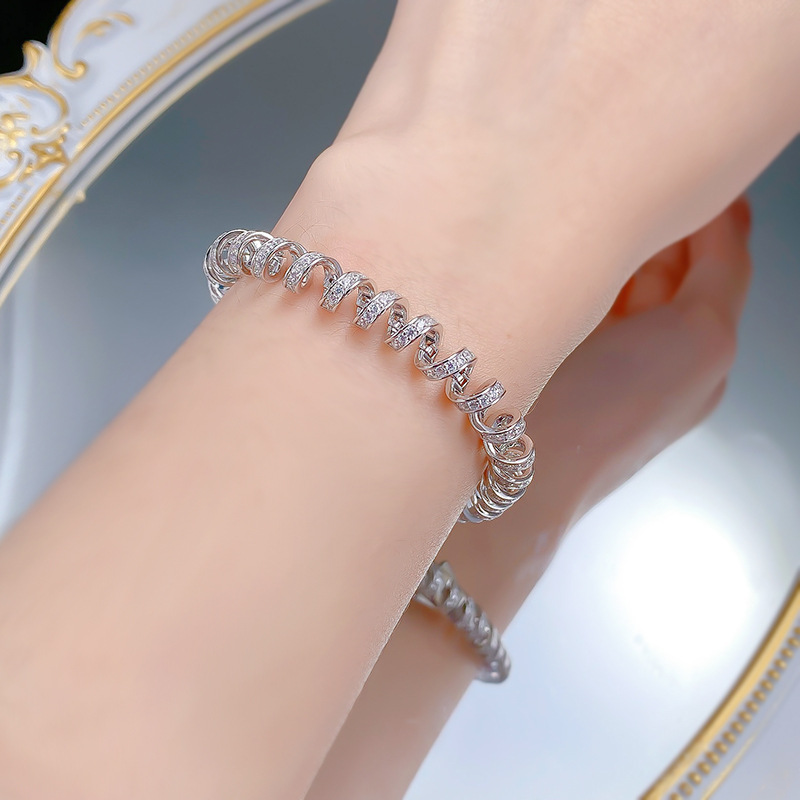
How to Buy a Conflict Free Tennis Bracelet Online
Shopping for a Conflict Free Tennis Bracelet Online sounds simple at first. Then the questions start. How do you compare diamond quality, bracelet fit, metal type, and price without seeing the piece in person?
A careful checklist helps. If you want a bracelet that looks polished, feels comfortable, and fits your values, you need more than a pretty product page.
At StoneBridge Jewelry, we’ve found that most buyers care about the same things: real diamond sparkle, honest sourcing, secure construction, and a buying process that doesn’t feel vague. Here’s what to Check Before You order.
What Conflict Free Means in a Tennis Bracelet Purchase
A conflict free Tennis Bracelet Online search usually points buyers toward ethical sourcing and better transparency. In basic terms, Conflict Free Diamonds are not tied to funding armed conflict.
For mined diamonds, that claim often connects to supply chain controls and the Kimberley Process. The Kimberley Process was created in 2003 to limit the trade of conflict diamonds. It set a baseline, but many shoppers want more detail, especially around traceability and production methods.
That’s one reason lab-grown diamonds have become a popular option. According to GIA, lab-grown diamonds are real diamonds with the same chemical, physical, and optical properties as mined diamonds. They are not simulants.
For many buyers, a lab-grown bracelet offers a clearer sourcing story:
- No diamond mining
- Easier production tracking
- Real diamond beauty
- Better size or quality for the price
If you’re comparing a mined bracelet with a lab-grown one, the difference matters. A mined piece may rely on declarations and chain-of-custody steps. A lab-Grown Diamond Bracelet often gives shoppers a more direct path when buying a conflict free tennis bracelet online.
It also helps to separate marketing language from useful disclosure. “Ethically sourced,” “responsibly made,” and “sustainable” can mean very different things from one retailer to another. The strongest listings explain whether the diamonds are lab-grown or mined, who graded them when applicable, what metal is used, and whether the bracelet is made to order or ready to ship. A retailer that only gives broad feel-good statements without specifications is asking you to trust too much with too little information.
Some buyers also prefer to ask where the bracelet is manufactured and whether the diamonds are matched in-house. Those details matter because a tennis bracelet is not just a group of diamonds linked together. It is a piece that depends on consistency, finishing, and careful assembly. Good sourcing is important, but so is good bench work.
What to Check Before You Buy Online
A good product listing should answer your main questions fast. If it doesn’t, move on.
Start with these points:
- Diamond origin, including whether the bracelet uses lab-grown stones
- Total carat weight
- Metal type, such as 14K white gold, 14K yellow gold, or platinum
- Setting style and clasp security
- Return policy, warranty, and repair support
Can you spot all of that in under a minute on the product page? If not, the shopping experience probably isn’t strong enough for fine jewelry.
Buying a conflict free tennis bracelet online gives you one clear advantage over a store case. You can compare several bracelets side by side, read the specs, zoom into the settings, and review policies before spending anything.
It also pays to check whether the total carat weight is approximate or exact. In tennis bracelets, slight variance is normal because stone counts and lengths can change the final number. That said, the retailer should still explain the range clearly. A bracelet listed as 3.00 ctw should not arrive looking much lighter than expected because the product page hid important details about stone size or length.
Another detail buyers often miss is whether the photos show the exact carat weight being sold. Some websites use enlarged images or sample photos of a larger version. If a listing does not mention model wrist size, bracelet carat weight in the photo, or stone measurements, ask. A 2.00 ctw bracelet and a 5.00 ctw bracelet can look dramatically different on the wrist even when the style name is the same.
How to Judge Quality in a Conflict Free Tennis Bracelet Online
A high-quality conflict free tennis bracelet online listing should show more than sparkle. It should prove the bracelet is well made.
Most buyers start with visible specs. That makes sense. Total carat weight, bracelet length, shape, and metal color all affect the look. Construction matters just as much because a tennis bracelet is meant to move with your wrist.
Key bracelet specs to review
- Total carat weight: Many bracelets start around 2.00 carats total weight and can run past 10.00 carats total weight.
- Diamond shape: Round is the classic choice, while oval, emerald, princess, and cushion cuts create a different style.
- Bracelet length: Common lengths range from 6.5 to 7.5 inches, though fit should always be checked.
- Metal type: 14K gold and platinum are the most common choices for fine jewelry.
- Setting style: Prong, shared-prong, and bezel settings each change the look and feel.
In a bracelet, matching matters more than chasing extreme specs on paper. You want a smooth line of diamonds, not a few bright stones mixed with weaker ones.
Look closely at these quality factors:
- Color consistency: The diamonds should look even across the bracelet.
- Clarity balance: You don’t need perfect clarity, but you also don’t want visible marks that break up the look.
- Cut performance: Better cut usually means better sparkle.
- Stone matching: The diamonds should appear uniform in size, shape, and face-up color.
IGI and GIA grading standards can help buyers compare quality ranges. Many fine lab-grown diamond bracelets sit in the F-G color and VS clarity range. That’s often a smart middle ground for bright, clean-looking stones without pushing into the highest prices.
For smaller bracelet diamonds, the sweet spot is usually eye-clean and well matched rather than ultra-high clarity. Once individual stones are small, moving from VS to VVS may change the price more than the appearance. The same goes for color. D-E color can be beautiful, but many buyers are perfectly happy with F-G or even G-H in yellow gold if the bracelet is lively and consistent.
Cut deserves special attention. In a ring, you may study one center diamond closely. In a tennis bracelet, the visual effect comes from dozens of stones working together. If the cuts are uneven, some diamonds may look sleepy or dark next to brighter ones. Well-cut rounds usually give the most balanced sparkle. Fancy shapes can look beautiful too, but they depend even more on careful matching and precise setting.
Construction details that matter
Many buyers get surprised here. A bracelet can look great in photos and still feel disappointing on the wrist.
Check for:
- A secure clasp with a safety latch
- Smooth link movement
- Even spacing between stones
- Prongs or bezels that look neat and consistent
- A finish that feels polished, not thin or sharp
A tennis bracelet should drape naturally. It shouldn’t twist all day, pinch your skin, or feel stiff.
The underside matters too. Quality bracelets are often finished cleanly on the back so they sit comfortably against the skin. If the gallery looks rough, overly hollow, or uneven, the bracelet may feel less substantial than you expect. Ask whether the links are assembled for flexibility and whether the clasp includes one or two figure-eight safeties. On a valuable bracelet, that extra security is worth having.
It is also smart to ask about gram weight, especially when comparing two bracelets that seem similar in photos. One may cost less because it uses less metal or lighter construction. A tennis bracelet should not feel bulky, but it also should not feel flimsy. A good balance of metal and stone support helps the piece hold up over years of wear.
If you want help comparing options, you can contact our jewelry experts for one-on-one guidance.
Diamond Certifications and Grading Questions to Ask
One common online buying question is whether a tennis bracelet comes with a certificate. The answer depends on how the bracelet is made. Large center stones are often sold with individual grading reports, but bracelet diamonds are usually much smaller and may not each have a separate report.
That does not mean grading is unimportant. It means you should ask how the diamonds are sorted and matched. Reputable sellers commonly provide a stated quality range, such as F-G color and VS clarity, and may note whether the stones are lab-grown and graded under IGI or GIA standards where applicable. If a bracelet uses a high total carat weight with larger individual stones, there may be more detailed paperwork available.
Useful questions include:
- Are the diamonds lab-grown or mined?
- What color and clarity range is guaranteed?
- Are the stones matched by hand for appearance?
- Is there documentation for the bracelet or for larger individual stones?
- Will the invoice state the metal type and total carat weight?
For insurance purposes, a detailed receipt can be almost as important as a grading document. It should describe the bracelet clearly enough to identify what you purchased, including metal, length, total carat weight, and diamond type.
Diamond Shapes, Metals, and Settings to Compare
Once you narrow shape, metal, and setting style, shopping gets much easier. That’s true whether you’re buying your first bracelet or upgrading to a larger piece.
Diamond shape comparison
| Diamond Shape | Look | Best For | Notes |
|---|---|---|---|
| Round | Bright, classic sparkle | Everyday wear and gifting | Traditional tennis bracelet look |
| Oval | Longer, elegant look | Soft modern style | Often looks larger face-up |
| Emerald | Clean flashes of light | Tailored, refined style | Matching is especially important |
| Princess | Sharp, modern lines | Geometric styling | Corners need secure settings |
| Cushion | Soft square brilliance | Romantic style | Mixes classic and modern |
Metal options
- 14K white gold: Clean and versatile. It keeps the focus on the diamonds.
- 14K yellow gold: Warm and classic. It offers more contrast.
- 14K rose gold: Soft pink tone with a modern feel.
- Platinum: Heavier and naturally white. It usually costs more than gold.
Setting styles
- Prong setting: Shows more of each diamond and boosts light return.
- Shared-prong setting: Creates a more continuous line of diamonds.
- Bezel setting: Gives extra protection and a clean, sleek profile.
If you’re building a jewelry wardrobe, think about what you already wear. A slimmer bracelet stacks well with a watch or bangle. A larger bracelet works better as a stand-alone piece.
There are also practical differences between metals. White gold is a favorite for a classic bright look, but many white gold pieces are rhodium plated to enhance whiteness. Over time, that finish may need refreshing. Yellow gold is lower maintenance in that sense and can soften the look of near-colorless diamonds. Rose gold offers a distinct fashion angle, though it is usually chosen more for style than for making diamonds appear whiter.
Platinum is denser and naturally white, which many buyers love for luxury feel and long-term wear. It also develops a patina over time instead of losing plating. The tradeoff is price and weight. Some people enjoy a heavier bracelet presence, while others prefer the lighter feel of 14K gold for daily use.
As for settings, shared-prong styles often deliver the most uninterrupted line of diamonds, but they can expose more of each stone edge. Bezel settings are sleeker and more protective, making them appealing for buyers who are active or want a lower-profile piece. Four-prong and three-prong styles can vary by shape and stone size, so look at side photos when available. A style that looks delicate from above should still appear secure from the side.
How Carat Weight Changes the Look on the Wrist
Total carat weight tells you how much diamond is in the bracelet overall, but it does not always tell you how bold the bracelet will look. The appearance depends on the number of stones, the shape, the cut proportions, and the length. A 3.00 ctw bracelet spread across 7.5 inches can appear more delicate than the same total weight across 6.5 inches.
As a rough guide, slimmer tennis bracelets in the 2.00 to 3.00 ctw range usually give a refined, everyday look. Around 4.00 to 6.00 ctw, the bracelet starts to feel more noticeable and dressy while still wearable for many buyers. Beyond that, you move into statement territory, where the piece becomes a clear focal point.
Fancy shapes can change perceived size too. Oval diamonds often look larger face-up than rounds of similar weight, while emerald cuts show broader flashes rather than pinfire sparkle. If your goal is visual spread, shape choice can matter almost as much as carat total.
Why Many Buyers Choose Lab-Grown Diamond Bracelets
For shoppers searching for a conflict free tennis bracelet online, lab-grown diamonds make practical sense. They’re real diamonds, and they often free up your budget for better size or stronger specs.
Prices shift with supply, grading, and metal costs, but lab-grown diamond jewelry often sells for less than comparable mined diamond jewelry. That price difference can help you move up in one or more areas:
- Higher total carat weight
- Better color range
- Better clarity range
- Upgraded metal choice
- Better setting quality
Our customers often tell us the same thing: they want the bracelet to look luxurious on the wrist, but they don’t want to overpay for a sourcing story that feels hard to verify. A well-made lab-grown diamond bracelet solves that problem for many people.
There is also a practical design advantage. Because the cost per carat is often lower with lab-grown diamonds, buyers can choose slightly larger stones without sacrificing secure construction. That matters in tennis bracelets, where it is usually better to buy a balanced piece with strong clasps and well-finished settings than to stretch the budget on mined diamonds and compromise elsewhere.
For gifts, lab-grown bracelets also make milestone purchases more approachable. Anniversary, push present, graduation, and holiday buyers can often reach a more impressive look at a lower budget than they expected. That does not make every lab-grown bracelet a bargain by default, but it does widen your options.
If you want to compare more ethical fine jewelry options, you can shop our lab-grown diamonds or browse our jewelry collection.
Conflict Free Tennis Bracelet Online Pricing Guide
The cost of a conflict free tennis bracelet online depends on several details at once. Carat weight is the biggest driver for most bracelets, but it’s not the only one.
What affects the price
- Total carat weight
- Diamond color and clarity
- Metal type
- Bracelet length
- Clasp and setting quality
- Brand craftsmanship and finishing
Here’s a general pricing guide for lab-Grown Diamond Tennis bracelets. Exact numbers vary by retailer, diamond quality, and metal cost.
| Budget Range | What You Can Expect | Best For |
|---|---|---|
| $1,500-$3,000 | Slimmer styles in 14K gold with solid entry-level fine jewelry appeal | First bracelet or gift |
| $3,000-$6,000 | More visible presence and stronger matching | Regular wear with more sparkle |
| $6,000-$10,000 | Larger carat weights and finer finishing | Milestone gift or signature piece |
| $10,000+ | Statement size and higher-end presentation | Major celebrations |
A bigger number isn’t always the better buy. We’ve seen many shoppers prefer a 2.00 to 3.00 carat total weight bracelet with excellent matching over a larger bracelet with weaker construction.
Protect the details you’ll notice every day:
- Don’t cut corners on clasp security
- Don’t ignore fit
- Don’t sacrifice stone matching for size alone
- Don’t overpay for grades you won’t see across small bracelet diamonds
If you are setting a budget, decide in advance which factor matters most to you: bigger look, finer specs, or heavier metal. For many buyers, the smartest value sits in the middle: 14K gold, lab-grown diamonds, F-G color, VS clarity, and a bracelet length close to standard. Once you move to platinum, very high color grades, or oversized carat totals, price rises quickly.
Customizations also affect cost. Shortening or lengthening the bracelet, changing metal, requesting a double safety clasp, or upgrading diamond quality can all change the final quote. That is normal. What matters is that the seller explains those charges clearly before checkout.
How to Measure Bracelet Size at Home
Sizing can make or break your experience buying a conflict free tennis bracelet online. Even a beautiful bracelet won’t feel right if the fit is off.
Follow these steps:
- Wrap a soft tape measure around your wrist just above the wrist bone.
- If you don’t have one, use a string and measure it with a ruler.
- Write down your wrist size in inches.
- Add length based on your preferred fit.
A quick fit guide:
- Snug fit: add 0.25 to 0.5 inches
- Comfortable fit: add 0.5 to 0.75 inches
- Relaxed fit: add 0.75 to 1 inch
Most buyers like a little movement, not a loose roll around the wrist. If you’re between sizes, ask customer support Before You Order.
Keep the bracelet style in mind when choosing length. A bezel bracelet can feel slightly more structured than an airy shared-prong design, so the same nominal size may wear differently. If you plan to stack the bracelet next to a watch, measure with the watch on and decide whether you want the bracelet to sit above it, below it, or move freely around it.
Gift buyers should be especially careful. If you do not know the exact wrist size, a standard 7-inch bracelet is common, but not universal. Check whether the retailer offers complimentary resizing or link adjustment before purchasing. Some tennis bracelets can be shortened by a jeweler fairly easily, while adding length later may require additional matching links and can cost more.
Shipping, Returns, and Insurance Details That Matter
Shipping policies often reveal how prepared a retailer is for fine jewelry sales. A quality online experience should explain whether the bracelet is made to order, how long production takes, and whether delivery is signature required. For a higher-ticket bracelet, insured shipping is not optional. It should be standard.
Before ordering, check these points:
- Estimated production time versus in-stock availability
- Whether shipping is insured for the full purchase amount
- Signature requirements at delivery
- Return window length and condition requirements
- Whether resized or custom-length bracelets are final sale
- Restocking fees, if any
Returns matter because tennis bracelets are tactile pieces. You can study photos all day, but comfort and visual presence are easiest to judge in person. A fair return policy gives you room to check fit, movement, and whether the carat weight meets expectations. Just read the conditions carefully. Many jewelers require the bracelet to be unworn, unaltered, and returned with all packaging.
After purchase, consider jewelry insurance if the bracelet will be worn often. Some homeowners or renters policies allow riders for fine jewelry, and there are also specialized jewelry insurers. Keep your receipt, any appraisal, and all product details in one place so coverage is easy to arrange.
Safe Online Buying Tips for Fine Jewelry
If you’re buying a conflict free tennis bracelet online, trust signals matter. Fine jewelry should come with clear details, strong photos, and real support.
Look for:
- High-resolution images
- Video if available
- Full carat weight details
- Diamond shape, color, and clarity information
- Metal purity, such as 14K or platinum
- Clasp type and safety features
- Production and shipping timing
- Return and warranty terms
A metal stamp is another small but useful detail. Fine jewelry is commonly marked 14K, 18K, or PT950 depending on the metal.
Insured shipping and a documented return window matter too. Before buying, confirm how long you have to return the bracelet, whether custom sizes are final sale, and what the warranty actually covers.
Also review the checkout experience. The website should use secure payment processing and clearly show contact information, not just a generic form. If a retailer is hard to reach before the sale, that usually does not improve afterward. A short conversation with customer support can tell you a lot about product knowledge and service standards.
Watch for listings that use vague language like “diamond quality may vary” without giving any guaranteed range. In fine jewelry, broad disclaimers are a red flag. So are prices that seem dramatically lower than the market without a clear reason. There may be a quality compromise in the metal, diamond matching, clasp, or overall finishing.
If you’re shopping for other diamond jewelry while comparing styles, you can also view our engagement rings or try the ring builder.
Common Mistakes Buyers Make Online
Most online bracelet disappointments come down to a few preventable mistakes.
- Buying by carat weight alone: A large total weight does not guarantee beauty if the stones are poorly matched or the bracelet is too long for your wrist.
- Ignoring clasp design: A weak clasp is one of the fastest ways to turn a luxury purchase into a stressful one.
- Choosing the wrong length: Too tight feels stiff and uncomfortable. Too loose twists and catches.
- Not asking about returns on custom orders: Length changes and personalized pieces may not be returnable.
- Overpaying for invisible upgrades: Very high clarity or color grades are not always the best use of budget in small bracelet diamonds.
- Skipping care and inspection: Even durable fine jewelry needs periodic checks to stay secure.
A good rule is to prioritize what you will notice daily: comfort, sparkle consistency, secure wear, and overall finish. The best online purchase is rarely the one with the flashiest bullet point. It is the one that still feels right a year later.
Caring for Your Tennis Bracelet After Purchase
A lab-grown diamond bracelet is easy to maintain, but it still needs regular care. Clean it with warm water, mild dish soap, and a very soft brush.
Rinse well and dry it with a lint-free cloth. Store it separately in a soft pouch or a lined jewelry box compartment so it doesn’t scratch against other pieces.
Take it off during sports, heavy lifting, gardening, or anything that could stress the links or clasp. Check the prongs and clasp from time to time. If something feels loose, stop wearing it and have it inspected.
For regular wearers, a professional inspection once or twice a year is a smart habit. A jeweler can check prongs, tighten the clasp, inspect link wear, and clean the bracelet more thoroughly. This is especially important if you wear the piece while traveling, stacking it with harder jewelry, or using it as an everyday signature bracelet.
Avoid harsh household cleaners, ultrasonic cleaning unless your jeweler recommends it for that specific setting, and tossing the bracelet into a drawer with other jewelry. Fine chains and linked bracelets can kink or abrade if they are stored carelessly. Small preventive steps protect both the diamonds and the metal over time.
Where to Buy a Conflict Free Tennis Bracelet Online with Confidence
The best place to buy a conflict free tennis bracelet online is a jeweler that gives you clear specs, honest sourcing information, and responsive support before and after the sale.
A strong retailer should offer:
- Lab-grown or sourcing details
- Full product specifications
- Grading information where applicable
- Clear imagery
- Secure checkout
- Insured shipping
- Fair return terms
- Helpful customer service
StoneBridge Jewelry is built for buyers who want real diamond beauty with a more thoughtful sourcing path. If you’re comparing styles for daily wear, a gift, or a long-term keepsake, start with the details that matter most: fit, construction, diamond matching, and transparency.
When you compare retailers, look beyond the headline promise. The right seller will help you understand whether a bracelet is best for everyday wear or occasion wear, explain the tradeoffs between metal and setting choices, and answer practical questions about sizing, production timelines, and after-sale service. That is the difference between simply listing jewelry online and actually selling fine jewelry responsibly.
Ready to compare options? Browse our jewelry collection, explore our lab-grown diamonds, or contact our jewelry experts for help Choosing the Right conflict free tennis bracelet online.
Ready to Find Your Perfect Diamond?
Explore our collection of certified lab-grown diamonds
Shop Diamonds