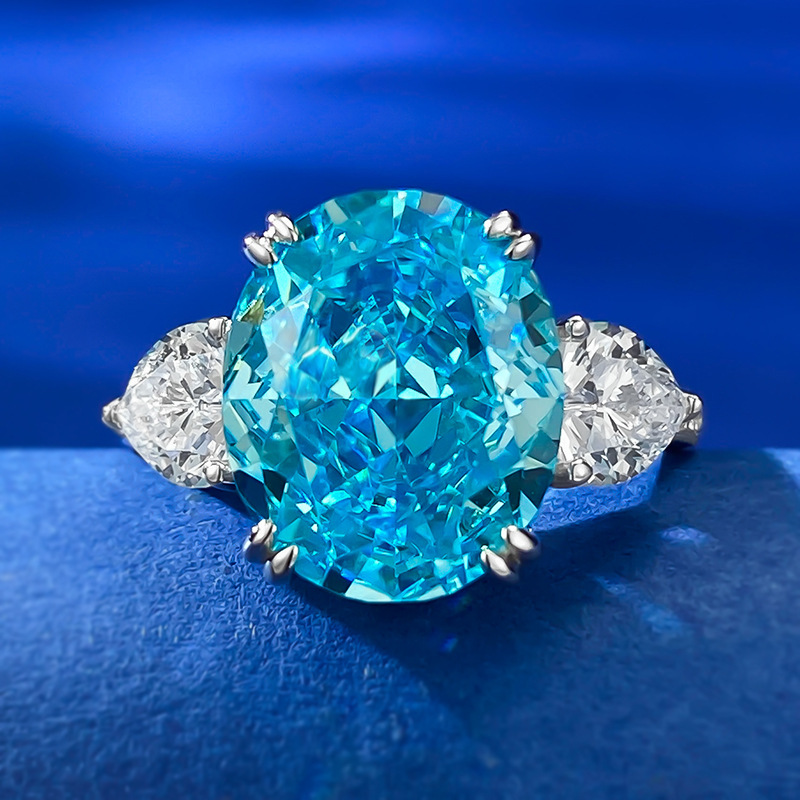
How to Build a Bridal Jewelry Budget Under 2000
A bridal jewelry budget under 2000 can cover more than many brides expect. With a clear plan, you can choose a wedding band, earrings, a necklace, or a bracelet without settling for pieces that feel temporary.
Start with the items that will show most, complement your dress, and stay wearable after the wedding. Lab-grown diamonds make that easier because they can offer a larger look, better clarity, or a more detailed setting at the same spend.
At StoneBridge Jewelry, we've helped many shoppers build wedding looks around one strong anchor piece and one or two supporting pieces. That approach keeps the styling clean, personal, and easy to wear again.
Start Your Bridal Jewelry Budget Under 2000 With Priorities
A bridal jewelry budget under 2000 works best when you treat it as a styling plan, not a race to buy every accessory. Begin with the piece you'll wear most often after the wedding. For many brides, that's the wedding band. For others, it's diamond studs or a pendant that fits everyday outfits.
Before you shop, ask one simple question: what will people notice first in photos? If your hands will be featured in ring shots, the band deserves more of the budget. If your hair is up and your gown has a simple neckline, earrings may have the biggest impact.
Most bridal jewelry budgets include these categories:
- Wedding band or stackable ring
- Bridal earrings
- Pendant or short necklace
- Bracelet or bangle
- Optional second look for the rehearsal dinner or reception
A smart bridal jewelry budget under 2000 usually puts the largest share toward the anchor piece. The remaining amount can support smaller pieces that match in metal tone, diamond shape, or design style.
A Simple Budget Split That Works
Use this starting point if you're building a full look:
- 40-60% for the wedding band
- 15-25% for earrings
- 10-20% for a necklace
- The rest for a bracelet, chain upgrade, or finishing detail
For example, you might spend $900 on a lab-grown diamond band, $350 on diamond studs, $300 on a pendant, and $250-$400 on a slim bracelet. If the gown is heavily beaded, you may skip the bracelet and choose cleaner earrings instead.
This keeps the bridal jewelry budget under 2000 focused. It also helps you avoid buying several small pieces that don't work together.
Set Aside Money for Practical Costs
Leave a small cushion for expenses that are easy to forget. Ring resizing, rush shipping, upgraded insurance, engraving, and professional cleaning before the wedding can all affect the final total. Even a $100-$200 reserve can keep the plan from feeling tight at the end.
For rings, ask whether the style can be resized Before You Buy. Plain gold bands and many solitaire rings are easier to adjust. Eternity bands, full pavé bands, channel-set bands, and detailed curved bands can be harder or impossible to resize because diamonds or design elements continue around the shank. If your size fluctuates with heat, travel, or pregnancy, consider a half-eternity band or a style with a small sizing bar at the back.
Also consider when the jewelry must arrive. If you need pieces for a bridal shower, engagement photos, dress fitting, or destination wedding packing date, use that earlier event as your deadline rather than the wedding day itself.
What Can You Buy With a Bridal Jewelry Budget Under 2000?
A bridal jewelry budget under 2000 can create several strong combinations. You don't need every item in the jewelry case. You need the right mix for your gown, hairstyle, and engagement ring.
Here are realistic ways to build the look:
- Lab-grown diamond wedding band plus classic studs
- Curved pavé band plus a solitaire pendant
- Diamond drop earrings plus a delicate bracelet
- Simple gold band plus studs and a fine necklace
- Stackable band plus petite earrings for a minimal look
The best set depends on what you already own. If you have heirloom earrings, put more money toward the band. If your wedding band is already chosen, use the budget for face-framing pieces that show in portraits.
According to The Knot's 2023 Real Weddings Study, the average wedding cost in the U.S. was $35,000. Compared with that larger number, a bridal jewelry budget under 2000 can feel very manageable, especially when the pieces remain wearable after the event.
Best Pieces to Prioritize Under $2,000
For long-term value, start with jewelry that won't sit in a box. Diamond studs, slim bands, solitaire pendants, and delicate bracelets usually get repeat wear.
A good priority order is:
- Wedding band
- Diamond earrings
- Pendant necklace
- Bracelet
- Extra reception or rehearsal accessory
The wedding band anchors your ring story. Earrings brighten the face. A necklace works with the neckline. A bracelet adds movement in photos, especially during vows, cake cutting, and dancing.
A bridal jewelry budget under 2000 feels more generous when each piece has a clear job. If two pieces do the same thing, choose the stronger one and skip the duplicate.
Realistic Price Ranges by Category
Prices vary by metal, diamond weight, setting labor, and market conditions, but these ranges can help you plan before comparing individual styles:
- Plain 14k gold wedding band: often around $250-$700 depending on width and weight
- Petite lab-grown diamond band: often around $600-$1,200 depending on total carat weight and setting style
- Curved or contoured diamond band: often around $700-$1,500 because the shape and stone layout add labor
- Lab-grown diamond studs: often around $250-$900 depending on total carat weight, color, clarity, and backing type
- Solitaire lab-grown diamond pendant: often around $300-$900 depending on stone size, chain metal, and chain length
- Delicate diamond bracelet or bangle: often around $400-$1,200 depending on diamond coverage and clasp construction
If you want the largest visual difference, spend more on the piece closest to the camera. A slightly larger pair of earrings can change portraits more than a tiny bracelet upgrade. If you want the strongest long-term value, put more into the ring or pendant you expect to wear weekly.
Lab-Grown Diamonds and Fine Jewelry Value
Lab-grown diamonds are a strong fit for a bridal jewelry budget under 2000 because they offer the same optical, chemical, and physical properties as mined diamonds. GIA notes that diamonds are judged by the 4Cs: cut, color, clarity, and carat weight. Those standards apply whether the diamond is lab-grown or mined.
Cut matters most for sparkle. A well-cut 0.50 carat diamond can look brighter than a larger stone with weak proportions. Color affects how white the stone appears, while clarity measures internal and surface characteristics.
IGI and GIA both grade lab-grown diamonds, and many larger stones include reports. For small accent stones in bands or pavé settings, review the product details for total carat weight, color range, clarity range, and metal type.
A bridal jewelry budget under 2000 should not chase carat weight alone. A smaller, well-cut diamond in a secure setting often looks better and lasts longer than a bigger stone with dull light return.
Diamond Specs Worth Checking
For a bridal ring, pendant, or larger pair of earrings, look for specific diamond details rather than vague descriptions. A strong everyday range for lab-grown diamonds is often G-H color and VS-SI clarity, especially when the cut is excellent and the stone is mounted in a flattering setting. If you are choosing white gold or platinum, a near-colorless diamond can keep the look crisp. In yellow or rose gold, slightly warmer color grades can still face up beautifully because the metal already adds warmth.
For round brilliant diamonds, cut grade should be a priority. Excellent or very good cut grades usually deliver better brightness and fire than stones chosen only for size. For fancy shapes such as oval, pear, emerald, cushion, or marquise, inspect the actual measurements, photos, and video when available. Two diamonds with the same carat weight can look different in size because one may be cut deeper and carry more weight below the surface.
For bands and bracelets, total carat weight is not the same as the size of each diamond. A 1.00 carat total weight band may contain many small stones rather than one large stone. That can be beautiful, but it affects the look. If you want visible individual flashes, choose slightly larger accent diamonds or a shared-prong style. If you want a fine shimmer, pavé may be the better choice.
Certifications, Reports, and Product Details
For center stones and larger solitaire pieces, a grading report from a respected lab such as IGI or GIA gives you independent information about carat weight, color, clarity, measurements, growth method, and sometimes inscription details. For many earrings, pendants, and bands under $2,000, the smaller accent diamonds may not each have individual reports. That is normal; instead, the listing should state a quality range, such as the total carat weight and approximate color and clarity of the diamonds used.
Read the report or product page carefully. Confirm whether the listed carat weight is per stone or total carat weight. For earrings, a pair described as 1.00 carat total weight usually means about 0.50 carat per ear. For a bracelet, total carat weight is spread across the full length. For a band, check whether diamonds cover one-third, half, three-quarters, or the full circumference.
Metal Choices That Affect Price and Style
Metal choice changes both the look and the cost. White gold gives a bright, clean finish. Yellow gold feels classic and warm. Rose gold adds a soft romantic tone. Platinum can be durable and dense, but it may take a larger share of the budget.
Match the wedding band to the engagement ring when possible. If your engagement ring is white gold, a white gold band usually creates the most seamless stack. Mixed metals can look beautiful too, but they should feel intentional.
Width matters as well. A 1.8 mm or 2.0 mm band often pairs well with many modern engagement rings. A wider band can look bold, but it may crowd a delicate setting.
Before buying, review our ring size guide and use the StoneBridge ring builder if you want to test proportions before checkout.
14k, 18k, and Platinum Tradeoffs
For a budget under $2,000, 14k gold is often the most practical choice. It contains a slightly lower percentage of pure gold than 18k, but it is durable, widely used for bridal jewelry, and usually more affordable. That can leave more room for diamond quality or an additional accessory.
18k gold has a richer gold content and a deeper color in yellow gold, but it often costs more and can be slightly softer. Platinum is naturally white, dense, and hypoallergenic for many wearers, but it is usually heavier and more expensive. White gold may need rhodium replating over time to maintain a bright white surface, so factor that into long-term care if you wear your band every day.
Match the Jewelry to Your Dress, Hair, and Photos
Your gown should lead the jewelry choices. A bridal jewelry budget under 2000 goes further when each piece supports the dress instead of competing with it.
Simple gowns can handle more sparkle. Lace, pearls, heavy beading, or dramatic sleeves usually call for lighter jewelry. If your dress already has a strong visual texture, choose one focal point and keep the rest quiet.
Use these quick styling cues:
- Sweetheart neckline: short pendant or delicate drop necklace
- Strapless gown: studs, drops, or a statement pendant
- V-neck: necklace that follows the V shape
- High neck: earrings and bracelet, no necklace
- Off-the-shoulder: balanced earrings with a soft pendant
- Halter neckline: earrings only, or earrings plus bracelet
Hairstyle changes everything. Hair worn down may hide small studs, so drops can be more visible. An updo gives studs, halos, and climbers more room to shine.
Earrings, Necklaces, and Bracelets
If the band is already handled, a bridal jewelry budget under 2000 can shift toward finishing pieces. Diamond studs are the safest choice for almost any gown. They add light near the face without taking attention from the dress.
Drop earrings create more movement and suit formal ceremonies. A solitaire pendant works well with clean necklines. A tennis-style bracelet or slim bangle adds shine when your hands are photographed.
Don't overdo it. If the earrings are dramatic, keep the necklace simple or skip it. If the necklace is the star, choose smaller earrings.
You can compare current designs in our fine jewelry collection or browse lab-grown diamond options to see how different stone sizes and settings change the look.
Chain Length, Earring Backs, and Bracelet Fit
Small construction choices can make bridal jewelry easier to wear. For necklaces, a 16-inch chain usually sits close to the collarbone, while an 18-inch chain is a common everyday length. Adjustable chains are useful because they let you fine-tune the pendant during a dress fitting. If your neckline is low, a longer drop may work; if the neckline is structured or high, the pendant may fight the fabric.
For earrings, check the backing style. Push backs are common and comfortable, screw backs add security but take longer to put on, and locking backs can be helpful for higher-value studs. If you plan to dance for hours or change outfits, security matters. Bring a small pouch with spare backs on the wedding day.
For bracelets, measure your wrist and consider how much movement you like. A bracelet that is too tight can pinch in photos; one that is too loose may rotate, catch on lace, or slide over the hand. Many brides prefer a close but comfortable fit with enough room for one finger between the bracelet and wrist.
Check Quality Before You Buy
A bridal jewelry budget under 2000 still deserves careful inspection. Look at the stone details, metal, setting, size, clasp, backing, and return policy before you place the order.
Use this checklist:
- Is the diamond quality clearly listed?
- Does the metal match your engagement ring or other jewelry?
- Will the setting snag lace, tulle, or hair?
- Are earring backs and bracelet clasps secure?
- Is the return window long enough for a home try-on?
- Will the item arrive before alterations, photos, or the wedding date?
Comfort is not a small detail. Heavy earrings can feel fine for ten minutes and painful after five hours. A bracelet that slides too much can distract you during the ceremony.
Our customers often tell us that the most useful test is wearing similar jewelry during a dress fitting. It shows where the necklace lands, how earrings frame the face, and whether a bracelet competes with sleeve details.
Setting Styles to Compare
Different settings create different results:
- Prong settings allow strong light return
- Pavé settings add fine sparkle across a band or pendant
- Bezel settings offer a smooth, secure edge
- Channel settings protect stones in a sleek line
- Shared-prong settings create an open diamond look
For a bridal jewelry budget under 2000, secure settings are worth close attention. Wedding-day jewelry has to survive hugs, dancing, photos, travel, and fabric contact.
If you're unsure Which Setting Fits your dress or ring, contact our jewelry experts. A short conversation can prevent sizing or styling mistakes.
Setting Tradeoffs for Wedding-Day Wear
Prong settings usually show more of the diamond, which can make a band or pendant look brighter. The tradeoff is that prongs can catch on delicate fabrics if they are high, sharp, or worn down. Low-profile prongs and well-finished tips are especially important if your gown has lace sleeves, tulle gloves, or a long veil.
Bezel settings wrap metal around the diamond edge. They may show a little less side light, but they offer a smooth feel and good protection. They are a smart choice for brides who work with their hands, travel often, or prefer modern, clean jewelry.
Channel settings place diamonds between metal walls. They are sleek and low-snag, but resizing can be more limited, and stones may be harder to clean than in open prong settings. Shared-prong and pavé styles offer a delicate diamond-forward look, but they should be inspected periodically because small stones rely on tiny areas of metal for security.
Sample Bridal Jewelry Bundles Under $2,000
A bridal jewelry budget under 2000 can be used in several ways. These sample bundles are starting points, not fixed prices. Always check current StoneBridge Jewelry listings for live pricing and availability.
Classic Bride
- Lab-grown diamond wedding band
- Round or princess-cut studs
- Delicate solitaire pendant
- Target range: $1,600-$2,000
This look suits clean gowns, soft veils, and brides who want pieces they'll wear often after the wedding.
Minimalist Bride
- Slim gold band or petite pavé band
- Small diamond studs
- Fine chain or no necklace
- Target range: $900-$1,500
This option keeps the bridal jewelry budget under 2000 well controlled. It also leaves room for tailoring, shoe upgrades, or a future anniversary piece.
Glamorous Bride
- Diamond band with more visible sparkle
- Drop earrings
- Slim bracelet
- Target range: $1,700-$2,000
This works best with a sleek gown or formal venue. Keep the necklace simple, or skip it, so the earrings and bracelet can stand out.
Modern Romantic Bride
- Curved or stackable band
- Pendant necklace
- Petite earrings or bracelet
- Target range: $1,200-$1,900
A curved band is especially useful if your engagement ring has a low or unique center setting. It can reduce the gap between rings and make the stack look custom.
Destination Wedding Bride
- Low-profile wedding band or secure bezel band
- Stud earrings with secure backs
- Simple pendant that can be worn at the welcome dinner and ceremony
- Target range: $1,000-$1,800
For travel, choose pieces that are easy to pack, insure, and wear through several events. Avoid fragile chains, oversized earrings, or bracelets with complicated clasps if you will be dressing in a hotel room or outdoor venue.
How to Avoid Overspending
A bridal jewelry budget under 2000 can slip quickly if every accessory feels urgent. Set a firm maximum before browsing, then choose the anchor piece first.
These habits help:
- Buy the most important piece before the extras
- Compare the full look, not just single-item prices
- Avoid extra sparkle if the gown is already ornate
- Leave room for resizing or shipping upgrades
- Read exchange and return terms before checkout
Timing matters. Order early enough to test the jewelry with the dress, veil, and hairstyle. Last-minute changes often cost more than planned.
If you're shopping close to the wedding date, choose simpler pieces with reliable sizing. Studs, pendants, and bracelets are usually easier than rings when time is tight.
Common Buying Mistakes
One common mistake is buying jewelry before the dress details are final. A necklace that looked perfect online may sit awkwardly once alterations change the neckline. Earrings that seemed subtle may disappear behind loose waves. Whenever possible, coordinate jewelry decisions with your hair trial and dress fitting.
Another mistake is ignoring the engagement ring profile. A straight wedding band may not sit flush against a low-set engagement ring, especially if the center stone basket extends outward. In that case, a curved, notched, or open band may look better. Use measurements and side-view photos when comparing bands, not just the top-down appearance.
Shoppers also sometimes overspend on a piece that will only be worn once. If you love dramatic earrings but rarely wear them, consider a smaller pair with better diamond quality or a classic pendant instead. The best bridal purchases should still make sense when the wedding album is finished.
Shipping, Returns, and Insurance Details
Before checkout, confirm production time, shipping method, signature requirements, and return eligibility. Made-to-order, engraved, resized, or customized pieces may have different return rules than ready-to-ship jewelry. If your timeline is close, ask whether the delivery date is guaranteed or only estimated.
For higher-value shipments, use an address where someone can sign for the package. Do not leave fine jewelry unattended on a porch or in a mailroom. Once the pieces arrive, inspect them in good light, try them on with clean hands, and keep all packaging until you are sure they work with the dress and other jewelry.
Insurance is also worth considering. Some homeowners or renters policies may offer jewelry coverage, but limits and deductibles vary. If the wedding band or diamond studs will be worn frequently after the wedding, ask about adding them to a personal jewelry policy or scheduled coverage.
Care and Long-Term Maintenance
Fine jewelry lasts longer with basic care. Clean lab-grown diamond jewelry with warm water, mild soap, and a soft brush. Dry each piece with a lint-free cloth before storing it.
Store chains separately so they don't tangle. Keep diamonds away from softer gemstones and polished metals to reduce scratching. Remove jewelry before swimming, exercising, or using cleaning products.
Have rings, bracelets, and earrings checked from time to time. Prongs, clasps, and earring backs can loosen with wear. A quick inspection helps protect the value of your bridal jewelry budget under 2000 long after the wedding.
Wedding Week Jewelry Prep
Clean and inspect your jewelry several days before the wedding, not the morning of the ceremony. Check that stones feel secure, clasps close firmly, chains are not kinked, and earring backs fit tightly. Pack each piece in a separate pouch or compartment so diamonds do not scratch metal surfaces or softer jewelry.
On the wedding day, put jewelry on after makeup, hairspray, perfume, and lotion. Beauty products can leave a film on diamonds and metal, reducing sparkle in photos. If you are changing into a reception look, assign one trusted person to hold the original jewelry box or pouch so nothing is left on a vanity, tray, or hotel table.
Shop Bridal Jewelry Under $2,000 at StoneBridge Jewelry
A bridal jewelry budget under 2000 can create a polished, memorable wedding look. Focus on the pieces that matter most: a well-matched band, face-framing earrings, a neckline-friendly pendant, or a bracelet you'll enjoy wearing again.
Start with your gown, engagement ring, and daily style. Then build a set that feels like you. Luxury doesn't have to mean buying everything; it means choosing well.
Ready to compare styles? Browse lab-grown diamonds, explore our fine jewelry collection, view engagement rings, or design your stack with the ring builder.
Ready to Find Your Perfect Diamond?
Explore our collection of certified lab-grown diamonds
Shop Diamonds