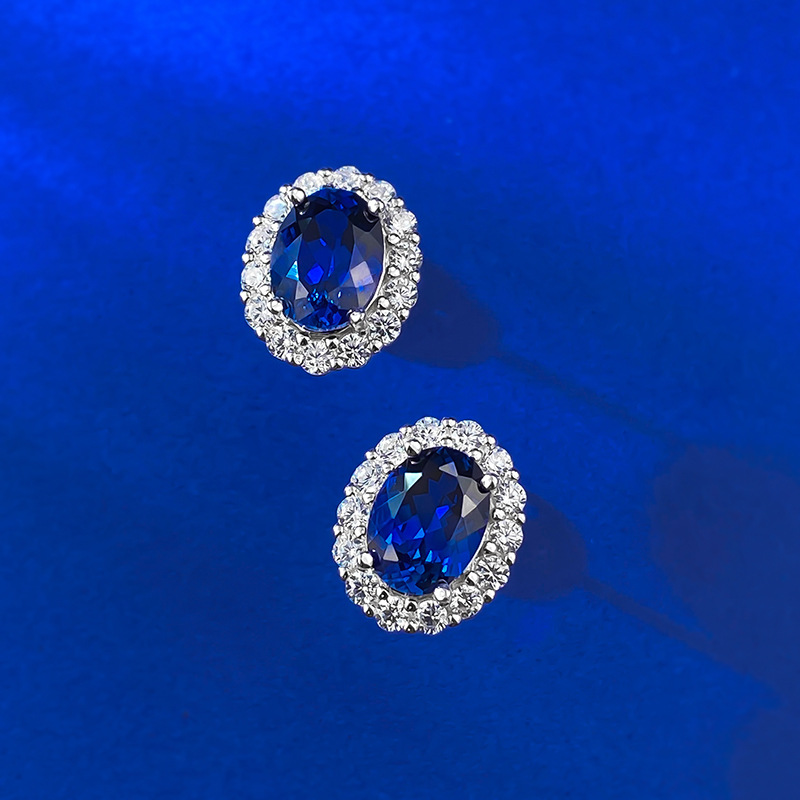
Home Safe Jewelry Inventory Update Checklist: DIY or Appraisal?
A home safe jewelry inventory update checklist helps you prove what you own before you need to prove it. It keeps receipts, photos, appraisals, grading reports, repair notes, and insurance details in one organized record.
That record matters because memory gets fuzzy after a loss, and a receipt rarely describes a ring, bracelet, or heirloom well enough by itself. A credit card statement can show that you bought jewelry, but it usually will not prove the diamond shape, carat weight, color grade, metal purity, ring size, setting style, or current replacement cost.
At StoneBridge Jewelry, we've found that customers feel more prepared when they document a new piece the same day it arrives. That habit is especially helpful for lab-grown diamond engagement rings, diamond studs, tennis bracelets, eternity bands, and custom jewelry.
The best system depends on the value of your jewelry, your insurance policy, and how much proof you would want if a piece were lost, stolen, or damaged. For many collections, the strongest approach combines a DIY spreadsheet with appraisal-backed records for higher-value pieces.
What a Home Safe Jewelry Inventory Update Checklist Should Do
A useful home safe jewelry inventory update checklist should answer four questions: what is the item, what proves ownership, what supports value, and where is it stored? If your record answers those clearly, it becomes useful for insurance, repairs, estate planning, and future shopping.
The Insurance Information Institute recommends keeping photos, receipts, serial numbers, and appraisals for valuable belongings. The National Association of Insurance Commissioners also advises homeowners to keep a current home inventory and store a copy away from the property.
Jewelry needs sharper detail than most household items. A line that says diamond ring is weak. A line that says 14K white gold solitaire engagement ring, 2.00 ct oval lab-grown diamond, F color, VS1 clarity, IGI Report Number, ring size 6.25, purchased in 2024 is much stronger.
Your home safe jewelry inventory update checklist should include:
- Item type, metal, purity, size, length, clasp, setting style, and engraving
- Diamond or gemstone shape, carat weight, color, clarity, cut grade, and measurements
- GIA, IGI, GCAL, or other grading report numbers when available
- Purchase date, seller, receipt, payment record, and warranty details
- Current replacement value, appraisal date, and insurance status
- Photos of the front, back, side, hallmark, engraving, clasp, certificate, and packaging
- Storage location, such as home safe, bank safe deposit box, daily wear, or gifted
The Gemological Institute of America, or GIA, identifies the 4Cs as carat weight, color, clarity, and cut. Add those details to your jewelry records whenever a diamond report is available.
For fine jewelry, small details can separate one replacement from another. A 1.50 ct round lab-grown diamond with G color and VS2 clarity is not the same as a 1.50 ct round with J color and SI2 clarity. A platinum four-prong solitaire is not the same as a 14K white gold hidden-halo ring with a cathedral shank. If a claim ever needs to be reviewed, those differences affect replacement options and price.
Use plain language, but be specific. Instead of writing white metal ring, write 14K white gold ring, rhodium plated, size 6.5, four-prong basket setting. Instead of writing diamond earrings, write pair of 14K yellow gold martini-set lab-grown diamond studs, 2.00 ctw, screw backs, IGI reports filed. That level of description is also helpful if you later compare upgrades, tradeoffs, or matching pieces.
DIY Jewelry Inventory: Fast, Cheap, and Easy to Start
A DIY home safe jewelry inventory update checklist usually starts with a spreadsheet, phone photos, scanned receipts, and cloud folders. You can build it in Google Sheets, Excel, Numbers, or another tool you already use.
This method works well for smaller collections and recent purchases with clear paperwork. It also gives you a quick way to review what you own before buying another piece from StoneBridge engagement rings, diamond studs, or a bracelet.
Use one row per item. Add links to the photo folder, receipt, grading report, warranty, and appraisal if you have one.
Helpful DIY columns include:
- Inventory ID, item name, category, metal, gemstone, and measurements
- Certificate lab, report number, purchase date, seller, and purchase price
- Appraisal date, estimated replacement value, insurance status, and storage location
- Cleaning date, repair notes, resizing notes, photo link, and next review date
A DIY setup gives you control. You can tag pieces as worn often, stored in safe, needs appraisal, needs repair, or planned gift. You can also spot gaps in your collection before you shop lab-grown diamonds or start a custom design in the ring builder.
The weak point is consistency. Blurry photos, vague item names, missing receipts, and old values can limit the record's usefulness.
Make the system easy enough that you will actually use it. Create one folder for each piece, then name files consistently: receipt, certificate, appraisal, front photo, side photo, hallmark photo, and repair receipt. If you buy matching items, such as wedding bands or diamond studs, do not combine everything into one unclear folder. A pair of earrings can share one folder, but each certified diamond should have its own report number recorded.
Phone photos are usually enough for a DIY inventory if they are clear, well lit, and close enough to show identifying details. Place the jewelry on a matte white or gray cloth near a window, turn off harsh flash, and take several angles. Photograph the item next to its receipt or grading report once, then photograph the piece alone. For rings, include a top view, profile view, inside shank stamp, center stone close-up, and any engraving. For bracelets and necklaces, include the clasp, safety lock, hallmark, full length, and close-up of the stones.
When a DIY Record Is Usually Enough
A DIY inventory may be enough for lower-value fashion jewelry, everyday silver pieces, simple gold chains with current receipts, and fine jewelry that is not scheduled separately on insurance. It is also useful for documenting jewelry you wear often but would not pay to appraise individually.
For example, a 14K gold chain purchased for a few hundred dollars may not need a formal appraisal if you have the receipt, photos, length, gram weight if available, and clasp style. A simple pair of Small Diamond Huggies may be documented well enough with the order confirmation, metal type, approximate total carat weight, and photos. Always check your insurer's threshold, because some policies require appraisals above a specific dollar amount.
Appraisal-Backed Inventory: Stronger Proof for Valuable Jewelry
An appraisal-backed home safe jewelry inventory update checklist adds expert documentation to your personal records. A professional appraisal describes the finished jewelry item, not only the loose diamond.
That distinction matters. A lab-Grown Diamond Report may describe a 2.00 ct round diamond with E color and VS1 clarity. It may not describe the platinum setting, side stones, ring size, workmanship, condition, or replacement value of the finished ring.
A qualified appraiser or experienced jeweler can document metal type, stone measurements, diamond quality, condition, construction, and current replacement value. For diamonds, the appraiser should reference the GIA, IGI, or GCAL report number when one exists.
Professional documentation is best for:
- Engagement rings and wedding jewelry
- Lab-grown diamond jewelry with grading reports
- Diamond tennis bracelets and diamond studs
- Heirloom pieces with missing receipts
- Custom jewelry and anniversary gifts
- Any item scheduled on a jewelry insurance rider
Professional appraisals require more time and money than a DIY record. Fees vary by market and item complexity, and values may need updates every 2 to 5 years depending on insurer rules, market changes, and the value of the piece.
A good appraisal should be item-specific and dated. It should identify the purpose of the appraisal, such as insurance replacement, estate, fair market value, or liquidation. These are not always the same value. Insurance replacement value is commonly used for coverage, while estate and resale contexts may use different standards. If you are using the Appraisal for Insurance, ask that the document clearly states replacement value and describes the jewelry in enough detail for a comparable replacement.
Ask whether the appraiser charges by item, by hour, or by complexity. Avoid appraisals based on a percentage of the item's value, because that can create a conflict of interest. For a straightforward Engagement Ring with a Lab report and receipt, the appraisal may be quicker than for an antique brooch with multiple unmounted-looking stones, worn prongs, and no paperwork.
Bring every supporting document to the appointment: receipt, diamond report, previous appraisal, repair history, warranty card, and photos. If a diamond has a laser inscription, ask whether the appraiser can verify that the inscription matches the grading report. For lab-grown diamonds, the appraisal should identify the diamond as lab-grown, not natural, and should cite the report details accurately.
DIY vs Appraisal-Backed Checklist Comparison
Use this table to choose the home safe jewelry inventory update checklist that fits your collection.
| Comparison Point | DIY Spreadsheet and Photos | Appraisal-Backed Digital Records |
|---|---|---|
| Cost | Lowest cost | Higher cost due to appraisal fees |
| Setup time | Same-day setup | Appointment required |
| Detail level | Good if you are careful | Stronger item-level documentation |
| Insurance support | Useful for basic records | Better for scheduled jewelry coverage |
| Photos | Depends on your skill | Often clearer and more consistent |
| Valuation | Limited without expert review | Supports current replacement value |
| Best fit | Smaller collections and newer purchases | Fine jewelry, heirlooms, and insured pieces |
Many jewelry owners do not need to choose one system forever. A hybrid system works best for most fine jewelry collections.
Keep a DIY home safe jewelry inventory update checklist for every item. Add appraisals for pieces that are expensive, hard to replace, or emotionally significant.
One practical rule is to sort your collection into three tiers. Tier one includes everyday pieces that need photos and receipts only. Tier two includes better fine jewelry that needs a careful DIY record plus periodic value checks. Tier three includes engagement rings, high-carat diamond jewelry, custom pieces, and heirlooms that deserve appraisal-backed documentation. Your own insurer may set different rules, so use those requirements as the final guide.
Best Checklist Fields for Lab-Grown Diamonds
Lab-grown diamonds deserve precise records because pricing, availability, and replacement options can change. Your home safe jewelry inventory update checklist should capture both the stone and the finished piece.
For a lab-grown diamond engagement ring, record the diamond shape, carat weight, color, clarity, cut grade, measurements, report number, inscription status, metal, setting style, ring size, and purchase price. Add photos of the ring, certificate, receipt, hallmark, and any engraving.
If you buy a loose diamond first, file the grading report before setting the stone. After the ring is finished, add the appraisal or finished-jewelry description so the record reflects the complete item.
These details also help with future upgrades. If you later compare a larger center stone, a new setting, or a matching band, your records show exactly what you already own.
For round brilliant diamonds, record the cut grade, polish, symmetry, fluorescence, table percentage, depth percentage, and measurements when listed. A round diamond with Excellent cut, Excellent polish, Excellent symmetry, and balanced proportions may not replace the same way as a stone with weaker make, even if the carat weight and color look similar on paper.
For fancy shapes such as oval, emerald, pear, cushion, radiant, marquise, and princess cuts, measurements are especially important. Two 2.00 ct oval diamonds can face up differently depending on length-to-width ratio and depth. An oval with a 1.40 ratio has a different look than a longer 1.50 ratio. An emerald cut with broad flashes and VS1 clarity may be chosen for a very different reason than a radiant cut selected for extra sparkle. Put those preferences in the notes field.
For lab-grown diamond jewelry, also record whether the item was bought as a complete piece or assembled from a loose stone and setting. If the diamond was custom set, note the mounting style, prong count, side stone details, and any CAD approval or design notes. A custom hidden halo, French-set pave shank, or low-profile bezel can affect replacement cost, comfort, and repair needs.
Diamond Specs That Belong in the Record
When a certified diamond is involved, do not stop at carat weight. Add the full report details if you can. Useful fields include shape, carat weight, color, clarity, cut grade if applicable, polish, symmetry, fluorescence, measurements, report date, report number, and laser inscription. For a lab-grown diamond, record the growth method if the report lists it, such as CVD or HPHT.
For buying guidance, many shoppers choose lab-grown engagement diamonds in the D to H color range and VS1 to SI1 clarity range, depending on shape and budget. Step cuts such as emerald and Asscher show inclusions more easily, so VS2 or better is often preferred. Brilliant cuts such as round, oval, cushion, radiant, and pear can hide inclusions better, making an eye-clean SI1 or VS2 a strong value when the grading report and visual inspection support it.
Cut quality is where many buyers should be careful. A larger diamond with poor proportions can look smaller, darker, or less lively than a slightly smaller well-cut stone. If you are choosing between a 2.25 ct diamond with weaker light performance and a 2.00 ct diamond with a better cut, the smaller stone may be the better purchase. Your inventory notes can preserve why you chose one stone over another, which is useful later if you upgrade or insure the piece.
Metal, Setting, and Sizing Details to Record
The metal and setting are not background details. They affect durability, maintenance, comfort, price, and replacement accuracy. Your checklist should state whether the piece is platinum, 18K gold, 14K gold, sterling silver, or another metal. For gold, include the color: yellow, white, rose, or mixed metal.
Platinum is dense, naturally white, and often chosen for engagement rings because it holds prongs well and does not require rhodium plating. It can cost more than 14K gold and develops a soft patina over time. 14K gold is a popular balance of durability and price, especially for daily-wear rings. 18K gold has a richer gold content and color, but it may be softer in some designs. White gold usually needs periodic rhodium plating to maintain a bright white finish.
Setting style matters just as much. A solitaire is classic, easy to clean, and often less expensive than a heavily accented setting. A halo or hidden halo can add sparkle and presence, but it also adds small stones that may need inspection. Pave bands look delicate and bright, yet they are harder to resize and can lose tiny stones if worn hard. Bezel settings protect the diamond edge and suit active wearers, but they can make a stone look slightly more contained than prongs. Cathedral shoulders add structure, while low-profile settings can be more comfortable under gloves.
Record sizing details before and after any adjustment. Ring size, chain length, bracelet length, earring back type, and pendant bail size all affect wearability. Eternity bands are especially important because full-eternity rings can be difficult or impossible to resize without rebuilding part of the ring. If your diamond eternity band is size 6.25, 14K yellow gold, 2.50 ctw, shared-prong, with stones all the way around, that should be in the record.
For tennis bracelets, note the total carat weight, number of stones, average stone size, metal, length, clasp type, and safety features. A 7-inch 10.00 ctw bracelet with a box clasp and double safety is not the same as a 6.5-inch 3.00 ctw bracelet with a single safety. For diamond studs, note total carat weight, individual carat weight if known, backing style, basket style, and whether the diamonds are certified as a pair.
Price Ranges and Value Notes for Better Buying Decisions
Your inventory is also a buying tool. When you track what you paid, what the piece is worth for insurance replacement, and what similar pieces cost now, you avoid buying duplicates by accident and you understand where your jewelry budget is going.
Price ranges vary by diamond quality, metal, brand, design complexity, and market conditions, but a few general categories are useful. Simple 14K gold chains may range from a few hundred dollars to several thousand dollars depending on length, style, and gram weight. Lab-grown diamond studs can vary widely based on total carat weight and grades; smaller everyday pairs may be under $1,000, while larger certified pairs in premium color and clarity can cost several thousand dollars. Lab-grown diamond engagement rings often range from the low thousands to well over $10,000 depending on center stone size, specs, metal, and setting details.
For tennis bracelets, total carat weight drives much of the price, but it is not the only factor. A bracelet with well-matched lab-grown diamonds, secure construction, bright metalwork, and a reliable clasp may cost more than a bracelet with inconsistent stones or lighter construction. Custom rings also need careful documentation because the value is not only the center diamond. CAD work, hand finishing, side stones, engraving, and metal weight all contribute to the finished cost.
Do not confuse purchase price, appraisal value, and resale value. A replacement appraisal is often designed to help replace the item through normal retail channels. Resale value is what a buyer might pay on the secondary market, and it can be lower. Your checklist can include separate fields for purchase price, insured value, and resale estimate if you need them, but do not assume they are interchangeable.
Best Checklist Fields for Heirlooms
Heirlooms need more than market value. They need history.
For inherited jewelry, add family notes, prior owner names, old appraisal copies, repair history, known stone replacements, and any legal or estate paperwork. Photograph hallmarks, engravings, handmade details, wear patterns, and the original box if you have it.
A professional appraisal can help establish material value. Your written notes preserve the story that insurance paperwork cannot capture.
If an heirloom will pass to a specific person, keep that decision with your estate documents. Your home safe jewelry inventory update checklist can note that the item has estate instructions, but legal documents should carry the formal direction.
Heirloom records should also include condition notes. Write down whether prongs are worn, stones are chipped, enamel is damaged, pearls are peeling, or the shank is thin. These notes help separate pre-existing condition from future damage. If you decide to reset stones from an heirloom, photograph the original piece thoroughly before any work begins and keep the jeweler's estimate with the record.
Be careful with antique and vintage jewelry before cleaning or resizing. Foil-backed stones, old mine cuts, old European cuts, glued components, seed pearls, and delicate filigree can be damaged by aggressive cleaning or improper repair. Do not put an heirloom into an ultrasonic cleaner unless a jeweler confirms it is safe. For pearls and opals, record that they require gentle care and should be kept away from heat, chemicals, and long dry storage.
Insurance, Shipping, and Return Documents to Save
Insurance paperwork should sit beside your jewelry records, not in a separate mystery folder. Save the policy declarations page, jewelry rider or scheduled item list, insurer correspondence, appraisal submissions, and coverage limits. Note whether the policy covers mysterious disappearance, theft, damage, travel, and replacement through a preferred jeweler.
If your insurer schedules individual jewelry items, compare the schedule to your inventory at least once a year. Make sure the ring you upgraded, the bracelet you gifted, and the earrings you sold are reflected correctly. If your engagement ring was resized, reset, or upgraded from a 1.50 ct center diamond to a 2.50 ct center diamond, send updated documentation to your insurer instead of assuming the old record still protects you.
Shipping and return records are often overlooked. For Online Jewelry Purchases, save the order confirmation, shipping confirmation, tracking number, delivery confirmation, return policy, warranty terms, and any email about resizing or exchanges. If the package required signature confirmation, keep that record. If you returned a piece, note the return authorization number and refund confirmation so it does not remain listed as jewelry you still own.
For higher-value shipments, record whether the package was insured, who shipped it, and when it was received. If you send a ring for resizing, repair, or appraisal, photograph it before shipment and keep the intake receipt from the jeweler. The safest records show the full chain: sent for repair, received by jeweler, work completed, returned to owner, and inspected after return.
Care and Maintenance Notes That Make the Checklist More Useful
A home safe jewelry inventory update checklist should not only help after a loss. It should help you prevent avoidable damage. Add maintenance fields for cleaning, inspection, prong tightening, rhodium plating, clasp repair, restringing, and resizing.
Engagement rings worn daily should be inspected regularly for loose prongs, worn tips, bent heads, and thinning shanks. Pave rings need closer attention because small melee stones can loosen over time. Tennis bracelets should be checked for weak links and clasp security. Stud earrings should be checked for worn posts and loose friction backs or screw backs.
Care notes should be practical. Diamonds can handle more cleaning than many gemstones, but the setting may not. Warm water, mild dish soap, and a soft brush are safe for many diamond rings, but ultrasonic cleaners can loosen stones in fragile settings and can damage certain gems. Pearls should be wiped with a soft cloth and stored away from sharp jewelry. Sterling silver may tarnish and should be stored in an anti-tarnish pouch. White gold may need rhodium replating when it starts to look warmer or slightly yellow.
After any repair, update the inventory. If a ring is resized from 6.5 to 6.25, write it down. If a head is replaced, note the new metal and date. If a clasp is upgraded on a tennis bracelet, photograph the new clasp. These details can matter for future value, warranty questions, and insurance replacement.
Common Inventory Mistakes to Avoid
The most common mistake is waiting until a move, loss, divorce, estate issue, or insurance renewal to build the inventory. By then, receipts may be missing and details may be hard to verify. Update the record while the purchase is fresh.
Another mistake is relying only on beauty photos. Lifestyle photos are nice, but insurance and appraisal records need identifying photos: hallmarks, inscriptions, backs, sides, clasps, certificates, and close-ups. A ring on a hand does not prove enough by itself.
Do not group too many items into one vague entry. A jewelry box photo with ten pieces in it is not a substitute for individual records. Each ring, bracelet, necklace, pendant, and pair of earrings should have its own inventory ID. If a necklace and pendant can be worn separately, consider separate entries, especially if they were purchased at different times or have different values.
Do not forget gifts. If you give jewelry to a spouse, child, or partner, note whether it still belongs on your inventory or theirs. If you receive jewelry as a gift, ask for any certificate, appraisal, or warranty information. The giver does not have to share the price if they prefer privacy, but documentation can still support future care and insurance.
Finally, do not let old appraisals sit unchanged forever. Diamond and metal markets shift, lab-grown diamond pricing evolves, and replacement costs for settings and labor can change. If an appraisal is outdated, your insurance coverage may be too high, too low, or based on details that no longer match the item.
How to Update Your Jewelry Inventory Step by Step
Use this workflow once a quarter, after a major purchase, or before renewing insurance.
- Remove one item from the safe and place it on a clean, soft cloth.
- Check the item against your existing record.
- Photograph the front, back, side, hallmark, engraving, clasp, and certificate.
- Match the item to its receipt, grading report, appraisal, warranty, and repair notes.
- Update purchase price, replacement value, appraisal date, and insurance status.
- Flag missing paperwork, loose stones, worn prongs, weak clasps, or unclear photos.
- Back up files in encrypted cloud storage.
- Keep a printed summary somewhere separate from the jewelry.
Do not store the only copy of your inventory inside the same safe as the jewelry. If the safe is damaged or stolen, your records could disappear with the collection.
Work slowly and handle one piece at a time. It is easy to mix up certificates for diamond studs, eternity bands, or similar solitaire rings if several pieces are on the table. Put each item back in its pouch or tray before removing the next one. If you are updating records with a partner, have one person handle the jewelry and the other update the spreadsheet.
After the inventory review, create a short action list. One ring may need prong work, one bracelet may need an appraisal, one pair of earrings may need replacement backs, and one necklace may need to be added to insurance. The checklist is most valuable when it leads to those small fixes before a larger problem occurs.
Which Inventory System Should You Choose?
Choose DIY if your collection is small, your receipts are current, and your main goal is organization. It is quick, inexpensive, and easy to update after each StoneBridge purchase.
Choose appraisal-backed documentation if you insure your jewelry separately, own high-value pieces, or have heirlooms without purchase receipts. It gives you better proof of value and clearer replacement details.
For most StoneBridge shoppers, the smart answer is hybrid. Keep a personal home safe jewelry inventory update checklist for every ring, bracelet, earring, pendant, and band. Add appraisal support for engagement rings, diamond studs, tennis bracelets, custom pieces, and sentimental items.
Before your next purchase, review what you already own. Maybe you have enough yellow gold. Maybe your diamond studs need an updated appraisal before you add a tennis bracelet. A clear inventory makes those choices easier.
You can also build the habit around new purchases. Browse fine jewelry at StoneBridge, save the receipt, photograph the piece, file the certificate, update insurance, and then place it in the safe.
If you are actively shopping, use the inventory to set smarter specifications. If your current engagement ring is a 1.25 ct round G VS2 in 14K white gold, your upgrade notes might specify whether you want more size, a warmer yellow gold setting, a different shape, or a more durable setting for daily wear. If your jewelry box already has several delicate pave pieces, you may decide the next purchase should be a smoother bezel pendant or classic studs that need less maintenance.
The same logic applies to budget. A clear inventory can show whether your money is better spent on a new item, an appraisal update, a setting repair, or insurance coverage. Many jewelry buyers enjoy the shopping step and delay the documentation step, but the two work best together.
Final Checklist Before Your Next Jewelry Purchase
A home safe jewelry inventory update checklist is not busywork. It protects your collection, supports insurance conversations, and helps you shop with a clearer plan.
DIY records are fine for basic organization. Appraisal-backed records are stronger for pieces with meaningful replacement value. A hybrid system gives you both convenience and better documentation.
Before You Buy another ring, bracelet, pendant, or pair of earrings, update your records first. You'll know what is insured, what needs repair, what deserves appraisal support, and what belongs on your wish list next.
Before checkout, confirm the details you will want in your records: metal type, ring size or length, diamond specs, grading report, return period, resizing policy, warranty terms, and shipping method. After delivery, inspect the piece, match it to the receipt and certificate, photograph it, and add it to the checklist before it disappears into daily wear.
A strong inventory turns jewelry ownership into something calmer and more deliberate. You know what you own, why you chose it, how to care for it, and what documentation supports it. That is useful whether you are protecting an heirloom, insuring a new lab-grown diamond ring, or planning the next StoneBridge piece for your collection.
Ready to Find Your Perfect Diamond?
Explore our collection of certified lab-grown diamonds
Shop Diamonds