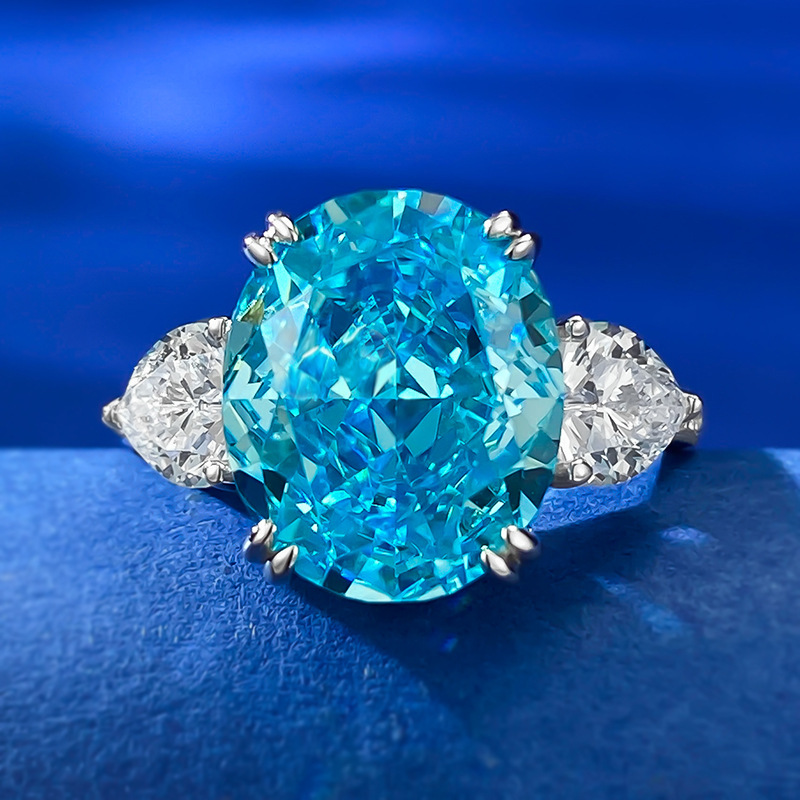
Hidden Halo Ring Care Buying Guide: Compare Before You Buy
A hidden halo ring care buying guide belongs in the shopping stage, not after a prong loosens or the underside starts to look cloudy. Hidden halo settings place small diamonds beneath the center stone, which adds sparkle and also creates more places for lotion, soap, and dust to collect.
This hidden halo ring care buying guide helps you compare cleaning effort, inspection needs, and metal Durability Before You choose a setting. GIA explains that oil, lotion, and dirt can reduce light return quickly, so upkeep affects appearance more than many buyers expect.
If you want a ring that stays bright with less effort, maintenance should be part of the buying decision. A beautiful setting only works well if it stays easy to clean at home.
What to Compare Before You Buy
Start with the setting itself. A hidden halo ring care buying guide should focus on the space under the center stone, the prong layout, and how open the basket area is.
Compare the under-gallery shape, the stone setting style, and the clearance beneath the center stone. A higher, more open head usually gives you better access for rinsing and brushing away buildup. A low, tight design may look sleek, but it can trap soap and hand cream more easily.
Metal choice matters too. 14k gold is 58.3% gold, while 18k is 75%, so 14k is usually harder for everyday wear. Platinum jewelry is often about 95% platinum, which gives it a different feel and wear pattern. None of these metals is maintenance free, but they age differently.
Many buyers ask whether a lab-grown diamond changes the care plan. It does not. A hidden halo ring care buying guide treats lab-grown and natural diamonds the same for cleaning because the setting does most of the maintenance work. IGI or GIA grading can confirm stone quality, but those reports do not tell you whether the prongs are wearing down.
Rings with tight pavé and narrow galleries tend to collect grime faster than rings with a more open frame. If you wear your ring during workouts, travel, or hands-on work, that detail matters more than a showroom image.
Diamond and Setting Specs Worth Comparing
Center-stone specs influence how much maintenance the ring needs in real life. Cut quality has the biggest effect on brightness, so a well-cut diamond often looks cleaner longer because it returns more light even when minor residue builds up. Color and clarity matter too, but they should be balanced against cut and the setting style rather than treated as the only priorities.
For round brilliants, buyers usually compare GIA or IGI reports that list cut, color, clarity, and carat weight. For fancy shapes, the report is still useful, but the setting can hide more or less of the stone depending on the head design. A hidden halo can make a smaller center stone look larger, which means you may be able to choose a slightly lower carat weight and spend more on cut quality or a sturdier mounting.
Accent stones in the hidden halo are usually small melee diamonds. Their color does not need to match the center stone perfectly, but it should be close enough that the ring reads as one piece under normal lighting. If the halo stones are too white or too warm relative to the center stone, the contrast can become noticeable.
Prong count also affects upkeep. Four-prong heads expose more of the center stone and can be easier to inspect, while six-prong settings may feel more secure but can hide grime around the head. A hidden halo with delicate micro-pavé will need more careful brushing than a simpler ring with plain metal shoulders.
If you are comparing price points, it helps to know that hidden halo settings often add cost through labor rather than just material weight. A basic hidden halo engagement ring may start around the low-to-mid four figures depending on center stone size and metal, while more elaborate versions with larger diamonds, platinum, or intricate pavé can climb much higher. The maintenance burden rises with that complexity.
At-Home Hidden Halo Ring Care
At-home care is the lowest-cost way to keep sparkle high. A hidden halo ring care buying guide usually starts here because the routine is simple, repeatable, and easy to fit into weekly maintenance.
Use lukewarm water, a drop of mild dish soap, and a soft toothbrush. Soak the ring for a few minutes, brush around the center stone and under-gallery, rinse well, and dry with a lint-free cloth. Keep your touch light. Scrubbing harder does not clean better, and it can wear the finish faster.
Skip toothpaste, baking soda, bleach, and rough jewelry cloths. Those products can scratch metal or leave residue behind.
Home care works best after lotion, sunscreen, makeup, or sanitizer use. Those products settle in the hidden halo area quickly because airflow is limited under the setting. A quick rinse after heavy wear can make a noticeable difference.
The limit is inspection. You can make the ring look cleaner without noticing a loose melee stone or a bent prong. A hidden halo ring care buying guide should treat DIY cleaning as surface maintenance, not a full health check.
What Safe DIY Cleaning Looks Like
Start with a bowl, not an open sink. Rings are small, and one slip can send them down the drain. Use a soft brush on the underside, around each prong, and where the head meets the shank.
Dry the ring fully before you put it back on. Then hold it under a bright light and look for cloudiness, snagging, or a stone that seems higher or lower than the others. Those small signs are worth noticing early.
If the ring still looks dull after careful cleaning, the issue may be trapped buildup or wear in the setting. That is the point where home care should stop and a jeweler should take over.
Where DIY Care Falls Short
The biggest gap is depth. A toothbrush can reach a lot, but it cannot test stone tightness or reveal wear inside the gallery. That matters on a hidden halo because the tiny accent stones sit in a spot you do not see all day.
DIY care works best for buyers who want a low-cost habit between service visits. It is not a substitute for an inspection.
Professional Hidden Halo Ring Care
Professional service deserves equal weight in a hidden halo ring care buying guide. Jewelers can clean more deeply, check each stone, test prong tightness, and spot wear before it becomes a repair bill.
That deeper clean matters because ultrasonic and steam cleaning can reach places a home brush cannot. A hidden halo ring care buying guide should also recognize that not every ring is a good candidate for every method. Some treated gems and delicate settings need a gentler approach.
Professional service is where problems hidden from the top surface show up. A ring can look fine in a mirror and still have a worn basket or a loose accent stone underneath. Waiting for a stone to fall out is the expensive option.
Most daily-wear rings do well with professional inspection every 6 to 12 months. Heavy wear may call for a shorter interval. Many buyers prefer a spring and fall check so the ring gets looked at twice a year.
Cost varies, but a basic inspection may be free at the retailer or modest at a local jeweler. Repairs, tightening, and polishing add cost, yet they are still less expensive than replacing a lost stone.
What a Service Visit Should Include
A good visit should cover the center stone, the hidden halo accents, the prongs, the shank, and the under-gallery. The jeweler should confirm the ring sits straight and that the head has not twisted.
Ask what cleaning method they plan to use. Ultrasonic cleaning works well for many diamond rings, but a jeweler should match the process to the stone and setting instead of using a one-size-fits-all routine.
A complete visit ends with a visual check and a clear explanation of anything found. If the ring comes back without a review of what was inspected, the service was incomplete.
When Professional Care Is Worth It
Book a jeweler sooner if the ring catches on fabric, feels rough, or stays cloudy after home cleaning. Travel, gym use, gardening, and heavy hand work also make a checkup worthwhile.
If peace of mind matters most, professional care is the better fit. It gives you a trained set of eyes and a record of what changed from one visit to the next.
At-Home vs Professional Care
The tradeoffs become clear once you compare both paths side by side.
- Cost: At-home care costs very little. Professional care may be free for inspection, but repair adds expense.
- Convenience: Home cleaning takes minutes. Professional care requires an appointment.
- Cleaning depth: Home care removes surface grime. Professional cleaning reaches tight detail areas more effectively.
- Inspection quality: Home checks are visual only. A jeweler can test stone security and wear.
- Best use case: Home care works best between visits. Professional care is better for scheduled maintenance and repair prevention.
If you wear your ring daily and your routine is gentle, home cleaning plus scheduled checkups usually covers the basics. If the setting is intricate, low profile, or heavy with pavé, the professional side matters more.
For a hidden halo ring care buying guide, the right answer is usually both. The best results come from cleaning often and inspecting on a steady schedule.
How to Choose the Right Plan
Match the ring to the wearer. A hidden halo ring care buying guide should start there.
If you want a lower-maintenance ring, compare settings with easier access under the center stone. You can compare styles in our ring builder or browse our engagement ring collection to see how different heads and galleries affect upkeep.
Gold choice plays a role too. A 14k ring may resist everyday abrasion better than 18k because it contains less pure gold. Platinum wears differently, which is worth asking about Before You Buy.
If you are buying a gift, think about the person's habits. A hidden halo ring care buying guide should favor a secure, easy-to-clean design when the wearer may not know how to inspect it themselves.
For shoppers who want deeper stone education, our diamond guide can help you compare center stones alongside the setting. Stone quality and setting care are related, but they are not the same thing.
Choose At-Home Care If...
Pick this path if you like simple routines, wear the ring daily, and want to keep costs low. It works well when you are comfortable with weekly cleaning and a quick look under bright light.
It is a strong fit for buyers who notice buildup early and want to stay ahead of it. You still need inspections, but the ring can stay bright between them.
Choose Professional Care If...
Choose professional service if you want the safest path for an intricate setting or a hands-off routine. It is the better pick if the hidden halo is tight, the pavé is fine, or the ring gets a lot of hard use.
Professional care is also the better option if you do not have time to inspect the ring yourself. A trained jeweler can catch small changes before they turn into real damage.
Sizing, Fit, and Daily Wear
Ring size is not just a comfort issue. It affects how often the ring is exposed to knocks, spinning, and accidental pressure on the head. A ring that is too loose can twist and hit surfaces more often, while a ring that is too tight may be uncomfortable enough that the wearer takes it off more often and misplaces it.
Ask whether the ring can be resized without affecting the hidden halo or pavé. Some designs resize cleanly, while others have pattern work or accent stones far enough down the shank that resizing becomes more complicated. If you expect size changes later, confirm the retailer's policy before purchase.
If the buyer has larger knuckles, a slightly different fit strategy may be needed. Comfort-fit interiors can make on-off wear easier, but they should still be sized accurately. For a hidden halo ring, a proper fit also helps keep the head centered so the stones wear evenly over time.
Think about stacking as well. If you plan to add a wedding band, check how the hidden halo sits beside a straight band or a contour band. A gap is not always a problem, but the profile should be deliberate. Poorly matched rings rub against each other and create more maintenance over time.
Buying Policies to Verify
The ring itself is only part of the purchase. A hidden halo ring care buying guide should include the seller's policies because service support changes the long-term cost.
Check the return window, resizing policy, and whether the retailer covers initial cleaning or inspections. Some sellers offer one free resize, while others limit resizing on rings with side stones. That detail matters if you are buying online or as a surprise.
Shipping should be insured, trackable, and discreet. If the ring is being mailed for repair or inspection, ask how it is packaged and whether the carrier requires a signature. High-value jewelry should not be left in a mailbox or ordinary porch delivery.
Warranty terms deserve close reading. A warranty that covers manufacturing defects but excludes wear, lost stones, or routine maintenance is common. That is not a bad policy, but you should know where the line is Before You Buy. If prong tightening, cleaning, or stone replacement are included, that adds real value.
Be careful with policies that exclude coverage after third-party repair work. If you think you may use a local bench jeweler later, verify whether that would affect the original warranty.
Common Buying Mistakes
One of the easiest mistakes is focusing on carat weight and ignoring setting access. A larger center stone is attractive, but if the gallery is too tight to clean or inspect, daily maintenance becomes harder.
Another mistake is assuming all certifications cover the same things. GIA and IGI are useful for grading, but they do not replace a physical inspection of the mounting. A certified center stone can still be sitting in a weak setting.
Buyers also underestimate metal choice. If you prefer a ring that will hold its shape well through daily wear, compare 14k gold, 18k gold, and platinum with the actual use case in mind. The best metal is not the most expensive one. It is the one that fits the wearer's habits.
Skipping policy review is another problem. If resizing is limited or returns are short, it may be harder to correct a purchase that looked right online but feels wrong on the hand. A hidden halo ring care buying guide should treat seller support as part of the product.
Finally, some buyers forget to budget for the life of the ring. Annual inspections, occasional tightening, polishing, and possible resizing are normal ownership costs. Planning for them up front avoids surprises later.
Expert Recommendation
The hybrid plan works best for most owners. The strongest hidden halo ring care buying guide answer is a mix of routine home cleaning and scheduled professional inspections.
Clean at home often enough to keep oils from building up, then schedule a professional check every 6 to 12 months. That approach gives you sparkle and security. It also matches the way most daily-wear rings are used. A ring is not a museum piece, so its care should fit real life.
We recommend buying with maintenance in mind. Look for a setting with enough open space to clean easily, solid prongs, and a retailer that supports service after the sale. If you want to keep shopping, you can browse our jewelry collection or contact our jewelry team for help choosing a setting that suits your routine.
A hidden halo ring care buying guide should leave you with one simple rule: beauty matters, but upkeep matters too. The easier the ring is to clean and inspect, the better it usually wears over time.
FAQ
How do you clean a hidden halo ring safely at home?
Use lukewarm water, mild soap, and a soft brush for routine cleaning. Work gently around the hidden halo and the prongs, then rinse and dry the ring fully. Avoid harsh chemicals and abrasive pastes, since they can scratch metal or leave film behind.
If the ring still looks dull after careful cleaning, the issue may be deeper than surface grime. That is a sign to schedule professional service. Clean sparkle helps, but stone security matters more.
How often should a hidden halo ring be professionally checked?
A hidden halo ring care buying guide usually points to every 6 to 12 months for a daily-wear ring. If you work with your hands, travel often, or exercise with the ring on, a shorter interval makes sense.
A jeweler can test the prongs, inspect the gallery, and spot wear that you would miss from the top. That kind of check is hard to replace at home. It is the most practical way to catch a problem early.
Some buyers pair that schedule with a quick at-home clean each week. That keeps the ring bright between visits and gives you more chances to notice change.
Are hidden halo rings harder to maintain than solitaire rings?
Yes, a little. The extra accent stones and tighter underside create more spots where buildup can hide.
The difference is not dramatic, but it is real. A solitaire is easier to wipe clean because it has fewer details below the center stone.
If you want the look of a hidden halo without extra hassle, choose a design with good access under the head. That small choice can make routine care easier for years.
What is the best care routine for a hidden halo engagement ring?
The best routine is a mix of gentle home cleaning, careful storage, and scheduled professional checks. A hidden halo ring care buying guide should not push you toward only one method.
Keep the ring away from harsh cleaners, remove it for rough tasks, and store it separately so it does not rub against other jewelry. Then let a jeweler inspect it on a steady schedule.
That combination keeps the ring bright and lowers the chance of a loose stone going unnoticed. It is simple, and it works.
Does a hidden halo ring need special care if it has a lab-grown diamond?
Lab-grown and natural diamonds clean the same way. The diamond itself is durable, but the setting still needs regular attention.
The hidden halo, prongs, and under-gallery should all be checked over time. IGI and GIA reports can tell you about the stone, but they do not tell you how the mounting is wearing.
So the care plan stays the same: clean gently, inspect often, and book professional service when the ring needs a deeper look.
Ready to Find Your Perfect Diamond?
Explore our collection of certified lab-grown diamonds
Shop Diamonds