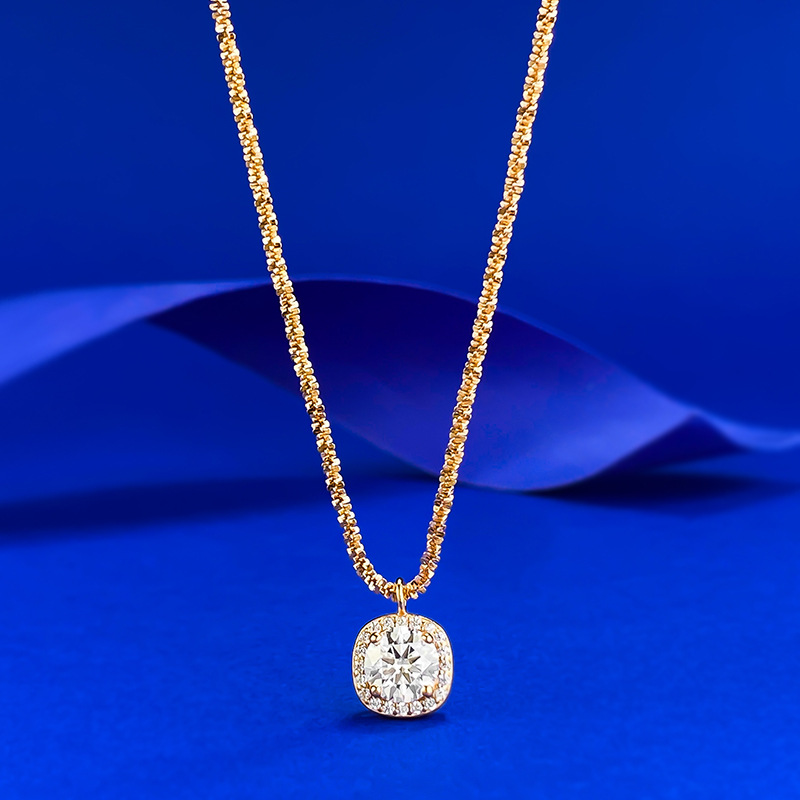
Heirloom Jewelry Repair Safe Storage Tips: Best Ways to Protect Repaired Pieces
Heirloom Jewelry Repair Safe Storage Tips matter most right after a piece returns from the jeweler. A repaired ring, brooch, bracelet, or pendant can be more vulnerable than usual, especially if it has antique prongs, a delicate chain, loose stones, or a soft finish. The right storage choice helps prevent scratches, humidity damage, bending, and accidental loss.
The best storage method depends on how often you wear the piece and how fragile it is after repair. Some heirlooms need quick access for follow-up checks. Others need long-term protection in a stable, dry place. If you are comparing Heirloom Jewelry Repair safe storage tips for a family treasure, start with value, wear frequency, and the repair itself.
Repair-Ready Storage vs. Long-Term Safe Storage
Heirloom Jewelry Repair safe storage tips usually fall into two paths, even if people do not label them that way.
Repair-ready storage works well for pieces you may want to inspect soon or wear often. It usually means a soft-lined jewelry box, a tray with dividers, or a travel case that keeps the item visible and easy to reach.
Long-term safe storage is built for preservation. It focuses on lowering exposure to humidity, dust, abrasion, and theft. That often means a lockable safe, anti-tarnish bags or strips, silica gel packs, and separate spaces so pieces do not touch.
To compare the two, look at five things:
- Security - How well does it reduce theft or accidental loss?
- Moisture control - Does it help slow tarnish and corrosion?
- Accessibility - Can you inspect or wear the piece without much handling?
- Organization - Are items labeled and kept apart?
- Damage prevention - Does it reduce scratches, bent prongs, and clasp stress?
That framework makes heirloom jewelry repair safe storage tips easier to use in daily life. A ring repaired for a loose diamond does not need the same setup as a vintage pearl necklace that only comes out on special occasions.
Repair-Ready Storage for Repaired Heirlooms
Repair-ready storage is best when a piece may need a follow-up look. Think of it as a holding area that keeps jewelry protected but easy to inspect. For many owners, it is the most practical choice right after a repair, especially during the first few weeks.
What makes repair-ready storage work well
A solid repair-ready setup should include:
- Soft lining to reduce surface wear
- Individual compartments so pieces do not rub together
- Labels or tags for quick identification
- Easy access for inspection and wear
- A clean, dry interior with no residue
If a jeweler tightened prongs, replaced a clasp, reset a diamond, or cleaned an antique setting, you may want to check the piece often. Repair-ready storage supports that habit. It also lowers the chance of misplacing a piece that still needs a post-repair check.
A gold solitaire ring with a newly tightened center stone is a good example. A platinum pendant with a fresh chain repair is another. In both cases, the storage should make inspection simple, not hide the item away.
Why owners like this option after service
This setup helps because repaired jewelry often needs a short monitoring period. Jewelers commonly suggest a follow-up check after service, especially for prongs, clasps, and settings that take daily stress. A ring may feel secure today and still deserve a careful look in a few months.
Many customers like to keep a repaired heirloom close for a while before moving it into long-term storage. That makes sense. If you are following heirloom jewelry repair safe storage tips, a visible, organized box makes it less likely you will forget a piece after a service visit.
This method works well for:
- Pieces you wear several times a week
- Jewelry waiting for a second repair or appraisal
- Items with sentimental value that you like to see often
- Heirlooms that need regular cleaning or inspection
Where repair-ready storage falls short
The tradeoff is protection. Repair-ready storage is usually more convenient than secure. That means more handling, more exposure to air and dust, and more chances for pieces to touch each other.
Its main drawbacks are:
- Higher handling risk each time you check the piece
- Less control over humidity and temperature
- Clutter can build up fast
- Lower theft resistance than a safe
This matters even more for antique settings, filigree designs, and softer gemstones. Pearls, opals, and emeralds need gentler treatment than diamonds or platinum. A repaired Victorian brooch may look fine at a glance, yet still need careful separation from harder stones and metals.
Best use cases for repair-ready storage
Repair-ready storage makes the most sense when:
- The piece will be worn soon
- A jeweler asked for a follow-up inspection
- The jewelry is in active rotation
- You want easy access for cleaning and maintenance
- The item is valuable, but not rare enough to need locked storage
A short-term approach works well here. Keep the piece in repair-ready storage after service, then move it to a more secure spot once you are confident the repair has settled.
Long-Term Safe Storage for Valuable Heirlooms
Long-term safe storage is the more protective choice. It aims to preserve the piece, limit wear, and shield it from moisture, abrasion, and mishandling. If the jewelry is very valuable, fragile, or worn only a few times a year, this is usually the stronger option.
What a strong long-term setup includes
A good long-term setup often includes:
- A lockable safe or secure jewelry cabinet
- Anti-tarnish pouches, strips, or cloths
- Humidity control, such as silica gel packs
- Separate compartments for each item
- Soft inserts that will not scratch metal or stones
- A dry storage location away from heat
GIA and other industry sources consistently stress stable storage conditions for fine jewelry. That advice matters. Humidity swings and heat can speed up tarnish, weaken adhesives, and stress finishes over time. Silver shows the problem fastest, but pearls, enamel, and mixed materials also suffer.
For gold and platinum pieces, the goal is less about rust and more about avoiding abrasion and finish wear. For silver heirlooms, anti-tarnish storage becomes even more useful because silver reacts quickly to air and moisture.
Why long-term storage protects repaired pieces well
A repaired heirloom often has fresh stress points. A reset stone depends on prong tension. A fixed chain depends on solder strength. A restored clasp depends on smooth function. Long-term safe storage helps lower the chance that any of those spots gets bumped, snagged, or exposed to extra wear.
This method is especially useful for:
- High-value diamond rings and brooches
- Antique pieces with fragile prongs or settings
- Jewelry with pearls, opals, emeralds, or other delicate stones
- Heirlooms that stay off-rotation most of the time
- Pieces waiting for appraisal, insurance paperwork, or inheritance transfer
A lockable safe also helps if the heirloom has both financial and family value. If the item has an appraisal or insurance listing, secure storage supports the same careful mindset that protects it from loss.
Limits of long-term safe storage
Long-term storage protects well, but it is not perfect.
Its common drawbacks include:
- Less convenience if you wear the piece often
- A risk of forgetting what is stored where
- The need for periodic checks
- Higher upfront cost for a quality safe and moisture tools
A jewelry safe only helps if it stays organized. Without labels, a piece can get buried behind paperwork, travel boxes, or unrelated valuables. A tidy system matters.
The room around the safe matters too. A safe in a damp basement or hot attic can still expose jewelry to damage. Stable, dry conditions matter more than simply hiding the piece away.
Best use cases for long-term safe storage
Long-term safe storage is the better fit when:
- The piece is rare or irreplaceable
- You wear it only a few times a year
- The jewelry has delicate antique workmanship
- You want stronger theft protection
- The piece has already been repaired and now needs preservation
For many families, this is the most careful way to follow heirloom jewelry repair safe storage tips. The point is not to hide the jewelry forever. It is to preserve the repaired condition so the piece can move through generations with less damage.
Side-by-Side Comparison of the Two Methods
The right choice depends on what matters most: access, protection, or a balance of both. Here is a direct comparison.
| Criteria | Repair-Ready Storage | Long-Term Safe Storage | Better For |
|---|---|---|---|
| Security | Moderate | High | Valuable heirlooms, insured pieces |
| Accessibility | High | Low to moderate | Frequently worn jewelry, follow-up checks |
| Moisture protection | Low to moderate | High | Silver, pearls, vintage settings |
| Organization | Good if labeled | Excellent if structured | Larger collections, inherited pieces |
| Damage prevention | Moderate | High | Fragile settings, loose stones, antique prongs |
| Maintenance | Simple | Needs periodic checks | Long-term preservation |
Which method works best for common jewelry types?
- Newly repaired rings: Repair-ready storage works well for short-term monitoring. A safe becomes better once the repair has been checked and the ring is not worn daily.
- Frequently worn jewelry: Repair-ready storage usually wins because access matters. Use separate compartments and a soft lining.
- Fragile antique pieces: Long-term safe storage is the stronger choice because old settings, enamel, and delicate solder lines need more protection.
- Pearls and mixed-material heirlooms: Long-term safe storage often performs better because pearls are sensitive to dryness, chemicals, and abrasion.
- Diamond and platinum pieces: Either method can work, but secure storage is better if the piece is high value or rarely worn.
Quick tradeoff summary
If convenience matters most, repair-ready storage is the easier daily choice. If preservation matters most, long-term safe storage is the better buy. Many owners need both: repair-ready storage during the recovery period after service, then secure storage once the item is stable.
That is the practical heart of heirloom jewelry repair safe storage tips. The best method depends on whether the piece is in active use or being preserved.
Who Should Choose Which Storage Style?
Your jewelry habits should lead the decision.
Choose repair-ready storage if you:
- Wear the piece often
- Need to inspect prongs, clasps, or stone settings regularly
- Are waiting for a follow-up service appointment
- Prefer easy access over maximum security
- Own a smaller collection and keep close track of each item
This works well for an engagement ring, a gold chain that gets regular wear, or a bracelet that just had a clasp replaced. It also helps if you want the piece close at hand without digging through a larger safe.
Choose long-term safe storage if you:
- Own rare or inherited heirlooms
- Have fragile settings or vintage craftsmanship
- Wear the piece only for special events
- Need stronger theft protection
- Want to reduce exposure to moisture and wear
This is often the better choice for a diamond brooch from a grandmother's collection, a platinum-and-pearl pendant, or any heirloom with appraisal documents and insurance needs.
Hybrid setups can help
Some people do best with a mixed approach. A piece may move from the jeweler to a soft travel case, then into repair-ready storage for a short time, and finally into a safe for long-term keeping. That is a smart workflow for freshly repaired heirloom jewelry.
Budget matters too. A small jewelry box with soft inserts may be enough for an everyday heirloom owner. A larger collection may justify a safe, anti-tarnish materials, and clear labels.
If you are still comparing storage options, browse our jewelry collection for pieces and accessories that help keep repaired items organized.
Expert Recommendation for Repaired Heirlooms
The strongest answer is not one box or one safe. It is a layered plan.
For most repaired heirlooms, the best approach is:
- Confirm the repair with a professional inspection
- Save photos, receipts, or appraisal notes
- Use protective storage right after repair
- Pick repair-ready or long-term storage based on wear and value
- Schedule periodic checkups for settings, clasps, and stone security
A ring that gets worn every day should not be stored the same way as a brooch that comes out twice a year. That is why heirloom jewelry repair safe storage tips need to stay flexible. One good setup can still fit different needs if you keep the system simple.
A jeweler will usually ask one question first: how replaceable is the piece? If the answer is "not at all," secure storage becomes the serious choice. If the answer is "it is worn often and needs easy access," repair-ready storage may fit better.
StoneBridge Jewelry recommendation
StoneBridge Jewelry recommends a secure, soft-lined storage solution with separate compartments and anti-tarnish support for most repaired heirlooms. A protective jewelry box works well for many pieces, while a lockable safe offers stronger long-term protection for rare items.
If you want help choosing storage for a specific piece, contact our jewelry experts. If you are planning a future purchase, shop our lab-grown diamonds and explore engagement rings to see how setting style can affect long-term care. You can also build a custom ring if you want a piece designed with storage and wear in mind.
How to Store Heirloom Jewelry Safely After Repair
Heirloom jewelry repair safe storage tips work best when your daily habits stay consistent. Small mistakes can cause avoidable damage.
What to do after every repair
- Clean and fully dry the piece before storing it
- Store each item separately to prevent scratches
- Use a soft pouch or lined compartment
- Keep clasps closed so chains do not tangle
- Label the piece if it needs a follow-up inspection
Keep jewelry away from these conditions
- Bathrooms - humidity speeds up tarnish and can affect fragile materials
- Direct sunlight - long exposure can fade some gemstones and materials
- Heat sources - heat can stress adhesives and finishes
- Loose drawers - movement can scratch polished metal and bend prongs
- Chemicals - perfume, hairspray, lotion, and cleaners can dull finishes
Use moisture control wisely
Low humidity matters. Moisture can speed up tarnish on silver and can harm certain finishes over time. Silica gel packs can help in sealed storage, but check and replace them as needed. Anti-tarnish cloths and pouches are also useful, especially for silver heirlooms or mixed-metal collections.
In our experience, the best results come from simple habits: separate storage, gentle cleaning, and regular checks. Those steps lower the risk of scratches, loose stones, and finish wear.
Set a checkup schedule
Even repaired jewelry should not be forgotten. A simple inspection rhythm works well:
- Every few months for jewelry worn occasionally
- Once or twice a year for long-term storage
- After any impact if the piece was dropped or snagged
That habit matters most for repaired rings, because prongs and settings take repeated stress from daily wear.
FAQ
What is the safest way to store heirloom jewelry after repair?
The safest way is to keep repaired heirloom jewelry in a soft-lined compartment inside a lockable jewelry box or safe. Make sure each piece stays dry and separated from other items. For rings, necklaces, and antique settings, this lowers the risk of scratches and bent prongs. It also gives you a clean place to do quick checkups after repair.
Should heirloom jewelry go in a safe or a jewelry box?
It depends on how often you wear the piece and how rare it is. A jewelry box works well for items you access often, while a safe is better for rare, valuable, or highly sentimental pieces. Many owners use both, with daily-wear pieces in a box and special heirlooms in a safe. That is one of the most practical heirloom jewelry repair safe storage tips for mixed collections.
How do I stop tarnish on stored heirloom jewelry?
Store each piece separately, use anti-tarnish materials, and keep the jewelry in a dry place. Avoid bathrooms, basements, and other damp spots. Silver benefits the most from anti-tarnish pouches and strips, but gold and mixed-metal pieces also do better in low humidity. A simple dry-storage routine can go a long way.
Can I store repaired jewelry with other pieces?
It is better not to. Even a repaired piece can get scratched if it rubs against harder stones or sharp clasps. Separate storage helps protect prongs, chains, and polished surfaces. If you only have one box, use dividers or soft pouches so each item stays apart.
How often should I check repaired heirloom jewelry in storage?
Check it every few months if you wear it now and then, or once or twice a year if it stays stored most of the time. Look for loose stones, worn clasps, or signs of tarnish. If the piece was dropped, snagged, or exposed to moisture, inspect it sooner. Regular checks are a key part of heirloom jewelry repair safe storage tips.
Ready to Find Your Perfect Diamond?
Explore our collection of certified lab-grown diamonds
Shop Diamonds