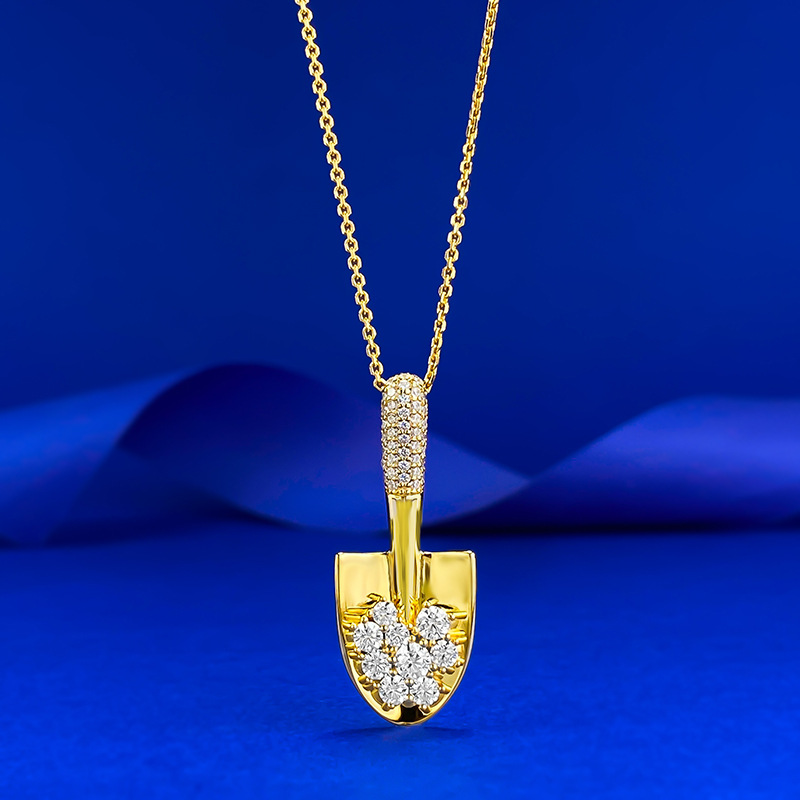
Fine Jewelry Warranty Service Completion Receipt: What to Check Before You Accept Service
A Fine Jewelry Warranty service completion receipt proves that a jeweler finished warranty work, paid repair, or scheduled maintenance on a specific piece. It connects the work to your ring, necklace, bracelet, earrings, pendant, or diamond jewelry item. That record can help later with warranty questions, insurance files, appraisal updates, resale, and future repairs.
Premium jewelry needs a clear paper trail. A receipt can show that prongs were tightened, a clasp was tested, a ring was resized, or a diamond setting was inspected. If something feels off later, the record helps you and the jeweler see what was done, when it happened, and what coverage may still apply.
Why a Jewelry Service Receipt Matters
Think of the service receipt as the partner to your original purchase invoice. The invoice shows where and when you bought the piece. The service receipt shows what happened after purchase, including cleaning, inspection, adjustment, repair, restoration, or warranty claim closure.
A good receipt does three jobs: identifies the correct item, lists the work completed, and preserves a service history you can use later. Those details can prevent confusion when two pieces look similar. I have helped plenty of customers sort through old jewelry paperwork, and the difference between a vague receipt and a detailed one is huge when a question comes up years later.
For example, a diamond engagement ring receipt should not say only “ring repaired.” It should name the metal, setting style, stone type, ring size when relevant, order number, product SKU, and service date. If the diamond has a GIA or IGI Report Number or laser inscription in the original file, that detail can support identification.
Fine jewelry has emotional and financial value. GIA explains diamond quality through the 4Cs: color, clarity, cut, and carat weight. Those details help identify the stone, while service records help show how the finished jewelry has been cared for over time.
Customers often feel more confident when they can review service notes before leaving with the piece. The receipt gives them a point of reference, not just a verbal promise. It also gives jewelers a cleaner history if the item comes back for another inspection.
Fine Jewelry Warranty Receipt Details to Check
Before you leave the store or close an online service ticket, review the receipt line by line. This is the easiest time to catch missing details, unclear charges, or a mismatch between the paperwork and the jewelry. Once you start wearing the piece again, it becomes harder to separate an old issue from a new one.
Start with the basics. The receipt should show your name, service ticket number, completion date, and the item serviced. It should also say whether the work was covered by warranty, paid separately, discounted through a service plan, or completed as courtesy maintenance.
Look for specific service notes, such as:
- Professional inspection of settings, stones, clasps, posts, hinges, or links
- Safe cleaning method used for the metal and gemstone
- Stone tightening, prong retipping, or prong reshaping
- Ring resizing, shank adjustment, or sizing bead installation
- Polishing, refinishing, rhodium plating, or surface restoration
- Chain soldering, clasp replacement, jump ring repair, or bracelet link work
- Earring back replacement, post straightening, or hinge correction
- Final quality control before release
Some services should never be assumed. Pearls, opals, emeralds, turquoise, and treated gemstones often need gentler care than diamonds, sapphires, or rubies. The receipt should reflect what was safely completed, not just what you requested.
Compare the service record with your purchase documents. For an engagement ring, check the metal, center stone shape, setting style, order number, and ring size. For a tennis bracelet, check the metal, stone count, total carat weight if listed, bracelet length, and clasp type.
A strong Fine Jewelry Warranty service completion receipt should answer six questions: Which piece was serviced? What work was done? Was it covered or billed? What did the final inspection confirm? What warranty coverage remains? What should you do next?
Customer and Item Identification
The receipt should tie the service to the correct customer and exact piece. Helpful details include metal type, karat purity, gemstone type, setting style, size, length, serial number, product SKU, and visible maker or quality marks.
Clear identification matters most when pieces look alike. Two 14K yellow gold diamond bands can have different stone weights, sizes, and warranty histories. If the receipt only says “ladies ring” or “gold chain,” ask for a clearer description (trust me, I have seen that tiny wording problem create a very big headache later).
Work Performed and Bench Checks
The service section should list what the jeweler actually completed. Useful notes may mention prong tightening, stone security checks, polishing, rhodium plating, resizing, soldering, clasp adjustment, or final inspection.
Quality control matters as much as the repair. A bench jeweler may check stone security under magnification, test clasp tension, confirm symmetry after resizing, inspect solder joints, and review the finish. For diamond jewelry, magnification can reveal lifted prongs, thinning metal, or movement that you may not see with the naked eye.
Warranty Status and Follow-Up Dates
Dates are not small details. Your receipt should show the service completion date and may also show intake date, turnaround time, follow-up window, or remaining warranty period. If the repair starts a new limited repair warranty, ask for that term in writing.
Some warranties require routine inspections every 6 or 12 months. Others exclude accidental damage, normal wear, third-party repairs, stone loss from impact, or loss of the entire item. If your receipt lists the next inspection date, save it in your calendar.
How the Receipt Protects You After Service
A Fine Jewelry Warranty service completion receipt turns a conversation into a record. If a prong was repaired, you have proof. If a clasp was replaced, you have proof. If the store inspected the ring and released it as secure, you have proof.
That proof can matter during a future warranty review. If a stone loosens after a documented inspection, the jeweler can compare the new issue with the earlier notes. Without records, the review may depend only on memory and current condition.
Insurance files benefit too. Many insurers ask for appraisals on valuable jewelry, especially engagement rings and diamond pieces above common policy limits. A service receipt does not replace a formal appraisal, but it can support maintenance history and repair details.
Appraisal records should be reviewed over time. Many jewelers and insurers suggest updating jewelry appraisals every 2 to 3 years, especially when metal or diamond prices change. If a piece has been resized, restored, or had a stone replaced, ask whether your insurer needs an updated appraisal.
Resale and gifting are easier with records. A buyer considering a pre-owned diamond ring may ask for the original invoice, grading report, appraisal, and service history. A receipt shows that the piece was maintained instead of guessed about.
Pricing, Value, and Service Transparency
A service receipt may show a balance due, a discount, or no charge. No charge does not mean no value. Warranty service still involves labor, tools, inspection time, and professional accountability.
Fine jewelry ownership includes long-term care. A diamond engagement ring worn daily may need inspections, polishing, rhodium plating for white gold, resizing, or prong work. A bracelet may need clasp service. A chain may need solder repair.
| Service Type | Common Receipt Language | Buyer Cost | What to Confirm |
|---|---|---|---|
| Warranty-covered service | Covered under warranty | Often $0 | Remaining terms and required inspections |
| Courtesy maintenance | Complimentary cleaning or inspection | Often $0 | Whether repair work was completed |
| Discounted service plan | Plan discount applied | Reduced cost | Covered amount and exclusions |
| Paid repair | Customer-approved repair charge | Varies | Labor, parts, stones, and repair warranty |
| Out-of-scope restoration | Not covered by warranty | Higher cost | Estimate approval and finish limits |
Pricing depends on the work. A basic cleaning may be same-day and complimentary. Ring resizing can vary by metal, width, stone placement, and the number of sizes changed. Platinum often takes different tools and more labor than 14K gold.
Rhodium plating is another common cost for white gold. It refreshes the bright white surface, but it wears with use. If you wear a white gold ring every day, ask how often plating is usually needed for your lifestyle.
Stone replacement is more complex. Replacing a small accent diamond is not the same as replacing a center stone. Diamond pricing can vary by carat weight, cut quality, color, clarity, shape, and whether the stone is natural or lab-grown.
Honestly, I think service support should be part of the buying decision from the start, not an afterthought. A beautiful ring matters, of course, but so does knowing who will help you care for it after the proposal, wedding, anniversary, or just-because gift moment has passed. You can browse our fine jewelry collection and compare design, metal, gemstone details, and long-term care options together.
What to Inspect Before You Wear It Again
The receipt is important, but your hands and eyes matter too. Before you accept the finished piece, take a minute to check fit, function, appearance, and paperwork. It is easier to ask for a correction at pickup than to discover a loose clasp or uneven setting later.
For rings, check size and comfort. Your finger can change with temperature, activity, hydration, and time of day, so the fit should feel secure without pinching. If the ring spins or slides over the knuckle too easily, review our ring sizing guide before approving another adjustment.
For necklaces and bracelets, test the clasp several times. The clasp should close with steady tension. The chain should lay correctly, and the bracelet should not twist or slip off.
For earrings, check the backs and posts. Backs should fit snugly, and posts should sit straight. Hinged earrings should open and close smoothly without feeling loose.
For gemstone jewelry, use good lighting. You are not expected to perform a bench inspection, but you can notice obvious movement, uneven alignment, missing accent stones, or finish differences. If a diamond was reset, confirm the orientation and setting before leaving.
After service, care habits protect the work. Remove jewelry during heavy lifting, gym workouts, swimming, gardening, and chemical exposure. Chlorine can damage certain metals, and repeated impact can loosen settings.
Diamonds rate 10 on the Mohs hardness scale, which makes them highly scratch resistant. Still, a diamond can chip from a sharp blow, and it can scratch softer gemstones or metals. Store pieces separately in lined compartments or soft pouches.
Insurance, Appraisals, and Long-Term Records
Keep your Fine Jewelry Warranty service completion receipt with your invoice, warranty terms, grading reports, appraisals, and insurance policy information. A digital copy is useful, but keep the original if you can. Organized records save time when you need service, replacement, resale, or an insurance update.
After a major repair, resizing, restoration, or stone replacement, ask whether your insurance file should be updated. The receipt can support the conversation, especially if the condition or components changed. Your insurer may still request a current appraisal.
An appraisal usually includes metal type, gemstone details, measurements, condition notes, replacement value, and sometimes grading report references. The service receipt adds maintenance history. Together, they create a clearer ownership file.
Buyers often worry about voiding coverage. The safest plan is simple: follow the warranty terms, schedule required inspections, and use authorized service providers when required. If you are unsure whether a repair is covered, ask for written approval or an estimate before work begins.
If you are shopping for diamond jewelry now, compare grading and service policies together. A GIA or IGI report supports stone identification. A Fine Jewelry Warranty Service completion receipt supports the care history after the sale.
I have helped couples choose engagement rings when every detail felt emotional, practical, and a little overwhelming all at once. My advice is always the same: choose the piece that feels right, then make sure the paperwork is strong enough to protect that choice for the long run (yes, even on a budget).
You can shop lab-grown diamonds, explore engagement rings, or start with our ring builder if you want to compare settings and stones before choosing a piece.
Fine Jewelry Warranty Service Completion Receipt FAQ
What should a fine jewelry warranty service completion receipt include?
It should include your name, the service ticket number, item description, work completed, completion date, and warranty status. For higher-value pieces, ask for the order number, product SKU, metal type, gemstone details, and grading report reference when available. The receipt should also note any final inspection, such as stone security or clasp function. If the item description feels too vague, ask the jeweler to update it before you leave.
Is a jewelry service receipt the same as an appraisal?
No. A service receipt documents work performed, while an appraisal estimates value and describes the item for insurance or resale purposes. Both records are useful, but they do different jobs. Keep them together so you can show value, identity, and maintenance history in one file.
Can a receipt help if a diamond or gemstone loosens later?
Yes, it can help the jeweler review what was checked or repaired during the last visit. The receipt may show whether prongs were tightened, stones were inspected, or a setting was restored. It does not guarantee every future issue is covered, but it gives the review a clear starting point. Bring the receipt with you when you request follow-up service.
How long should I keep a jewelry warranty service receipt?
Keep it for as long as you own the jewelry. Fine jewelry can last for decades, and a long service history can help with insurance, gifting, resale, and future repair decisions. Store the receipt with your invoice, appraisal, grading report, and warranty terms. If you scan it, make sure the service date and item details are easy to read.
Does third-party repair affect warranty coverage?
It can. Many jewelry warranties limit coverage if another jeweler resizes, solders, resets, or repairs the piece without approval. Before using a third-party repair shop, read the warranty terms and ask the original seller for written guidance. A proper jewelry repair receipt can help, but it may not restore coverage if the work was excluded.
Shop Fine Jewelry With Clear Service Records
The best time to ask about service documentation is Before You Buy. A beautiful ring, pendant, bracelet, or pair of earrings should come with clear purchase records, plain warranty terms, and a reliable plan for future care.
Before checkout, compare the design, metal, gemstones, warranty coverage, and service process. Ask how inspections are documented. Ask what happens if a stone loosens, a clasp fails, or a ring needs resizing.
Here is what nobody tells you until something goes wrong: the paperwork is part of the gift. Not the romantic part, maybe, but definitely the part that helps your future self breathe easier. When a ring marks a proposal, a wedding, or a milestone anniversary, that extra care feels like one more way to protect the meaning behind it.
Clear answers make the purchase easier to trust. They also make ownership less stressful. If you already own a StoneBridge piece, save every service receipt so future maintenance, insurance updates, and ownership decisions stay simple.
A jewelry service receipt is not just paperwork. It is proof, protection, and peace of mind for the life of your jewelry.
Ready to Find Your Perfect Diamond?
Explore our collection of certified lab-grown diamonds
Shop Diamonds