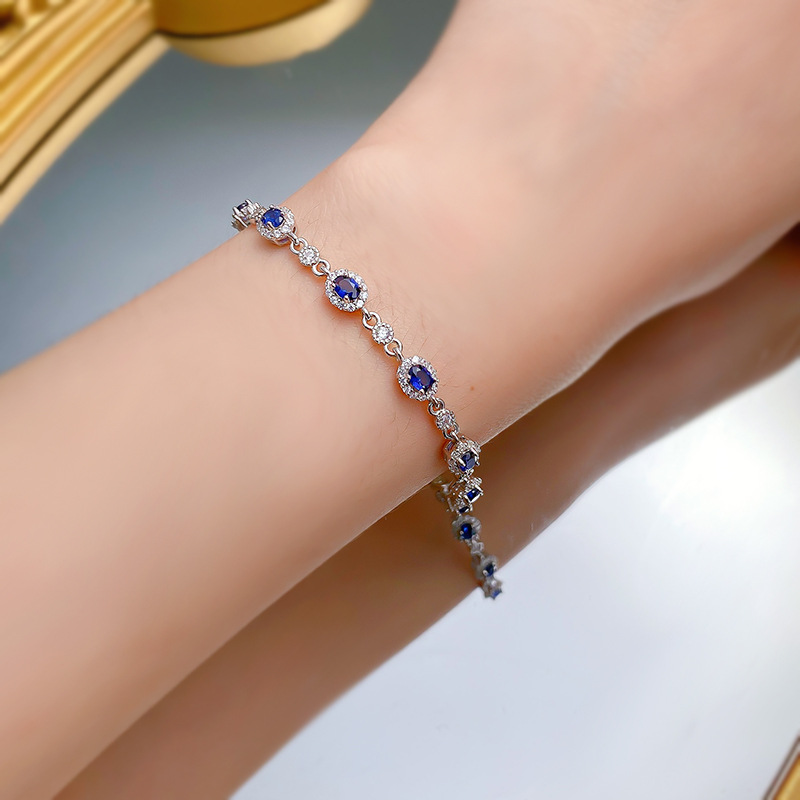
Fine Jewelry Warranty Exception Review Checklist for Smart Buyers
A Fine Jewelry Warranty exception review checklist helps you spot the details that matter Before You Buy. It shows what may be covered, what may be excluded, and which care steps can affect service later.
That matters when you're buying a lab-grown diamond engagement ring, wedding band, tennis bracelet, diamond studs, necklace, or a gift meant to be worn often. Fine jewelry should feel exciting, not confusing. The right questions can save you stress after checkout.
At StoneBridge Jewelry, customers often ask about sizing, lost stones, prong wear, cleaning, and insurance before they commit. I've helped many couples compare the dreamy part of jewelry shopping with the practical part, and the best purchases usually honor both. Buyers feel more confident when they review warranty limits alongside style, metal, setting, and lifestyle fit.
Why a Fine Jewelry Warranty Exception Review Checklist Matters
A Fine Jewelry Warranty exception review checklist separates product concerns from wear-related issues. A manufacturing defect may be handled differently from a bent ring shank, a cracked gemstone, or a chain that snapped after being pulled.
Common warranty exceptions may include:
- Accidental damage from impact, bending, pressure, or crushing
- Cleaning damage from bleach, harsh chemicals, abrasives, or unsafe ultrasonic use
- Unauthorized resizing, soldering, polishing, stone tightening, or setting changes
- Lost stones tied to worn prongs, impact marks, or delayed maintenance
- Normal wear such as scratched metal, thinning prongs, and stretched chains
- Missing receipts, grading reports, appraisal papers, or service records
A warranty review doesn't make a purchase less romantic. It makes it more informed. If you work with your hands, a low-profile bezel may suit you better than a tall prong setting. If you love eternity bands, size accuracy matters because many full-eternity rings can't be resized easily.
GIA teaches that diamonds are graded by the 4Cs: cut, color, clarity, and carat weight. GIA also identifies lab-grown origin on grading reports. For daily wear, the diamond is only part of the story; the setting, prongs, metal, and maintenance schedule matter too.
Fine Jewelry Warranty Exceptions to Check Before Checkout
Use a Fine Jewelry Warranty exception review Checklist Before You add a piece to your cart. Exceptions can change by product type, metal, setting style, gemstone, service history, and how often the piece is worn.
A tennis bracelet faces different risks than a solitaire ring. Diamond Stud Earrings have different concerns than a necklace chain. A high-polish 18k gold band will show wear differently than platinum or 14k gold.
Review these categories first:
- Manufacturing defect versus accidental damage
- Normal wear versus early structural concern
- Authorized service versus outside repair
- Covered stone issue versus impact-related stone loss
- Proper care versus chemical, heat, pressure, or cleaning damage
- Product warranty versus jewelry insurance
- Documented service history versus missing records
The Fine Jewelry Warranty exception review checklist should match the jewelry to your real life. Will you wear the ring daily? Do you travel often? Do you remove bracelets before workouts? Simple answers can point you toward a more practical design.
Damage, Wear, and Daily Impact
Most fine jewelry warranties draw a line between craftsmanship issues and damage from everyday accidents. A ring shank bent by gym equipment, a gemstone chipped against a countertop, or a clasp pulled hard may fall outside standard warranty coverage.
Common damage examples include:
- Bent ring shanks from tools, luggage handles, weights, or hard gripping
- Loose prongs after a ring hits a door frame, desk, or car door
- Cracked gemstones from impact or sudden temperature change
- Broken chains from tugging, snagging, or sleeping in jewelry
- Worn bracelet clasps from repeated strain
- Scratched metal from contact with harder surfaces
Many industry professionals recommend inspection every 6 to 12 months for jewelry worn daily. Schedule service sooner if the piece takes a hard hit. A loose prong is easier to fix than a missing diamond (trust me, I've seen it happen).
Ask yourself one practical question: how will I really wear this piece? Your Fine Jewelry Warranty exception review checklist should answer that Before You Buy.
Unauthorized Repairs, Resizing, and Alterations
Outside work is one of the biggest warranty risks. Resizing, soldering, polishing, tightening stones, replacing stones, or changing a setting can alter the original construction.
This matters most for:
- Pavé, halo, and shared-prong engagement rings
- Full-eternity bands with diamonds around the shank
- Mixed-metal rings or intricate gallery designs
- Tennis bracelets with many individual stone settings
- Fine chains, jump rings, and delicate clasps
Before you resize or alter a StoneBridge Jewelry piece, contact support. A product-specific review can confirm service options and sizing limits. That step helps protect your purchase and creates a clear service record.
Loss, Theft, and Missing Stones
A warranty is not jewelry insurance. A Fine Jewelry Warranty exception review checklist should make that distinction clear before checkout.
Many warranties don't replace a full piece that is stolen, misplaced, left in a hotel room, or lost during travel. Missing stones are usually reviewed by cause. A loose stone soon after purchase may be evaluated differently from a missing stone after visible impact, worn prongs, or years without inspection.
For engagement rings, diamond bracelets, larger diamond studs, and higher-value gifts, consider insurance. Ask about deductibles, appraisal rules, replacement standards, repair choices, and whether the policy documents lab-grown diamond value clearly. Honestly, I think this is one of the least glamorous but most loving steps you can take when buying a proposal ring or anniversary gift.
Design Details That Affect Warranty Review
A strong Fine Jewelry Warranty exception review checklist looks beyond the warranty page. Metal type, setting style, stone size, chain weight, clasp strength, and wear habits all affect service conversations.
Use StoneBridge Jewelry product pages with care in mind. Review metal, diamond details, setting type, dimensions, photos, and grading information. If a ring sits high, think about your work routine. If a bracelet has many small stones, plan inspections.
Bench jewelers often look at prong thickness, stone seats, solder joints, shank weight, link movement, clasp tension, and exposed stone edges. Delicate jewelry can be beautifully made, but it usually needs more careful wear.
Metal, Setting Style, and Stone Security
Metal choice changes how a piece wears. Platinum is dense and develops a soft patina over time. 14k gold is a popular daily-wear choice because its alloy mix adds strength. 18k gold has richer color, though it can be softer depending on the design.
Setting style also changes the care plan:
| Feature | Warranty and Care Consideration | Often Best For |
|---|---|---|
| Prong setting | Shows more diamond, but prongs need regular checks | Classic engagement rings |
| Bezel setting | Metal surrounds the stone edge for added protection | Active routines and low profiles |
| Halo setting | Adds sparkle, but small stones need inspection | Larger visual presence |
| Pavé setting | Fine detail with more maintenance points | Careful daily wearers |
| Channel setting | Stones sit between metal walls | Wedding bands and smooth profiles |
| Shared-prong setting | Maximizes diamond visibility with more exposed edges | Anniversary bands and refined sparkle |
Your fine jewelry warranty exception review checklist should connect beauty with use. If you clean, lift, garden, travel, or work with your hands, setting security matters.
Lab-Grown Diamond and Gemstone Notes
Lab-grown diamonds have the same core chemical composition as mined diamonds: carbon arranged in a diamond crystal structure. GIA and IGI both grade lab-grown diamonds with familiar quality factors and identify laboratory-grown origin on reports.
Durability myths can distract buyers. A lab-grown diamond is still diamond, ranking 10 on the Mohs hardness scale. The setting, prongs, metal, and craftsmanship usually deserve more attention in a warranty review.
Use this fine jewelry warranty exception review checklist for lab-grown diamond jewelry:
- Confirm whether a grading report is included when applicable.
- Review how the setting protects the center stone and accent stones.
- Check whether small stones sit in exposed areas.
- Read metal and setting details before choosing a size or style.
- Ask about care if you'll wear the piece daily.
Gemstones other than diamonds may need different care. Sapphire and ruby are strong choices for many daily-wear pieces. Emerald, opal, pearl, and some softer gems require more caution with heat, chemicals, pressure, and ultrasonic cleaners.
Benefits of Using a Warranty Exception Checklist
The main benefit of a fine jewelry warranty exception review checklist is control. You can compare coverage limits, care duties, service rules, sizing needs, and insurance Options Before You pay.
This helps many shoppers:
- Engagement ring buyers comparing stone size, setting height, and metal
- Bridal customers choosing wedding bands for daily wear
- Anniversary shoppers buying diamond earrings, bracelets, or necklaces
- Collectors adding heirloom-style fine jewelry
- Gift buyers who want care guidance for the recipient
A checklist can also reduce surprise costs. If you know pavé needs careful wear, you won't treat it like a plain gold band. If you know loss is usually an insurance issue, you can arrange coverage early.
StoneBridge Jewelry supports buyers with product details, lab-grown diamond options, and service guidance. You can compare styles in our engagement ring collection, review loose stone options in our lab-grown diamond selection, or browse finished pieces in our fine jewelry collection.
Better Protection for Your Jewelry Investment
Fine jewelry often carries both financial and emotional value. A fine jewelry warranty exception review checklist helps you decide whether to choose insurance, book inspections, or select a more durable setting.
Keep receipts, grading reports, appraisals, photographs, and service notes. Those records create a clearer ownership history. They also help if you need warranty review or insurance support.
If you want a dramatic engagement ring but need daily durability, ask about lower profiles, thicker bands, bezel settings, and metal choices. Beauty and practicality can sit together. I've watched plenty of shoppers light up when they find that balance: the ring still feels special, and it also fits the way they actually live.
More Confidence When Buying Jewelry Online
Buying fine jewelry online takes trust. You can't test a clasp or compare sparkle in person before checkout.
Clear product details, transparent warranty terms, and responsive support make the process easier. A lower price may not be the better value if the details are vague or service access is hard to find.
Use the fine jewelry warranty exception review checklist while comparing price, diamond quality, return terms, shipping, resizing, support, and care needs. If you're building a ring from scratch, start with our ring builder and review warranty-related details before finalizing the design.
Pricing, Value, and Long-Term Ownership Costs
The lowest listed price isn't always the best value. A fine jewelry warranty exception review checklist helps you weigh the full ownership picture: quality, craftsmanship, care needs, warranty terms, return policy, support, and possible insurance costs.
Diamond value is usually compared through the 4Cs. Two 1.50 carat lab-grown diamonds can differ in value if one has better cut quality, higher color, or fewer visible inclusions. Grading reports from respected labs such as GIA or IGI help buyers compare stones with more confidence.
Lab-grown diamonds can offer strong value compared with mined diamonds of similar size and quality. Many shoppers use that value to choose a larger carat weight, a better cut grade, or a finer setting. The diamond may be tough, but the ring still needs care.
Use this value framework:
- Compare diamond or gemstone quality and grading information.
- Review metal type, setting style, and construction.
- Read warranty exclusions and maintenance expectations.
- Check return, resizing, shipping, and support policies.
- Estimate insurance needs for higher-value pieces.
- Match the design to your daily habits.
How Warranty Exceptions Affect Cost
Repairs tied to accidents, neglected care, outside modifications, or loss may not be covered. Costs depend on design, metal, stone size, and repair complexity.
Possible ownership costs include:
- Ring resizing for complex or wide settings
- Prong retipping after wear
- Stone tightening after impact
- Chain repair after snagging
- Clasp replacement on bracelets or necklaces
- Accent stone replacement after loss
- Professional cleaning, polishing, or inspection
- Insurance premiums and deductibles
A fine jewelry warranty exception review checklist helps you plan ahead. If you choose a delicate diamond band, schedule inspections. If you buy a tennis bracelet, check the clasp and store it flat. If you choose a fine chain, remove it before sleeping, showering, or exercising.
When a More Durable Design Makes Sense
Choose a more durable design if you want daily wear with fewer service concerns. Look at lower-profile settings, bezels, thicker bands, channel-set stones, secure clasps, and fewer exposed accent diamonds.
Delicate designs can be stunning. They just need honest care habits. A thin pavé ring needs more caution than a plain gold band, and a shared-prong eternity band usually needs more inspection than a solitaire.
Here's what nobody tells you: the most beautiful jewelry is the piece you can wear with joy instead of worry. That matters for wedding bands especially, because they become part of your everyday rhythm in such a personal way.
Use your fine jewelry warranty exception review checklist by product type:
- Engagement rings: review setting height, prong count, center stone security, and band thickness.
- Wedding bands: confirm resizing options, especially for eternity styles.
- Tennis bracelets: check clasp type, safety catch, link movement, and inspection needs.
- Necklaces: consider chain gauge, pendant weight, and layering habits.
- Everyday earrings: review backing security and cleaning needs.
Practical doesn't mean plain. It means the design fits the life behind it.
Sizing, Care, Documentation, and Service
A fine jewelry warranty exception review checklist should cover what happens before and after purchase. Accurate sizing, safe cleaning, careful storage, inspection records, and quick service requests can all help.
Remove fine jewelry before workouts, swimming, gardening, heavy lifting, cleaning with chemicals, applying lotions, or using tools. Store pieces separately so diamonds and metal don't scratch other jewelry.
If a concern appears, stop wearing the piece. Take clear photos and contact support before the issue gets worse.
Sizing Before Purchase
Ring sizing deserves careful attention. Confirm size before ordering, especially for eternity bands, wide bands, detailed settings, and rings with diamonds along the shank.
Some styles can be resized only a small amount. Others may require major rebuilding or may not be practical to resize at all. Repeated resizing can affect the shank, disturb accent stones, or change the original structure.
If you're unsure, review our ring size guide or contact StoneBridge Jewelry before checkout. A quick sizing question can prevent an expensive fix later (yes, even on a budget).
Cleaning and Inspection Records
For many diamond and gold pieces, mild soap, warm water, a soft brush, and a lint-free cloth work well. Avoid bleach, harsh chemicals, abrasives, and cleaning methods not recommended for the piece.
Be careful with ultrasonic cleaners. They may loosen stones in worn settings and may not be safe for some gemstones. Ask before using one on delicate jewelry.
Add these steps to your fine jewelry warranty exception review checklist:
- Remove jewelry before swimming, cleaning, workouts, gardening, and heavy lifting.
- Put jewelry on after lotions, fragrances, hair products, and cosmetics.
- Store pieces in soft pouches or lined compartments.
- Check prongs, clasps, backs, and links for looseness.
- Keep receipts, grading reports, appraisal papers, service notes, and photos.
- Schedule professional inspection every 6 to 12 months for daily-wear pieces.
Records don't need to be complicated. A folder with photos and service emails can make future warranty or insurance conversations much easier.
Fine Jewelry Warranty Exception Review Checklist Before You Shop
Use this fine jewelry warranty exception review checklist before placing an order at StoneBridge Jewelry. It gives you a clear way to compare style, value, care, and protection.
Pre-purchase checklist:
- Confirm product details. Review metal, stones, carat weight, setting, chain length, clasp type, dimensions, and grading report information.
- Read warranty exclusions. Look for accidental damage, normal wear, outside repairs, missing stones, loss, theft, chemical exposure, and maintenance rules.
- Verify sizing. Confirm ring size before ordering, especially for eternity bands, wide bands, and detailed settings.
- Evaluate lifestyle fit. Think about work habits, travel, sports, cleaning routines, and hand use.
- Review return and service policies. Check timelines, condition rules, resizing options, shipping steps, and support contacts.
- Plan insurance if needed. Engagement rings, larger diamond jewelry, and high-value gifts often need more than warranty coverage.
- Ask questions before checkout. If a detail affects your decision, contact StoneBridge Jewelry before buying.
Ready to shop? Explore engagement rings, compare lab-grown diamonds, browse fine jewelry, or design a custom look with our ring builder.
Shop with Confidence at StoneBridge Jewelry
StoneBridge Jewelry makes Fine Jewelry Shopping clearer with detailed product information, lab-grown diamond options, and buyer support. Use the fine jewelry warranty exception review checklist as your final step before checkout.
Review the specifications, confirm fit, consider insurance, and ask product-specific questions about care, sizing, warranty terms, or service. Then choose the piece that Fits Your Style, budget, and daily life. The right jewelry should feel like a celebration, whether it's for a proposal, a wedding day, a milestone gift, or a quiet little win you want to remember.
FAQ
What should I check before buying fine jewelry with a warranty?
Start with the fine jewelry warranty exception review checklist: product details, warranty exclusions, sizing rules, care needs, service access, and insurance options. Look closely at accidental damage, outside repairs, normal wear, lost stones, and missing documentation. Ask about setting durability if you'll wear the piece every day. Keep the receipt, grading report, appraisal, and photos in one place after purchase.
Are lost stones covered under a fine jewelry warranty?
Lost stone coverage depends on the warranty terms and the cause of the loss. A stone that loosens because of a possible setting issue may be reviewed differently from one lost after impact, worn prongs, or unauthorized repair. Stop wearing the piece if a stone feels loose or a prong catches on fabric. Contact StoneBridge Jewelry with photos and your order details before seeking outside work.
Can resizing an engagement ring affect warranty coverage?
Yes, outside resizing can affect warranty coverage because it changes the original ring structure. This is especially true for pavé, halo, shared-prong, and eternity designs. Before resizing, ask StoneBridge Jewelry about safe service options and sizing limits. If you're between sizes, check fit before ordering rather than relying on a later adjustment.
Do I need jewelry insurance if I already have a warranty?
Many buyers still choose jewelry insurance because warranties usually don't cover theft, loss, mysterious disappearance, or major accidental damage. Insurance can be useful for engagement rings, tennis bracelets, diamond studs, and other high-value pieces. Ask the insurer about deductibles, appraisals, repair choices, and lab-grown diamond replacement terms. Keep updated photos and documents so a claim is easier to support.
How often should I have fine jewelry inspected?
Daily-wear rings and bracelets should usually be inspected every 6 to 12 months. Book an inspection sooner if the piece gets hit, a prong catches, a clasp feels loose, or a stone moves. Regular checks help catch worn prongs, stretched links, weak clasps, and loose stones before they become bigger repairs. Add inspection notes to your fine jewelry warranty exception review checklist and keep copies with your records.
Ready to Find Your Perfect Diamond?
Explore our collection of certified lab-grown diamonds
Shop Diamonds