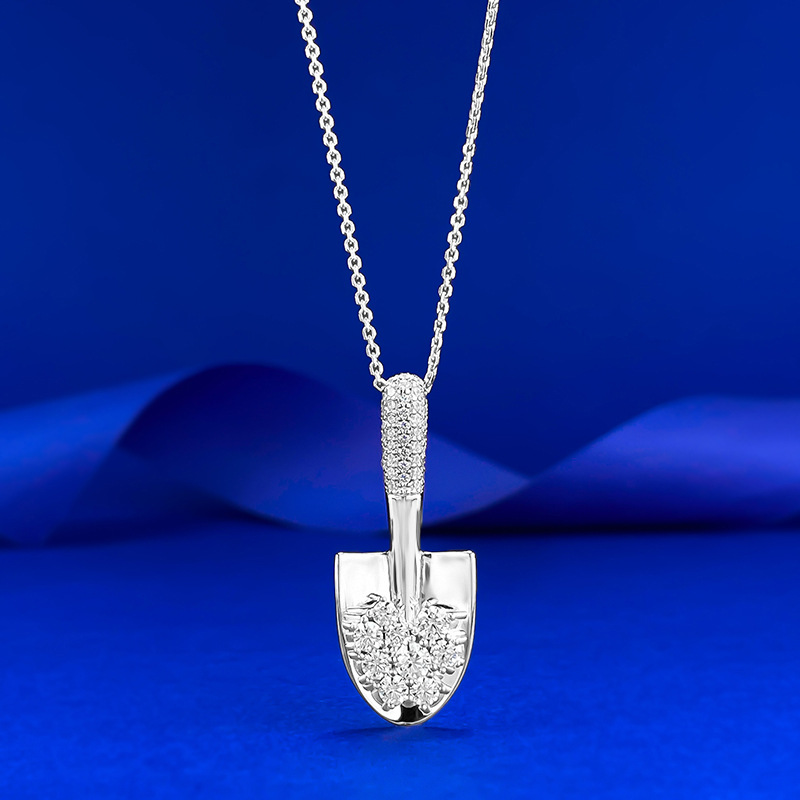
Fine Jewelry Travel Storage Case: Hard-Shell vs. Soft Organizer
A fine jewelry travel storage case has one job: keep rings, earrings, necklaces, and bracelets separated, cushioned, and easy to find. That gets complicated fast when you pack diamond studs, a pendant chain, a tennis bracelet, and a few rings into the same carry-on.
The right case helps prevent scratches, bent posts, loose chains, and the frustration of opening your bag to find everything tangled. A pretty exterior does not matter much if the inside lets your pieces knock into each other.
For most travelers, the choice comes down to a structured hard-shell case or a soft zippered organizer. Both can work, but they serve different packing habits and different levels of risk.
What a Fine Jewelry Travel Storage Case Needs to Do
Jewelry faces three main risks in transit: pressure, movement, and abrasion. A good fine jewelry travel storage case reduces all three by giving each piece its own place.
The two common styles are easy to spot. A hard-shell jewelry case uses a rigid or semi-rigid exterior with padded lining, ring rolls, earring panels, and fixed compartments. A soft organizer uses a flexible fabric or faux leather body with zip pockets, snaps, sleeves, and foldable sections.
GIA jewelry care guidance notes that gemstones and settings can be damaged by impact, abrasion, chemicals, and rough storage. That advice matters during travel because bags shift, zippers press inward, and chains can rub against clasps for hours.
The Federal Aviation Administration reported more than 853 million passengers on U.S. airlines in 2023. With that much movement through airports, hotels, and security lines, fine jewelry needs better protection than a loose pouch can offer.
Under-packing jewelry protection usually causes more regret than over-packing it. A small case may feel like extra space at home. On a trip, it can save a necklace, a ring setting, or a pair of earrings from avoidable damage.
Before buying a case, it helps to think about what is actually inside it. A pair of 14K gold studs behaves very differently from a platinum pavé ring or a 1.50 carat diamond pendant. The more delicate the setting and the higher the value, the more structure and separation the case should provide.
Option A: Structured Hard-Shell Jewelry Travel Case
A structured fine jewelry travel storage case is the safer choice for valuable or delicate pieces. It works like a small protective box inside your bag, with enough interior order to keep jewelry from sliding into one pile.
Most hard-shell styles include padded dividers, ring rolls, necklace hooks, earring cards, and small zippered sections. Better versions also use microfiber, velvet, or suede-like lining to reduce rubbing against polished metals and gemstones.
The shell may be molded plastic, reinforced textile, coated canvas, or leather over a stiff core. The material matters less than the structure itself. What you want is a case that resists being crushed in overhead bins, weekend bags, and tightly packed suitcases.
Protection and Build Quality
The biggest advantage is crush resistance. A rigid fine jewelry travel storage case helps protect pieces from pressure inside a packed carry-on or tote. That matters if a laptop, toiletry bag, shoe, or book presses against it during the trip.
Hard-shell cases are especially useful for rings with pavé, open gallery settings, or raised stones. They also help protect earring posts, fragile bales, small bracelets, and heirloom pieces that should not rub against other jewelry.
A strong case also limits movement. Ring rolls hold bands upright. Earring panels keep pairs together. Necklace hooks anchor chains before they have a chance to knot.
For diamond jewelry, the setting style is part of the risk calculation. A prong-set solitaire can snag if it bumps against a zipper pull. A bezel setting is lower profile and generally easier to travel with because it protects the edge of the stone. A halo setting, while beautiful, adds small exposed prongs and side stones that deserve extra separation. If you are packing valuable diamonds, a hard-shell case is usually the better match for the setting, not just the stone itself.
Best Pieces for a Hard-Shell Case
For rings, this format is hard to beat. Engagement rings, wedding bands, stackers, and gemstone rings all benefit from firm slots that keep them from shifting.
Earrings also travel well in a structured case. Studs stay paired, hoops stay visible, and small backs are less likely to disappear into a pocket lining.
Necklaces need a little more care. Even in a hard-shell jewelry case, clasp each chain and secure it under the hook, tab, or elastic loop. A pendant that swings freely can still tangle.
Bracelets do well if the case has narrow compartments or straps. Larger cuffs and chunky bangles may need a deeper case, since compact hard-shell interiors fill quickly.
If you own a tennis bracelet, inspect the clasp before travel. Box clasps and double safeties are easier to secure than older spring rings, and a loose clasp is the main reason bracelets slip out of travel pockets. For pearl strands or vintage bracelets, a deeper compartment reduces the chance that the strand presses into a harder piece and picks up scratches.
Tradeoffs to Consider
A hard-shell fine jewelry travel storage case takes up more space than a soft organizer. It usually does not compress, which can be frustrating if your carry-on is already full.
Capacity can also be limited. A compact case may protect six or eight small pieces beautifully, but it may struggle with oversized hoops, wide cuffs, or watch-sized bracelets.
Prices often run from about $40 to $150, depending on materials and interior detail. That cost makes sense if you are carrying diamond studs, gold chains, a ring set, or pieces from a curated collection like our fine jewelry collection.
If you are shopping for a case and a piece of jewelry at the same time, compare the storage cost against the jewelry value. A $70 case is easy to justify for a $1,200 pair of diamond studs or a $2,500 ring. For a lower-cost sterling silver set, you may not need the most expensive option, but you still want a case with real structure rather than decorative padding alone.
Option B: Soft Zippered Jewelry Organizer
A soft jewelry organizer takes a lighter, more flexible approach. Instead of a firm exterior, it uses fabric, faux leather, or another pliable material that folds like a wallet or roll.
This type of fine jewelry travel storage case often includes zippered pockets, mesh sections, snap tabs, slim sleeves, and elastic loops. It works best when your jewelry list is short and fairly sturdy.
Why Travelers Like Soft Organizers
The main appeal is portability. A soft organizer slides into tight spaces, weighs less, and flattens more easily inside a tote, weekender, or carry-on.
That makes it a practical fit for weekend trips, overnight business travel, and travelers who bring only a few pieces. If you pack one necklace, one pair of earrings, one bracelet, and a ring, you may not need a rigid case.
Soft organizers can also handle odd shapes better. A larger pendant or pair of hoops may fit into a flexible pocket more easily than into a fixed hard-shell compartment.
They can be a reasonable choice for lower-profile jewelry such as plain 10K or 14K gold bands, small freshwater pearl studs, or simple chains with sturdy lobster clasps. The key is to pack pieces that can tolerate a little more movement without catching on prongs or pavé edges.
Where Soft Cases Fall Short
The tradeoff is protection. A soft fine jewelry travel storage case cannot resist pressure the way a rigid case can. If your bag gets squeezed under an airplane seat, the jewelry inside may still shift.
Soft organizers also depend more on careful packing. If you overfill one pocket, pieces can press together. If you leave chains loose, they can still knot around clasps or earring backs.
This format works best for plain gold bands, simple chains, small hoops, and lower-risk travel. For pavé rings, antique settings, diamond earrings, or pieces from your engagement ring collection, a structured case is the better match.
Soft jewelry organizers usually cost about $25 to $90. They are practical, but the lower price should not be the only reason you choose one.
Another limit is closure reliability. A soft organizer with a weak zipper or loose wrap can open if packed too tightly. If the outer material folds around a clasp, the clasp may imprint onto the lining or press a mark into polished gold. That is not catastrophic, but it is the sort of dull wear that accumulates over repeated trips.
Hard-Shell vs. Soft Organizer Comparison
The best fine jewelry travel storage case depends on what you pack, how often you travel, and how much protection your pieces need.
| Factor | Hard-Shell Case | Soft Organizer | Better Fit |
|---|---|---|---|
| Crush protection | High | Moderate | Hard-shell |
| Internal movement control | Strong | Fair | Hard-shell |
| Portability | Bulkier | Slimmer | Soft organizer |
| Best for rings | Excellent | Good for sturdy bands | Hard-shell |
| Best for necklaces | Strong with hooks or tabs | Good with sleeves | Depends on layout |
| Best for earrings | Excellent with panels | Good with secure cards | Hard-shell |
| Capacity | Best for curated sets | Flexible for odd shapes | Depends on collection |
| Typical price | $40-$150 | $25-$90 | Depends on budget |
Closures matter more than decorative trim. A strong zipper, firm snap, or reliable latch keeps the case from opening inside your bag.
Lining quality matters too. Soft microfiber, velvet, and suede-like interiors help reduce scratches. Rough synthetic fabric can mark softer metals over time, especially if pieces shift during a long travel day.
Slot spacing is another small detail with a big effect. Rings should sit snugly without being crushed. Earring holes should hold pairs upright. Necklace tabs should separate chains so pendants do not swing into each other.
Another useful comparison is metal type. Platinum and 18K gold are durable, but both can still pick up fine scuffs if they rub against hard edges. Rhodium-plated white gold may show wear on high-contact surfaces sooner than solid yellow gold. Silver tarnishes more quickly when exposed to humidity and sulfur compounds, so a case that closes well and keeps air exchange down is helpful for silver travel sets.
How to Choose the Right Travel Jewelry Case
Choose a hard-shell fine jewelry travel storage case if you carry higher-value pieces. Diamond studs, delicate chains, tennis bracelets, and gemstone rings all deserve firm separation and padding.
Choose hard-shell if you fly often. Frequent travel means more bag handling, more checkpoints, and more chances for your jewelry case to get squeezed or bumped.
Pick a soft organizer if you pack light. For short trips with simple jewelry, the slim shape can be more convenient than a structured box.
Choose soft if your bag space is tight. It can slip into corners and side pockets where a rigid case will not fit.
For formal events, destination weddings, and milestone trips, use the structured case. These are the trips where people usually bring more valuable jewelry and change pieces more often.
If you are buying a new ring before traveling, check our ring size guide first. A properly fitted ring is easier to wear, remove, and store safely.
You can also use a mixed system. Pack valuable pieces in a hard-shell fine jewelry travel storage case, then use a small soft pouch for sturdy items such as plain bands or simple hoops.
There is one more factor worth considering: certification and paperwork. If you are traveling with a diamond ring or larger loose-style pendant, keep a digital or paper record of the item, including any GIA, IGI, or GCAL grading report if you have one. The report will not protect the piece in transit, but it helps with identification if you need insurance claims, customs questions, or post-trip servicing.
If the jewelry was purchased recently, keep the receipt and any return or resizing paperwork together with the case or in a travel folder. That matters if you buy something for a trip and decide after wearing it once that you need a different size, chain length, or clasp style.
Buying Fine Jewelry for Travel
If you are purchasing jewelry with travel in mind, the design choices matter as much as the beauty of the piece. A travel-friendly ring or necklace should balance appearance, durability, and ease of storage.
For diamonds, look closely at the four Cs, but prioritize the setting and everyday wearability. A well-cut 0.75 to 1.00 carat diamond in a low-profile bezel or sturdy prong setting can be easier to travel with than a larger, higher-profile piece with fragile side stones. For studs, common sweet spots are 0.25 to 1.00 carat total weight, depending on budget and how formal the piece needs to feel.
Certification is important at higher price points. Independent grading from GIA is widely trusted for loose diamonds and many finished pieces, while IGI is also common in the market, especially for lab-grown diamonds. If a diamond is being marketed with a strong quality claim, ask for the report number and match it to the stone before traveling with it.
Metal choice also changes the travel equation. Platinum is dense and durable, but it can show surface patina. 18K gold has rich color and a premium feel, though it is slightly softer than 14K gold. For frequent travel and daily wear, 14K gold often offers a practical balance of durability and value. 10K gold can be even harder, but it is less premium in color and composition. If you are buying a new piece to bring on trips, think in terms of wear resistance rather than color alone.
Setting tradeoffs matter. Prong settings maximize light return, but raised prongs can catch on fabric and case linings. Bezel settings protect the stone more fully and reduce snagging, but they change the look and can make a diamond appear slightly smaller than a prong-set equivalent. Pavé settings are visually strong but include multiple tiny stones that deserve careful storage. For travel, low profile generally beats elaborate height.
Chain length matters too. A 16-inch necklace often sits higher and may be easier to manage in a case than an 18-inch or 20-inch chain, especially if it has a pendant. If you want one chain to wear across multiple trips, consider a length that layers cleanly and fits into a narrow pocket without bending the clasp.
For rings, sizing is worth taking seriously. A ring that is too loose is easier to lose if it is removed at security, in a hotel, or at the beach. A ring that is too tight can be difficult to take off cleanly when your hands swell on a flight. Many travelers choose a fit that is snug but still comfortable over a full day, especially for warm-weather destinations.
Care, Shipping, and Return Considerations
The travel case is only part of the buying decision. You also need to think about how the jewelry is shipped, returned, and maintained after purchase.
For shipping, a secure outer box and discreet packaging are basic expectations. If you are ordering a fine piece online, check whether the seller requires a signature, whether insurance is included, and whether the package is tracked from dispatch to delivery. Those details matter as much as the case if you are buying something expensive shortly before a trip.
Returns are equally important. Before ordering a ring or necklace you plan to travel with, confirm the return window, condition requirements, and any exclusions for resized, engraved, or worn items. Some retailers allow clean, unworn returns only, which means you should not assume you can test-drive the item on a trip and send it back later.
Maintenance should be simple. Before packing, wipe pieces with a soft lint-free cloth to remove lotion, sunscreen, hairspray, and body oils. Those residues can collect in prongs and around clasps. If you wear pearls, avoid storing them in sealed plastic for long periods because they prefer a little breathing room and can be affected by drying materials. If you travel with silver, an anti-tarnish strip in the case can help slow discoloration on longer trips.
After the trip, inspect every clasp, hinge, and stone setting. This is the time to catch a loose earring back, a bent post, or a prong that may have been stressed by pressure in transit. A fine jewelry travel storage case protects pieces during transport, but it does not replace the need for routine inspection.
Common Mistakes When Packing Jewelry
The most common mistake is mixing too many pieces into one compartment. Even a good fine jewelry travel storage case loses effectiveness if rings, hoops, and chains share the same small pocket.
Another mistake is packing jewelry after applying lotion or perfume and then closing the case while the surfaces are still damp. Fragrance oils can build up on metals and stones, and moisture can encourage dullness or tarnish in less protected pieces.
Travelers also forget to secure clasps. A necklace that is not fastened can loop into itself. A bracelet with a loose clasp can open under pressure. A pair of stud earrings without backs can vanish into a lining seam.
Skipping the pre-trip inspection is another problem. Check for loose prongs, worn earring backs, weak spring rings, and fraying necklace chains before you leave. A problem found at home is easy to solve; a problem found in a hotel room after a long flight is much harder.
Some people also choose the wrong case size. Too small, and the jewelry sits on top of each other. Too large, and pieces slide around more than they should. The right case is sized to your actual travel set, not to the total size of your jewelry drawer.
If you are packing very valuable pieces, do not put all of them in one place. A hard-shell fine jewelry travel storage case is safer than a pouch, but if you are carrying several high-value items, consider splitting them between your carry-on and a separate secure pocket, as long as you can keep track of them easily. Concentration of risk is the issue here, not just protection.
Expert Recommendation: The Safer Case for Fine Jewelry
For most travelers, the winner is the structured hard-shell fine jewelry travel storage case. It gives you better crush resistance, better separation, and more confidence when your bag gets handled often.
The soft organizer still has a place. It works for short trips, simple jewelry, and light packing. It just asks more of you: careful clasping, careful pocketing, and attention every time you zip it closed.
If you are choosing one case, start with protection. Fine jewelry is not easy to replace, and repairs can cost more than a well-made travel case.
Here are the features worth paying for:
- Rigid or semi-rigid exterior
- Soft, non-abrasive lining
- Secure zipper, snap, or latch
- Ring rolls that grip without pressure
- Earring panels with tight holes
- Necklace hooks, tabs, or sleeves
- Separate bracelet space
- Compact size that fits your carry-on
A fine jewelry travel storage case should make travel feel calmer, not more complicated. If it keeps your pieces still, separated, and easy to see, it is doing its job.
The short answer: choose a hard-shell case for valuable, delicate, or frequently worn jewelry. Choose a soft organizer only when slim packing matters more than maximum protection. For most fine jewelry collections, hard-shell is the smarter first buy.
If you are building a travel-friendly jewelry wardrobe, explore our diamond jewelry, browse the StoneBridge jewelry collection, or contact our team for practical help before your next trip.
FAQ
What is the best fine jewelry travel storage case for rings and earrings?
The best case for rings and earrings is usually a structured hard-shell design with ring rolls, earring panels, padding, and a secure closure. This layout keeps small pieces separated, which helps protect stones, posts, backs, and settings during travel. Look for a soft lining and firm slots that hold jewelry still without squeezing it. If you fly often or carry diamond earrings, a hard-shell fine jewelry travel storage case is the safer choice.
Are soft jewelry organizers safe for fine jewelry in a carry-on?
Soft jewelry organizers can be safe for short trips if you pack light and choose sturdy pieces. They work best for plain bands, simple chains, small hoops, and jewelry without raised stones or delicate prongs. Use every snap, sleeve, and zipper pocket so pieces do not slide together. For higher-value pieces, a hard-shell travel jewelry case offers better crush protection.
Should I pack a fine jewelry travel storage case in checked luggage?
You should keep valuable jewelry in your carry-on or personal item whenever possible. A fine jewelry travel storage case protects against scratches and pressure, but it cannot control loss, theft, or rough handling once a checked bag leaves your hands. If you must use checked luggage, place the case inside a protected inner compartment and avoid packing irreplaceable pieces. For diamonds, engagement rings, and heirlooms, carry-on storage is the better habit.
How do I keep necklaces from tangling in a travel jewelry case?
Clasp each necklace before packing it, then secure it with a hook, tab, sleeve, or individual zip pocket. Keep pendants separated so they do not swing into other chains. For very fine chains, thread one end through a small straw or use a slim jewelry sleeve before placing it in the case. A fine jewelry travel storage case with separate necklace channels will make this much easier.
What features should I look for before buying a travel jewelry organizer?
Start with structure, lining, closure strength, and compartment layout. A good travel jewelry organizer should hold rings, earrings, necklaces, and bracelets without letting them pile together. Check that the zipper runs smoothly and that the lining feels soft against gold, platinum, diamonds, and gemstones. If you travel more than a few times a year, choose a durable fine jewelry travel storage case over a basic pouch.
Is a hard-shell case worth it for less expensive jewelry?
Yes, if the pieces have delicate settings, sentimental value, or you simply want to avoid tangles. A modestly priced necklace or pair of earrings can still be damaged by abrasion or pressure. If the jewelry is sturdy and replaceable, a soft organizer may be enough. The point is to match the case to the risk, not just the retail price.
How should I store pearls, silver, and mixed-metal pieces while traveling?
Pearls should be kept away from harsh chemicals and packed so they are not crushed. Silver does best in a case that closes well and limits exposure to air and moisture. Mixed-metal pieces can travel together if they are separated by compartments or wrapped individually, but polished surfaces should not touch. Use a fine jewelry travel storage case with soft lining and enough room to keep each piece distinct.
Ready to Find Your Perfect Diamond?
Explore our collection of certified lab-grown diamonds
Shop Diamonds