Fine Jewelry Travel Insurance Upload Guide for Safer Trips
A fine jewelry travel insurance upload guide helps you protect the pieces you plan to wear, pack, or carry before you leave home. Engagement rings, diamond studs, tennis bracelets, pendant necklaces, wedding bands, and heirloom pieces are easy to misplace during travel. They’re also valuable enough to need clear records.
The best time to organize insurance documents is before the taxi arrives. Save purchase records, appraisals, diamond grading reports, clear photos, policy confirmations, and upload receipts in one secure folder. If you’re buying new jewelry for a honeymoon, proposal trip, anniversary, or business travel, browse StoneBridge fine jewelry early and save your order details right away.
Why a Jewelry Insurance Upload Matters Before Travel
Travel adds risk. At home, your ring may stay on your hand or in a jewelry box. On a trip, it may move through airport security, hotel rooms, rental cars, beach bags, restaurants, spas, and crowded trains. I’ve helped many couples prepare for proposal trips and destination weddings, and the same small detail comes up again and again: the jewelry is exciting, but the paperwork gets forgotten until the last minute.
A fine jewelry travel insurance upload guide gives your insurer the details needed to identify the item, confirm ownership, and review value. Those records matter if a clasp breaks, a pouch disappears, or a ring slips off during a busy day (trust me, I’ve seen travelers panic over much smaller things). Having the documents ready before your flight is far easier than searching for them after a loss.
Coverage can be narrower than many travelers expect. The National Association of Insurance Commissioners advises consumers to check special limits for valuables such as jewelry. Many homeowners policies cap jewelry theft coverage near $1,500 unless the item is scheduled, and travel insurance may have separate baggage limits, per-item caps, deductibles, and exclusions.
For high-value pieces, compare travel insurance with renters insurance, homeowners riders, personal articles policies, and specialized jewelry insurance. Ask about worldwide coverage, mysterious disappearance, accidental damage, unattended-property rules, and claim deadlines. The fine jewelry travel insurance upload guide can’t change policy terms, but it helps you meet the rules in your policy.
Common Limits to Check
Before you upload, review the policy line by line. Look for the per-item jewelry limit, total valuables limit, deductible, covered causes of loss, and claim settlement method. Some policies pay cash value, while others repair or replace with a comparable item.
Check exclusions for checked bags, hotel rooms, beaches, pools, cruise cabins, rental cars, and unattended luggage. Some insurers require a police report within 24 hours of theft. Others may ask for an airline, hotel, or cruise report.
Documents to Gather for the Fine Jewelry Travel Insurance Upload Guide
A strong fine jewelry travel insurance upload guide starts with one folder per item. Use a simple naming system, then store copies in a secure cloud account and on a password-protected device. Don’t rely on email searches while you’re standing in an airport.
For each piece, gather these records:
- Purchase receipt with date, seller, item description, and price paid
- Appraisal with replacement value, metal type, stones, measurements, and condition
- Diamond grading report for important diamonds or matched stones
- Product description with metal, setting style, carat weight, and size details
- Clear photos of the full item from several angles
- Close-ups of hallmarks, engravings, clasps, prongs, certificates, and packaging
- Policy declarations, insurer forms, upload confirmation, and claim instructions
- Repair, resizing, resetting, or upgrade records
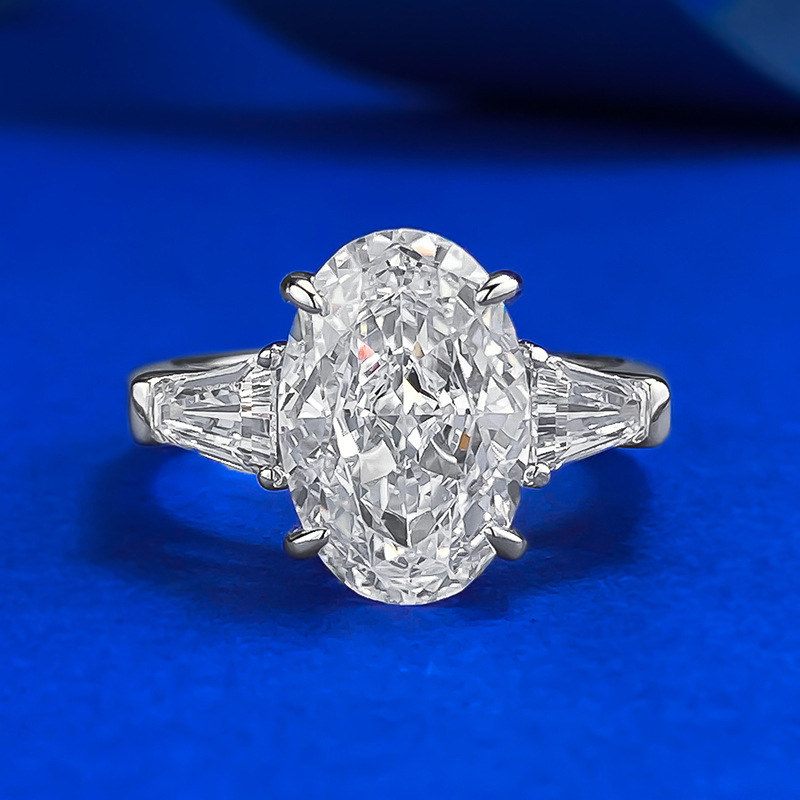
StoneBridge Jewelry purchase details can support your file because they often include metal type, diamond shape, total carat weight, setting style, and price paid. For lab-grown diamonds, GIA and IGI reports can document the 4Cs: carat weight, cut, color, and clarity. That level of detail helps distinguish your 1.50 carat oval lab-grown diamond ring in 14K white gold from a similar-looking ring with different specs.
Customers often tell us the easiest insurance uploads happen when they save records the same day they buy. Honestly, I think this is one of the simplest habits that can save the most stress later. If you’re still choosing the piece, explore StoneBridge engagement rings and add documentation to your pre-trip checklist.
Receipts, Appraisals, and Grading Reports
A receipt proves the transaction. It shows what you bought, where you bought it, when you bought it, and what you paid. For new StoneBridge purchases, it connects the jewelry to you from day one.
An appraisal estimates replacement value. Insurers may ask for an updated appraisal for engagement rings, diamond earrings, tennis bracelets, and custom pieces. If an appraisal is 5 to 10 years old, ask whether it still works for scheduling.
A diamond grading report describes the diamond, not the entire finished ring. GIA and IGI reports commonly list measurements, carat weight, color, clarity, and cut-related details. Include the report number in your fine jewelry travel insurance upload guide whenever you have one.
Photos and Short Videos
Good photos make your insurance file stronger. Use bright natural light, a plain background, and a clean lens. Start with the full piece, then capture the setting, prongs, clasp, chain links, earring backs, engravings, hallmarks, and unique design details.
For engagement rings, photograph the profile, basket, gallery, shank, prongs, and any hidden halo. For tennis bracelets, show the clasp, safety latch, and a close section of links. For diamond studs, include the fronts, backs, posts, and closures.
A short video can help too. Slowly show the jewelry beside its receipt, appraisal, grading report, box, and certificate. Keep the file private, and avoid posting paperwork or certificate numbers on public social channels (yes, even if you’re excited and the ring looks incredible).
Step-by-Step Jewelry Insurance Upload Checklist
Use this fine jewelry travel insurance upload guide as a practical workflow two to four weeks before departure. That gives you time to fix missing records, request an appraisal, or ask the insurer follow-up questions.
- List every piece you plan to bring, including rings, bands, earrings, bracelets, necklaces, watches, and heirlooms.
- Decide what should stay home, especially pieces with high sentimental value or limited replacement options.
- Download StoneBridge receipts, product pages, order confirmations, and diamond grading reports.
- Ask your insurer whether an appraisal is required and how recent it must be.
- Photograph each item in good light, including identifying marks and condition details.
- Rename files with the item, document type, and date.
- Save receipts, appraisals, grading reports, and policy forms as PDFs.
- Save photos as JPEG or PNG files unless your insurer requests another format.
- Upload each file to the correct item or policy field.
- Save the confirmation number, timestamp, and any message from the insurer.
Use file names that make sense later. Good examples include StoneBridge_OvalRing_Receipt.pdf, LabDiamondStuds_Appraisal_2025.pdf, TennisBracelet_Clasp_Photo.png, and WeddingBand_Engraving_Photo.jpg. Avoid names such as IMG_2048 or finalscan2.
After uploading, open every file inside the portal if possible. Make sure photos are readable and PDFs aren’t corrupted. Confirm the owner name, destination, coverage dates, item value, metal type, and diamond specs.
Choosing Travel-Ready Jewelry from StoneBridge
Travel jewelry should be beautiful, secure, and easy to document. StoneBridge lab-grown diamond jewelry works well for shoppers who want strong sparkle, clear product details, and practical value. Lab-grown diamonds have the same optical and chemical properties as mined diamonds, and respected reports can document quality with familiar grading standards.
For frequent travel, consider pieces that sit close to the body and fasten securely. Lab-grown diamond studs with reliable backs, low-profile engagement rings, bezel-set pendants, stackable bands, and tennis bracelets with safety latches are smart options. A high-set ring may catch on gloves, towels, sweaters, and luggage handles.
The Transportation Security Administration reported screening more than 858 million passengers in 2023. That’s a lot of pockets, trays, bags, and hurried moments. A fine jewelry travel insurance upload guide gives you a calmer start before you join the line.
If you’re planning a proposal trip, use the StoneBridge ring builder to choose a diamond shape, setting, and metal. Add insurance documentation to the same timeline as sizing, delivery, and travel packing. Proposal trips already carry enough butterflies; the ring file should be the boring, buttoned-up part that lets you focus on the moment. You can also shop lab-grown diamonds with grading details that support clearer records.
Diamond Specs That Make Insurance Records Clearer
When you buy jewelry before a trip, choose details that are easy to verify later. For a center diamond, save the exact carat weight, shape, measurements, color grade, clarity grade, cut grade when applicable, polish, symmetry, fluorescence, and certificate number. A “2 carat oval ring” is too vague for a claim file; a 2.01 carat oval lab-grown diamond with F color, VS1 clarity, excellent polish, very good symmetry, and an IGI report is much stronger.
For everyday travel wear, many StoneBridge shoppers balance beauty and value with lab-grown diamonds in the near-colorless range, such as G to H color, and eye-clean clarity, such as VS2 to SI1 when the stone is well selected. Step-cut diamonds like emerald and Asscher cuts show inclusions more easily, so buyers often prefer VS2 or better. Round brilliant, oval, pear, cushion, and radiant cuts can hide small inclusions more forgivingly, especially when cut quality is strong.
Total carat weight matters for earrings, bracelets, and bands. A 1.00 total carat weight pair of studs means the pair totals about one carat, not one carat per ear. A 3.00 total carat weight tennis bracelet spreads that weight across many diamonds, so the individual stone size, match quality, and clasp security are all worth documenting.
Metal and Setting Tradeoffs for Travel
Metal choice affects durability, care, price, and appearance. 14K gold is a practical travel choice because it is durable, widely available, and often less costly than platinum. 18K gold has a richer gold content and a luxurious feel, but it can show wear a little faster. Platinum is dense, naturally white, and excellent for prong security, though it usually costs more and develops a soft patina over time. White gold may need rhodium replating after wear, which is worth noting in your care records.
Setting style matters too. Bezel settings protect diamond edges and are excellent for active trips, but they can make a stone look slightly more framed and may reduce side light compared with open prongs. Prong settings show more of the diamond and can look airy, but prongs should be checked before travel. Shared-prong bands and tennis bracelets deliver strong sparkle, yet they need careful inspection because one worn prong can affect more than one stone. Channel settings are sleek and protective, though resizing can be more complicated.
For budget planning, simple lab-grown diamond studs may start in the low hundreds depending on total carat weight and metal, while larger certified studs, tennis bracelets, and engagement rings can move into the thousands. A classic solitaire setting can cost less than a hidden halo, three-stone, or intricate pave setting because it uses less labor and fewer accent stones. The right choice is not always the most expensive one; it is the piece with the specs, fit, and construction that match how you will travel.
Pieces Most Worth Insuring
Start with the jewelry that has the highest value, the most wear, or the hardest replacement path. Engagement rings often come first because they may include a significant center diamond and daily sentimental value. Wedding bands also matter, especially if they include diamonds, engraving, platinum, or custom work.
Diamond studs, tennis bracelets, and pendant necklaces deserve attention too. They’re small, easy to pack, and easy to lose. A 1.00 total carat weight pair of lab-grown diamond studs may feel effortless to wear, but replacement cost can still be meaningful.
Cost, Value, and Coverage Questions
A fine jewelry travel insurance upload guide should include a quick value review. Compare purchase price, appraisal value, premium, deductible, per-item limit, and settlement terms before you travel. If the deductible is high and the per-item limit is low, the policy may not protect the piece the way you expect.
Lab-grown diamonds can offer strong value because many shoppers can choose a larger carat weight or higher color and clarity grade within the same budget. Pricing still depends on cut quality, certification, setting choice, market supply, and design. Use real receipts, appraisals, grading reports, and insurer quotes instead of guesses.
Ask how the insurer handles lab-grown diamond replacement. Will they match carat weight, color, clarity, cut, shape, and certification? Can you work with your preferred jeweler for repair or replacement? Those answers matter before a claim.
Price, Shipping, and Return Details to Save
Do not upload only the final total if the receipt separates the diamond, setting, taxes, shipping, engraving, warranty, or resizing fees. Insurers may ask what the actual jewelry cost was, especially if tax, rush shipping, or protection plans are included in the payment. Save the itemized invoice and any order page that describes the setting name, diamond report, ring size, metal, and customization.
If you are ordering close to a travel date, confirm production time, shipping method, signature requirements, and return window Before You Buy. Fine jewelry often ships with tracking and may require an adult signature, which can be difficult if you are already away from home. Build in time for inspection, sizing, insurance upload, and a possible exchange. A ring that arrives the night before a flight leaves no room to correct a tight size, loose prong, missing report, or incorrect engraving.
Review return and resizing policies before removing tags, resizing locally, or wearing the piece on a trip. Some custom, engraved, altered, or worn items may have different return rules. Keep original packaging, certificates, and shipping records until you are certain the jewelry fits, the documents are complete, and the insurance file has been accepted.
Care and Security Before You Leave
Insurance is only one layer of protection. Fit, setting security, clasp strength, storage, and daily habits matter just as much. Before major travel, ask a jeweler to check prongs, tighten stones, inspect clasps, clean settings, and look for worn metal.
Pack jewelry in a structured case with separate soft compartments. Keep insured pieces in personal carry-on luggage, never checked bags. Remove fine jewelry before pools, hot tubs, oceans, gyms, spa treatments, and heavy outdoor activities.
Use a simple routine. Put jewelry on after sunscreen, perfume, lotion, and hair products. Take pieces off over a soft surface, not over a sink or tile floor. In my experience helping shoppers choose rings and travel-friendly diamond jewelry, the pieces that cause the least worry are the ones that fit well and have a clear “where it goes when it comes off” plan. If ring fit is a concern, review StoneBridge ring sizing guidance before ordering or resizing.
Sizing and Fit Checks Before Departure
Ring size can change with heat, altitude, salt, humidity, pregnancy, exercise, and long flights. A Ring That Fits perfectly in a cool room may feel tight at a tropical resort, while a loose ring can slide off after swimming or hand washing. Before travel, wear the ring for a full day at home and notice whether it spins, pinches, or slips over the knuckle too easily.
For engagement rings with larger center stones, a slightly top-heavy setting can rotate if the shank is thin or the size is loose. Sizing beads, a comfort-fit band, or a wider wedding band can help some wearers, but sizing decisions should be made before the trip, not during it. Eternity bands and channel-set diamond bands can be harder to resize because diamonds continue around the finger, so confirm sizing carefully before ordering.
Bracelets need similar attention. A tennis bracelet should have enough ease to move naturally, but not so much that it catches on sleeves, bags, or armrests. Check for a secure box clasp, figure-eight safety, or other backup closure. For necklaces, test the clasp with your own hands; if it is frustrating at home, it will be worse in a hotel mirror five minutes before dinner.
Common Mistakes That Create Claim Problems
The most common mistake is assuming a receipt alone is enough. For higher-value jewelry, the insurer may need an appraisal, grading report, photos, and proof that the item was covered before the loss. Another mistake is uploading a blurry photo that shows sparkle but not identity. Take practical images, not just pretty ones.
Travelers also forget to update insurance after a reset, upgrade, repair, or resize. If a 1.20 carat diamond is upgraded to a 2.00 carat diamond, or a solitaire is reset into a three-stone ring, the old records no longer describe the current piece. Keep every change in the file. Finally, avoid packing all jewelry documents only in the same bag as the jewelry. If the bag is stolen, you lose the item and the paperwork at once.
Shop, Document, Insure, Then Travel
A fine jewelry travel insurance upload guide gives you a clear way to protect jewelry before the trip starts. Gather receipts, appraisals, grading reports, photos, product descriptions, policy forms, and upload confirmations. Then verify that coverage is active for your destination and dates.
StoneBridge Jewelry makes the process easier with clear product details and purchase records for lab-grown diamond engagement rings, bands, earrings, necklaces, bracelets, and travel-ready stacks. Here’s what nobody tells you: the most romantic trips often involve the most practical planning. A honeymoon, anniversary escape, or surprise proposal feels sweeter when you’re not worrying about missing paperwork.
If your trip is coming up, browse StoneBridge jewelry now and save your records the same day. For help choosing a piece that fits your style, budget, and travel plans, contact StoneBridge jewelry experts.
FAQ
What documents do I need for a fine jewelry travel insurance upload guide?
Most insurers want proof of purchase, an appraisal, clear photos, and item details such as metal type, stone specs, and value. For StoneBridge Jewelry, save receipts, product descriptions, order confirmations, and grading reports when available. Add policy forms, upload confirmations, and repair or resizing records. Keep one folder per item so the claim file is easy to review.
Does travel insurance cover an engagement ring lost on vacation?
It depends on the policy, item value, exclusions, and whether the ring is scheduled. Standard travel insurance may have jewelry caps, baggage limits, deductibles, and unattended-property rules. High-value engagement rings often need a jewelry rider or specialized jewelry insurance. Confirm worldwide coverage and required reports before you leave.
How should I photograph jewelry for an insurance upload?
Use bright natural light, a plain background, and several angles. Capture the full piece plus close-ups of prongs, settings, hallmarks, engravings, clasps, backs, and stones. For a stronger file, add a short private video beside the receipt, appraisal, or grading report. Make sure the photos are sharp enough to read details.
Should lab-grown diamond jewelry be appraised before travel?
Yes, an appraisal can help document replacement value for engagement rings, diamond earrings, tennis bracelets, and other higher-value pieces. A receipt shows what you paid, while an appraisal estimates replacement cost for insurance. Include GIA or IGI grading reports when available. Ask your insurer how recent the appraisal must be.
Can I insure StoneBridge Jewelry before my trip?
Yes, you can buy StoneBridge Jewelry, save your purchase records, and contact your insurer before departure. Start the fine jewelry travel insurance upload guide early so there’s time for photos, appraisal requests, and policy review. Save receipts, product details, grading reports, and confirmation emails immediately. Before you travel, confirm that the policy lists the correct item value, destination, and dates.
Ready to Find Your Perfect Diamond?
Explore our collection of certified lab-grown diamonds
Shop Diamonds