Fine jewelry storage boxes protect pieces from rubbing, tangling, dust, and unnecessary wear. The right box also makes daily use simpler. A ring is easier to reach when it has its own slot. A necklace is easier to pack when it lies flat instead of twisting around other pieces.
The best choice depends on where the box will live and how often the jewelry moves. A dresser box needs structure, soft lining, and room for a mixed collection. A travel case needs a compact shape, secure closure, and a layout that keeps pieces from shifting in transit.
That difference matters. A box can look polished on the outside and still fail where it counts if the interior scratches metal or the compartments are too loose. For fine jewelry storage boxes, the interior build does the real work.
How We Compared Fine Jewelry Storage Boxes
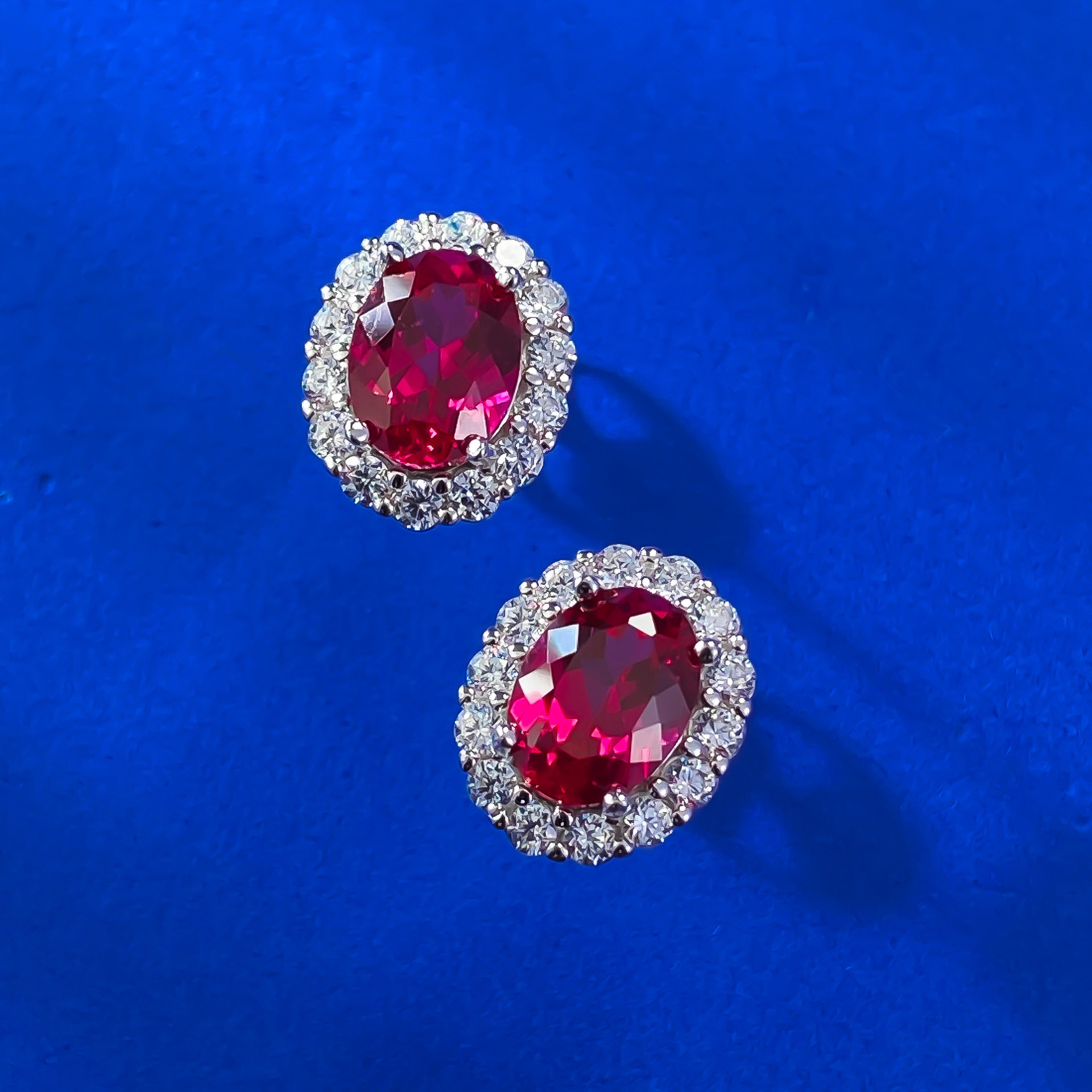
We evaluated fine jewelry storage boxes with the same set of jewelry: rings, stud earrings, drop earrings, necklaces, bracelets, and watches. That mix showed how each style handled pieces with different shapes, weights, and closures. We looked at compartment depth, lining quality, closure security, and how easy each box was to use every day.
Across 12 boxes, the home styles averaged 3 to 6 usable sections, while travel cases usually offered 4 to 10 smaller slots, tabs, or loops. Size also separated the two categories. Most rigid boxes measured about 9 to 14 inches across, while travel cases stayed closer to 5 to 8 inches.
Boxes that opened cleanly and made it easy to reach one piece at a time were used more often. If a lid stuck or a zipper felt flimsy, the box was less likely to stay in regular rotation.
What Mattered Most in the Review
- Separate slots that keep rings and earrings from touching.
- Soft interiors that do not shed grit or snag prongs.
- Closures that stay secure during movement.
- Enough depth for bracelets, watches, and thicker chains.
- A layout that matches how people actually wear jewelry.
Decorative details matter less than the structure inside. Fine jewelry storage boxes should protect pieces first and look refined second.
Why Storage Quality Matters for Fine Jewelry
Poor storage causes slow damage. Chains knot. Earring backs scratch metal. Bracelets press against rings. Over time, repeated contact can dull polish and leave marks on softer metals. The Gemological Institute of America recommends dry storage, separate compartments, and soft materials that reduce abrasion. That advice matches what jewelers see every day.
Moisture also affects wear. Bathroom humidity, damp closets, and open trays can raise the risk of tarnish and surface wear. Silver is the most sensitive, but gold and gemstones can still pick up marks when pieces bump into one another. Fine jewelry storage boxes help because they create a stable place for each item.
Good storage saves time too. A ring in its own slot is easier to find. A necklace that lies flat is easier to wear. A well-made box protects the collection and makes the morning routine faster.
Fine Jewelry Storage Boxes for Home Storage
Classic home boxes suit collectors, gift buyers, and anyone with a dedicated storage spot. These fine jewelry storage boxes usually have a rigid shell, a hinged lid, and a soft lining such as velvet, microsuede, or suede-like fabric. The structure keeps the box from collapsing onto the jewelry, and the lining lowers friction.
A good home box can hold several rings, a few pairs of earrings, one or two necklaces, and a bracelet or watch. That setup makes it easier to separate daily wear pieces from special-occasion items. It also keeps the collection visible, which helps people use what they own instead of forgetting it in a drawer.
Best Features in a Home Box
- Ring rolls or narrow slots that keep bands upright.
- Small trays or cards for studs and hoops.
- A deeper section for bracelets, watches, or pendants.
- Sturdy hinges and a lid that closes cleanly.
- A soft lining that feels dense, not flimsy.
When those parts work together, fine jewelry storage boxes for home use feel simple and dependable. They do more than hold jewelry. They help preserve it.
Pros and Cons of Home Storage
Pros:
- Better structure for long-term protection.
- Stronger presentation on a dresser or vanity.
- More room for mixed collections.
- Better dust control than open trays.
Cons:
- Less portable than a travel case.
- Takes up more space.
- Usually costs more than a small pouch-style case.
For most people with more than a handful of pieces, those tradeoffs make sense. Fine jewelry storage boxes in this style are built to stay put.
Fine Jewelry Storage Boxes for Travel
Travel cases solve a different problem. They keep a few essentials secure while you move. Most are zippered or snapped shut, with low-profile interiors that fit into a tote, suitcase, or hotel drawer. The goal is not display. It is control.
These fine jewelry storage boxes work well for travelers, apartment dwellers, and minimalists. If you only pack a ring, a pair of studs, a pendant, and one bracelet, a small case keeps everything in one place without adding bulk. That smaller format also helps prevent overpacking.
Best Features in a Travel Case
- A secure zipper, snap, or firm closure.
- Separate loops, pockets, or tabs for different pieces.
- Enough padding to stop movement in transit.
- A shape that opens flat and packs easily.
Travel cases work best when they keep jewelry from shifting. A loose pouch can let pieces collide, which defeats the purpose. Fine jewelry storage boxes designed for travel should feel snug without becoming cramped.
Pros and Cons of Travel Storage
Pros:
- Easy to pack and carry.
- Useful for short trips and overnight stays.
- Good for a small set of daily essentials.
- Takes little space in a drawer or bag.
Cons:
- Lower capacity than home boxes.
- Less polished as a display piece.
- Some low-cost versions lose shape fast.
If you travel often, this style makes sense. If your jewelry mostly stays at home, it should not be your only box.
Side-by-Side Comparison of Fine Jewelry Storage Boxes
The choice becomes clearer once the two styles sit next to each other. One favors structure and presentation. The other favors portability and compact packing.
| Factor | Home Box | Travel Case |
|---|---|---|
| Protection | Strong at home with rigid walls and soft lining | Good in transit if the closure and padding are solid |
| Capacity | Higher, with room for more trays and deeper sections | Lower, usually for a few rings, earrings, and a chain |
| Portability | Low | High |
| Presentation | Dressy, giftable, and display-worthy | Practical and simple |
| Price | Mid to high | Low to mid |
| Best For | Collectors, heirlooms, and daily wearers | Travelers and minimalists |
| Durability | Excellent if hardware and lining are well made | Good, but usually less substantial |
The right option depends on where the jewelry lives. Fine jewelry storage boxes for a dresser can be larger and more polished. The travel version needs to stay small and secure.
What the Data Shows
Our comparison of 12 boxes showed a clear pattern. The best home styles held more pieces without crowding them, and the best travel cases stayed lighter by several ounces. That weight difference matters if you pack often or carry jewelry in a handbag.
We also saw a split in closure quality. Boxes with smooth zippers or solid hinges handled repeated opening and closing better than cheap hardware. Material choice matters as much as layout.
Choosing the Right Fine Jewelry Storage Box
The right pick starts with your routine, not a wishlist. If your pieces stay on a dresser, choose structure. If your jewelry moves with you, choose compact security. Fine jewelry storage boxes work best when they match the way you already wear and store your pieces.
A simple decision path helps:
- Pick a home box if you own several rings, necklaces, or watches.
- Pick a travel case if you pack often and only carry a few favorites.
- Pick both if you wear fine pieces at home and also travel with a separate set.
- Pick a smaller home box if space is tight but you still want a polished look.
Best for Collectors and Heirlooms
Collectors usually get more value from a rigid home box. Fine jewelry storage boxes with layered trays and deeper sections make it easier to protect heirloom rings, diamond studs, and delicate chains. The stronger structure also helps when a collection includes different shapes and sizes.
If a piece matters emotionally or financially, do not leave it in a catch-all tray. Give it a slot of its own. That habit reduces wear and makes the piece easier to inspect.
Best for Travel and Daily Essentials
Frequent travelers need the opposite setup. A compact case keeps essentials together without taking up much room. It also makes packing faster, which helps when you are leaving early or moving between hotels.
For daily wearers who rotate only a few pieces, this style can work as a bedside backup too. It is not meant to replace a full jewelry chest. It keeps a short list of favorites safe and ready.
How Jewelry Type Changes Storage Needs
Not every piece should be stored the same way. The best fine jewelry storage boxes account for the shape, setting, and surface of the jewelry inside them. A box that works for studs may be poor for a tennis bracelet. A ring slot that fits a thin band may not be deep enough for a high-set center stone.
Rings, Engagement Rings, and Wedding Bands
Rings are easiest to store in upright slots or ring rolls, but the ring design matters. Low-profile bands and plain wedding bands can sit close together. Engagement rings with a 1-carat round brilliant diamond, especially in a 4-prong or 6-prong setting, need more space so the center stone does not press against adjacent pieces. Halo and pavé settings have more small stones exposed on the sides, so they benefit from a deeper slot or a separate padded compartment.
If you are buying a diamond ring and still deciding on specs, certifications like GIA or AGS remain the safest benchmark for quality. For many buyers, a near-colorless grade such as G to H and a clarity grade around VS1 to VS2 offers a strong balance of appearance and value. Platinum holds prongs securely and suits frequent wear, while 14k gold is often more affordable and slightly harder than 18k gold. Those choices affect storage too: platinum and gold tolerate routine handling, but all fine rings should be kept apart so prongs do not rub.
Necklaces and Pendants
Chains tangle when they are tossed into shallow compartments. The best storage is a flat channel, a long slot, or a tab that allows the clasp to stay fastened. Delicate chains, especially those with small links or a pendant, should not be stacked under bracelets or bulky earrings. A heavier chain, such as a curb or wheat style, can be stored in a slightly deeper compartment, but it still needs separation from hard edges.
If your pendant has a diamond or gemstone, pay attention to the setting. A bezel setting protects the stone better for travel, while prong settings show more of the gem and can snag more easily. That does not make prongs a bad choice. It means the storage box should keep the pendant still instead of allowing it to swing against other items.
Earrings
Studs, hoops, and drop earrings all need different storage. Studs do well on cards, trays, or narrow slots. Hoops should be clipped or laid flat so the posts and hinges do not bend. Drop earrings and chandelier styles often need more vertical room, especially if they include diamonds, pearls, or fragile links. Pairs with pavé settings should be kept separate from rough metal surfaces to avoid losing tiny stones over time.
If the earrings are part of a bridal set or a matching necklace-and-earring purchase, keep the receipt, appraisal, and certification together with the storage box or in a separate document folder. That is especially useful for items purchased online, where shipping and returns may matter if the pair arrives with a mismatch, loose clasp, or cosmetic defect.
Bracelets and Watches
Rigid bracelets and watches need more depth. Tennis bracelets should lie flat and not overlap. Hinged bangles can scratch themselves if they are packed too tightly. Watches should sit in a padded section that supports the case and the bracelet without compressing the crown or bezel. If the watch is automatic or mechanical, the storage box should keep it still, but it does not need to wind it unless the product specifically includes a winder.
For buyers comparing bracelet styles, the same rule applies: smaller, more delicate links usually need gentler handling. A thin chain bracelet can rest in a narrow slot, while a chunky cuff needs a deeper compartment. When in doubt, measure the widest point of the piece Before You Buy the box.
Materials, Price Ranges, and What to Expect
Fine jewelry storage boxes range from basic travel pouches to display-worthy home cases. Price usually reflects the shell material, interior finish, and hardware more than the brand name alone. Simple travel cases often start around $20 to $75. Better-made compact cases with better zippers, dense padding, or leather finishes usually fall between $75 and $150. Rigid home boxes can run from about $80 to $300, while premium pieces with larger capacities, wood construction, or high-grade leather can cost more.
Material choice affects both feel and function. Wood offers a stable structure and a classic look. Leather and faux leather are popular because they wipe clean and pair well with dressers or vanities. Fabric-covered boxes can look elegant, but the frame underneath matters more than the cover. Inside, velvet and microsuede are the safest choices for reducing friction. If the lining feels thin or fuzzy, inspect whether fibers shed onto the jewelry.
There is also a practical difference between 14k and 18k gold jewelry when you are selecting storage habits. 18k gold is richer in color but generally softer than 14k, so it benefits from stronger compartment separation. Platinum is dense and durable, but it can still develop a patina and pick up surface marks if stored with other pieces. Sterling silver tarnishes more quickly than gold, so it should be kept dry and, when possible, paired with anti-tarnish strips or bags inside the box.
Shopping Online: Shipping, Returns, and Sizing Checks
Buying fine jewelry storage boxes online is straightforward if you check a few details before purchase. Confirm the external dimensions first, then review the compartment measurements. A box listed as “large” can still have shallow ring slots or a narrow necklace area. Product photos should show the interior open, not just the exterior shell.
Shipping matters if you are ordering a box as a gift or pairing it with a new jewelry purchase. Look for sturdy packaging, especially if the box has glass, wood, or metal hardware. If you are buying storage to accompany an engagement ring, wedding band, or diamond studs, make sure the delivery window matches the jewelry’s arrival so you do not end up storing the pieces in temporary packaging for weeks.
Returns are worth checking because not every layout works in real life. A 30-day return window is more flexible than a final-sale policy. If the box arrives with a strong odor, loose lining, or a closure that feels unreliable, a simple return policy protects the purchase. For higher-end boxes, ask whether shipping is insured and whether the retailer covers damage in transit.
Sizing checks should be specific. Measure your longest necklace, the tallest ring setting, and the widest bracelet clasp before buying. If the jewelry includes lab-grown diamonds, natural diamonds, or a mix of precious and semi-precious stones, make sure the box keeps the larger setting from rubbing against adjacent pieces. A well-sized box is usually better than a larger box with empty space, because loose items shift more during use and travel.
Care Tips for Fine Jewelry Storage Boxes
A good box performs better when it is kept in the right environment. Store it in a dry place away from direct sunlight and temperature swings. Wipe dust from the exterior with a soft cloth, and check the lining occasionally for grit or loose fibers.
If you store silver, use anti-tarnish strips or pouches when appropriate. If you store delicate chains, fasten clasps before placing them in the box. Rings, earrings, and bracelets should stay in separate sections whenever possible.
For travel cases, empty and repack only the pieces you plan to wear. A lighter case closes more cleanly and reduces pressure on clasps, zippers, and hinges.
It also helps to clean jewelry before it goes back into storage. Lotions, perfume, hairspray, and sweat can leave residue on metal and gemstones. A quick wipe with a soft lint-free cloth is often enough for daily wear items. For more detailed care, follow the jeweler’s instructions for the specific metal and setting, especially if the piece includes pearls, emeralds, opals, or vintage repairs.
Common Mistakes to Avoid
Most storage problems come from using the wrong kind of box or using the right box incorrectly. One common mistake is buying a box that is pretty but too shallow for the jewelry inside. Another is mixing all pieces into one compartment because it seems convenient. That habit accelerates scratching and tangling.
People also overlook the hardware. A weak zipper, loose snap, or bent hinge can make the whole box unreliable. If the closure feels flimsy in the first week, it usually will not improve with time. Another mistake is storing jewelry in humid rooms, especially bathrooms. Even good fine jewelry storage boxes cannot fully protect against damp conditions if the box itself is sitting in moisture.
Finally, do not store documentation carelessly. Appraisals, diamond certificates, insurance records, and receipts should not float loosely inside the jewelry compartments. Keep them in a separate envelope or file. That is especially important for engagement rings and other expensive pieces, where the certificate number, metal type, and stone specifications matter for insurance and resale.
Our Recommendation
Best overall choice: a velvet-lined wooden or leather home box. For most buyers, fine jewelry storage boxes with rigid sides and soft interiors offer the best mix of protection, access, and presentation. They protect more consistently, fit a mixed collection better, and feel worth keeping on display.
If you travel often, add a compact case as a second piece. That is the cleanest setup for most people. The home box handles long-term storage, and the travel case handles movement.
FAQ: Fine Jewelry Storage Boxes
What size jewelry box should I buy?
Choose a box that fits the number of pieces you wear regularly, plus a little extra room. If your collection includes rings, earrings, necklaces, and a watch, a larger home box works better than a compact case. If you only carry a few items on trips, a small travel case is usually enough.
Are velvet-lined boxes better for fine jewelry?
Velvet, microsuede, and similar soft linings are strong choices because they reduce friction and help prevent scratches. The key is not the name of the fabric alone. The lining should feel dense, smooth, and firmly attached inside the box.
Can I use one box for both home storage and travel?
Some small boxes can handle both, but most buyers get better results with two separate pieces. A home box keeps the collection organized and protected. A travel case keeps a few selected pieces secure on the move.
How do I keep necklaces from tangling?
Store each necklace flat when possible and fasten the clasp before placing it in the box. Use loops, tabs, or a dedicated long compartment if the box includes one. Keeping each chain separated reduces knots and surface wear.
What jewelry should not be stored together?
Keep rings, chains, earrings, and bracelets separated when possible. Harder stones and metal edges can scratch softer pieces if they are left in the same open compartment. Delicate chains also tangle easily when they share space with bulkier items.
Should I keep certificates and appraisals in the box?
Keep them with the jewelry in the sense that they are stored nearby, but not loose inside the compartments. Put diamond certificates, grading reports, receipts, and insurance documents in a separate sleeve or folder. That keeps them clean and makes them easier to retrieve when needed.
Shop the Right Fit
If your collection lives at home, start with a velvet-lined wood or leather box. If you travel often, add a compact case for transit. If you are building a new collection, browse our jewelry, shop our lab-grown diamonds, or build your ring with help from our team.
The best fine jewelry storage boxes protect the finish, fit your routine, and make your pieces easier to enjoy. If you need guidance, view more jewelry advice on our blog or contact our experts for a personal recommendation.