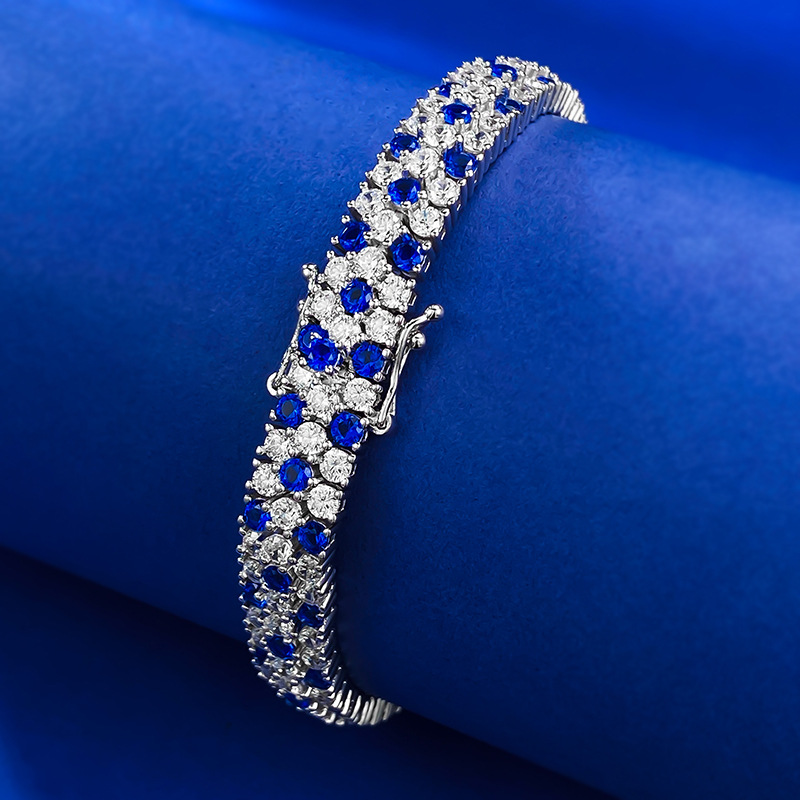
Fine Jewelry Scheduled Insurance Item Guide for StoneBridge Buyers
A Fine Jewelry Scheduled Insurance item guide helps you protect more than a receipt. It helps protect the ring you proposed with, the studs you wear every week, or the tennis bracelet you saved for. Standard homeowners or renters insurance can help, but jewelry often has tight limits.
The Insurance Information Institute notes that many homeowners policies cap jewelry theft coverage, often around $1,500 unless you add extra protection. That limit may not come close to replacing a lab-grown diamond engagement ring, diamond earrings, or a multi-stone bracelet. A scheduled item gives your insurer a clearer record of what you own and what it should cost to repair or replace.
I've helped hundreds of couples choose engagement rings, and one thing comes up again and again: people plan the proposal down to the flowers, dinner reservation, and photographer, but insurance gets handled later. Sometimes much later. I get it. It feels less romantic than choosing an oval diamond or engraving a wedding date. Still, a little paperwork can protect a piece tied to one of the sweetest moments of your life.
StoneBridge customers often ask about carat weight, metal color, diamond shape, and setting style. Insurance questions usually come next, especially for engagement rings and milestone gifts. What happens if the piece is lost on a trip, damaged during daily wear, or stolen from a bag?
This fine jewelry scheduled insurance item guide gives you a practical path: document the piece, compare policy language, and keep records where you can find them. If you're still shopping, start with StoneBridge engagement rings, lab-grown diamonds, or our full fine jewelry collection, then use the steps here before you store the box.
Fine Jewelry Scheduled Insurance Item Guide: What Scheduling Means
A scheduled insurance item is a valuable piece listed separately on an insurance policy. Your insurer may call it a jewelry floater, scheduled personal property endorsement, valuable articles policy, or personal articles policy. The name changes by company, but the goal stays the same.
Scheduling tells the insurer exactly what the item is. A good schedule can include the purchase price, appraised replacement value, diamond details, metal type, photos, grading reports, and identifying marks. That detail matters during a claim.
A scheduled fine jewelry item may include:
- A 14K gold lab-grown diamond engagement ring
- A platinum wedding band with pave diamonds
- Diamond stud earrings with matching reports
- A tennis bracelet with total carat weight and stone count
- A diamond pendant, station necklace, or custom design
- A luxury watch or heirloom-quality gift
The fine jewelry scheduled insurance item guide approach is simple: don't rely on a vague description if the piece itself is specific. A 2.00 carat oval lab-grown diamond ring with E color and VS1 clarity is not the same as any other oval ring. Your records should say that.
Scheduled Jewelry Coverage vs. Basic Home Insurance
Homeowners and renters policies usually group jewelry under personal property. That can work for low-value pieces, but it may fall short for engagement rings, diamond earrings, and bracelets. Many policies also treat theft, loss, and damage differently.
Scheduled jewelry coverage can be broader, depending on the insurer. Some policies cover theft, accidental loss, mysterious disappearance, and certain damage. Others have more exclusions, so read the policy before you pay.
| Coverage Factor | Basic Homeowners or Renters Policy | Scheduled Jewelry Coverage |
|---|---|---|
| Item description | Often general | Listed piece by piece |
| Theft limit | May be capped near $1,500 | Often insured up to scheduled value |
| Accidental loss | Often limited or excluded | May be available by policy |
| Documents needed | Usually fewer | Receipt, appraisal, photos, and reports help |
| Replacement terms | May be broad | Can define like-kind quality |
A fine jewelry scheduled insurance item guide is most useful when the item costs more than your policy's jewelry sublimit. It also helps when the piece carries emotional value, custom work, or hard-to-match diamond specifications.
Which StoneBridge Pieces Should You Schedule?
Start with one honest question: would replacing this piece out of pocket hurt? If the answer is yes, ask your insurer about scheduling it. Price matters, but so does meaning.
Engagement rings are the most common choice because they're worn daily. Wedding bands, anniversary bands, studs, tennis bracelets, necklaces, and custom pieces can also deserve scheduled coverage. Daily wear increases exposure to travel, water, salons, gyms, hard surfaces, and simple human forgetfulness (trust me, I've seen it happen).
Consider scheduled jewelry coverage for:
- Lab-grown diamond engagement rings and bridal sets
- Wedding bands, eternity bands, and anniversary bands
- Diamond studs, hoops, and drop earrings
- Tennis bracelets and diamond bangles
- Diamond pendants, solitaire necklaces, and station necklaces
- Custom settings, upgraded center stones, or redesigned jewelry
- Gifts for anniversaries, graduations, births, and major milestones
Lab-grown diamond jewelry still needs serious documentation. Many buyers choose larger stones or higher grades because lab-grown diamonds can offer more size for the budget. A 3.00 total carat weight pair of studs or a 5.00 total carat weight tennis bracelet deserves a clear paper trail.
If you're comparing options now, use StoneBridge's ring builder to note diamond shape, carat weight, metal, and setting style before purchase. Those details can help later when you request an appraisal or insurance quote.
Engagement Rings and Wedding Bands
Rings take more daily abuse than most people expect. They meet door handles, countertops, gym equipment, luggage, soap, lotion, and cold-weather finger changes. Even careful owners can lose a stone or damage a setting.
In my years working with StoneBridge buyers, I've learned that the most meaningful rings are often the ones worn without hesitation: at brunch, on work trips, while holding hands, while packing boxes for a first shared home. That everyday joy is exactly why the ring deserves real protection.
For bridal jewelry, save these records together:
- StoneBridge receipt or order confirmation
- Insurance appraisal, if available
- GIA, IGI, or other grading report for major diamonds
- Photos from the top, side, profile, and underside
- Notes about resizing, engraving, soldering, or resetting
GIA and IGI reports can document the 4Cs: carat weight, color, clarity, and cut. GIA's diamond color scale runs from D to Z, and clarity grades range from Flawless to Included. Those grades give your insurer more than a guess.
This fine jewelry scheduled insurance item guide is especially helpful before a honeymoon, destination wedding, or international trip. Ask whether your policy covers travel and how it treats jewelry left in hotel rooms, safes, rental cars, or checked luggage.
Earrings, Tennis Bracelets, and Necklaces
Everyday jewelry can be riskier than jewelry that stays in a safe. Studs come off at salons, spas, airports, and hotel rooms. Tennis bracelets rely on clasps and hinges. Necklaces can catch on scarves, collars, and handbag straps.
Pairs and multi-stone pieces need careful descriptions. Diamond studs should match in diameter, color, clarity, and face-up appearance. A tennis bracelet should list total carat weight, stone count, metal type, clasp style, and any safety features.
A fine jewelry scheduled insurance item guide protects the details that make a piece feel right. If one earring is lost, a replacement should not look mismatched. If a bracelet is damaged, the repair should respect the original quality.
Documents You Need Before Scheduling Jewelry
Jewelry insurance documentation proves ownership, value, and quality. Better records can also make a claim less stressful. Gather your documents as soon as your order is complete, not after something goes missing.
Most insurers may ask for:
- Purchase receipt or invoice with date, price, and seller
- Appraisal with replacement value and item details
- Diamond grading report, if one applies
- Product description from StoneBridge Jewelry
- Clear photos from several angles
- Report numbers, inscriptions, serial numbers, or hallmarks
- Repair, resizing, resetting, or upgrade records
An appraisal and a grading report do different jobs. The appraisal states a value for a specific purpose, usually insurance replacement. The grading report documents gem details, often without assigning a retail price.
For a ring, the best descriptions include metal type, center stone shape, carat weight, color grade, clarity grade, cut grade when available, setting style, side stone count, ring size, and engraving. If the diamond is lab-grown, the paperwork should say so. Your replacement should match the diamond type named in the policy.
Photos and Digital Backup
Photos help prove what the piece looked like before a claim. Take pictures in bright, indirect light. Capture the top, side, gallery, prongs, clasp, hallmark, engraving, and any custom detail.
Store digital copies in a secure cloud folder and a password-protected backup. Use clear file names such as oval-engagement-ring-appraisal, diamond-stud-report, or tennis-bracelet-receipt. Clear labels make records easier to find when you need them.
Honestly, I think this is the least glamorous step and one of the smartest. Five minutes of photos and file naming can save hours of stress later (yes, even on a budget).
A fine jewelry scheduled insurance item guide works best when your records are complete. Keep the receipt, appraisal, reports, product details, emails, and photos together. If you update the piece, update the folder too.
How Much Does Scheduled Jewelry Insurance Cost?
Jewelry insurance cost varies by company, ZIP code, item value, deductible, security habits, and coverage type. Many jewelry insurers estimate premiums at about 1% to 2% of the insured value per year. A $5,000 ring may cost about $50 to $100 per year, while a $12,000 bracelet may cost about $120 to $240 per year.
Those are only estimates. Your quote may be higher or lower. A city apartment, no-deductible policy, prior claims, or broader loss coverage can change the price.
Cost factors often include:
- Appraised or insured value
- Local theft risk by ZIP code
- Deductible amount
- Coverage for theft, loss, damage, and mysterious disappearance
- Domestic and international travel coverage
- Safe storage, alarms, or security systems
- Claim history
- Stand-alone policy versus homeowners endorsement
Don't choose by price alone. A cheaper policy may exclude accidental loss or limit where repairs can happen. A stronger policy explains replacement quality, claim steps, deductibles, and exclusions in plain language.
This fine jewelry scheduled insurance item guide can help you compare value, not just premium. Ask whether the insured value should be purchase price, appraised replacement value, or another number. Also ask whether you can work with your preferred jeweler.
Lab-Grown Diamond Replacement Value
Lab-Grown Diamond Prices can move over time, and insurance replacement value may not match your receipt. A sale price, appraisal method, or market shift can create a gap. That's normal, but the policy should explain how claims are settled.
If your ring has a 2.00 carat oval lab-grown diamond with E color and VS1 clarity, replacement should reflect those specs. It shouldn't be treated as a generic 2.00 carat oval. Ask the insurer to confirm diamond type, grading standard, shape, size, color, clarity, and setting quality.
A fine jewelry scheduled insurance item guide gives lab-grown diamond buyers a clear checklist. The better the original description, the harder it is for replacement quality to drift.
Policy Details to Compare Before You Buy
Coverage is not just a yes-or-no question. You need to know how the policy works when something actually happens. That detail shapes the claim experience.
Ask these questions before scheduling jewelry:
- Does theft coverage apply at home, away from home, and during travel?
- Does the policy cover accidental loss, such as dropping a ring down a drain?
- Does it cover mysterious disappearance without proof of theft?
- Does damage coverage include chipped stones, bent prongs, and broken clasps?
- Does coverage apply internationally?
- Can you choose your jeweler for repair or replacement?
- Will replacement match diamond type, carat weight, cut, color, clarity, metal, and setting quality?
- Does the insurer offer repair, replacement, cash settlement, or like-kind settlement?
Some buyers prefer stand-alone jewelry insurance. Others add scheduled jewelry to a homeowners or renters policy. Both can work, but they may differ in deductibles, claims history impact, repair networks, and exclusions.
Deductibles, Exclusions, and Claim Steps
Deductibles deserve a close look. A higher deductible can lower the premium, but it may make smaller claims less useful. A zero-deductible policy may cost more but feel easier if a stone is lost or a clasp breaks.
Read exclusions before you bind coverage. Policies may limit wear and tear, neglect, intentional damage, unsecured travel storage, or undocumented changes. If you reset a diamond, upgrade a stone, solder rings together, or replace a clasp, tell your insurer.
Here's what nobody tells you: the best policy is the one you understand before you need it. If the piece disappeared tomorrow, what would happen first? The answer should be clear. If it isn't, keep asking questions.
Care and Maintenance After You Schedule Jewelry
Insurance helps after a covered loss. Maintenance helps prevent one. You need both.
Have daily-wear rings checked every 6 to 12 months. A jeweler can inspect prongs, worn tips, loose stones, clasps, hinges, links, and thinning shanks. Bracelets and earrings need attention too, especially if you wear them often.
Good habits include:
- Remove rings before heavy lifting, swimming, gardening, or harsh cleaning
- Store diamond jewelry separately so pieces don't scratch each other
- Use a lined jewelry box, pouch, or divided tray
- Keep high-value jewelry in a safe when you're not wearing it
- Never pack valuable jewelry in checked luggage
- Check earring backs, bracelet clasps, and necklace closures before leaving home
- Follow your policy's rules for hotel safes and travel storage
Diamonds are hard, but settings can bend, stretch, and wear. Gold, platinum, prongs, chains, and clasps all need care. Your maintenance history also shows responsible ownership if a claim or repair question comes up.
When to Update a Scheduled Jewelry Policy
Update your policy when the piece changes. Resizing, resetting, engraving, soldering, upgrading stones, adding a halo, or changing a clasp can affect the description or value. Send new photos and receipts when needed.
You should also review scheduled values every year. If you receive a new appraisal, ask the insurer whether the scheduled value should change. If your collection grows, add each important piece to your records.
A fine jewelry scheduled insurance item guide is not a one-time task. It's a habit that keeps your jewelry file current as your style, collection, and life change.
Shop and Protect Your StoneBridge Jewelry With Confidence
The goal of this fine jewelry scheduled insurance item guide is simple: buy what you love, then protect it with clear records and smart coverage. You don't need to feel anxious about jewelry ownership. You just need a plan.
Before you finish your purchase, save product details and ask what documents are available. After your order arrives, photograph the piece, store the receipt, and compare insurance quotes. Then review the policy wording before you assume you're covered.
Whether you're planning a proposal, choosing wedding bands, or giving a gift that says, “I see how hard you've worked,” the right jewelry becomes part of someone's story. Protecting it is not cold or complicated. It's a thoughtful follow-through.
Ready to choose a piece worth protecting?
- Explore StoneBridge engagement rings and document the ring before the proposal
- Shop lab-grown diamonds with grading details in mind
- Browse fine jewelry gifts for earrings, bracelets, necklaces, and everyday pieces
- Build your own ring and save the setting and diamond specifications
If you need help identifying product details for an insurance review, contact our jewelry experts. We'll help you understand the information that belongs in your records, so your StoneBridge jewelry is easier to insure from day one.
Ready to Find Your Perfect Diamond?
Explore our collection of certified lab-grown diamonds
Shop Diamonds