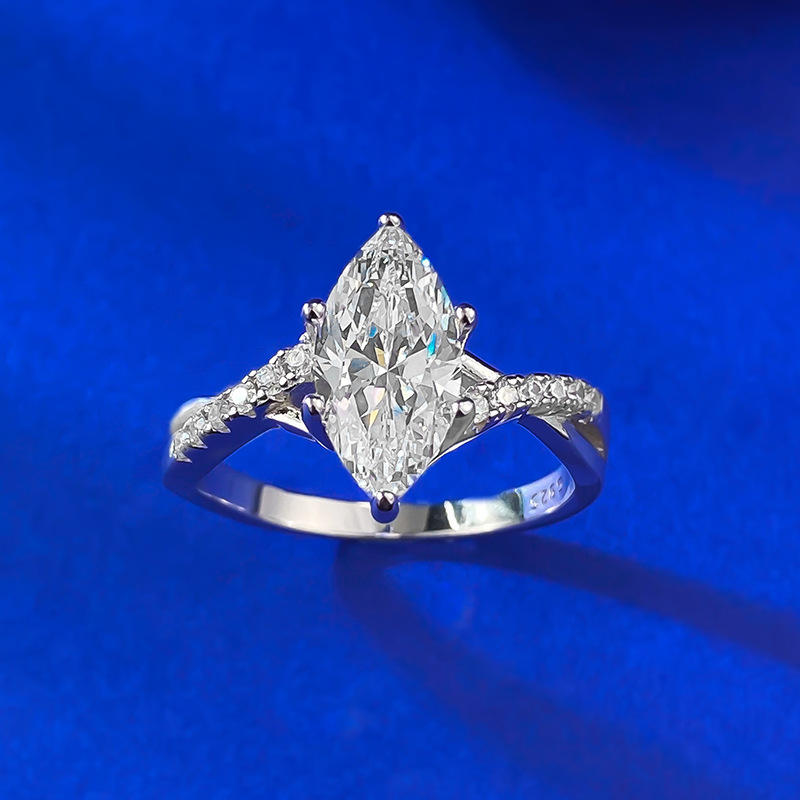
Fine Jewelry Repair Quote Comparison: How to Judge Price, Craft, and Value
A proper Fine Jewelry Repair quote comparison helps you avoid guesswork, surprise fees, and uneven workmanship. If you’re sending in a ring, necklace, bracelet, or family heirloom, the quote matters just as much as the repair. A good jeweler won’t stop at a number. They’ll explain the work, the materials, the risks, and the result you can expect.
A useful fine jewelry repair quote comparison looks beyond the lowest price. A $65 ring sizing quote may seem like a bargain next to a $140 quote, but the cheaper one might leave out stone checks, finishing, or the right metal match. Once you compare the details, the better value often becomes clear.
StoneBridge Jewelry believes repair pricing should be easy to understand. We focus on clear quotes, careful bench work, and secure handling for pieces that matter. If you’re comparing a simple clasp fix with a delicate diamond setting repair, a smart quote review can save time and protect the piece.
Fine Jewelry Repair Quote Comparison: What Buyers Should Check First
A fine jewelry repair quote comparison only works when every jeweler is pricing the same job. If one quote includes polishing, stone tightening, and final inspection while another covers labor only, the totals can’t be judged fairly. Apples to apples is the rule here.
Each quote should spell out the repair type, the materials needed, and any limits found during inspection. Ring sizing on a plain gold band is usually simple. A diamond eternity band is not. Stones may need to come out, the band may need to be adjusted, and everything has to go back together cleanly.
You should also know the difference between an estimate, a quote, and the final invoice:
- Estimate: A projected price based on what’s visible before a full inspection.
- Quote: A firmer price for a defined scope of work, usually after inspection.
- Final invoice: The amount charged once the repair is done and any approved extras are added.
That difference matters. Why pay for a repair twice because the first quote left too much out?
Common repair jobs you’ll often see in a fine jewelry repair quote comparison include:
- Ring sizing — Adjusting the ring up or down, sometimes with added metal.
- Prong retipping — Rebuilding worn prongs that hold diamonds or gemstones.
- Chain soldering — Fixing broken necklaces or bracelets.
- Stone replacement — Matching and resetting a missing stone.
- Cleaning and polishing — Restoring shine and smoothing wear marks.
For a better repair experience, StoneBridge Jewelry pairs inspection with clear communication. If you’re comparing quotes for a ring, pendant, or wedding band, ask for the details in writing and read them line by line.
What Should Be Included in a Fine Jewelry Repair Quote?
A strong fine jewelry repair quote comparison starts with knowing what belongs in the quote. A vague line that says “repair service” doesn’t tell you much. Valuable jewelry needs itemized detail so you can see how labor, materials, and protection affect the total.
1. Labor
Labor is usually the biggest part of the price. It covers the bench jeweler’s time, skill, and tools. Simple work, like soldering a jump ring or tightening a clasp, often costs less than rebuilding worn prongs on a platinum ring.
More skilled work may cost more if it needs:
- Microscopic precision
- Laser welding
- Stone removal and reset work
- Antique-style finishing
- Structural repair
2. Materials
Materials can change the total fast. A quote may include matching gold, platinum, solder, findings, new prongs, or a replacement stone. Metal matching matters because yellow gold, white gold, rose gold, and platinum each behave differently during repair.
If a stone needs replacing, the quote should say whether the jeweler plans to source a natural diamond, a lab-grown diamond, or another gemstone. This is one reason a fine jewelry repair quote comparison is so helpful. Different shops may use different replacement standards.
3. Inspection and diagnostics
A good jeweler inspects the piece before repair and again after the work is done. That check can reveal loose stones, worn galleries, cracked shanks, or hidden damage around the setting. Reputable shops use that information to avoid preventable failure later.
Professional bench jewelers often document the condition before work begins. That may include:
- Written condition notes
- Photos of the piece
- Stone measurements or counts
- Metal type and karat information
- Approval before extra charges are added
4. Finishing and quality control
Finishing often includes polishing, rhodium plating for white gold, steam cleaning, and final inspection. These steps affect both appearance and durability. A well-finished piece should look restored, not just patched.
For example, a ring sizing job can look fine at first glance. If the seam isn’t finished well, though, the repair may catch on fabric or stand out under light. That’s why finishing should show up in the quote.
5. Turnaround time, shipping, and insurance
Turnaround time can change the price. Rush service, insured shipping, and secure packaging often add cost. If the jewelry is being mailed, the quote should explain how the item is protected and whether insurance is included.
Ask these questions before you approve the work:
- How long will the repair take?
- Is shipping insured?
- Who covers damage in transit?
- Is the item tracked at every step?
- Are rush fees available?
6. Documentation you should expect
A reputable jeweler should back up the quote with paperwork. Look for:
- Itemized service description
- Fixed or estimated pricing
- Expected turnaround window
- Repair limits or exclusions
- Stone replacement policy
- Approval process for added work
According to GIA guidance on gemstone and jewelry inspection, clear documentation helps prevent disputes and supports trust during service. For a fine jewelry repair quote comparison, that paperwork matters as much as the price.
Common repair cost drivers at a glance
| Cost Driver | Why It Raises the Price | Typical Impact |
|---|---|---|
| Metal type | Platinum and some gold alloys take more time and skill | Moderate to high |
| Stone size | Larger stones need more care during removal and reset | Moderate to high |
| Setting complexity | Halo, pavé, and antique settings demand precision | High |
| Damage level | Cracked shanks or broken mounts may need structural work | Moderate to high |
| Insurance handling | Extra safeguards and records add service value | Moderate |
How to Compare Repair Quotes from Different Jewelers
A smart fine jewelry repair quote comparison looks at value, not just price. The lowest number can hide weak workmanship, limited guarantees, or a loose stone policy. The better question is simple: what are you actually getting?
Use this comparison checklist
Before you approve a repair, compare each quote with the same list:
- Scope of work — Does the quote describe every task?
- Materials — Are replacement metals, stones, or findings listed?
- Craftsmanship level — Is the work done in-house by a bench jeweler?
- Protection — Does the jeweler offer insurance handling or secure intake?
- Turnaround — Is the timing realistic?
- Guarantee or warranty — Is the repair covered if a problem shows up?
- Communication — Will you be asked before extra work is added?
Why the lowest quote isn’t always the best value
If one quote is far below the others, ask what was left out. Some shops price basic labor only, then add finishing, stone tightening, shipping, or plating later. Others may use generic replacement parts that don’t match the piece well.
A low quote can also point to less experienced labor. For a simple chain soldering repair, that may be fine. For an engagement ring with fragile prongs or pavé diamonds, a shortcut can become a bigger problem later.
Our customers often tell us they didn’t realize how much a quote could leave out until they compared line items side by side. That’s the real value of a fine jewelry repair quote comparison.
Red flags to watch for
Be careful if a quote includes:
- Vague language like “starting at” without a condition review
- No itemized line items
- No stone replacement policy
- No turnaround estimate
- No written approval for extra charges
- No explanation of whether the repair is done in-house or sent out
Comparing local jewelers, national retailers, and specialty repair services
Different providers fit different needs:
- Local jewelers may offer personal service, face-to-face questions, and faster handoffs.
- National retailers may use standard pricing, but repairs can go through central labs.
- Specialty repair services often focus on high-skill work like antique restoration, laser soldering, or complex setting repair.
A local jeweler can be a strong choice for quick inspections and direct communication. A specialty provider may be better for heirloom work or delicate diamond settings. National chains can be convenient for routine jobs, but quote details can vary a lot from one location to another.
| Provider Type | Strengths | Tradeoffs | Best For |
|---|---|---|---|
| Local jeweler | Direct contact, hands-on inspection, flexible service | Pricing may vary by bench skill | Rings, chains, clasps, routine repairs |
| National retailer | Standard intake, wide access | Less detail on bench work | Basic repairs and convenience-driven buyers |
| Specialty repair service | Advanced tools, complex restorations, precision work | May cost more and take longer | Heirlooms, antique settings, fine diamond work |
A careful fine jewelry repair quote comparison weighs all of that before you choose. If you’re also planning a future upgrade, you can browse our jewelry collection or explore diamond options after the repair is finished.
What Drives Fine Jewelry Repair Pricing?
A fine jewelry repair quote comparison gets easier once you know what pushes the price up. Some pieces are simple. Others need advanced skill, special equipment, and more time at the bench.
Metal type
The metal is a major cost factor. Platinum is denser and more work to shape than many gold alloys. White gold may need rhodium plating after repair. Sterling silver repairs can be straightforward, but the design still matters.
Gemstone type and value
A diamond ring can cost more to repair than a plain metal band because the stone needs protection at every step. Emeralds, opals, pearls, and tanzanite are also sensitive to heat, pressure, or chemicals. A jeweler may need to work more slowly or use special methods to avoid damage.
Setting style
The setting style can change both labor and risk. Common examples include:
- Prong settings — May need retipping or rebuilding
- Bezel settings — Can require careful reshaping
- Pavé settings — Demand micro-precision to avoid loosening small stones
- Halo settings — Take more time because of the many stones and tight spacing
- Antique or vintage settings — Often call for preservation-minded craftsmanship
Design complexity
Detailed pieces take longer to repair. Filigree, milgrain, engraving, and mixed-metal designs can make the work more delicate. Matching the original look may require hand finishing instead of standard machine work.
Brand, provenance, and value
Branded jewelry and heirloom pieces may justify a higher quote because the repair has to protect structure and value. In some cases, the jeweler must follow brand-specific standards or source matching parts.
Labor intensity and precision requirements
Some repairs sound simple but take a lot of care. Rebuilding a thin ring shank, resetting a center diamond, or resizing a pavé band may require repeated checks during the job. That time is part of what you pay for.
Certification, insurance, and handling standards
Pieces with appraisals, grading reports, or high insured value often need tighter handling. Many reputable shops photograph the item at intake, verify identifying details, and keep records before and after the repair.
Industry sources such as GIA and IGI both stress accurate identification and condition records for gemstones and jewelry. That kind of detail is especially useful in a fine jewelry repair quote comparison involving diamond rings, designer pieces, or heirlooms.
A note from the bench
Experienced bench jewelers often say this: protect the setting before you polish the finish. A beautiful shine doesn’t help if the prongs are still weak. For heirloom or high-value pieces, preserving the original structure should guide the repair plan, not speed.
Why a Trusted Jewelry Repair Provider Matters
The right repair provider gives you more than a shiny surface. A trusted shop protects the piece, keeps you informed, and lowers the chance of a repeat repair. That’s where a careful fine jewelry repair quote comparison pays off.
Better diagnostics
A skilled jeweler can spot issues that aren’t easy to see. Loose stones, thin prongs, worn clasps, or stress cracks can be found before they turn into bigger damage. Better diagnostics lead to better repair choices.
Secure handling
A reputable provider uses tracking, secure intake, and documented custody. That matters most for engagement rings, wedding bands, and fine jewelry with diamonds or colored gemstones.
Long-term value
A quality repair can extend the life of a piece and keep it looking good for years. Cheaper shortcuts may fix the immediate issue but create future trouble. For valuable jewelry, long-term value usually beats short-term savings.
Clear communication
The best providers call or message before extra charges are added. They explain surprises, show condition issues, and ask for approval if the scope changes. That kind of transparency is a strong trust signal in any fine jewelry repair quote comparison.
Better results for cherished pieces
Engagement rings, wedding bands, and heirloom pendants deserve careful work. If the ring needs sizing, if a diamond must be reset, or if a clasp has broken, the right provider balances beauty, durability, and protection.
If you’re planning a repair and want to talk through the options first, you can learn about ring sizing or contact our jewelry experts before you send the piece in.
How to Prepare Your Jewelry for a Repair Quote
A little prep helps you get a more accurate fine jewelry repair quote comparison. The more detail you share, the easier it is for the jeweler to price the job correctly.
Gather these items before you request a quote
- Clear photos from several angles
- Approximate measurements or ring size
- Original receipt, appraisal, or grading report if you have one
- Notes on prior repairs or damage
- Metal type, karat stamp, or brand information
Check the piece before you send it in
Inspect the jewelry closely. Look for loose stones, bent prongs, broken clasps, thin metal, or missing parts. If something seems unstable, tell the jeweler before shipping or dropping off the piece.
Clean it gently
A light cleaning can help reveal the true condition of the item, but don’t scrub delicate gemstones or use harsh chemicals. If the piece is fragile, leave it alone and let the jeweler handle cleaning during intake.
Choose secure delivery or in-store drop-off
If you’re mailing the item, use insured shipping with tracking and secure packaging. If you’re dropping it off in person, ask for written intake paperwork and an itemized receipt. Both work, but security and clarity should come first.
Plan for care after the repair
Once the work is complete, ask how to care for the piece. A new sizing seam, fresh prongs, or a polished finish may need gentle handling at first. That aftercare is part of a quality repair experience.
A good fine jewelry repair quote comparison doesn’t stop at price. It follows the piece through intake, protection, repair, and care after pickup.
Frequently Asked Questions About Fine Jewelry Repair Quotes
How do I compare fine jewelry repair quotes from different jewelers?
Compare the scope of work, materials, labor, turnaround time, insurance, and warranty, not just the total price. A detailed itemized quote gives you a much clearer view of true value and helps you spot hidden costs. If one quote is much lower, ask what was left out and whether the jeweler used the same assumptions for each piece. A solid fine jewelry repair quote comparison should make the differences easy to see.
Why is one jewelry repair quote much higher than another?
Higher quotes often reflect more skilled labor, better materials, special tools, or stronger handling protection for delicate pieces. If the repair involves diamonds, antique settings, or complex metalwork, the extra cost may be justified. A higher quote can also include better documentation, closer quality control, and safer shipping. In a fine jewelry repair quote comparison, those details matter as much as the final number.
What should be included in a fine jewelry repair estimate?
A good estimate should list labor, materials, stone replacement if needed, inspection, finishing, shipping or insurance fees, and the expected turnaround time. It should also say whether the price is fixed or can change after inspection. Ask for exclusions in writing so there are no surprises later. That kind of detail makes a fine jewelry repair quote comparison far easier.
Is it worth paying more for a reputable jewelry repair service?
Yes, especially if the piece is valuable, sentimental, or hard to replace. A trusted provider can lower the risk of damage, protect the setting, and give you better long-term results. That can save money later by avoiding repeat repairs. For heirlooms and diamond jewelry, workmanship matters just as much as price.
How long does it take to get a jewelry repair quote?
Simple quotes can often be given quickly from photos or a quick in-person look, while detailed repairs may need a full inspection. More complex pieces usually need hands-on evaluation before the jeweler can give an accurate price. If someone quotes instantly without seeing the item, ask what they assumed about the condition. That question can save time and help your fine jewelry repair quote comparison stay accurate.
Choose StoneBridge Jewelry for Clear Repair Quotes and Careful Work
A careful fine jewelry repair quote comparison should lead you to a jeweler who values clear pricing, skilled craftsmanship, and safe handling. That’s the standard StoneBridge Jewelry aims to provide on every repair. From inspection to final polish, our process is designed to help you understand the work and Choose with Confidence.
If your piece needs sizing, stone setting, prong repair, chain soldering, or a full restoration review, ask for a detailed quote before you decide. The right quote can help prevent costly surprises and set the repair up for success.
Request Your Repair Quote From StoneBridge Jewelry
Get a transparent, itemized quote for your fine jewelry repair today. Contact StoneBridge Jewelry to protect your piece, compare value with confidence, and move forward with expert care.
Contact our jewelry experts to request your repair quote now.
Ready to Find Your Perfect Diamond?
Explore our collection of certified lab-grown diamonds
Shop Diamonds