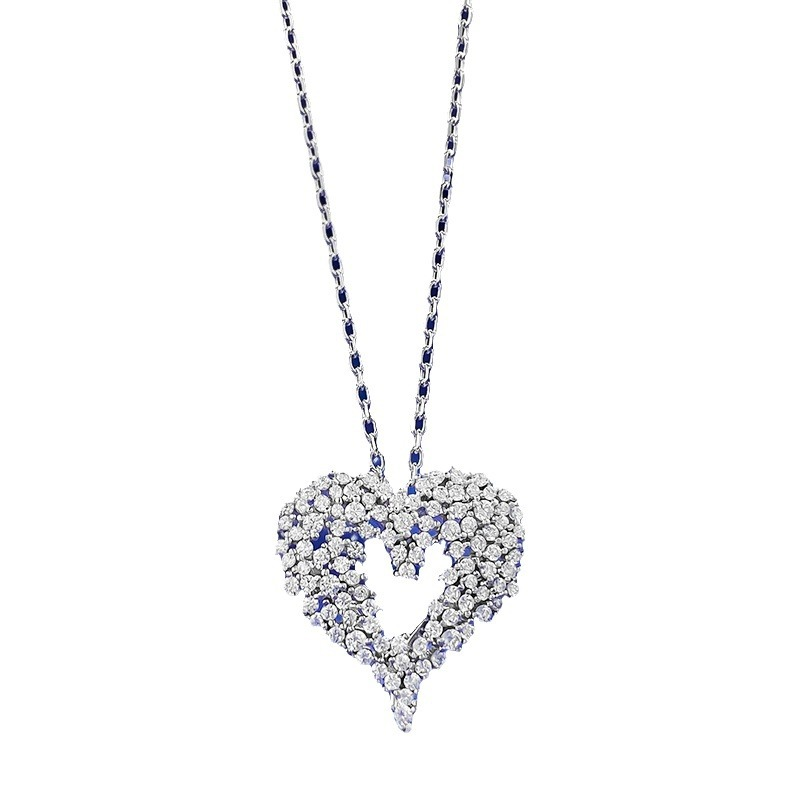
Fine Jewelry Repair Quote Approval Worksheet for Confident Repair Decisions
A Fine Jewelry Repair Quote Approval worksheet helps you review a repair estimate before anyone touches your ring, bracelet, necklace, or earrings. It gives you one place to compare the repair scope, materials, labor, timeline, warranty, and final approval language.
That clarity matters. A loose prong on an Engagement Ring is different from a broken chain link or a missing diamond in a tennis bracelet. Without clear notes, two repair quotes can look similar while covering very different work.
At StoneBridge Jewelry, we've found that customers feel better about repair decisions when the estimate is specific. They want to know what will be fixed, what it will cost, and what happens if the jeweler finds more damage. A Fine Jewelry Repair quote approval worksheet makes those answers easier to see before work begins.
I've helped many customers walk through repair estimates for pieces they were nervous to leave behind, and the same thing comes up again and again: people don't mind paying for good work when they understand exactly what they're approving.
What a Jewelry Repair Approval Worksheet Should Do
A Fine Jewelry Repair quote approval worksheet is a practical review tool for repair estimates. It organizes the details that affect price and outcome: item condition, metal type, stone details, proposed service, finishing work, completion date, and warranty terms.
Use it before approving common repairs such as:
- Ring resizing, including the final ring size and sizing limits
- Prong retipping, prong rebuilding, or stone tightening
- Diamond or lab-grown diamond resetting
- Chain soldering, weak link repair, or clasp replacement
- Rhodium plating for white gold jewelry
- Gemstone replacement, polishing, or refinishing
- Bracelet, earring, pendant, and heirloom jewelry repair
The worksheet also helps you compare repair with replacement. If a gold chain has one clean break, repair may be the smart choice. If it has several thin links and a failing clasp, a new chain from our fine jewelry collection may last longer.
A good Fine Jewelry Repair quote approval worksheet doesn't push you toward the cheapest choice. It helps you choose the repair that protects the piece, fits your budget, and matches how you plan to wear it (yes, even on a budget).
Why Written Approval Matters
Jewelry repair often involves small details with real value. A 1.6 mm melee diamond may look tiny, but the replacement still needs the right shape, size, color, and setting fit. A thin ring shank may need rebuilding, not just resizing.
A vague quote can create problems. It may leave out polishing, rhodium plating, shipping insurance, stone matching, or warranty coverage. It may also use unclear stone language, such as "diamond replacement" without stating whether the stone is natural, lab-grown, or simulated.
Honestly, I think this is where most repair confusion starts: not with bad intentions, but with missing details. A jeweler may know what "repair prongs" means in their shop, but you deserve to know whether that means tightening, retipping, rebuilding, or replacing part of the setting.
The Gemological Institute of America, known as GIA, grades diamonds using the 4Cs: carat weight, color, clarity, and cut. IGI also grades lab-grown diamonds using recognized gemological standards. If your repair includes a replacement diamond, those quality details should appear in writing.
Jewelers Mutual recommends regular Professional Jewelry Inspections, often every six months for frequently worn pieces. That schedule matters because prongs, clasps, chains, and ring shanks wear down with daily use. A Fine Jewelry Repair quote approval worksheet captures that condition before repair begins.
Key Fields in a Fine Jewelry Repair Quote Approval Worksheet
A useful Fine Jewelry Repair quote approval worksheet starts with identification. The jeweler should record enough detail to recognize the item later, especially if the piece is part of a matched set or has sentimental value.
Start with the basics: customer name, contact details, order number, intake date, and preferred communication method. Then describe the jewelry item. Include the metal type, karat or purity, stone count, stone measurements, engraving, visible marks, and photos.
For an engagement ring, the worksheet might list 14K white gold, a round lab-grown diamond center stone, four prongs, accent stones on the band, visible prong wear, and current ring size. For a necklace, it might show chain length, clasp type, metal stamp, broken link location, and pendant details.
Core fields should include:
- Customer and repair number
- Jewelry type and full item description
- Metal type, karat, or purity mark
- Stone type, count, size, and known grading details
- Photos from multiple angles
- Condition notes, including scratches, chips, loose stones, bent areas, or worn metal
- Repair diagnosis and recommended service
- Labor, parts, stone, finishing, shipping, insurance, and tax costs
- Estimated completion date and delay policy
- Approval signature, initials, date, and warranty acknowledgment
A Fine Jewelry Repair quote approval worksheet should also show whether the price is fixed or estimated. Some repairs need bench inspection before final pricing. Antique rings, hollow chains, pave settings, and very worn prongs can reveal hidden issues once work starts.
Repair Scope and Cost Breakdown
The repair scope should be plain. If a jeweler says "repair ring," ask for more detail. Does that mean tighten stones, rebuild prongs, size the shank, polish the surface, plate white gold, or replace a missing stone?
Break the cost into parts. Labor, metal, stones, clasps, polishing, rhodium plating, shipping protection, and tax should not be hidden inside one vague total. A Fine Jewelry Repair quote approval worksheet lets you compare those categories line by line.
Here is a practical review table:
| Quote Factor | What to Check | Why It Matters |
|---|---|---|
| Labor | Bench work, soldering, setting, polishing | Skilled work affects strength and finish |
| Materials | Metal, clasp, links, prongs, stones | Better materials usually wear longer |
| Stone match | Shape, mm size, color, clarity, cut | Matching keeps the piece looking balanced |
| Timing | Finish date and delay policy | Helps with travel, gifts, and insurance needs |
| Warranty | Coverage length and exclusions | Shows what happens after repair |
| Shipping | Carrier, tracking, insurance | Protects mailed jewelry during transit |
Basic repairs often cost less than structural work. A clasp replacement or simple chain solder is usually simpler than rebuilding platinum prongs around a center diamond. Prong retipping may be priced per prong, while stone replacement depends on size, quality, and availability.
Ask direct questions before you approve. Is cleaning included? Will the jeweler check all stones after repair? Does white gold plating cost extra? Will you receive updated photos when the work is complete?
How to Compare Jewelry Repair Quotes Fairly
A Fine Jewelry Repair quote approval worksheet helps you avoid comparing incomplete estimates. One quote may include prong rebuilding, stone tightening, polishing, and rhodium plating. Another may only cover one visible loose stone.
Start with the diagnosis. Are both jewelers describing the same issue? If one says "tighten center stone" and another says "rebuild worn prongs," those are not equal repairs.
Review the materials next. For a diamond or lab-grown diamond replacement, ask for shape, millimeter size, color, clarity, and cut style. For a clasp, ask whether it matches the metal type and weight of the chain or bracelet.
Then compare warranty language. Workmanship warranties may cover the jeweler's labor for a set time. They usually don't cover normal wear, impact damage, unrelated stone loss, customer-supplied stones, or repairs done later by another jeweler.
A Fine Jewelry Repair quote approval worksheet should make exclusions easy to understand. If the warranty sounds broad but the written terms are narrow, ask for clarification before signing.
Repair, Replace, or Upgrade?
Should you repair the piece or choose something new? The worksheet can help you answer that question without guessing.
Repair often makes sense when the jewelry is well made, the damage is limited, and the finished piece will be safe to wear. It may also be the right choice for engagement rings, wedding bands, heirlooms, and milestone gifts with strong sentimental value.
There is a special kind of relief when someone realizes a proposal ring, anniversary band, or inherited necklace can be made wearable again. These pieces often carry more than metal and stones; they carry the day someone said yes, the person who gave the gift, or the memory of a milestone worth protecting.
Replacement may be smarter when the metal is thin, stones keep falling out, hollow links are crushed, or the repair cost comes close to the price of a new piece. If you want a new center stone or setting, compare repair costs with our engagement rings and lab-grown diamonds.
Our customers often bring in jewelry with one urgent issue and several smaller wear concerns. A fine jewelry repair quote approval worksheet helps separate must-fix repairs from optional upgrades. That keeps the decision practical.
Special Notes for Rings, Chains, and Lab-Grown Diamonds
Different jewelry types need different repair notes. A fine jewelry repair quote approval worksheet should reflect the piece in front of the jeweler, not a generic checklist.
For rings, confirm the current size, requested size, metal type, band width, stone placement, and any engraving. Wide bands often fit tighter than narrow bands. Eternity bands, tension settings, and rings with stones down the shank may have limited sizing options.
For chains, record the length, link style, clasp type, metal stamp, break location, and nearby weak spots. One broken link can signal broader wear. If several links are stretched or thin, repair may not solve the long-term problem.
For bracelets, pay close attention to clasp strength, safety latches, hinge wear, and stone security. Tennis bracelets deserve a full stone check because one loose setting can lead to loss during wear (trust me, I've seen it happen).
For earrings, inspect posts, backs, hinges, prongs, and stone seats. Small earrings are easy to overlook, yet bent posts and loose backs are common repair concerns.
Lab-grown diamond jewelry needs the same careful handling as natural diamond jewelry. A replacement lab-grown diamond should match the shape, millimeter size, color, clarity, and cut style as closely as possible. For larger stones, grading reports from GIA, IGI, or another recognized lab can support a better match.
Sizing, Stone Matching, and Material Quality
Ring sizing should never be approved from a total price alone. The fine jewelry repair quote approval worksheet should list the final size, sizing range, metal, finish work, and any risks to stones or engraving.
Stone matching needs measured details. A 6.5 mm round stone and a 6.3 mm round stone may not sit the same way in a calibrated setting. Oval, pear, emerald, and cushion cuts also need attention to length-to-width ratio.
Metal quality matters too. Platinum, yellow gold, rose gold, white gold, sterling silver, and mixed metals respond differently to heat and finishing. If the repair requires added metal, the worksheet should state the metal type.
In my experience at StoneBridge, ring sizing is one of the places where a quick conversation saves the most frustration. Finger size can shift with weather, pregnancy, travel, medication, and daily activity, so the number on the mandrel is only part of the decision.
If sizing is part of your quote, review our ring size guide before you approve the work. If you're building a new piece instead of repairing the old one, our ring builder can help you compare settings and stones.
Step-by-Step Approval Checklist
Use this process before signing a fine jewelry repair quote approval worksheet. It keeps the review focused and helps you catch missing details.
- Identify the jewelry. Record the item type, metal, stones, measurements, engravings, and photos.
- Review the condition notes. Look for worn prongs, thin metal, loose stones, chips, cracks, bent areas, or old repairs.
- Confirm the diagnosis. Ask what caused the problem and what the repair is meant to fix.
- Check the scope. Make sure cleaning, setting, soldering, polishing, plating, resizing, or replacement parts are listed.
- Compare costs. Review labor, materials, stones, finishing, shipping, insurance, and taxes.
- Verify materials. Confirm metal type, clasp style, gemstone details, or lab-grown diamond specifications.
- Read the timing notes. Find the estimated finish date and the plan for delays.
- Study the warranty. Separate workmanship coverage from normal wear exclusions.
- Ask about changes. Require approval before added work or extra cost.
- Keep a copy. Save the signed worksheet with photos, receipts, appraisals, and insurance records.
Don't feel rushed. A jeweler who values your trust should welcome clear questions. If an estimate feels vague, ask for written details before you approve repair.
A fine jewelry repair quote approval worksheet also helps with insurance. For valuable items, keep the worksheet with the appraisal, purchase receipt, shipping record, and final repair receipt. If a diamond or gemstone is replaced, ask whether your appraisal should be updated.
What to Ask Before You Sign
Before signing a fine jewelry repair quote approval worksheet, ask questions that match the repair type. The answers should be clear enough that you can explain the work to someone else.
Ask these before approval:
- Is this quote fixed, or can the price change after bench inspection?
- What exact repair work is included?
- What materials, stones, or parts will be used?
- Will I approve any added cost before extra work begins?
- Does the quote include cleaning, polishing, or rhodium plating?
- How long is the workmanship warranty?
- What does the warranty exclude?
- Will the jeweler provide before-and-after photos?
- How will the piece be stored or shipped during service?
These questions protect both sides. You get clearer expectations, and the jeweler gets a better approval record. That reduces confusion after the work is complete.
Here's what nobody tells you: a good worksheet can make the repair feel less emotional in the best way. You can still care deeply about the piece, but the decision becomes organized, calm, and easier to discuss with a partner, parent, or insurance provider.
Fine Jewelry Repair Quote Approval Worksheet FAQ
What should I include in a fine jewelry repair quote approval worksheet?
Include the item description, metal type, stone details, condition notes, repair diagnosis, service scope, item photos, cost breakdown, timeline, warranty terms, and approval signature. Add measurements in millimeters for replacement stones whenever possible. If the piece is insured, attach the appraisal, receipt, and policy details.
How do I compare two jewelry repair estimates?
Use a fine jewelry repair quote approval worksheet to compare diagnosis, labor, materials, finishing, warranty, and timeline. Don't compare only the final price. A lower quote may skip polishing, plating, stone matching, or structural repair that another jeweler included.
Can a jewelry repair quote change after approval?
Yes, it can change if the jeweler finds hidden damage during closer inspection. The worksheet should explain how revised estimates are handled. Require written approval before the jeweler adds work, replaces stones, or increases the price.
Is it better to repair or replace worn fine jewelry?
Repair is often best when the piece is structurally sound and has strong sentimental or financial value. Replacement may be better if the metal is thin, stones keep loosening, or the repair cost nears the cost of a new piece. Compare both choices before deciding.
Do I need photos for a repair approval worksheet?
Yes, photos are strongly recommended. They show the pre-repair condition and identify the exact damage. Take close-ups of stones, prongs, clasps, chains, engravings, and any visible wear.
Make the Repair Decision With Clear Eyes
A fine jewelry repair quote approval worksheet turns a repair estimate into a clear decision. It helps you compare cost, materials, timing, warranty, and risk before authorizing service.
The goal isn't paperwork for its own sake. It's confidence. You should know what will be repaired, what the finished piece should look like, and what protection you have after service.
StoneBridge Jewelry helps customers weigh repair, replacement, and upgrade options for engagement rings, wedding bands, necklaces, bracelets, earrings, lab-grown diamond jewelry, and meaningful gifts. Use a fine jewelry repair quote approval worksheet before you sign, ask for details when something feels unclear, and compare new styles if repair no longer offers the best value.
Ready to review your options? Browse our fine jewelry collection, compare lab-grown diamonds, explore engagement rings, or contact StoneBridge Jewelry experts before approving your repair.
Ready to Find Your Perfect Diamond?
Explore our collection of certified lab-grown diamonds
Shop Diamonds