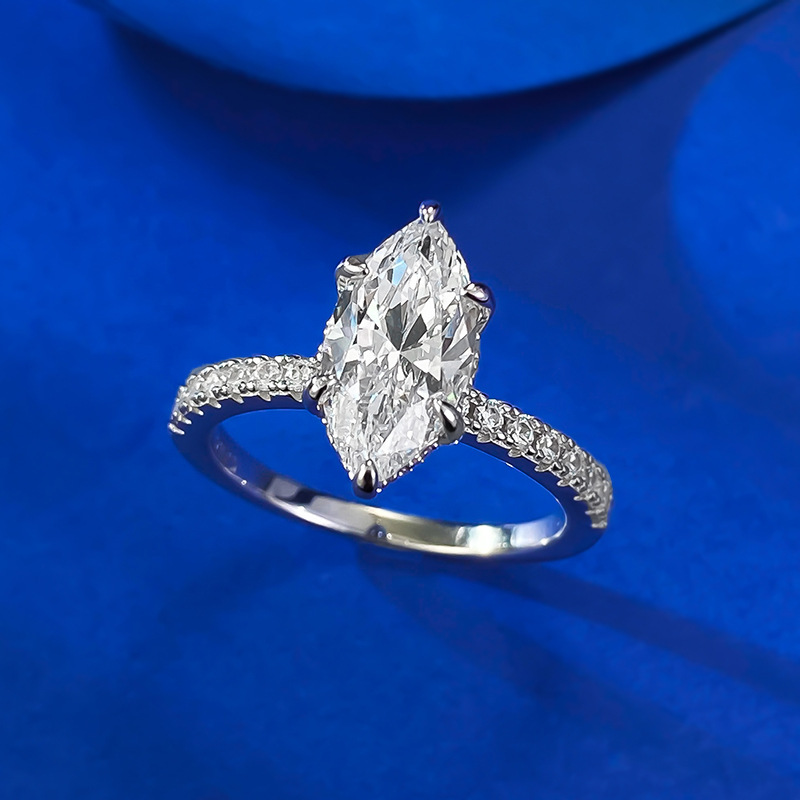
Fine Jewelry Repair Estimate Approval Archive: Paper vs Digital Records
A Fine Jewelry Repair estimate approval archive is the record that follows a repair from inspection to approval to pickup or return shipping. It can include the estimate, photos, customer approval, revised pricing, service notes, warranty comments, and final repair details.
That may sound simple. Yet the record matters most when the jewelry has value, history, or daily wear. A chain solder and a 2.00 carat lab-grown diamond ring repair don't carry the same risk.
So which record system gives you more confidence: a paper receipt or a digital file? The answer depends on the piece, the repair, and how much proof you'll want later.
What a Fine Jewelry Repair Estimate Approval Archive Should Do
A Fine Jewelry Repair estimate approval archive should answer one plain question: what did the customer approve before the jeweler started paid work? Good records make that answer easy to find.
At minimum, the archive should show the item description, metal type, visible stone condition, repair scope, quoted price, expected timing, and approval date. For higher-value pieces, it should also include pre-repair photos, notes about risks, and any revised estimate.
We've found that customers feel more comfortable when the record separates required repairs from optional work. For example, "rebuild two platinum prongs and tighten center diamond" is clear. "Repair ring" is not.
I've helped plenty of customers talk through repair approvals, and the biggest relief usually comes from seeing the details spelled out in plain language. Nobody wants to guess what happened to a ring that carries a proposal story, anniversary memory, or family connection.
A strong archive protects both sides. The customer gets proof of what was approved. The jeweler gets a clear record of the inspection, quote, and service path.
Why Repair Approval Records Matter
Jewelry repair often involves judgment. A bench jeweler may find worn prongs, a thin shank, a loose side stone, a weakened clasp, or old solder work that changes the repair plan.
A written record keeps those details from getting lost. It also helps with later insurance questions, warranty reviews, appraisal updates, resale preparation, or future maintenance.
GIA teaches that diamond jewelry should be protected from impact and checked for security, even though diamond ranks 10 on the Mohs hardness scale. Hard does not mean damage-proof. A clear repair record helps show how a ring or bracelet has been cared for over time.
The Federal Trade Commission's Jewelry Guides also stress accurate descriptions for precious metals and gemstones. That same spirit applies to repair records: customers deserve precise language, not vague shorthand.
Honestly, I think vague repair notes are one of the easiest problems to avoid. A few extra words at intake can prevent a very uncomfortable conversation later (trust me, I've seen how quickly tiny misunderstandings become big feelings when sentimental jewelry is involved).
Option 1: Basic Paper or Email Repair Records
A basic Fine Jewelry Repair estimate approval archive usually includes a handwritten intake slip, printed receipt, email quote, text message, or phone note. Many local jewelers still use this system because it's quick and familiar.
For simple repairs, paper can work well. A single solder on a 14K gold chain, a clasp replacement, or a cleaning-and-inspection visit may not need a large digital file.
The weak point is consistency. One jeweler may write down metal type, stone count, visible wear, and price. Another may write only "ring repair - $125." Both are paper records, but they don't protect the customer equally.
Paper records can also disappear. Receipts fade, emails get buried, and phone approvals may not capture the exact wording. If the repair changes after inspection, the updated approval can be hard to prove.
What Paper Records Usually Include
A basic repair approval file may include:
- A printed claim ticket or receipt
- A handwritten repair envelope
- An emailed estimate
- A text message approval
- A staff note from a phone call
- A final invoice after pickup
Before you leave jewelry with any repair provider, ask for the details in writing. The estimate should name the item, metal, stone count when visible, work requested, price, timing, and repair limits.
If the item is an engagement ring, ask whether the record notes prong condition, center stone security, side stones, sizing work, rhodium plating, and finish changes. Those details help prevent confusion later.
Here's what nobody tells you: the moment you hand over a ring is often emotional, especially if it is your engagement ring or a gift from someone you love. A clear receipt gives your practical brain something to hold onto while your sentimental brain is quietly saying, "Please take care of this."
Pros and Cons of Paper Approval Records
Paper and email records have real strengths. They're fast, simple, and easy for customers who prefer a printed receipt.
They can also be enough for low-risk repairs. A narrow repair scope, clear price, and written approval may meet the customer's needs.
The drawbacks grow as the value of the jewelry rises. Paper files are harder to search months or years later. Photos may sit outside the record. Revised estimates may not show a clean approval trail.
For insured jewelry, heirlooms, engagement rings, and lab-grown diamond pieces, those gaps matter. A Fine Jewelry Repair estimate approval archive should not depend on memory.
Option 2: Digital Repair Approval Documentation
A digital Fine Jewelry Repair estimate approval archive stores the estimate, photos, approvals, notes, revisions, and completion details in one searchable place. The record may connect to the customer's order, item, repair ticket, or account.
This approach works especially well for online jewelry service. If you ship a ring for repair, you can't stand at the counter and point to a worn prong. Photos and notes become the shared reference.
Digital records can show the condition before work starts. They can also document the finished repair, return-shipping details, and any care advice from the jeweler.
Still, digital storage alone doesn't guarantee quality. A vague estimate in a portal is still vague. The best digital archive pairs clear photos with expert inspection and plain-language repair notes.
What Digital Repair Records Can Include
A digital archive may include:
- Item details, such as SKU, order number, metal, stone type, and setting style
- Inspection notes for prongs, shanks, clasps, links, bezels, channels, and pavé
- Pre-repair and post-repair photos
- Required repairs and optional services listed separately
- Labor and material pricing when available
- Approval status with date and time
- Revised estimate history
- Warranty or service-limit notes
- Completion notes and pickup or return-shipping details
For lab-grown diamond jewelry, digital repair records can sit beside IGI or GIA reports, receipts, appraisals, and insurance documents. IGI and GIA grading reports often list carat weight, color, clarity, measurements, and inscriptions. Repair records do something different: they show service history after purchase.
That service history has practical value. If a ring is resized from 6.25 to 6.75, two prongs are rebuilt, and a missing melee stone is replaced, future jewelers should be able to see that work.
In my experience at StoneBridge, customers who keep their diamond reports, receipts, and repair approvals together tend to feel much more confident when it is time for an inspection, appraisal update, or insurance review. It is not glamorous paperwork, but it is very useful paperwork.
Pros and Cons of Digital Approval Archives
A digital fine Jewelry Repair Estimate Approval archive is easier to retrieve than a paper folder. It can hold photos, timestamps, approvals, and revisions together.
It also helps customer service teams. If one specialist handles intake and another answers a follow-up question, the record keeps everyone aligned.
The tradeoffs are process and privacy. The jeweler needs secure systems, trained staff, clear file names, and useful photos. Customers should also know how to request their records later.
When the process is strong, digital documentation gives premium jewelry owners a cleaner paper trail than scattered receipts.
Paper vs Digital: Side-by-Side Comparison
A Fine Jewelry Repair Estimate approval archive should make repair decisions easier. Use this comparison when choosing a jeweler for a ring, bracelet, necklace, earrings, or heirloom piece.
| Criteria | Paper or Email Records | Digital Repair Archive | Better Fit |
|---|---|---|---|
| Estimate clarity | Can be clear, but depends on staff notes | Easier to organize by item, repair, price, and status | Digital for complex repairs |
| Approval proof | May rely on signature, email, text, or phone note | Approval can be stored with date and time | Digital |
| Photos | Often separate from the receipt | Can be attached to the repair file | Digital |
| Revised estimates | Easy to lose if changes happen by phone | Revisions can stay in order | Digital |
| Searchability | Requires old emails or manual lookup | Searchable by customer, item, date, or order | Digital |
| Insurance support | Helpful if detailed and saved | Stronger when photos and notes stay together | Digital |
| Simple repairs | Usually enough for small jobs | More record than some repairs need | Paper can work |
| Long-term care | Limited if records fade or get lost | Better for rings, heirlooms, and insured pieces | Digital |
For a basic chain solder, a detailed paper receipt may be fine. For an engagement ring, Diamond Tennis Bracelet, custom setting, or inherited piece, digital records usually offer stronger protection.
The best choice is not paper or digital by itself. It is skilled repair work plus clear documentation.
Which Repair Archive Fits Your Jewelry?
Choose paper or email records for simple, low-risk repairs with a narrow scope. A clasp replacement, jump ring repair, or basic solder may only need a written price, service description, and approval.
Choose a digital Fine Jewelry Repair estimate approval archive for jewelry with higher value, stronger emotion, or more complex work. That includes engagement rings, lab-grown diamond jewelry, custom pieces, heirlooms, tennis bracelets, and insured items.
Ask yourself this: if a question came up two years from now, would this record help? If the answer is no, ask for better documentation before approving the repair.
StoneBridge Jewelry customers often compare pieces by design, diamond quality, budget, and long-term care. If you're planning a major purchase, review the details Before You Buy and keep your records organized afterward. You can explore lab-grown diamonds, compare engagement rings, browse fine jewelry, or design a ring with our ring builder.
Best Fit for Engagement Rings
Engagement rings benefit from detailed repair records because they are worn often. Daily wear exposes a ring to desks, door handles, gym equipment, lotions, cleaning products, and fabric snags.
A digital archive can document prong wear, center stone security, resizing, polishing limits, rhodium plating, and future service advice. That record is useful for insurance reviews, anniversary upgrades, resets, and appraisal updates.
Many jewelers recommend professional ring inspections every 6 to 12 months for frequently worn pieces. Even if your ring looks fine, small prong or shank issues can start quietly.
I've helped couples choose rings they plan to wear every single day, and I always think about the life that ring is going to have after the proposal: cooking dinner, holding hands, packing suitcases, dancing at the wedding, and all the ordinary little moments that make it meaningful. A repair record is part of caring for that story.
For a 1.50 carat or 2.00 carat lab-grown diamond ring, the repair file should match the importance of the piece. A Fine Jewelry Repair estimate approval archive gives the service history a clear home.
Best Fit for Heirloom Jewelry
Heirloom jewelry needs careful notes before repair work begins. Older pieces may have thin shanks, worn engraving, fragile prongs, softened links, old solder seams, or stones added during past repairs.
A repair archive should document what will be preserved, restored, or replaced. That is especially helpful when multiple family members have a voice in the decision.
Photos reduce misunderstandings. If a grandmother's ring has worn engraving, the family can decide whether to protect it, refresh it, or leave it untouched.
For antique cuts, colored stones, or uncertain materials, ask whether gemological review or an appraisal is needed before repair. A good record should never rush a sentimental decision.
Heirloom repairs deserve patience. Sometimes the right answer is not the shiniest version of the piece; it is the version that still feels like the person who wore it before you.
Expert Recommendation for Premium Jewelry Care
For premium service, a digital Fine Jewelry Repair estimate approval archive is the stronger choice. It gives customers easier access, better photo history, clearer approval proof, and more useful long-term records.
The ideal process includes six steps:
- Inspection by a qualified jewelry service professional
- Clear repair language with required and optional work separated
- Photos before repair begins
- Customer approval before paid work starts
- Stored revisions if the estimate changes
- Completion notes after the repair is finished
That process feels fair because everyone can see the same facts. The customer knows what was approved. The jeweler knows what was promised.
Good documentation also supports diamond ownership. Lab-Grown Diamond Prices vary by carat weight, cut, color, clarity, shape, certification, and measurements. A 1.00 carat diamond and a 3.00 carat diamond may need the same prong repair, but the service record should respect the value and identity of each piece.
If you want jewelry built for long-term care, shop with documentation in mind from the start. StoneBridge Jewelry offers lab-grown diamond engagement rings, lab-grown diamond jewelry, and fine jewelry essentials designed for beauty, daily wear, and future service.
Final Recommendation: Choose the Record That Protects the Piece
Paper records can work for simple repairs when the estimate is specific, the price is written, and the customer approves before service begins. Keep the receipt and ask for photos if the repair involves stones or visible damage.
For high-value, insured, sentimental, or frequently worn jewelry, choose a digital fine jewelry repair estimate approval archive. It keeps estimates, approvals, photos, revisions, and completion notes together.
The record should reduce stress, not create more of it. Before you approve jewelry repair, ask what will be saved, how you'll receive a copy, and whether revised work needs fresh approval.
A beautiful piece deserves careful care after purchase. It also deserves records that make the next repair, insurance update, or appraisal easier.
And if the piece marks a proposal, wedding, anniversary, or once-in-a-lifetime gift, give the paperwork the same respect you give the sparkle. Future you will be grateful (yes, even if you are usually not a "paperwork person").
FAQ
What is a fine jewelry repair estimate approval archive?
A fine jewelry repair estimate approval archive is the saved record of a jewelry repair quote, customer approval, repair notes, and completion details. It may include photos, metal type, stone condition, price, timeline, and revised estimates. The goal is to show what the jeweler inspected and what the customer approved before work began.
Is a digital jewelry repair approval archive better than paper?
A digital jewelry repair approval archive is usually better for engagement rings, heirlooms, insured jewelry, and lab-grown diamond pieces. It can keep photos, timestamps, approvals, and revisions in one searchable file. Paper can still work for simple repairs if the estimate is detailed and the customer keeps a copy.
What should I ask before approving a jewelry repair estimate?
Ask what repair is required, what work is optional, how much it costs, and whether the price could change after deeper inspection. Request notes about prongs, stones, metal wear, sizing, plating, and finish changes when they apply. If the jeweler finds extra issues, ask for a revised estimate before approving more work.
Can repair records help with jewelry insurance?
Yes, repair records can support insurance conversations by showing service dates, item condition, approved work, and photos. They do not replace an appraisal, receipt, diamond report, or insurance policy. Keep those documents together with your fine jewelry repair estimate approval archive for a cleaner ownership file.
How long should I keep jewelry repair approval records?
Keep jewelry repair approval records for as long as you own the piece. This is especially important for engagement rings, lab-grown diamond jewelry, heirlooms, and insured items. Long-term records help with future repairs, appraisal updates, resale preparation, upgrades, and warranty questions.
Ready to Find Your Perfect Diamond?
Explore our collection of certified lab-grown diamonds
Shop Diamonds