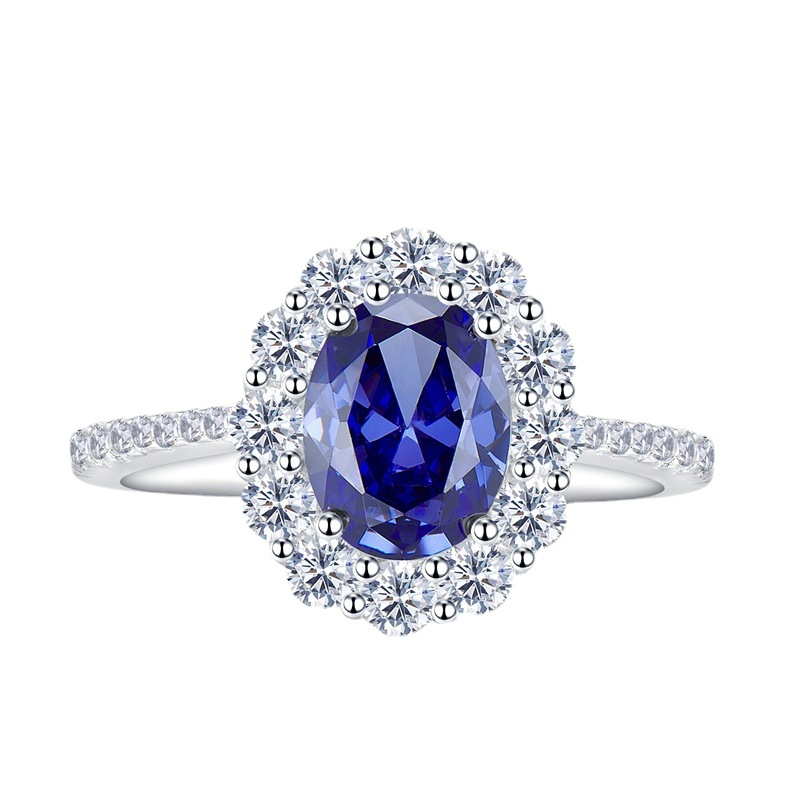
Fine Jewelry Repair Delay Evidence Checklist: Repair or Replace?
A delayed repair can turn a simple service request into a stressful decision. Your ring, bracelet, necklace, or earrings may be out of your hands for weeks. If the piece is insured, sentimental, or worn every day, guessing is not enough.
A Fine Jewelry Repair delay evidence checklist keeps the facts organized. It brings receipts, photos, appraisals, repair estimates, messages, and promised dates into one place so you can decide whether to wait, escalate, or shop for a replacement.
I’ve helped many customers sort through repair delays, appraisal questions, and “should I fix this or start fresh?” moments. People almost always feel calmer when they can point to dates instead of relying on memory. A written repair ticket, clear photos, and a saved email thread can change the whole conversation with a jeweler.
Why a Repair Delay Checklist Matters
Jewelry repairs often begin with a casual estimate. A ring resizing may take one week. A prong repair may take two. A chain soldering job may sound like a quick fix.
The problem starts when the pickup date passes and the updates stay vague. A Fine Jewelry Repair delay evidence checklist gives you a timeline you can trust. It also helps you compare the repair cost against replacement value.
For valuable pieces, documentation protects more than convenience. It can support warranty questions, insurance claims, appraisal updates, and future resale discussions. GIA reports, IGI reports, receipts, and appraisals can all help identify the exact stone or piece.
If the jeweler says the delay came from a missing part, a busy bench jeweler, or a supplier issue, ask for the revised date and reason in writing. A short text or email is better than a verbal promise you cannot prove later (trust me, I’ve seen that tiny detail save a lot of stress).
Fine Jewelry Repair Delay Evidence Checklist: What to Save First
Start your fine Jewelry Repair Delay evidence checklist before the jewelry leaves your hand. Do not wait until the delay becomes a dispute. Early records are cleaner, and they show the item’s condition before anyone works on it.
Save these core records:
- Purchase receipt, order confirmation, or payment record
- Repair intake ticket or service form
- Written repair estimate and signed approval
- Warranty, care plan, or service agreement
- Appraisal or insurance valuation
- GIA, IGI, GCAL, or other grading report if the item has one
- Before photos and short videos
- Emails, texts, chat transcripts, and call notes
- Shipping, delivery, pickup, or chain-of-custody records
- Final repair notes and after photos
Date-stamped records matter. Write down the drop-off date, original completion window, follow-up dates, revised pickup dates, and final return date. If the jeweler quotes a new deadline, reply with a simple note asking them to confirm it.
Photos matter too. Take close-ups of prongs, clasps, links, engraving, laser inscriptions, stone alignment, and visible wear. Use bright light and several angles. A blurry photo is better than nothing, but clear photos carry more weight.
For diamond jewelry, include one photo that shows the whole item and several close-ups that show the center stone, side stones, gallery, shank, setting style, and any identifying marks. If the diamond has a laser inscription, ask the jeweler whether they can photograph it under magnification or note the inscription number on the intake form. For necklaces and bracelets, photograph the clasp, safety catch, hinge, jump rings, and any stamped metal marks such as 14K, 18K, PT950, or 925.
Customer-Managed Checklist vs. Jeweler Records
You can build a repair file yourself, rely on the jeweler’s service records, or use both. The strongest Fine Jewelry Repair delay evidence checklist usually combines your own documentation with the jeweler’s professional notes.
A customer-managed file gives you control. You save your own photos, screenshots, invoices, appraisal PDFs, and notes. This helps when a shop gives verbal updates or uses a basic handwritten ticket.
Jeweler-managed records add professional detail. A trained jeweler can describe a platinum six-prong setting, a 14K yellow gold chain, a worn lobster clasp, or a loose pavé stone more accurately than most shoppers can. Those terms help if you need an appraisal, insurance review, or second opinion.
Honestly, I think the best approach is not either-or. Keep your own records and ask the jeweler for theirs. It may feel like overkill at drop-off, but if the repair drags on, you will be very glad you did.
Use this comparison before you choose your next step:
| Evidence Type | Customer-Managed File | Jeweler-Managed Record | Risk If Missing |
|---|---|---|---|
| Purchase proof | Receipt, invoice, card record | Retail account history | High |
| Repair intake | Photo of ticket, notes | Formal service ticket | High |
| Before photos | Customer photos and videos | Intake photos if offered | High |
| Timeline | Spreadsheet, email folder | Service updates | High |
| Estimate approval | Saved quote, signed approval | Repair authorization | High |
| Shipping proof | Tracking, insured label | Store shipping record | High |
| Appraisal | Independent valuation | Store appraisal | Medium to High |
| Grading report | GIA or IGI report copy | Report number in account | Medium to High |
| Final notes | Pickup photos, written notes | Completion report | Medium |
Missing intake records and photos creates the biggest risk. Those documents connect the jewelry to the repair request and show condition before work began.
How to Build a Strong Repair Delay Timeline
A good timeline does not need fancy software. A note on your phone, a spreadsheet, or an email draft works. The point is to keep every date in one place.
Your Fine Jewelry Repair delay evidence checklist should track:
- Jewelry description, including metal, stone type, carat weight, size, engraving, and report numbers
- Drop-off or shipment date
- Repair requested, such as resizing, soldering, stone tightening, prong work, clasp repair, or polishing
- Original completion estimate
- Price quote and approval date
- Follow-up dates and who responded
- Revised timelines and stated reasons for delay
- Final pickup, delivery, or unresolved status
Use exact numbers when you can. Write “dropped off on March 3” instead of “early March.” Write “$185 estimate approved by text” instead of “price approved.”
Industry documents are helpful here. GIA diamond reports list details such as carat weight, measurements, color grade, clarity grade, cut grade for many round diamonds, and report numbers. IGI reports also document grading details and can help match a lab-grown diamond to its paperwork.
Appraisals add another layer. A proper appraisal often includes metal type, stone details, measurements, condition notes, and estimated replacement value. For insured jewelry, many owners update appraisals every 2 to 3 years because metal and diamond prices can change.
Details to Record for Diamonds, Metals, and Settings
If you may replace the piece, your timeline should also capture the buying details you would need to compare fairly. For a diamond ring, record the diamond shape, carat weight, color, clarity, cut grade when available, fluorescence, measurements, and certificate number. A 1.50 ct round brilliant with an Excellent cut grade, F color, VS1 clarity, and GIA or IGI report is not the same comparison as a 1.50 ct oval with H color, SI1 clarity, and no report.
Metal matters too. Platinum is dense, naturally white, and often preferred for prongs because it wears differently than gold, but it usually costs more and may show a softer patina. 14K gold is durable and often more affordable than 18K gold, while 18K gold has richer color and higher gold content. White gold may need rhodium replating over time, especially on engagement rings worn daily. Yellow gold and rose gold can hide minor warmth in some diamonds better than bright white metals.
Setting style affects both repair risk and replacement value. Four-prong settings show more diamond but offer fewer points of contact. Six-prong settings cover slightly more of the stone but add security, especially for round diamonds. Bezel settings protect edges well and suit active wearers, while pavé and hidden halo designs add sparkle but introduce many tiny stones and prongs that may need maintenance. These tradeoffs should be part of the repair-or-replace decision, not an afterthought.
Evidence That Helps With Repair vs. Replacement
A Fine Jewelry Repair delay evidence checklist is not only for complaints. It also helps you decide whether the repair still makes sense.
Compare the repair estimate with the piece’s value, condition, and use. A $75 chain repair may be worth waiting for. A $650 setting rebuild on a ring with worn prongs, a thin shank, and repeated delays deserves a closer look.
Daily-wear jewelry needs extra care. Engagement rings, wedding bands, diamond studs, tennis bracelets, and heirloom necklaces see more stress than pieces worn once or twice a year. A weak clasp or loose center stone can create real loss risk.
Here’s what nobody tells you: a repair can be technically possible and still not be the smartest choice. If the piece keeps coming back with new issues, the “cheaper” repair can slowly become the more expensive path.
Ask these questions:
- Is the repair timeline still clear?
- Did the jeweler confirm the price and scope in writing?
- Does the piece have structural problems beyond the original repair?
- Would a new setting or piece offer better durability?
- Is the item insured, sentimental, or needed for an event?
If replacement starts to look smarter, compare options with full product details. You can shop lab-grown diamonds, explore engagement rings, or use the StoneBridge ring builder to compare settings, carat weight, cut, color, clarity, and certification.
Use price ranges carefully. A small chain solder may be modest, while rebuilding a worn shank, replacing a ring head, retipping multiple prongs, or resetting several stones can add up quickly. If a repair estimate reaches 40% to 60% of the cost of a comparable new piece, pause and compare. For engagement rings, also compare the cost of a new mounting, because keeping the diamond and replacing only the setting can be a practical middle path.
For lab-grown diamond replacements, focus on the complete spec sheet, not just carat weight. Many buyers find strong value in near-colorless grades such as G, H, or I and eye-clean clarity such as VS2 or SI1, depending on the cut and diamond shape. For elongated shapes like oval, radiant, pear, and emerald cuts, ask about bow-tie visibility, length-to-width ratio, and whether the stone looks bright in normal lighting. A certificate is important, but your eyes should still approve the diamond.
When a Jeweler’s Documentation Is Enough
A jeweler’s file may be enough for a simple repair if the shop gives you clear paperwork. A strong intake form should describe the item, repair scope, price estimate, and expected completion date. It should also list visible wear or stone concerns.
For example, a good service note might say, “14K white gold engagement ring, 1.20 ct round lab-grown diamond, six-prong head, two worn prongs, resize from 6.5 to 6.0.” That detail is far better than “ring repair.”
Do not rely on records you cannot access. Ask for copies of the intake form, estimate, revised dates, and final repair notes. Add those copies to your own Fine Jewelry Repair delay evidence checklist.
If the jeweler gives only verbal updates, send a quick written recap. Try this: “Thanks for the update today. Please confirm the new pickup estimate is April 12 and that the delay is due to the replacement clasp order.” Short messages like this create a useful paper trail.
When to Escalate a Delayed Jewelry Repair
Escalation does not have to be aggressive. It can be a polite request for clear records, a firm timeline, or a manager review. The goal is to get facts, not start a fight.
Consider escalation if:
- The promised date has passed with no written update
- The reason for delay keeps changing
- The price increases without approval
- The jeweler cannot locate your paperwork
- The returned piece looks different or damaged
- Stone security, prong work, or clasp strength is still unclear
Bring your Fine Jewelry Repair delay evidence checklist to the discussion. Share the intake ticket, photos, estimate, and timeline. Ask for a written plan that includes the remaining work, final price, and realistic completion date.
If the piece is insured, contact your insurer before authorizing major extra work. Some policies require repair estimates, photos, appraisals, or proof of loss before they review a claim. Keep every document in the same folder.
For shipped repairs, escalation should include shipping facts as well as repair facts. Save the carrier name, tracking number, delivery confirmation, signature record, package photos, declared value, and insurance amount. Fine jewelry should usually be shipped with tracking, signature requirements, and appropriate insurance, not dropped into a standard mailer without documentation. If a store provides the label, ask whether the shipment is insured in transit and whether the coverage applies both ways.
When Replacement or Upgrade Makes More Sense
Repair is not always the better value. A setting with severely worn prongs may need rebuilding, not a quick tightening. A stretched band may keep bending. A bracelet with repeated clasp trouble may put the whole piece at risk.
Replacement may be the better path when the repair cost is high, the timeline keeps slipping, or the piece no longer fits your life. It can also make sense if an old setting no longer protects the center stone well.
In my years working with jewelry shoppers, I’ve seen this decision feel especially emotional when the piece is tied to a proposal, wedding, anniversary, or family gift. That makes sense. Jewelry is rarely just metal and stone; it is a little piece of someone’s story.
StoneBridge Jewelry offers lab-grown diamond jewelry for shoppers who want clear details and modern craftsmanship. If repair records point toward replacement, you can browse fine jewelry, compare engagement rings, or choose a new bracelet, necklace, earrings, or wedding band with confidence.
For a delayed engagement ring repair, compare the quote with a new setting or lab-grown diamond ring. If a proposal date is close, or a wedding band needs to be ready before the ceremony, a predictable replacement timeline may bring more peace of mind than another uncertain repair window. For earrings with weak posts or loose stones, compare the repair cost with new diamond studs. For a tennis bracelet with repeated clasp problems, compare another service delay with a secure new design.
Buying Details to Check Before You Replace
If you decide to replace, slow down long enough to verify the practical details. For rings, confirm the correct size and ask how future resizing works. Plain gold bands are usually easier to resize than eternity bands, intricate pavé designs, or tension-style settings. If your finger size changes seasonally, a slightly wider band may feel tighter than a thin band in the same size, so comfort-fit and width matter.
For engagement rings and diamond jewelry, ask whether the center diamond or main stones come with independent grading reports. GIA, IGI, and GCAL reports can help you confirm the diamond’s specs and identify the stone later. For earrings, check total carat weight versus individual stone weight; “2.00 ctw” diamond studs usually means about 1.00 ct per ear, not 2.00 ct per diamond. For bracelets and necklaces, review length, clasp type, safety features, and whether links or settings feel substantial enough for your wear habits.
Also review shipping, returns, and warranties before buying. Look for insured shipping, signature delivery, clear production timelines, and a return window that gives you enough time to inspect the piece in natural light. Check whether resized, engraved, custom, or special-order jewelry is returnable. A beautiful replacement can still cause frustration if the delivery date misses your event or the return policy does not match your expectations.
Best Hybrid Checklist for Delayed Fine Jewelry Repairs
The best fine jewelry repair delay evidence checklist combines your own records with the jeweler’s paperwork. You keep control, and the jeweler adds professional detail.
Use this simple workflow:
- Photograph the piece before drop-off, including stones, prongs, clasps, engraving, and report numbers.
- Ask for a written intake form with condition notes, repair scope, price, and completion window.
- Save receipts, appraisals, grading reports, warranty terms, and messages in one folder.
- Confirm every timeline change by email or text.
- Photograph the piece again at pickup before leaving the store.
- Compare the final repair cost, delay, and quality with replacement options.
This system works for engagement rings, wedding bands, diamond studs, tennis bracelets, necklaces, inherited jewelry, and lab-grown diamond pieces. It also helps if you use more than one jeweler over time.
The more valuable or sentimental the item, the more careful your documentation should be. A fine jewelry repair delay evidence checklist can save hours of back-and-forth later (yes, even for a small repair that seemed simple at first).
Common Mistakes That Weaken Your Case
The most common mistake is leaving jewelry for repair without a detailed receipt. A claim ticket with only a first name and the word “ring” is not enough for a valuable engagement ring or heirloom bracelet. Ask for metal type, stone description, condition notes, and the promised work before you walk away.
Another mistake is approving extra work by phone without a written price. If the jeweler discovers worn prongs, cracked solder, a chipped accent stone, or a stretched bracelet link, ask for the updated estimate in writing before work continues. A repair that starts at $125 and becomes $475 may still be fair, but the approval trail should be clear.
Finally, do not skip care after pickup. Clean the piece gently, avoid harsh chemicals, remove rings for heavy lifting, and have high-wear jewelry checked periodically. White gold may need rhodium maintenance, pavé stones should be inspected for loose beads or prongs, and bracelets should be checked for clasp tension. Good care records help if you later need warranty service or another repair review.
Choose With Clear Records, Not Guesswork
A delayed repair is easier to manage when your records are complete. Your checklist should show what the item is, what repair was promised, what timeline was given, and what changed.
Keep receipts, appraisals, grading reports, warranty terms, photos, estimates, messages, payment proof, and shipping records. Ask the jeweler for written updates whenever dates, costs, or Repair Scope Change.
Then compare your options. Wait if the jeweler is responsive and the timeline is fair. Escalate if records are unclear or the delay keeps growing. Replace or upgrade if the repair no longer offers the value, safety, or confidence you need.
If the evidence points toward a fresh start, StoneBridge Jewelry can help you compare lab-grown diamond engagement rings, fine jewelry, earrings, necklaces, bracelets, and wedding bands with clear product details. And if the piece marks a proposal, wedding, anniversary, or once-in-a-lifetime gift, take the time to choose the option that lets you enjoy it without worry.
Ready to Find Your Perfect Diamond?
Explore our collection of certified lab-grown diamonds
Shop Diamonds